Why You Should Never Punish an Aussie Growl
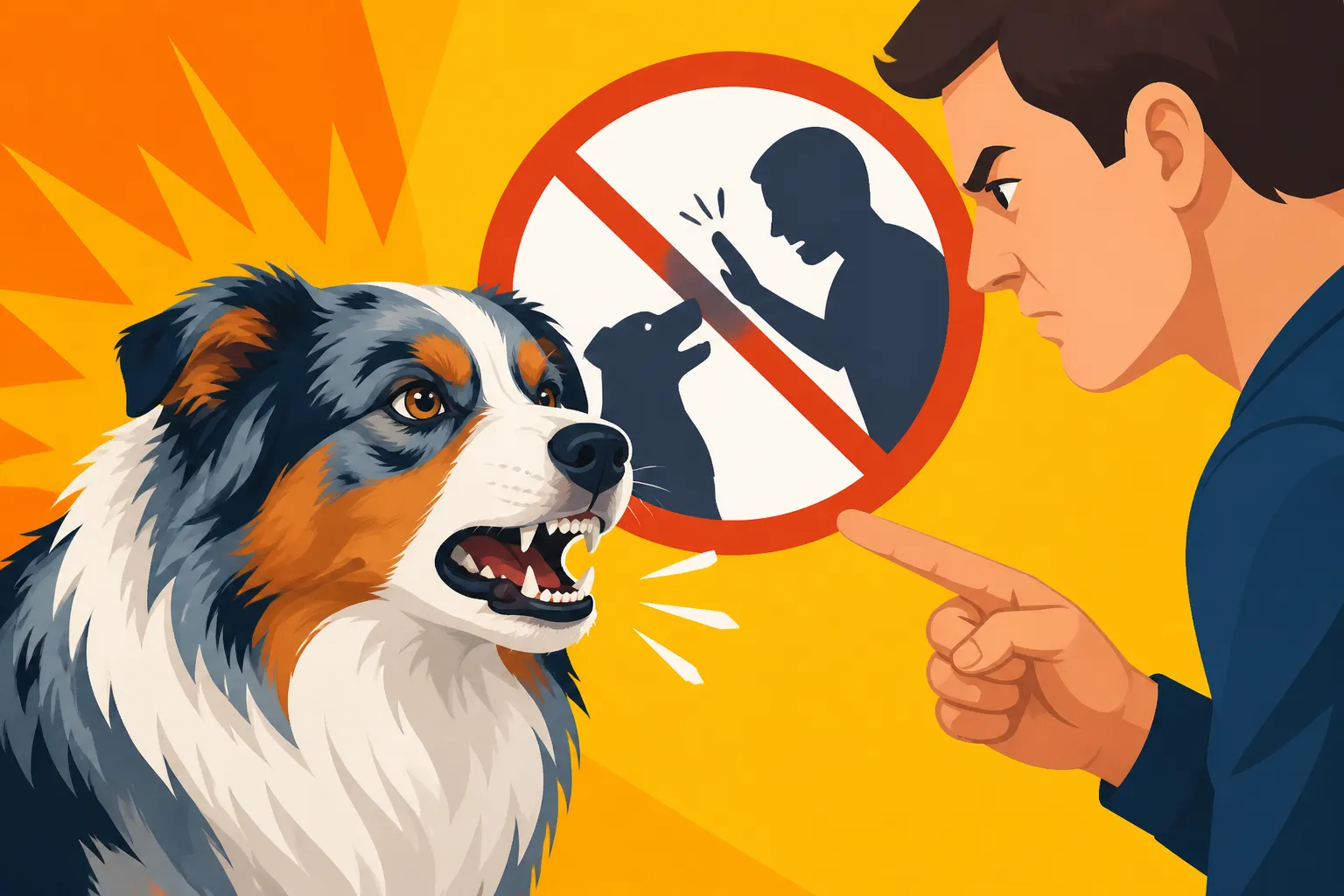
You’ve just heard that low rumble. Perhaps it was directed at the mail carrier, a new friend approaching your dog, or even a child reaching for a toy. Your Australian Shepherd growled, and your first instinct might be to scold them, tell them "no," or try to physically stop the behavior. While it's completely natural to want to immediately curb what sounds like aggression, reacting this way can actually strip your Aussie of their most crucial communication tool, inadvertently setting you both up for more dangerous situations down the road. This guide is all about helping you understand why your Australian Shepherd growls, why punishing it is counterproductive, and how to respond in a way that builds trust and safety for everyone.
The Misunderstood Warning: What a Growl Really Means
Many people interpret a growl as a sign of outright aggression or defiance, something to be immediately shut down. But for an Australian Shepherd, a breed known for its intelligence, sensitivity, and often protective instincts, a growl is rarely a random act of malice. Instead, it’s a vital piece of their communication puzzle, a clear signal that they are uncomfortable, afraid, or feeling threatened. Ignoring or punishing this signal doesn't make the underlying feeling disappear; it just silences the warning.
It's Not Disobedience, It's Communication
Imagine if you tried to tell someone you were upset, but every time you spoke up, you were immediately shushed or told you were "bad" for expressing yourself. Eventually, you’d stop vocalizing your feelings, but the upset wouldn't vanish. You'd just learn to internalize it, perhaps until it boiled over in a more intense, unexpected way. This is exactly what happens when we punish an Australian Shepherd for growling.
A growl is your Aussie’s way of saying, "Hey, I'm not okay with this. Please stop." It's a plea for space, a declaration of discomfort, or a warning that their personal boundaries are being crossed. It might be due to pain, fear, resource guarding, or simply feeling overwhelmed. Aussies, with their keen observation skills and often strong guarding instincts inherited from their herding lineage, are constantly assessing their environment. When something triggers their unease, a growl is often their first, polite request for the situation to change. They are communicating a perceived threat or discomfort, not trying to be disobedient.
Why Growling is Actually a Good Thing
While it might sound scary, a growl is actually one of the most beneficial warning signals your dog can give. Think of it as a smoke detector. You wouldn't hit your smoke detector for going off; you'd investigate the smoke. Similarly, a growl is alerting you to a problem that needs your attention. It's a clear, audible indicator that your Aussie is nearing their threshold of tolerance.
Without this warning, you might unknowingly push your dog too far. A growl gives you a precious window of opportunity to intervene, remove your dog from the stressful situation, or redirect their attention before they feel the need to escalate to a bite. It's their way of avoiding a physical confrontation, giving you a chance to de-escalate. Truly, it’s a sign of a dog that is trying to be understood and avoid harm. We often delve into how much dogs communicate through subtle cues, and understanding these signals is crucial for building a strong bond. You can learn more about this in Reading an Aussie Body Language Under a Full Coat.
The Dangerous Consequences of Punishing a Growl
It’s completely understandable why an owner might want to immediately shut down a growl. We want our dogs to be friendly, safe, and well-behaved. However, punishing a growl—whether through harsh verbal corrections, physical intimidation, or even just repeated "no" commands without addressing the underlying cause—can have seriously detrimental and even dangerous long-term effects on your Australian Shepherd's behavior.
Suppressing the Warning System
When you punish your Aussie for growling, you teach them that growling is a bad behavior that gets them into trouble, not that their underlying discomfort is invalid. So, what happens? They learn to suppress that growl. They internalize their distress and skip the audible warning altogether. Instead of giving you a heads-up, they might go straight to a more severe, silent escalation when pushed beyond their limit.
This can be incredibly frightening for an owner. You might suddenly find yourself with a dog that snaps or bites seemingly "out of nowhere." But it wasn't out of nowhere. The warning signs were simply suppressed. Your dog might have offered subtle body language cues—a stiffening of the body, a whale eye, a closed mouth, lip licking—that you might have missed, and because they learned their audible warning was punished, they skipped it entirely. This creates a much more unpredictable and dangerous dog, both for you and for others who interact with them. You've essentially disabled their "safety switch."
Escalation to Biting Without Notice
Imagine a child who is constantly told off for crying when they're hurt or scared. Eventually, they might stop crying, but they don't stop feeling hurt or scared. They might just lash out in frustration or fear without the initial vocalization. The same principle applies to your Australian Shepherd. If they learn that growling leads to punishment, they will eventually try to find other ways to make their discomfort known, or, more concerningly, they might feel they have no other option than to escalate directly to a bite.
This is particularly critical in scenarios involving children or strangers. A dog that has been taught not to growl might suddenly bite when feeling overwhelmed, without any prior audible warning. This makes the dog much harder to manage and poses a significant risk. The goal should always be to understand and manage the growl, not eliminate it from their communication repertoire. An Aussie that is often stressed or overwhelmed can also exhibit Australian Shepherd Reactivity and Overarousal, which can lead to behaviors that seem aggressive but are rooted in fear or anxiety.
Consider this scenario: Your Aussie is resting, and a child approaches, reaching for their food bowl. In a dog that feels safe to growl, you might hear a low rumble, giving you time to intervene and redirect the child. In a dog whose growls have been punished, that child might receive a bite without any warning sound, because the dog learned that growling only resulted in further punishment from you, the owner.
| Behavior Signal | What it Communicates (Before Punishment) | What it Communicates (After Punishment) | Safety Implication |
|---|---|---|---|
| Growl | "I'm uncomfortable/scared, stop!" | "I'm uncomfortable/scared, but I can't tell you." | Gives time for intervention. |
| Stiffening Body | "I'm tense, please notice." | "I'm tense, but I'll hide it." | Subtle warning, easily missed. |
| Lip Lick / Yawn | "I'm stressed." | "I'm stressed, but I must hide it even more." | Calming signal, often overlooked. |
| Snapping Air | "This is my final warning before a bite." | "I have to bite now because my warnings were ignored." | Last chance to intervene. |
| Actual Bite | "I'm at my absolute limit." | "I had no other way to tell you." | No warning, immediate injury. |
How to Responsibly Respond to an Aussie's Growl
Hearing your Australian Shepherd growl can be alarming, but it's crucial to remember that it's a message, not a misbehavior to be suppressed. Learning to respond appropriately will not only make your Aussie feel safer and more understood but will also prevent the escalation of aggression. The key is to address the underlying reason for the growl, rather than punishing the growl itself.
Identify the Trigger and Create Distance
The very first step when your Aussie growls is to identify what prompted it. Was it a person, another animal, a sudden noise, being touched in a sensitive spot, or guarding a valuable item? Pay close attention to the context. Once you understand the trigger, your immediate action should be to create distance between your Aussie and whatever is causing their distress. This might mean:
- Physically moving your dog: Gently guide them away from the trigger, or move the trigger away from them.
- Moving yourself: If your presence is the trigger (e.g., reaching for their food bowl), back away.
- Redirecting attention: If safe to do so, toss a treat away from the trigger to get them to move.
For instance, if your Australian Shepherd growls when a child approaches their chew toy, immediately call the child away. If it’s another dog getting too close at the park, calmly lead your Aussie to a different area. The goal is to show your dog that you hear their warning and that you are capable of managing the situation and keeping them safe. This builds trust and teaches them that they don't have to handle stressful situations alone. Sometimes, behaviors like this stem from a lack of appropriate outlets for their energy and intelligence, leading to Australian Shepherd Behavior Problems From Under-Exercise.
Positive Reinforcement and Management Strategies
Once you’ve identified the trigger and created distance, you can begin to work on management and positive reinforcement strategies. The aim is to change your Aussie’s emotional response to the trigger from fear or discomfort to something neutral or even positive.
- Counter-Conditioning: This involves pairing the trigger with something highly positive. For example, if your Aussie growls at strangers, have a friendly stranger toss high-value treats from a safe distance, but only when your dog is calm and not growling. The distance is key here. The moment you see a growl, that’s your signal that you’ve pushed too far, too fast. Back up, increase distance, and restart the positive association.
- Desensitization: Gradually expose your Aussie to the trigger at a very low intensity, where they don't feel the need to growl. This might mean starting with the trigger barely visible or audible, then slowly, over many sessions, decreasing the distance as your dog remains relaxed.
- Resource Guarding: If your Aussie growls over food, toys, or even you, this is a common issue. Instead of taking the item away, practice a "trade" game. Offer an even higher-value treat, then calmly take the guarded item, give them the treat, and return the item. This teaches them that people approaching their resources leads to good things, not loss. Many Aussies struggle with An Aussie That Will Not Hand Things Over, and training a reliable "drop it" or "trade" command is invaluable.
- Environmental Management: Sometimes, preventing the growl means managing their environment. If they growl at passersby through a window, install privacy film or keep them in a different room when you know people will be outside. A sturdy crate can also be a safe haven for an Aussie that needs a break from household activity. You can find many useful training tools and resources on platforms like Amazon, from high-quality treats to management tools like long lines and secure crates.
Seeking Professional Guidance
If your Australian Shepherd's growling is frequent, intense, or if you feel unsafe managing it, seeking help from a certified professional dog trainer or a veterinary behaviorist is crucial. They can assess the specific situation, identify subtle cues you might be missing, and develop a tailored behavior modification plan.
Look for trainers who use positive reinforcement methods and are experienced with herding breeds like Australian Shepherds. Avoid anyone who suggests punishing the growl directly, using fear-based tactics, or advocating for dominance theory. A good trainer will help you understand the root cause of the behavior and teach you how to build a stronger, more trusting relationship with your dog. Online training programs like BAXTER & Bella can be a fantastic resource for learning positive reinforcement techniques from the comfort of your home, offering step-by-step guidance that can be particularly helpful for understanding complex Aussie behaviors. When your Aussie's behavior changes, especially if it seems out of character, it's always wise to rule out pain, which can often be the hidden reason behind an unexpected growl. A vet check, particularly considering conditions like An Australian Shepherd Snapping Because Its Hips Hurt or a Sudden Aussie Aggression and a Vet Check, should always be the first step.
Building Trust and Preventing Future Growls
The ultimate goal isn't just to manage growls when they happen, but to build such a strong foundation of trust and understanding with your Australian Shepherd that many potential growling situations are defused before they even start. This involves a deep understanding of your dog's individual personality, their body language, and proactive management of their environment and social interactions.
Understanding Your Aussie's Body Language Cues
A growl is rarely the first sign of discomfort. Your Australian Shepherd will likely offer a series of more subtle signals leading up to the growl. Learning to read these signals is like having an early warning system. Signs of stress or discomfort can include:
- Lip licking or yawning (when not tired): These are common "calming signals" indicating stress.
- Turning head or body away: Your dog is trying to disengage from the situation.
- Stiff body posture: A rigid stance often means they are uncomfortable or feeling threatened.
- Whale eye: When you can see the whites of their eyes, indicating tension.
- Tucked tail: A clear sign of fear or anxiety.
- Flattened ears: Another sign of unease or fear.
- Freezing: Becoming completely still in a situation they dislike.
By learning to recognize these earlier, more subtle cues, you can intervene before your Aussie feels the need to growl. If you see your dog stiffen when a child approaches, for example, you can calmly redirect the child before the situation escalates. This proactive approach not only prevents growls but also strengthens your bond, as your Aussie learns that you are attentive to their needs and will act to keep them comfortable. It’s also crucial to remember that behavior can sometimes signal a deeper issue, and learning to interpret these signals can help you identify when your Aussie might be feeling unwell, as discussed in An Aussie That Stops Reading the Room.
Addressing Underlying Stress and Anxiety
Many growls are rooted in underlying stress, fear, or anxiety. Instead of just treating the symptom (the growl), we need to address the root cause. For Australian Shepherds, this often involves ensuring they have adequate mental and physical stimulation, consistent routines, and positive social experiences.
- Adequate Exercise and Mental Stimulation: Aussies are brilliant, high-energy dogs. A bored or under-exercised Aussie is more prone to stress and reactivity. Ensure they get plenty of appropriate physical exercise (herding, agility, long walks) and, crucially, mental stimulation (puzzle toys, training sessions, scent work). A physically tired but mentally under-stimulated Aussie can still be prone to frustration and anxiety.
- Positive Socialization: Early and ongoing positive socialization is key. Introduce your Aussie puppy to a variety of sights, sounds, people, and other dogs in a controlled, positive way. Focus on quality over quantity, ensuring each interaction is a good one. If your adult Aussie is already reactive, work with a professional to gradually desensitize them, rather than forcing interactions that cause stress. Socializing an Australian Shepherd Beyond the Farm can provide valuable insights into broadening your Aussie's experiences safely.
- Safe Spaces: Every dog, especially one prone to anxiety, needs a safe, quiet space they can retreat to when feeling overwhelmed. This could be a crate, a dog bed in a quiet corner, or a separate room. Teach your Aussie that this space is their sanctuary, where they won't be bothered.
- Consistent Training with Positive Reinforcement: Consistent, reward-based training builds confidence and predictability in your Aussie's world. They learn what to expect from you and what is expected of them, reducing anxiety. A solid foundation in obedience can give them the tools to navigate stressful situations more calmly. For advanced training, finding a trainer who truly understands the nuances of the breed, as discussed in Finding a Trainer Who Understands an Aussie, is invaluable.
By taking a holistic approach—understanding their communication, addressing their triggers, and meeting their physical and emotional needs—you can help your Australian Shepherd feel secure enough that growls become rare, and when they do occur, they are understood as the valuable warning signals they truly are.
Disclaimer
This article is for general informational purposes only and does not constitute professional advice. Laws, prices and regulations vary by location and change over time. Consult a qualified professional for guidance on your specific situation.