How Fast an Aussie Puppy Learns the Yard
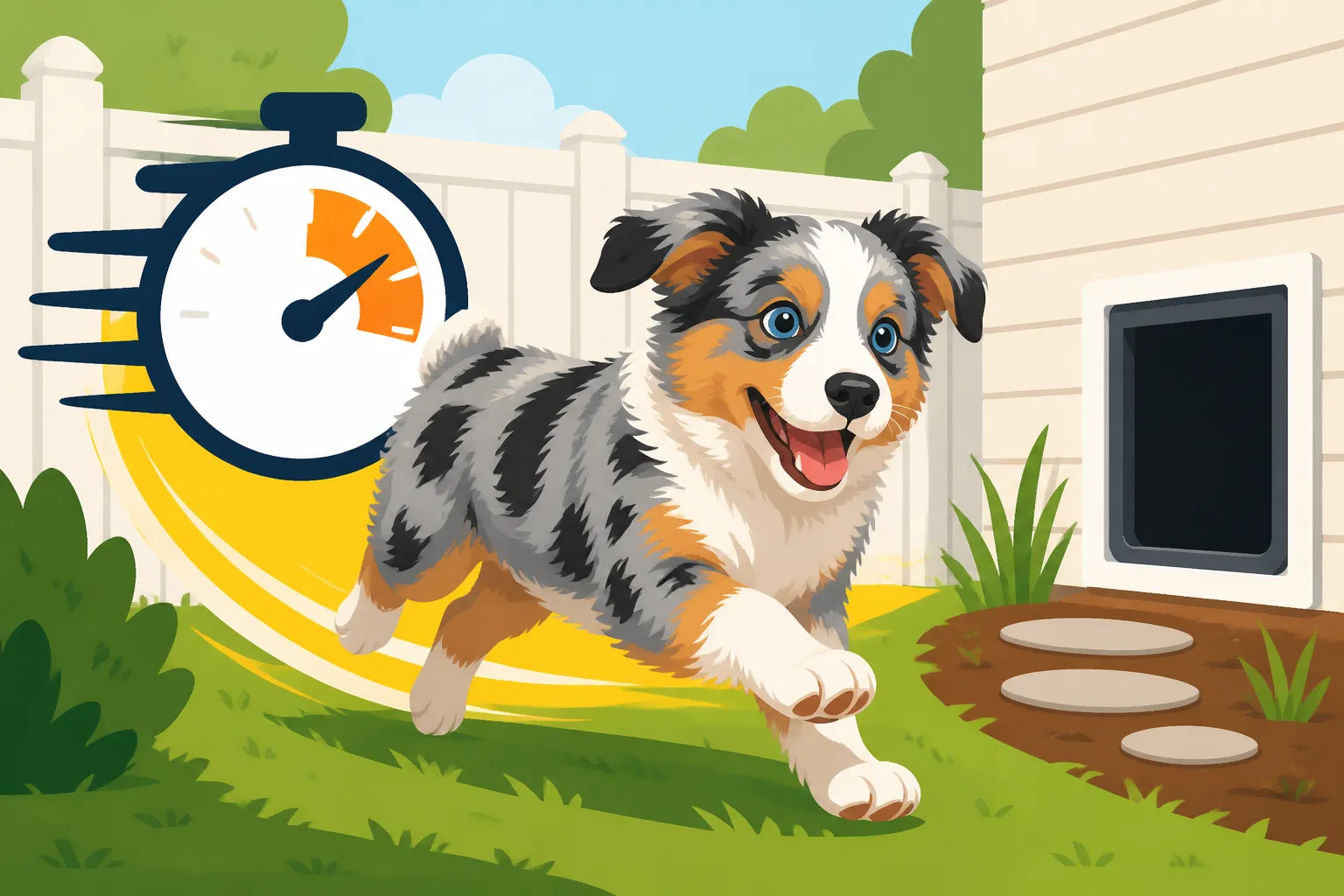
Bringing home a new Australian Shepherd puppy is an incredibly exciting time, filled with dreams of boundless energy, loyal companionship, and maybe even a little herding fun. But let's be real: that initial puppy bliss can quickly be overshadowed by the seemingly endless parade of puddles and piles if house training doesn't click into place. We all secretly hope our clever little Aussies will magically understand the concept of "potty outside," but the reality is that it takes patience, consistency, and a solid plan from your end. This guide is here to walk you through exactly how quickly an Aussie puppy can learn the yard, what factors can speed up or slow down that process, and how you can set both of you up for house-training triumph.
Understanding Your Aussie Puppy's Learning Curve
Australian Shepherds are renowned for their intelligence and eagerness to please, which can be both a blessing and a curse when it comes to training. They are keen observers and fast learners, but they also pick up on our inconsistencies just as quickly.
Innate Intelligence and Drive
Your Aussie puppy isn't just a cute ball of fluff; they're a working dog in miniature, complete with all the sharp instincts that come with it. This means they are inherently curious, highly observant, and possess a strong desire to understand and engage with their environment and their people. When it comes to learning where to relieve themselves, their intelligence often means they can grasp the concept quickly—if the communication is clear and consistent. They thrive on routine and predictability. If you establish a clear pattern for yard trips, they'll likely pick up on it faster than many other breeds.
However, their drive can also sometimes work against you. An Australian Shepherd that is overstimulated or overly focused on a squirrel, a leaf blowing past, or even another dog in the distance might forget the primary purpose of being outside. Their intense focus on movement and their surroundings, a hallmark of their herding ancestry, means you need to be extra vigilant in guiding them to complete their business before allowing them to explore or play. Why Herding Instinct Is the Aussie Operating System delves deeper into these innate traits.
The Impact of Early Experiences
The speed at which your Aussie puppy learns the yard isn't solely dependent on their inherent smarts; a huge part of it comes from their earliest experiences. What did the breeder do to start the process? A good breeder will have begun exposing puppies to designated potty areas, whether it's a litter box filled with pine pellets or an outdoor run. This initial conditioning can give your puppy a massive head start.
Puppies also have a natural instinct to keep their sleeping and eating areas clean. This "den instinct" is a powerful tool in house training. If they were raised in clean environments, they're less likely to soil their immediate living space. Conversely, a puppy from a less-than-ideal situation, where they were forced to live in their own waste, might have a harder time understanding the concept of a clean den and a separate potty area. This early foundation, or lack thereof, can significantly influence how quickly your Aussie puppy adapts to your house-training routine.
Establishing a Rapid Potty Routine
The key to getting your Aussie puppy to learn the yard quickly lies in proactive, consistent, and positive training. You want to make going outside to potty the most rewarding and logical choice every single time.
The Critical First Few Days
When your Aussie puppy first comes home, their world has just been turned upside down. They're navigating a new environment, new smells, new people, and new routines. The first few days are absolutely critical for establishing clear expectations. Think of it as a crash course in "this is where we go potty."
From the moment they arrive, take your puppy out frequently. We're talking every 30-60 minutes initially, especially after waking up, after eating or drinking, and before bed. This isn't just about giving them opportunities; it's about preventing accidents inside and heavily reinforcing successes outside. Keep your outdoor trips brief and business-oriented. Stand in one spot, use a consistent potty cue like "go potty" or "hurry up," and wait. As soon as they finish, praise them effusively and offer a high-value treat. Then, and only then, can playtime begin (if appropriate for the time of day). This helps them associate the yard with relief and positive rewards.
Consistency is Key: Schedule and Spot
Australian Shepherds thrive on routine. The more predictable you make their schedule, the faster they'll internalize what's expected. Create a concrete potty schedule and stick to it religiously. This might look like:
| Time | Activity | Notes |
|---|---|---|
| 6:00 AM | Wake up, immediately outside | Carry them if needed to avoid accidents |
| 6:30 AM | Breakfast, outside 5-10 min after | Digestion starts quickly |
| 7:00 AM | Playtime/Training, outside after | Active puppies need frequent breaks |
| 8:00 AM | Naptime, outside after waking | Always assume they'll need to go after a nap |
| … (every 1-2 hours) | Short outdoor trip | Even if they just went, offer the chance |
| Before Bed | Last trip outside | Ensure they're completely empty before crating |
This schedule will need to be adjusted as your puppy grows, but the principle of consistency remains. House Training an Aussie Puppy in Six Weeks offers more detailed guidance on building this routine. Always take them to the same designated potty spot in the yard. This familiar scent helps trigger their instinct to go. Having a designated spot also makes cleanup easier and prevents your entire yard from becoming a minefield.
Mastering the Potty Cue and Recognition
Beyond just a schedule, pairing a specific verbal cue with the act of going potty can be incredibly powerful. Say "go potty" as they are sniffing around and squatting. When they finish, immediately follow with enthusiastic praise and a special treat. Over time, this cue will become a signal for them to relieve themselves, which can be invaluable in new environments or when you're on a tight schedule.
Equally important is learning to read your puppy's pre-potty signals. These can be subtle at first, but with observation, you'll start to notice them. Common signs include:
- Suddenly stopping play or sniffing intensely
- Circling or pacing
- Whining or barking at the door
- Sniffing the ground with an urgent demeanor
- Heading towards a specific "indoor accident" spot
The moment you see these signs, calmly and quickly scoop up your puppy (if small enough) or leash them and head straight for the designated potty spot in the yard. Avoid making a big fuss or scolding them; simply interrupt and redirect.
Navigating Common Setbacks and Challenges
Even with the best intentions and the most consistent training, hiccups are inevitable. It's important to remember that house training is a journey, not a race, and every puppy has their own pace.
Accidents Indoors: Why They Happen
An indoor accident isn't a sign that your Aussie puppy isn't smart enough or isn't trying; it's almost always a breakdown in communication, consistency, or supervision. Common reasons for indoor accidents include:
- You Waited Too Long: The most common culprit. Puppies have small bladders and cannot hold it for very long. If an accident happens, ask yourself if it's been more than an hour since their last successful potty break, or if they just woke up, ate, or played vigorously.
- Too Much Freedom, Too Soon: Giving a puppy free run of the house before they are reliably house trained is a recipe for disaster. Confine them to a smaller, puppy-proofed area or a crate when you can't actively supervise. The Crate a Fifty Pound Aussie Needs highlights the importance of proper crating.
- Incomplete Cleaning: If an accident isn't cleaned thoroughly with an enzymatic cleaner, the lingering scent will tell your puppy, "Hey, this is a potty spot!" Standard household cleaners often don't remove the scent entirely. Having appropriate cleaning supplies on hand, easily ordered from Amazon, is crucial for effectively dealing with any indoor accidents and eliminating lingering odors that might encourage repeat offenses.
- Ignoring Signals: You might have missed a subtle cue your puppy gave before the accident. We've all been there!
- Medical Issues: Rarely, frequent accidents can be a sign of a urinary tract infection or other health concern. If accidents are constant despite a strict routine, a vet visit is warranted. Australian Shepherd Puppy Diarrhea After Homecoming is another example of when a medical issue can disrupt training.
When an accident happens, avoid punishment. Scolding or rubbing their nose in it only teaches them to fear you or to hide their pottying, making the problem worse. Simply interrupt them mid-stream (a clap or a sudden noise) and immediately rush them outside to their designated spot. If they finish outside, praise and reward. Clean the indoor mess thoroughly. An Aussie Backsliding on House Training addresses this in more detail.
Dealing with Regression During Adolescence
Just when you think you've cracked the code and your Aussie puppy is perfectly house trained, adolescence hits. Around 6-18 months of age, many puppies go through a "teenage" phase where they might seem to forget all their training, including house training. This isn't defiance; it's often a combination of hormonal changes, increased independence, and simply testing boundaries.
During this time, it's essential to revert to puppy protocols. Increase supervision, go back to more frequent potty breaks, and reinforce good behavior with high-value rewards. Don't assume they "know better"; instead, proactively guide them. Patience is key here. This phase passes, and with consistent effort, your Aussie will get back on track. For complex behavioral challenges during this period, programs like BAXTER & Bella can offer tailored support and guidance for navigating these changes.
Environmental Factors: Weather and Distractions
The weather can be a surprisingly big hurdle in house training. A torrential downpour, a blizzard, or even scorching summer heat can make the yard seem very unappealing to a puppy. They might rush out, do a quick squat, and then bolt back inside, only to have a full-blown accident on your rug minutes later.
- Rain/Snow: Invest in a good puppy raincoat or provide a covered area in the yard. Go out with them, stand patiently, and make sure they fully empty their bladder and bowels before coming back in. You might need to make the outdoor experience more rewarding with extra special treats on bad weather days. Australian Shepherd Exercise in Snow and Cold offers tips for cold weather.
- Heat: Ensure there's shade and fresh water available outside. Don't linger too long on hot pavement. Take them out during cooler parts of the day. Australian Shepherd Exercise in Summer Heat provides more context.
- Distractions: Birds, squirrels, neighborhood dogs, or even the wind blowing leaves can be incredibly distracting for a high-drive Aussie. Keep them on a leash in the potty spot to minimize distractions until they've done their business. Once they're done, you can release them for a quick sniff or supervised play, if time allows.
Expanding the Yard as a Learning Environment
Once your Aussie puppy has mastered the art of pottying in the designated spot, the yard becomes an incredible extension of their learning and enrichment environment. It's not just a toilet; it's a classroom, a playground, and a place for deeper bonding.
Fencing and Safe Exploration
A well-secured yard is paramount for an Australian Shepherd. Their intelligence and herding instincts mean they are often adept at finding weaknesses in fencing, and a fleeting squirrel or a passing car can trigger a chase impulse. Fencing Costs for an Aussie That Herds Everything emphasizes the need for secure boundaries. Even with a fence, always supervise your puppy, especially when they are young and still exploring boundaries.
Once they're reliably house trained and understand the yard boundaries, allow them supervised exploration. This helps build their confidence and provides valuable sensory input. Let them sniff new smells, investigate different textures, and simply be a dog in a safe space. This freedom, coupled with your presence, builds a positive association with the entire yard, not just the potty spot.
Enrichment and Play Opportunities
Beyond just potty breaks, the yard is a perfect place for your Aussie to burn off some of that legendary energy and engage their intelligent minds. Structured play sessions are vital for an Australian Shepherd. Think fetch, tug, or even simple scent games.
Table: Yard Enrichment Ideas for an Australian Shepherd
| Activity | Description | Benefits |
|---|---|---|
| Fetch/Retrieve | Throwing a favorite toy for your Aussie to retrieve. | Physical exercise, reinforces recall, builds bond, burns mental energy |
| Tug-of-War | Engaging in a structured game of tug with a durable toy. | Outlet for prey drive, builds confidence, teaches impulse control |
| Scent Games | Hiding treats or toys for your Aussie to find using their nose. | Mental stimulation, builds problem-solving skills, calms the mind |
| Flirt Pole | A long pole with a lure on the end, mimicks chase prey. | High-intensity exercise, outlet for chase drive, reinforces impulse control |
| Puzzle Toys (Outdoor) | Durable puzzle toys filled with treats, encourages problem-solving for food. | Mental engagement, slows eating, prevents boredom |
These activities not only provide physical exercise but also crucial mental stimulation. An under-exercised or under-stimulated Aussie is often a destructive or anxious Aussie. Incorporating these activities into your daily routine will lead to a happier, better-behaved companion. For specific gear like durable chew toys or puzzle feeders, Amazon offers a vast selection. Puzzle Feeders and Enrichment Gear for an Aussie or Flirt Poles and Herding Balls for an Australian Shepherd can give you more ideas on specific tools and games. Remember, a tired Aussie is a good Aussie, and a well-utilized yard can be your biggest asset in achieving that. Building an Australian Shepherd Exercise Routine will provide a broader perspective on their activity needs.
Final Thoughts on Aussie Yard Learning
Ultimately, how fast your Australian Shepherd puppy learns the yard is a combination of their innate intelligence, your consistency, and the clarity of your communication. Most Aussies, given the right guidance, can become reliably house trained within a few weeks to a few months. Some might click in a matter of days, especially if they came from a great breeder who started the process. Others, particularly those from less-than-ideal beginnings or those who hit an adolescent regression, might take a bit longer.
The key is to be patient, be consistent, and always use positive reinforcement. Celebrate every success, learn from every accident without punishment, and understand that your Aussie is always trying to understand your world. With dedication, your Australian Shepherd will not only learn where to potty but also come to view your yard as a cherished space for play, learning, and bonding, setting the foundation for a lifetime of companionship.
Disclaimer
This article is for general informational purposes only and does not constitute professional advice. Laws, prices and regulations vary by location and change over time. Consult a qualified professional for guidance on your specific situation.