Redirecting an Aussie Onto a Tug Instead of a Heel
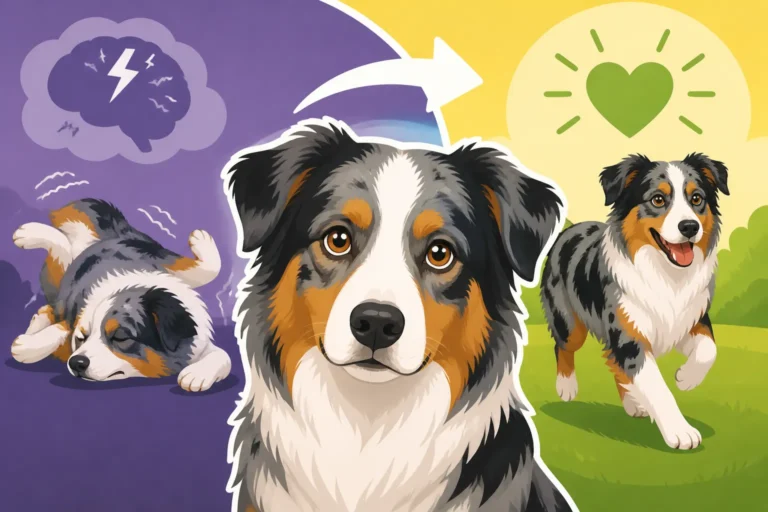
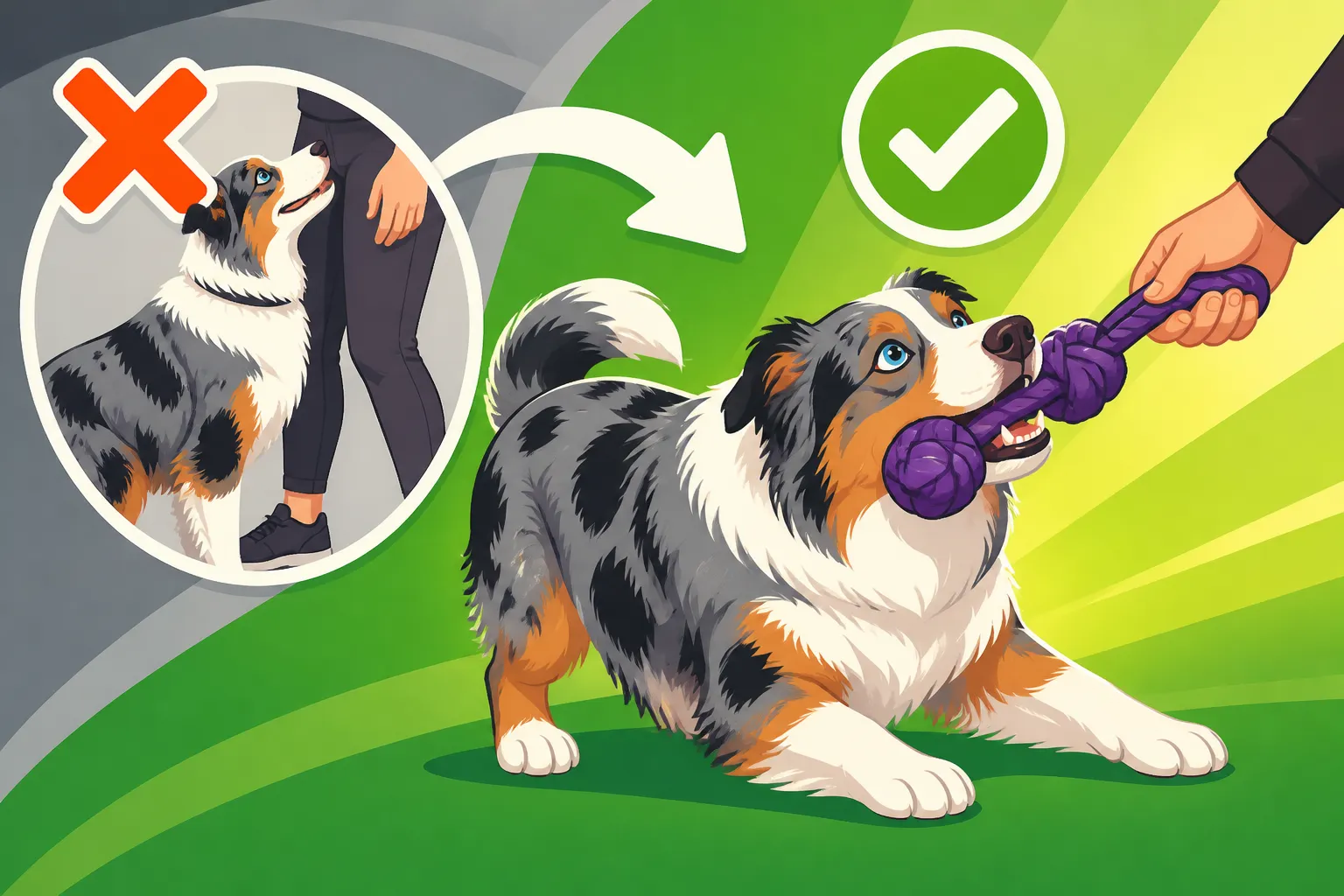
It’s a scenario many Australian Shepherd owners know all too well: you’re walking through your house, maybe just heading to the kitchen for a glass of water, and suddenly, you feel a sharp nip at your ankles or the back of your leg. That little land shark is at it again, trying to "herd" you, and while it might seem endearing at first, it quickly becomes frustrating and even painful. This guide is here to walk you through exactly how to redirect that powerful, innate herding drive in your Australian Shepherd from your heels onto a much more appropriate and fun outlet: a tug toy.
Understanding the Aussie Herding Instinct Behind the Nips
Before we can even begin to redirect this behavior, it's absolutely crucial to understand why your Australian Shepherd nips at your heels in the first place. This isn't naughtiness or defiance; it’s a deeply ingrained genetic predisposition, the very essence of what makes an Aussie an Aussie. They were bred for generations to move livestock, and that instinct is powerful.
The Genetic Blueprint for Herding
Australian Shepherds are master manipulators of movement. Their entire being is geared towards watching, stalking, chasing, and yes, nipping at the heels of animals to guide them. This isn't just a learned behavior; it's hardwired into their DNA. When they see you, a child, or even another pet moving, especially quickly, that instinct kicks in, screaming "herd!" It's a primal urge, and it's something you simply cannot train out of them entirely. The Australian Shepherd Herding Drive You Cannot Train Out explains this in more detail.
They’re not trying to be aggressive; they're attempting to control the "flock," which, in a household setting, is usually you. Imagine a working Aussie on a ranch, nipping at a sheep's hocks to get it to move where the shepherd wants. Now, picture that same instinct in your living room, applied to your unsuspecting ankles. It’s a natural, if inconvenient, expression of their breed. The frustration arises when we expect them to magically suppress this powerful instinct without providing an appropriate outlet.
When Nipping Becomes a Problem
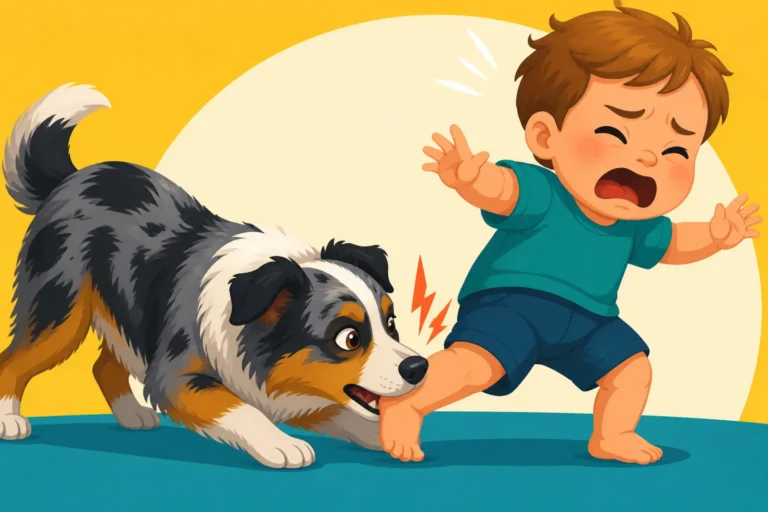
While a playful nip might seem harmless, it can escalate. For young puppies, it's often part of their natural exploration and play, but as they grow, those nips get stronger and faster. An excited Aussie, especially during playtime or when greetings are high-energy, can nip quite hard. This becomes a real issue when it's directed at children, who might be more prone to running and squealing, further triggering the herding response. An Australian Shepherd Nipping a Toddler's Ankles delves into specific strategies for that situation. It can also lead to torn clothing, bruised legs, and a general feeling of being constantly "managed" by your dog, which is not the relationship we want to foster. The key is to redirect this intensity, not suppress it.
Why a Tug Toy is the Ultimate Redirection Tool
So, why a tug toy? When faced with a dog that wants to grab and pull, a tug toy might seem counterintuitive. Won't it just encourage more grabbing? The answer is a resounding no, not if done correctly. Tug play, when taught and managed properly, is a highly effective, safe, and mutually rewarding outlet for that intense herding energy.
Satisfying the Aussie's Natural Urges Safely
Tug toys provide a legitimate "job" for your Aussie's mouth and body. Instead of them grabbing at your pants or ankles, they can engage their strong jaws, shake their heads, and pull with all their might on something appropriate. This simulates the sensation of grabbing and manipulating a "prey" item (or a sheep's leg, in their mind), without causing harm. It taps directly into their prey drive and herding instincts in a controlled, acceptable way. Think of it as giving them a legal outlet for their natural drives. Tug as a Legal Outlet for Aussie Herding Drive expands on this concept.
Furthermore, tug can be incredibly physically and mentally tiring for an Australian Shepherd. It engages their entire body, from their grip strength to their core muscles, and requires focus and impulse control. This makes it far more enriching than simply telling them "no" or trying to ignore the behavior. It’s about channeling that energy, not squashing it.
Building a Stronger Bond Through Play
Beyond just redirection, engaging in structured tug play can significantly strengthen the bond between you and your Australian Shepherd. When you become the source of exciting, fulfilling play, your dog views you as a partner, not just a dispenser of food or a moving target. It builds trust and mutual respect. This kind of interactive play teaches them that cooperating with you leads to great rewards.
It’s an activity that requires both of you to be present and engaged, fostering communication. You learn your dog's play style, their "tells" before they bite too hard, and they learn your signals for starting and stopping. This shared activity builds a positive association with your presence and touch, replacing the frustration of heel-nipping with joyful interaction.
Teaching Your Aussie to Play Tug Properly
Effective tug play isn't just about grabbing a rope and pulling. It's a structured activity with rules that teach your Aussie impulse control, respect, and when it’s appropriate to engage. Done right, it transforms a potentially problematic behavior into a fantastic training and bonding opportunity.
Introducing the Tug Toy and the "Take It" Cue
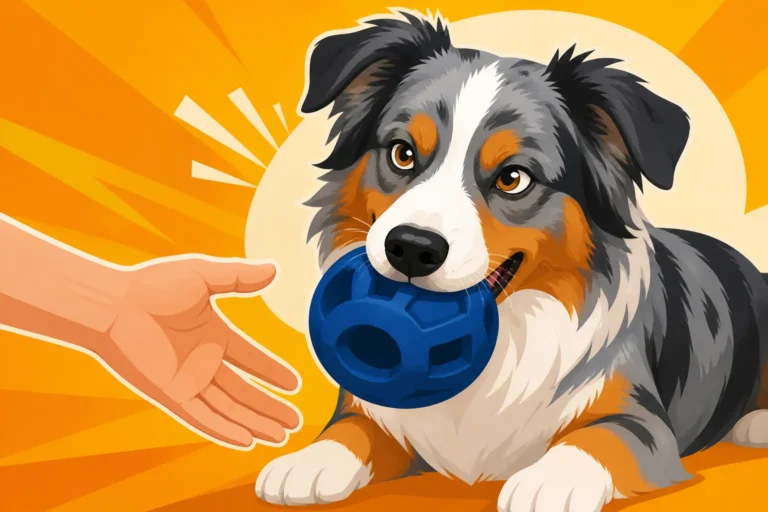
The first step is to introduce the tug toy as something incredibly exciting and valuable. Start with a dedicated tug toy – perhaps a durable fleece tug or a sturdy rope toy from somewhere like Amazon – that only comes out for tug sessions. Don't leave it lying around. When your Aussie is calm but attentive, present the toy, wiggling it enticingly. As soon as their mouth touches it or they show interest in grabbing it, enthusiastically say "Take it!" and let them grab hold. You might have to wiggle it a bit to encourage them. The moment they grip it, give a light tug.
Keep these initial sessions very short, just a few seconds of light tugging, and then release. The goal here is to build association: "Take it" means grab the toy and start playing. This isn't just about pulling; it's about making the toy the object of their desire, not your ankles. Consistency is key here; every time you present the tug, use the "Take it" cue.
Mastering the "Drop It" or "Out" Command
Equally, if not more important than "Take it," is teaching your Aussie to let go of the toy on command. This is crucial for control and prevents resource guarding. Start by playing tug for a few seconds. Then, stop tugging, hold the toy still, and present a higher-value treat to their nose (a tiny piece of cooked chicken or cheese works wonders). As their mouth opens to sniff the treat, say "Drop it!" or "Out!" (choose one and stick with it). The moment they release the toy, even to take the treat, praise them lavishly and give them the treat.
Repeat this many times in short bursts. Gradually, you can start requiring them to release the toy before you present the treat, holding the treat slightly away. The goal is for them to release the toy solely on your verbal cue, understanding that releasing the toy always leads to something even better, whether it's the treat, or the opportunity to play tug again shortly after. This teaches them impulse control and that you control the game, not them. A good online program like BAXTER & Bella often covers these foundational commands in their puppy curriculum, which can be invaluable.
Rules for Safe and Controlled Tug Play
Once your Aussie understands "Take It" and "Drop It," it’s time to establish clear rules for safe play.
- The Tug Toy Is Not for Mouthing You: If your Aussie accidentally nips your hand during play, or if they decide to redirect their tugging onto your arm, the game stops immediately. Say "Too bad!" or "All done!" and put the toy away for a few minutes. This teaches them that teeth on skin means the fun ends.
- You Initiate Play, and You End It: Always be the one to present the tug toy to start the game and be the one to put it away. This reinforces your leadership and control over the resource.
- Tug Is Only Played When Calm: If your Aussie is over-aroused, hyper, or already trying to nip your heels, tug is not the first solution. You need to get them to a calmer state first (perhaps with a few minutes of settling on their mat or a short walk) before initiating tug. This prevents the game from inadvertently fueling their over-arousal.
- No Jumping or Leaping: If your Aussie jumps up to grab the toy or leaps excessively, try to keep the toy lower to the ground. If they continue to jump, stop the game briefly. You want them to engage in a controlled, grounded way.
- Let Them "Win" Sometimes: Don't always keep the toy. Letting your Aussie "win" by pulling the toy away from you occasionally boosts their confidence and makes the game more rewarding. Just make sure they drop it on command afterward!
| Tug Toy Type | Pros | Cons | Best For |
|---|---|---|---|
| Fleece Tug | Soft on mouth, easy to grip, washable | Less durable for power chewers, can unravel | Puppies, soft mouths, indoor play |
| Rope Tug | Durable, good for dental health (flossing) | Can shred and be ingested, harder on hands | Stronger chewers, outdoor play, supervised only |
| Rubber Tug | Very durable, easy to clean, good grip | Can be hard on teeth, heavier | Heavy chewers, dogs needing intense tactile feedback |
| Bungee Tug | Adds spring, reduces jerk on dog/owner's arm | Can over-stimulate some dogs, more expensive | Energetic dogs, owners with joint issues |
Implementing Tug in Real-Life Heel-Nipping Scenarios
Now for the practical application: how do you actually use this training to stop those annoying heel nips? It comes down to consistent, immediate redirection and proactive management.
Interrupt and Redirect Immediately
The moment you feel those teeth near your ankle, or even see your Aussie winding up for a nip, interrupt the behavior with a clear, calm "Ah-ah!" or a sharp clap of your hands. The goal isn't to scare them, but to break their focus. Then, immediately present their designated tug toy with an enthusiastic "Take it!" and engage in a brief, vigorous game of tug. Australian Shepherd Puppy Biting and Herding Nips explores this redirection in early development.
The timing here is critical. You want to redirect before the nip happens, or the very second it starts, so your Aussie associates the urge to herd you with the opportunity to tug. If you wait too long, they've already gotten the "reward" of the nip, and the redirection will be less effective. This process teaches them, "Okay, that urge to grab means I should grab this instead!"
Proactive Play to Prevent Nipping
The best defense is a good offense. Instead of waiting for your Aussie to nip, anticipate when they are most likely to do so and offer tug play before the behavior starts. Are they always nipping when you first get home? As soon as you walk in the door, before they even get a chance to launch at your heels, grab the tug toy and initiate a game. Do they nip when guests arrive? Have the tug toy ready and engage them immediately.
This proactive approach teaches them that exciting situations mean tug time, not ankle-nipping time. It helps them build a new default behavior for high-arousal moments. Remember, Australian Shepherds are intelligent and thrive on having a job. Giving them the "job" of tugging with you in these moments satisfies their drive and redirects their energy positively. This is part of Giving an Australian Shepherd a Job Instead of a Walk, where mental engagement is just as important as physical.
Consistency Across All Family Members
For this strategy to truly stick, everyone in the household must be on the same page. If one person allows the nipping or doesn't follow through with the tug redirection, your Aussie will get mixed messages, and the behavior will persist. Hold a family meeting and ensure everyone understands the "Take it" and "Drop it" commands, the rules of tug play, and the importance of immediate redirection.
This consistency extends to other dogs in the house too. If your Aussie tries to herd other pets, you might need to manage those interactions more closely and still redirect them to a tug toy. The more uniform the response from their human "flock," the faster your Aussie will learn the new rules of engagement.
Troubleshooting Common Tug Play Issues
Even with the best intentions, you might run into some bumps along the road. Tug play, like any training, sometimes requires adjustments. It's important to remember that every dog is an individual.
When Your Aussie Won't Engage or Drops the Toy Too Soon
Sometimes, an Aussie might be reluctant to play tug or might drop the toy after just a moment. If your Aussie isn't engaging, make the toy more exciting. Wiggle it, drag it on the ground like prey, make high-pitched noises. Be genuinely enthusiastic! If they drop it too soon, it might be that your previous "Drop it" training was too focused on taking the toy away, making them hesitant to hold on.
Try making the game more rewarding. Let them "win" frequently, or follow up a successful tug sequence with a really high-value treat. Ensure the toy itself is appealing – some Aussies prefer softer fleece, others love a tough rubber. Experiment with different types of tugs from places like Amazon to see what sparks their interest. The goal is to make tugging with you the most fun thing ever.
When Your Aussie Gets Over-Aroused During Tug
The opposite problem can also occur: your Aussie gets too excited, starts growling aggressively, or nips hard during play. This means they've crossed the line from healthy play to over-arousal. The game should stop immediately. Say "All done!" in a calm, firm voice, and put the toy away. Give them a few minutes to settle down.
When you resume, keep sessions much shorter and lower intensity. Focus heavily on the "Drop it" command to ensure you have control. Introduce pauses during play, where you stop tugging and ask for a "sit" or "down" before resuming. This teaches them to manage their arousal and that calm behavior leads to continued play. If this is a persistent issue, you might need to work on general Australian Shepherd Reactivity and Overarousal with a professional trainer.
Resource Guarding the Tug Toy
If your Aussie starts guarding the tug toy, growling or snapping when you try to take it, it’s a serious issue that needs immediate attention. This means they view the toy as theirs and are not comfortable with you taking it. This is usually a sign that the "Drop it" command hasn't been adequately proofed or that the game hasn't been fair (i.e., you always win).
Go back to basics with "Drop it," always rewarding generously when they release the toy. Make sure you are always the one to offer the toy, and you are always the one to put it away. If the resource guarding is severe, especially if it involves aggressive displays, consult with a certified professional dog trainer or behaviorist immediately. This is not a behavior to ignore or try to fix without expert guidance.
Beyond Tug: A Holistic Approach to Managing Herding Drive
While tug is an incredible tool, it’s just one piece of the puzzle. Managing an Australian Shepherd’s strong herding drive and preventing heel-nipping requires a comprehensive approach that addresses their physical, mental, and emotional needs.
Providing Ample Mental and Physical Exercise
An under-exercised Aussie is a bored Aussie, and a bored Aussie will find its own (often destructive) ways to entertain itself, including heel-nipping. Australian Shepherds need much more than just a walk around the block. They require substantial daily physical exercise, often 1-2 hours, but more importantly, they need mental stimulation. How Much Daily Exercise an Australian Shepherd Needs gives a good overview of their physical requirements.
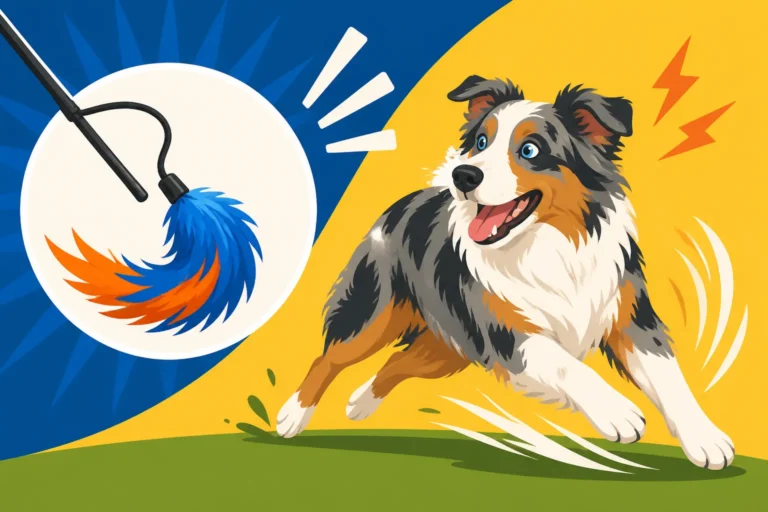
Incorporate activities like fetch, flirt pole play, hiking, or even running alongside a bicycle (once they are mature enough and properly trained). But don't forget the brain games! Puzzle toys, scent work, trick training, and obedience sessions are crucial for tiring out that intelligent mind. Mental Work That Actually Tires an Australian Shepherd offers many ideas. A mentally fulfilled Aussie is far less likely to resort to undesirable behaviors like nipping.
Teaching an "Off Switch" and Self-Regulation
Many Aussies struggle with an "off switch" – they get revved up and have trouble settling down. Teaching your Aussie to self-regulate is a vital skill. This involves mat training, where they learn to go to a designated spot and relax, even amidst activity. Practice "settle" commands in various environments.
Enforced naps for puppies can also be extremely helpful, as overtired puppies often become nippy and unruly. For adult dogs, structured downtime in a crate or on a comfortable bed with a chew toy can help them learn to calm themselves. The goal is to teach them that there's a time for high-energy play and a time for quiet relaxation.
Consulting with a Professional Trainer
If you’ve consistently applied these techniques and are still struggling with heel-nipping, or if the behavior is escalating into genuine aggression, it’s time to call in a professional. Look for a certified professional dog trainer (CPDT-KA) or a certified dog behavior consultant (CDBC) who has experience with herding breeds. They can assess your specific situation, observe your dog's behavior, and provide personalized guidance and a tailored training plan.
Sometimes, underlying issues like anxiety, pain, or medical conditions can contribute to behavioral problems. A qualified professional can help rule these out and ensure you're addressing the root cause. Don't be afraid to seek help; it's a sign of a responsible owner committed to their Aussie's well-being.
Disclaimer
This article is for general informational purposes only and does not constitute professional advice. Laws, prices and regulations vary by location and change over time. Consult a qualified professional for guidance on your specific situation.