Whether a Pet Aussie Can Learn to Herd
It’s a common scenario: you watch your Australian Shepherd intently staring at squirrels, circling your children in the yard, or even trying to "herd" the vacuum cleaner, and you can’t help but wonder if there’s a way to channel that powerful, inborn drive. Many pet Aussie owners ask if their beloved companion, who may have never seen a sheep in their life, can actually learn to herd. This guide will dive deep into that very question, exploring the nuances of instinct versus training, and how you can tap into your Aussie's ancient heritage, even without a flock of your own.
Understanding the Australian Shepherd's Herding Drive
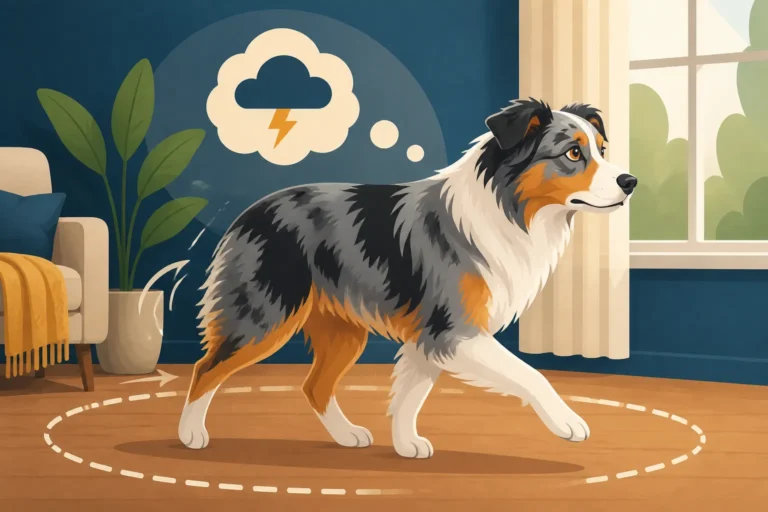
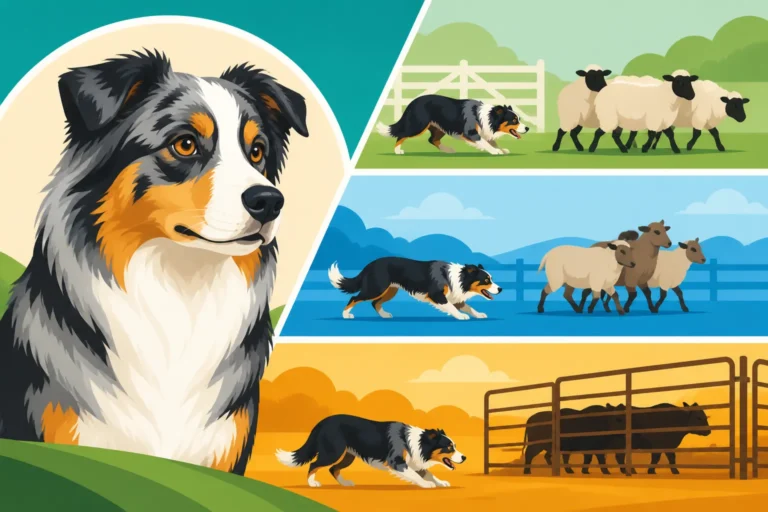
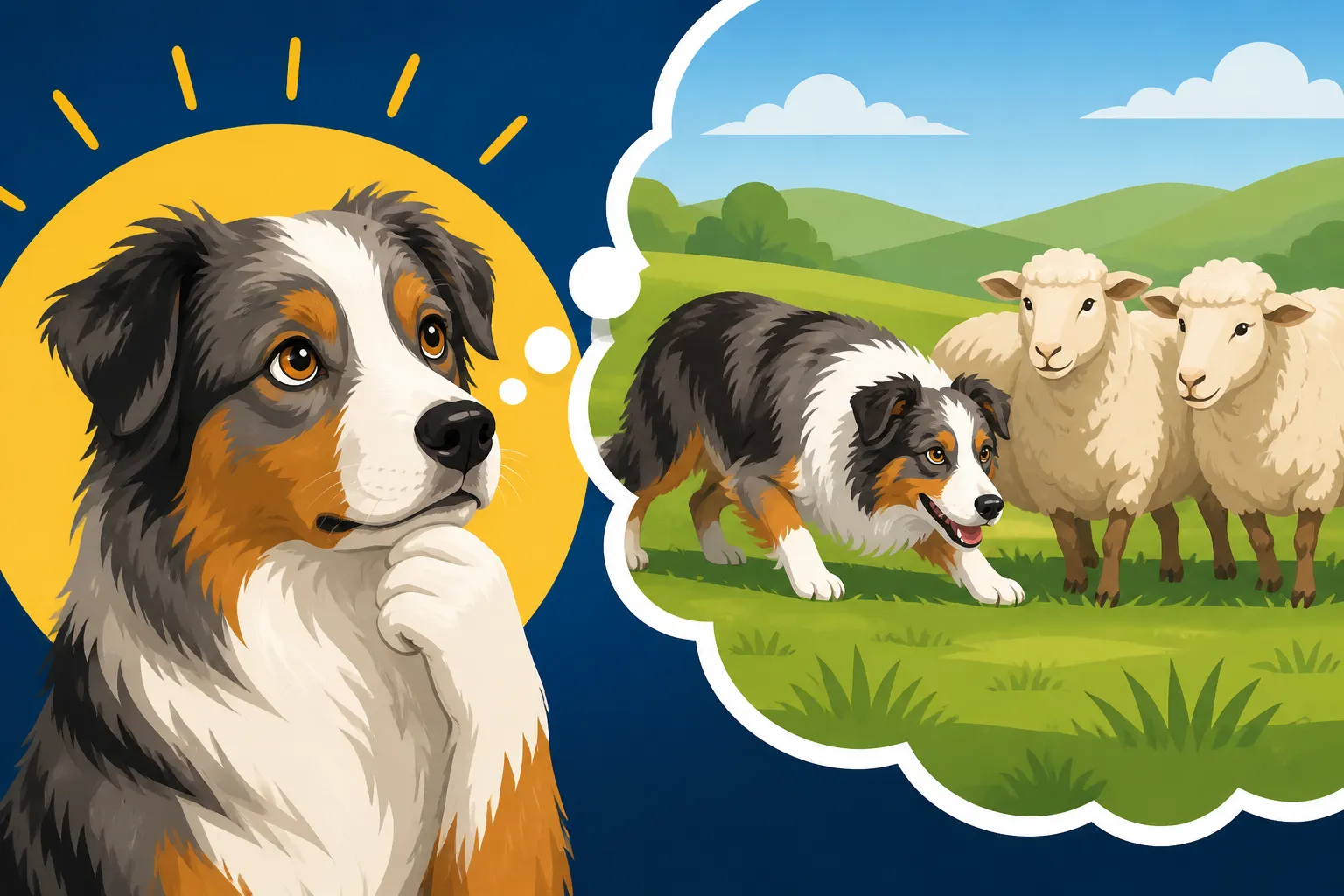
Let's be real, the Australian Shepherd wasn't bred to sit on a couch. They were developed to work livestock, and that deep-seated instinct to gather, move, and control animals is wired into their very DNA. When you see your Aussie trying to "organize" everything from your kids to the neighbor's cat, you're witnessing generations of selective breeding at play. It's not a flaw; it's their purpose.
Instinct vs. Training
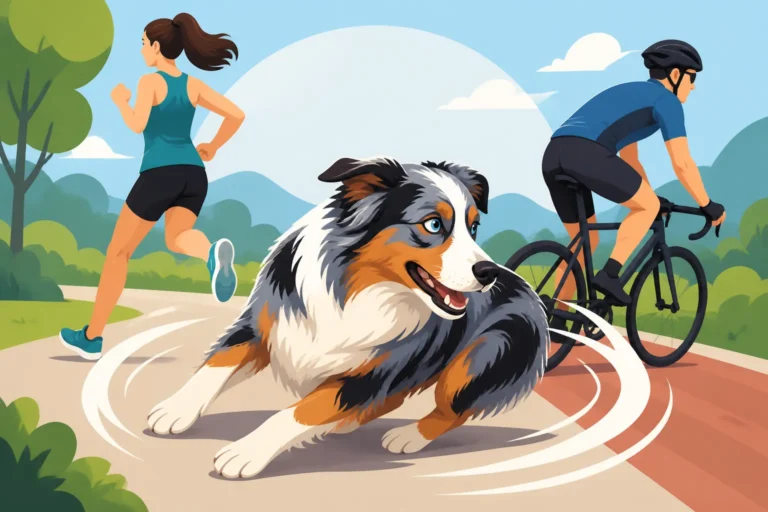
Every Australian Shepherd possesses some level of herding instinct. This is the raw, unrefined desire to move things, to maintain order within a group, and to respond to movement. You can't "train in" instinct if it's not there, but with an Aussie, it absolutely is there. What you can train is how that instinct is applied. Think of it like a natural artist: they have an innate talent, but they still need to learn techniques, control their medium, and understand composition to create masterpieces. Similarly, your Aussie has the raw talent, and training provides the framework and communication for them to express it in a controlled, useful way. Without proper guidance, that instinct can manifest as Australian Shepherd heel nipping and how to redirect it or An Australian Shepherd herding children in the yard, which is often frustrating for owners.
The strength of this instinct can vary wildly from dog to dog, even within the same litter. Some Aussies are "born broke," meaning they have a natural finesse and understanding of how to work stock from an early age, needing minimal correction. Others might be "strong-eyed" and intense, needing a lot of guidance to temper their drive and learn to work calmly. Then there are those who might have the drive, but lack the natural "feel" for stock, making formal herding a greater challenge. It's never about whether they have the instinct, but how strong it is and how easily it can be shaped.
The Difference Between Pet Herding and Working Herding
It's crucial to understand that "pet herding" often looks very different from "working herding." A rancher's working dog needs to move livestock efficiently, safely, and independently, often over vast areas, responding to subtle cues and making split-second decisions. Their job directly impacts the livelihood of the farm. For a pet Aussie, learning to herd usually involves structured classes, often using a small group of docile sheep or ducks, focusing on developing control, communication, and confidence. It's more about sport and mental enrichment than practical farm utility.
The goals are different. For a working dog, it's about getting the job done. For a pet, it's about engaging their brain, building a stronger bond with their owner, and providing an appropriate outlet for their inherent drives. You're not aiming to turn your dog into a full-time farm hand; you're offering them a chance to fulfill a genetic blueprint in a safe and fun environment. This distinction is important because it sets realistic expectations for both you and your dog. Many owners find immense satisfaction in seeing their dog "light up" when they finally get to interact with stock, even if it's just for short, controlled sessions.
How to Introduce Herding Concepts to Your Pet Aussie
So, you're convinced your Aussie has the herding bug, and you want to give them an appropriate outlet. Great! The journey often starts long before they ever see a real sheep, by building foundational skills that translate directly into herding work.
Starting with Basic Impulse Control and Focus
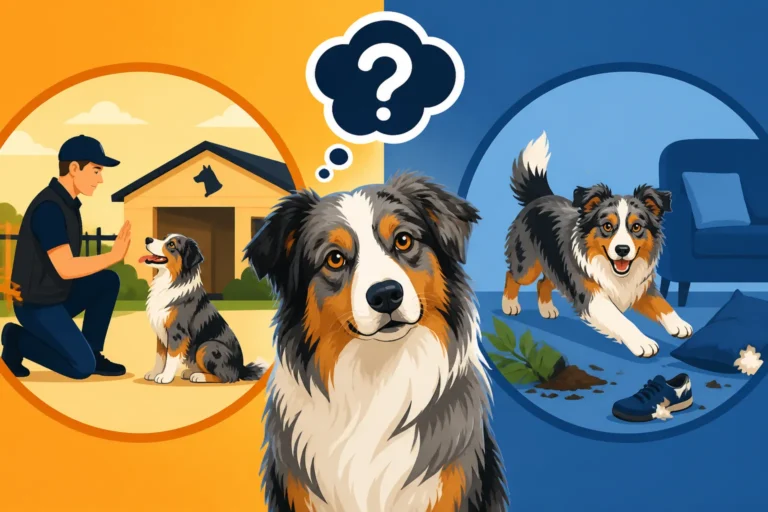
Before any dog, pet or working, can effectively herd, they need to understand basic obedience and, more importantly, have excellent impulse control and focus on their handler. Imagine trying to direct a whirlwind—it’s impossible! Herding is all about control, and that control starts with you. Your Aussie needs to be able to stop, stay, come when called (especially Australian Shepherd recall around moving things), and pay attention to your cues even when there are tempting distractions.
Programs like BAXTER & Bella offer excellent online resources for building this foundation from puppyhood or with an adult dog. They focus on positive reinforcement and clear communication, which are vital for any dog sport, including herding. Work on commands like "leave it," "wait," and a rock-solid recall. Teach them to settle on a mat, even when exciting things are happening around them. These aren't just polite manners; they are the bedrock of being able to communicate with your dog when they are in a high-drive state, like when presented with livestock. Without these basics, a high-drive Aussie can quickly become overstimulated and ineffective, simply chasing rather than working.
Utilizing Herding Balls and Toys
If access to livestock isn't immediately available, or if your Aussie is still too young for formal stock work (most trainers prefer dogs to be at least 6-12 months old, depending on maturity and drive), you can still tap into their herding instincts with specific toys. Herding balls, also known as Treibball balls or exercise balls, are fantastic for this. These are typically large, durable plastic balls that your dog can push, chase, and "herd" using their nose and body.
The goal isn't just mindless chasing; it's about teaching them to control the ball. You can set up simple cones or obstacles and encourage them to move the ball from one point to another. This engages their brain and teaches them directional cues, all while having a blast. Many of these specialized toys can be found on Amazon, making them easily accessible. A flirt pole can also be a wonderful tool for channeling prey drive into a controlled game, helping them learn to chase and release on command, which mimics the stop-and-start nature of herding. These activities help satisfy the intrinsic desire to move objects, which is a core component of the herding instinct.
Finding a Herding Instinct Test
The best way to truly gauge your pet Aussie's herding potential is to find a facility that offers a herding instinct test. These aren't just for serious competitors; they're open to any breed with herding lineage. During an instinct test, your dog is typically introduced to a small group of very calm, well-dogged sheep or ducks in a controlled pen. A skilled trainer observes your dog's natural reactions: do they show interest? Do they try to gather? Do they circle? Do they nip? Do they try to "head" the stock (move to the front) or "heel" (move from behind)?
The purpose of the test is not to evaluate obedience, but to see if the instinct is present and how it manifests. A good facility will have experienced handlers who can interpret your dog's behavior and give you an honest assessment. They can tell you if your dog has enough natural talent and interest to pursue formal herding lessons. It's often an incredibly enlightening experience for owners, revealing a side of their dog they've never seen before. Seeing your Aussie’s eyes light up and their body language change as they engage with stock can be truly magical. It’s a moment where their genetics truly shine through. Getting an Australian Shepherd herding instinct tested is a great first step.
What to Expect from Pet Herding Lessons
Once you've determined your Aussie has the instinct and you've built a solid foundation of basic training, the next step is often formal herding lessons. This is where the real fun, and the real work, begins.
The Role of a Qualified Instructor
You absolutely cannot do this alone. Herding livestock is complex and requires specialized knowledge, not just of dog training, but of animal behavior and safety. A qualified herding instructor is indispensable. They have years of experience reading both dogs and livestock, understanding how to introduce your dog safely to sheep or ducks, and guiding you on how to communicate effectively. They will know how to build your dog's confidence without letting them get overaroused or aggressive.
Look for instructors who use positive, motivational methods and prioritize the safety and well-being of both the dog and the stock. They should be able to explain their training philosophy clearly and demonstrate how they work with other dogs. A good instructor understands that pet owners aren't usually aiming for national championships, but rather for a fulfilling and safe experience that channels their dog's natural abilities. They will help you learn the subtle body language cues, the timing of your commands, and how to become an effective partner with your dog in the arena. They'll also teach you about What happens at an Aussie herding instinct test and how to progress.
Safety First: Livestock and Your Aussie
Safety is paramount in any herding activity. Livestock, even docile sheep, are living, breathing animals that can react unpredictably. Your dog's instinct needs to be tempered with control to prevent injury to the stock, the dog, or yourself. A good instructor will ensure that the stock used for beginners is calm and experienced with dogs. They will teach you how to read the stock's body language and recognize signs of stress.
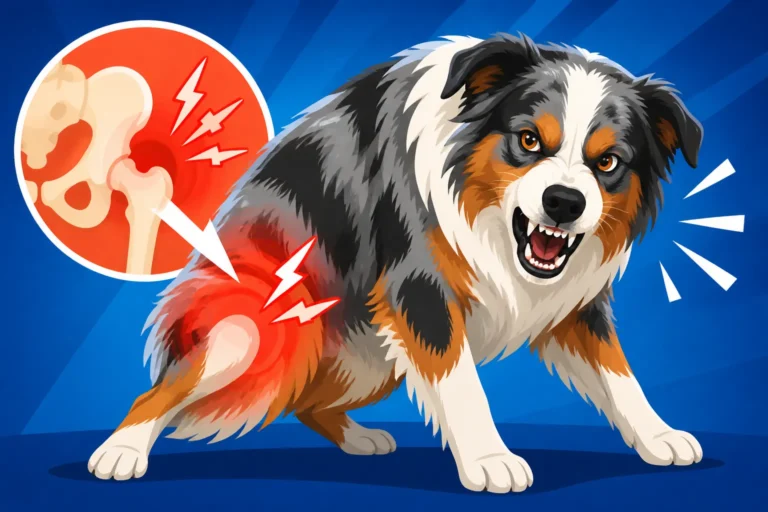
Furthermore, your dog's physical health needs to be considered. Herding can be physically demanding, with quick turns, stops, and bursts of speed. Ensure your Aussie is in good physical condition and has no underlying health issues that could be exacerbated by intense physical activity. This is particularly important for a breed prone to joint issues like Australian Shepherd Hip Dysplasia and Working Joints. Always consult your vet if you have any concerns. The goal is enriching mental and physical exercise, not putting anyone at risk. You'll learn how to approach the stock, how to use your body to direct your dog, and when to step in and prevent undesirable behaviors like hard biting or rough treatment of the animals.
The Joy of Tapping into Instinct
There's an undeniable magic in watching an Australian Shepherd truly engage with livestock, responding to their innate calls. It's like witnessing a historical echo, a direct link to the purpose for which they were created. For many owners, it's incredibly rewarding to see their dog's full potential unlocked. The intense focus, the intelligent decision-making, and the sheer joy your Aussie displays when "working" can be profoundly moving.
Even if you only participate in a few sessions, the experience offers unparalleled mental stimulation for your dog and strengthens the bond between you. You'll learn to communicate in a way that taps into their deepest drives, fostering a connection built on mutual understanding and respect. It's a fantastic way to fulfill your Aussie's need for a "job" and can drastically improve their overall contentment and behavior at home. It truly offers a unique glimpse into the soul of your Australian Shepherd.
Realistic Expectations and Alternative Outlets
While the idea of your pet Aussie becoming a herding sensation is exciting, it's important to approach this journey with realistic expectations. Not every dog will excel, and that's perfectly okay.
Not Every Aussie is a Natural Born Stockdog
As much as we love our Aussies, and despite their strong herding lineage, not every individual will be a "natural" on stock. Some might show strong interest but lack the natural "feel" or patience required. They might be too intense, too soft, or simply not grasp the concept of working with a human to control stock. Others might find the pressure too much, or simply not enjoy it as much as other activities. It's okay if your dog tries it and decides it's not their cup of tea.
The key is to observe your dog, listen to your instructor, and prioritize your dog's enjoyment and well-being. Don't push them into something they don't enjoy just because "they're an Aussie." The goal is enrichment, not forcing a square peg into a round hole. Celebrate their effort and look for what does make them happy. Even if they don't become the next champion stockdog, the experience of trying can still be valuable.
Other Sports That Satisfy the Herding Brain
If formal herding isn't a fit for your pet Aussie, or if it’s simply not accessible, there are many other dog sports and activities that can provide similar mental and physical stimulation, tapping into that intelligent, problem-solving herding brain. Aussies excel in activities that require teamwork, agility, and strategic thinking.
Consider these alternatives:
- Agility: This fast-paced sport involves navigating an obstacle course with jumps, tunnels, weaves, and seesaws. It requires incredible focus, athleticism, and a strong bond between dog and handler. Your Aussie's quick thinking and desire to please make them excellent candidates.
- Obedience and Rally: These sports focus on precision, responsiveness, and consistent execution of commands. Rally adds a fun, flowing element to obedience. They build communication and control, essential for any Aussie.
- Disc Dog / Freestyle: For Aussies with a strong retrieve drive, disc dog competitions (Frisbee!) are a fantastic outlet for their boundless energy and athleticism. Freestyle dancing with your dog also utilizes their intelligence and desire to work with you.
- Scent Work / Nose Work: This is perhaps one of the most mentally taxing and rewarding sports for any dog. It taps into their natural scenting abilities, requiring focus, problem-solving, and independence. Your Aussie's intense focus can make them exceptional at finding hidden odors.
- Treibball: As mentioned earlier, Treibball involves herding large exercise balls into a goal. It's a wonderful, low-impact way to practice herding concepts without actual livestock. You can set up simple courses in your backyard using items found on Amazon.
- Puzzle Feeders and Enrichment Toys: For daily mental exercise, puzzle feeders and interactive toys are invaluable. They make your Aussie "work" for their food, engaging their brain and preventing boredom. Puzzle feeders that slow an Australian Shepherd can be a great investment.
The most important thing is to give your Australian Shepherd a "job" that challenges them both physically and mentally. Whether that's moving sheep, soaring over agility jumps, or meticulously sniffing out a hidden treat, channeling their innate drive is key to a happy, well-adjusted pet Aussie. Their strong desire to work and learn means they thrive when given purpose.
| Activity Type | Engages Herding Instinct Directly? | Mental Stimulation Level | Physical Exertion Level | Accessibility |
|---|---|---|---|---|
| Formal Herding | Yes (with livestock) | Very High | High | Limited |
| Treibball/Herding Ball | Yes (ball as "stock") | High | Moderate | High |
| Agility | No | High | Very High | Moderate |
| Scent Work/Nose Work | No | Very High | Low to Moderate | High |
| Obedience/Rally | No | Moderate to High | Low | High |
| Disc Dog | No | Moderate | Very High | Moderate |
| Puzzle Feeders | No | Moderate | Low | Very High |
Disclaimer
This article is for general informational purposes only and does not constitute professional advice. Laws, prices and regulations vary by location and change over time. Consult a qualified professional for guidance on your specific situation.