An Aussie’s First Agility Class
Bringing an Australian Shepherd to their very first agility class is an exciting milestone, often dreamt about from the moment you first brought your spirited puppy home. But let's be real, it can also feel a little daunting. You've got this super-smart, high-energy dog, and you want to channel all that amazing drive into something productive and fun, but how exactly does that first step into the world of tunnels, jumps, and teeters even work? This guide is here to walk you through exactly what to expect, how to prepare, and how to make that inaugural agility experience a roaring success for both you and your eager Aussie.
Understanding Your Aussie's Agility Potential
When you look at your Australian Shepherd, you're not just seeing a pretty face with striking eyes; you're seeing a canine athlete, a thinking partner, and a dog whose very essence is tied to working alongside a human. Agility is practically tailor-made for this breed, tapping into their deepest instincts and providing an incredible outlet for their boundless energy and sharp minds.
Natural Drive and Instincts for the Course
Let's face it, Aussies weren't bred to sit on the couch all day, no matter how much we wish they would sometimes! Their heritage is in herding livestock, a job that demands quick decisions, incredible athleticism, and an unwavering focus on their handler. This inherent drive translates beautifully onto the agility course. That intense desire to gather and move, to follow directions precisely, and to anticipate your next move is exactly what makes them so good at weaving through poles and flying over jumps. You'll often see that same focus they'd apply to a flock of sheep, now directed at a row of hurdles or a tunnel entrance. Understanding The Australian Shepherd Herding Drive You Cannot Train Out is key to appreciating why agility clicks so well for them. It’s not just physical; it's deeply mental.
Temperament for Teamwork
Agility isn't a solo sport for the dog; it's a partnership. And if there's one thing an Australian Shepherd excels at, it's forming an incredibly strong bond with their chosen human. Their loyalty is legendary, and this connection is the bedrock of success in agility. They want to work with you, to please you, and to engage in a shared activity that strengthens your relationship. This isn't just about obedience; it's about dynamic, in-the-moment communication. Your Aussie is constantly reading your body language, your subtle cues, and even your mood. This deep understanding makes them incredibly responsive on the course, turning what might be simple commands into a fluid dance between dog and handler. Their inherent Australian Shepherd Loyalty to One Person shines brightest in these collaborative sports.
Physical Attributes for Peak Performance
From their well-muscled hindquarters built for propulsion to their keen eyesight and quick reflexes, Australian Shepherds are physically engineered for agility. They possess a natural balance that allows them to navigate narrow planks and elevated surfaces with grace, and their speed is a huge asset for competitive times. While you might not be thinking about winning gold medals on day one, it's comforting to know your dog has the physical toolkit for the job. Their medium size and athletic build are perfect for quick turns and powerful leaps. However, it's always crucial to consider their physical development, especially when they're young. We always advocate for waiting until their Australian Shepherd Growth Plates and When They Close before engaging in intense jumping or repetitive impact activities to protect their developing joints.
What to Expect in a First Agility Class
Stepping into that first class can feel a bit like walking into a secret club, but I promise, it's far less intimidating than it seems! Introductory agility classes are all about building a solid foundation, ensuring safety, and making sure both you and your Aussie have a blast.
Introductory Structure and Building Blocks
Forget seeing your dog fly through a full course on day one. Beginners' agility classes are focused on breaking down each obstacle into manageable steps. You'll spend a lot of time on "shaping" behaviors, which means rewarding small approximations of the desired action. For instance, instead of asking your dog to run through a tunnel, you might first reward them for looking at it, then for stepping into the entrance, then for taking a few steps in, and eventually for zipping all the way through. This methodical approach builds confidence and ensures your dog understands what's being asked. It's about positive reinforcement, patience, and celebrating every tiny victory. Your instructor will guide you through exercises designed to build your dog's confidence on various surfaces and around different equipment.
Common Obstacles Introduced Slowly
In a first agility class, you're likely to encounter a selection of fundamental obstacles, always introduced at a low height or with modifications for safety.
- Tunnels: These are often the first "win" for many dogs. They’re fun, fast, and relatively easy for dogs to understand. You'll start with short, straight tunnels, gradually increasing length and adding gentle bends as your dog gains confidence.
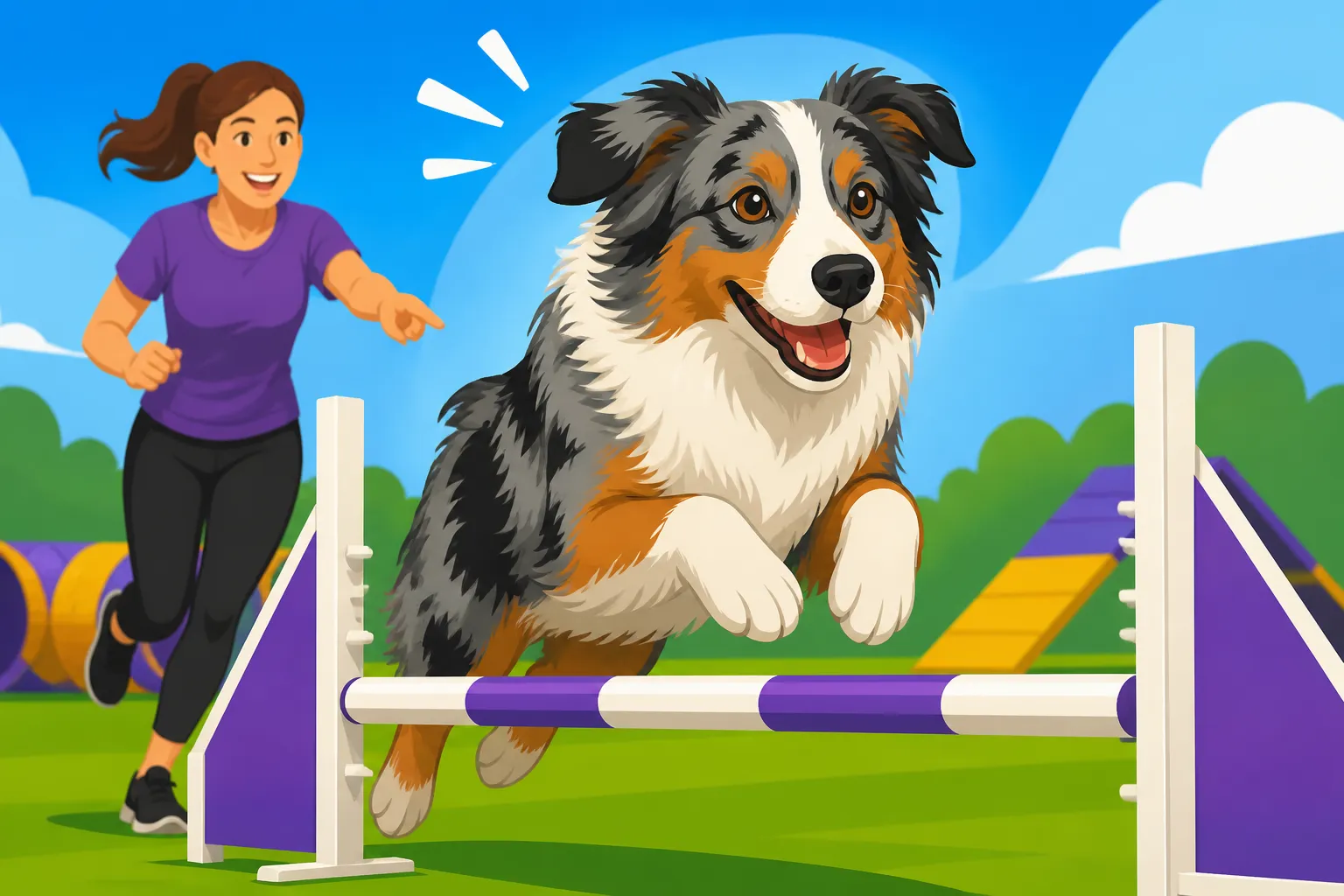
- Jumps: Initially, these will be set very low, often just poles on the ground, or a single bar at ankle height. The focus is on teaching your dog to go over the bar, not around it, and to understand your cues for taking the jump.
- Contact Obstacles (A-frame, Dog Walk, Teeter-Totter): These are introduced with extreme caution and at minimal height. The key here is teaching "contact behavior"—that your dog must touch the yellow contact zones at the start and end of the obstacle. For example, a teeter-totter might start almost flat on the ground, just getting your dog used to the slight shift in weight, building up to the full seesaw motion very gradually. Safety is paramount, especially with obstacles like the teeter-totter that require precise timing and balance.
Handler Skills and Communication
News flash: agility is as much about the human as it is about the dog! You'll be learning just as much, if not more, than your Aussie. Instructors will focus on teaching you:
- Body Language: How your posture, arm movements, and even eye contact guide your dog.
- Verbal Cues: Clear, consistent commands for each obstacle and direction.
- Timing: When to reward, when to cue, and when to just let your dog figure it out a bit.
- Course Reading: Learning to look ahead, plan your path, and guide your dog efficiently.
Mastering these handler skills is crucial. Your dog relies on you to be their compass on the course. A strong, reliable Australian Shepherd Recall Around Moving Things is absolutely vital, not just for safety in class, but for executing complex turns and sequences.
Navigating the Class Environment
Agility classes are typically held in a group setting, which means other dogs, new people, and plenty of exciting smells and sounds. For an Australian Shepherd, this can be a blessing and a curse. Their innate curiosity and desire to work can sometimes be overshadowed by overarousal or distraction. Your instructor will help you manage your dog's focus. It's common for Aussies to start with high excitement, sometimes barking or "herding" other dogs (or even you!) in their enthusiasm. Learning to settle them, maintain their focus on you, and work through distractions is a big part of the initial training. Patience and consistency are your best friends here.
Getting Ready for Agility: Training and Gear
Before you even step paw into that first class, there are a few things you can do to set yourself and your Australian Shepherd up for success. It's not just about physical readiness; mental preparedness and having the right tools are equally important.
Foundational Training Before Class
Agility isn't just about speed and jumping; it's built on a foundation of basic obedience and a strong working relationship. Before signing up for a class, ensure your Aussie has:
- Solid Recall: This is non-negotiable for safety in an open environment and crucial for sending your dog ahead or calling them off an obstacle.
- Reliable Sit, Stay, Down: These commands are essential for waiting at the start line, holding position during instruction, and managing your dog around other equipment and participants.
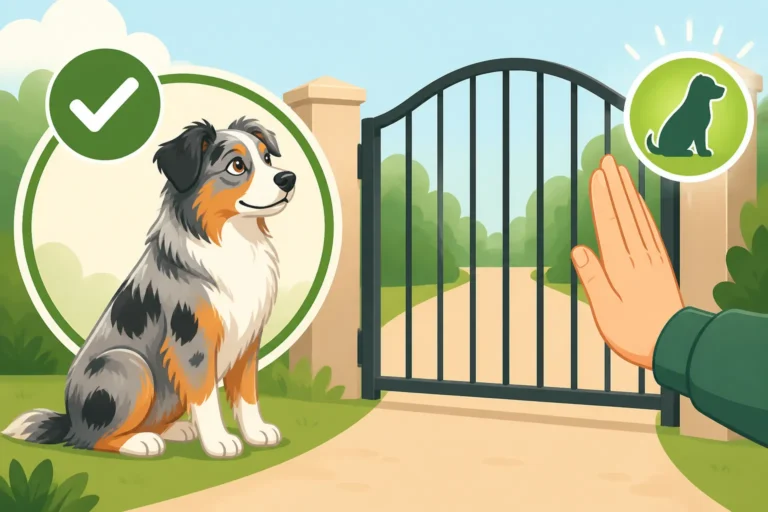
- "Wait" and "Release" Cues: Teaching your dog to wait patiently for your cue, then releasing them to move, builds incredible self-control and sets them up for success at the start of an agility course.
- Focus in Distraction: Practice these commands in various environments with increasing distractions. This might mean working on a "down-stay" while other dogs are playing nearby, or practicing recall when there are interesting smells.
Many of these foundational skills are covered in basic obedience or puppy classes, much like what's outlined in The Aussie Puppy Curriculum Month by Month. A well-behaved dog is a happy and safe agility dog.
Essential Gear for Agility
You don't need fancy equipment to start, but a few basics will make your first class much smoother.
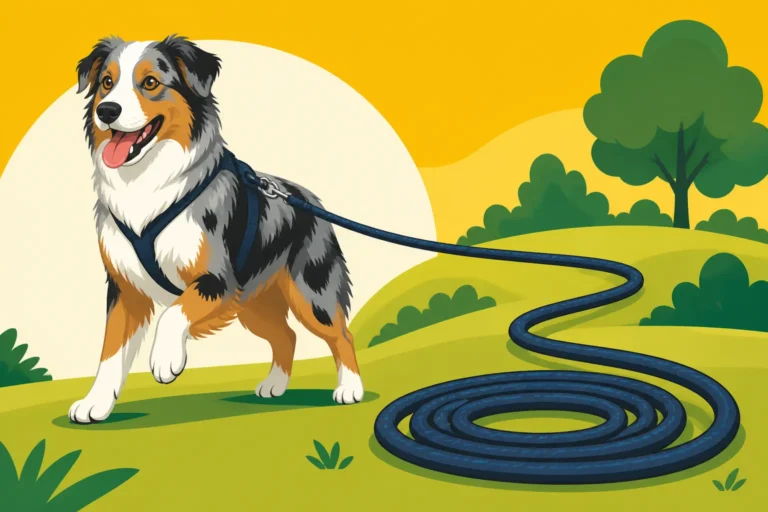
- Leash and Collar/Harness: A standard 6-foot leash and a flat buckle collar or a well-fitting, comfortable harness are perfect. Avoid retractable leashes as they don't offer enough control. You might even find a longer line useful for practice at home; Amazon has a fantastic selection of durable long lines that can really help with recall and distance work.
- High-Value Treats: These are crucial for motivation and reward. Think small, soft, super-tasty treats that your dog rarely gets otherwise – cooked chicken, cheese, or specialized training treats are often winners. You'll need lots of them!
- Favorite Toy: A tug toy or a squeaky ball can be an excellent reward, especially for Aussies who might be more toy-motivated than food-motivated, or as a way to burn off a little extra energy.
- Water and Bowl: Agility is hard work, and your dog will get thirsty. Always bring plenty of fresh water.
- Poop Bags: A given for any outing with your dog, but worth mentioning for a busy class environment.
Pre-Class Practice at Home
You don't need actual agility equipment to start preparing your Aussie. Simple body awareness exercises can be done right in your living room or yard:
- "Go Around" Games: Teach your dog to go around objects (a chair, a tree) on cue. This builds directional understanding.
- "Crawl": Get them used to moving low to the ground.
- Balance Work: Walk them over varied surfaces (cushions, low steps) to improve proprioception.
- Basic Handler Movement: Practice running with your dog on your left and right sides, making turns, and stopping quickly.
Online training platforms, such as those offered by BAXTER & Bella, can also provide excellent resources for building these fundamental skills at home, ensuring a smooth transition to an in-person class.
Warm-up and Cool-down: Crucial for Canine Athletes
Just like human athletes, dogs need to warm up before exercise and cool down afterward. This is especially true for a high-impact sport like agility.
- Warm-up: A brisk 5-10 minute walk, some gentle stretching (if your dog is comfortable with it), and a few basic obedience commands to get their muscles primed and their mind engaged. This helps prevent injuries and gets them focused on you.
- Cool-down: A slower 5-10 minute walk after class allows their heart rate to come down, and muscles to relax. This is a great time for some quiet praise and gentle petting. Remember, Aussies are prone to Australian Shepherd Hip Dysplasia and Working Joints later in life, so being mindful of joint care from the beginning is paramount.
| Obstacle Type | Example Obstacles | Primary Skill Taught | Benefits for Your Aussie |
|---|---|---|---|
| Jumping | Single Jump, Broad Jump | Speed, Height, Directional Control | Builds muscle, improves coordination, teaches focus on handler |
| Contact | A-Frame, Dog Walk, Teeter | Confidence on elevated/moving surfaces, Contact Zones | Develops balance, self-control, mental fortitude |
| Weaving | Weave Poles | Body awareness, Independent working, Sequential thinking | Boosts coordination, problem-solving, handler independence |
| Tunnels | Open Tunnel, Chute | Speed, Confidence in enclosed spaces, Handler trust | Releases energy, builds drive, fun! |
Common Challenges and How to Overcome Them
Starting agility is incredibly rewarding, but it's rarely without its little bumps in the road. Aussies, with all their wonderful traits, can present unique challenges. Knowing what to expect and how to approach them will make the journey much smoother.
Managing Overarousal and Excitement
An Australian Shepherd's enthusiasm for a new, exciting activity can sometimes tip into overarousal. They might bark excessively, zoom around uncontrollably, or get so hyped they can't focus. This is a very real thing with this breed; their drive is immense. When you see signs of Australian Shepherd Reactivity and Overarousal in an agility class, it's essential to intervene calmly.
- Structured Breaks: Take frequent, short breaks away from the action. A quick potty break, a few minutes to just sit and observe from a distance, or a calming sniff walk can help bring their energy levels down.
- Calming Cues: Work on "settle" or "find your mat" cues at home and bring them into the class. Reward calm behavior heavily.
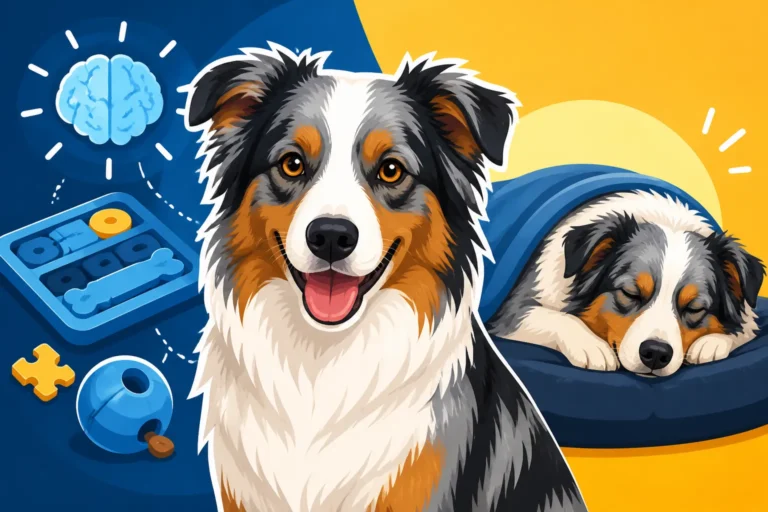
- "Off Switch" Training: Intentionally practice periods of high-energy play followed by immediate, calm downtime. This teaches your dog that not every moment needs to be go-go-go. Mental games, like nose work during a break, can also help redirect their energy. You can also build an understanding of Mental Work That Actually Tires an Australian Shepherd, not just physical.
Maintaining Focus in a Busy Environment
A class full of other dogs, new smells, and intriguing equipment is a huge distraction for many Aussies. They might ignore your cues, sniff the ground instead of running a tunnel, or try to interact with other dogs.
- High-Value Rewards: This goes back to using those super-tasty treats or their absolute favorite toy. Make yourself the most exciting thing in the room.
- Work Under Threshold: If your dog is too distracted, you're asking too much. Move further away from the distractions or take a break. Gradually decrease the distance as their focus improves.
- Engagement Games: Play short, engaging games with your dog before it's your turn, or during downtimes. A quick game of tug, a few rapid-fire treat tosses, or some silly body-handling exercises can help re-center their attention on you.
- Consistent Cues: Ensure your cues are clear, consistent, and well-understood. If your dog isn't responding, it might be that they don't truly understand the cue in this distracting environment.
Building Confidence on New Obstacles
While many Aussies are bold, some can be a bit wary of certain agility equipment. The teeter-totter's movement, the height of the dog walk, or the enclosed space of a chute might give them pause.
- Positive Reinforcement is Key: Never force your dog onto or over an obstacle. This can create a negative association. Instead, use lures (treats), verbal encouragement, and enthusiastic praise.
- Break it Down: Remember the shaping principle. If your dog is hesitant with the teeter, just reward them for sniffing it, then for putting one paw on it, then two, and so on.
- Build Trust: Your calm demeanor and confident guidance will reassure your dog. They trust you, and if you act like an obstacle is no big deal, they're more likely to believe you. Your Australian Shepherd Loyalty to One Person makes them want to try for you.
- Don't Rush: Some dogs need more time than others. That's perfectly fine. Agility is a journey, not a race, especially in the beginning. Celebrate every small step forward. If your dog's progress suddenly stalls or they seem reluctant to perform, always consider a vet check. Sometimes, whether an Aussie's manners slip because it hurts can manifest as a reluctance to engage in physical activity.
Pacing and Progress: It's a Marathon, Not a Sprint
It's easy to compare your Aussie to the dog next to you who seems to be flawlessly flying through a sequence. Don't! Every dog and handler team learns at their own pace.
- Focus on Your Team: Your goal in that first class is to build a positive experience and strengthen your bond. Whether you master one obstacle or half a dozen, if you both had fun, it was a success.
- Celebrate Small Wins: Did your dog finally touch the yellow contact zone on the A-frame? Huge win! Did they offer a perfect weave pole entry? Another big win! Acknowledging these smaller achievements keeps motivation high for both of you.
- Consistency Over Intensity: Short, frequent practice sessions are often more effective than long, grueling ones. This helps prevent burnout and keeps the fun factor high.
- Enjoy the Journey: Agility is a fantastic way to bond with your Australian Shepherd, provide mental and physical enrichment, and be part of a supportive community. Embrace the learning process, the occasional comedic mishap, and the incredible joy of watching your smart, athletic Aussie shine.
Disclaimer
This article is for general informational purposes only and does not constitute professional advice. Laws, prices and regulations vary by location and change over time. Consult a qualified professional for guidance on your specific situation.