Twice-Yearly Coat Blow in an Australian Shepherd
If you're an Australian Shepherd owner, you know the struggle: those beautiful, flowing coats come with a price, and twice a year, that price feels like a full-blown hair hurricane. This guide is here to walk you through the monumental event known as "coat blow," explaining why your Aussie suddenly seems to be made entirely of shedding hair, how to manage the deluge, and practical strategies to keep both your home and your sanity intact.
Understanding the Australian Shepherd Double Coat and Its Cycles
The Australian Shepherd’s coat is a marvel of nature, designed for the rigors of working outdoors in various climates. But this incredible functionality is also the reason behind the infamous "coat blow." It's not just shedding; it's an intentional, seasonal overhaul of their entire thermal regulation system.
The Anatomy of an Aussie's Insulating Layers
Think of your Australian Shepherd's coat as a highly specialized, two-layer jacket. The outermost layer consists of what we call 'guard hairs.' These are coarser, longer hairs that are water-resistant and provide protection from sun, dirt, and minor scrapes. They lay flatter and are designed to repel elements. Beneath this protective shield lies the 'undercoat.' This is the real star of the insulation show—a dense, soft, woolly layer that acts like a thermal blanket, trapping air close to the body to keep your Aussie warm in winter and surprisingly, to help regulate their temperature in summer. It’s a remarkable system, perfectly adapted for a dog that would have spent its days out in the elements.
This double coat system means that your Aussie is always perfectly dressed for the weather, no matter what Mother Nature throws at them. The guard hairs dictate the color and pattern we see, whether it's a striking blue merle or a handsome black tri, but it's the undercoat doing the heavy lifting when it comes to comfort and survival in extreme temperatures. Understanding this structure is key to appreciating why your dog sheds the way it does. You can dive deeper into the specifics of this amazing hair structure in The Australian Shepherd Double Coat Explained.
Why Australian Shepherds 'Blow' Their Coat
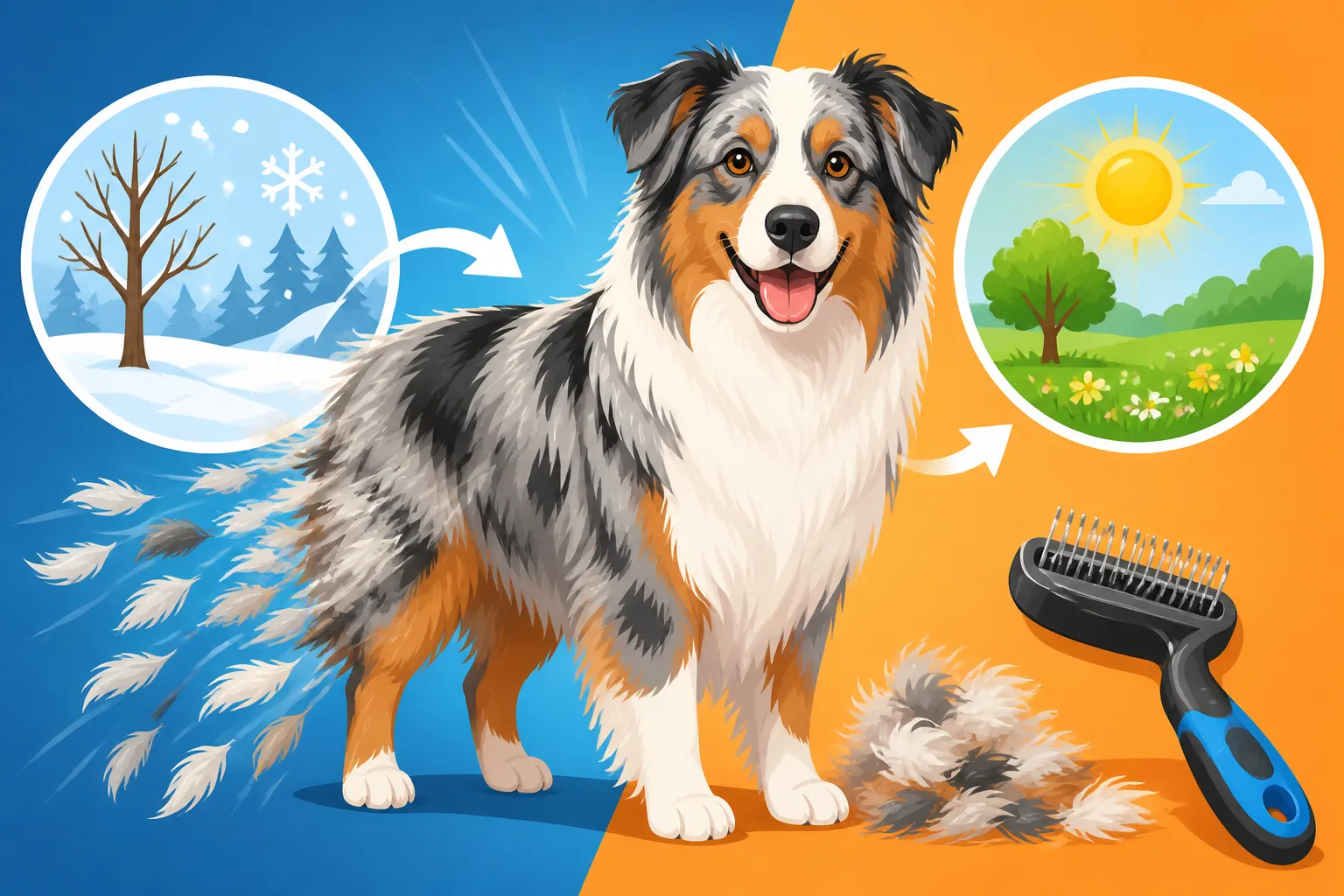
So, why does this seasonal deluge of hair happen? For Australian Shepherds, coat blow is primarily a response to changing seasons and hormonal shifts. As the days lengthen in spring and temperatures rise, your Aussie's body signals it's time to ditch the thick winter undercoat. This heavy insulation is no longer needed and would actually cause them to overheat in the warmer months. It's their natural way of transitioning to a lighter, more breathable coat for summer, though they still retain a significant undercoat for UV protection.
Conversely, as autumn approaches and the days shorten, they'll blow their lighter summer undercoat to make way for the dense, warm winter coat. This ensures they're fully prepared for the cold. Hormonal changes also play a significant role; intact females, for instance, often experience a massive coat blow after a heat cycle or whelping, due to the dramatic fluctuation in hormones. Even spayed or neutered dogs will follow these seasonal patterns, though perhaps with less intensity than an intact dog. It's all about their body recalibrating to maintain optimal comfort and health.
The Sheer Volume of Hair During Coat Blow
Let's not sugarcoat it: when an Australian Shepherd blows their coat, it's not just "a little extra shedding." It's an explosion. You'll find hair everywhere – on your clothes, clinging to furniture, forming tumbleweeds that roll across your floor like furry desert plants. It can feel like your dog is literally disintegrating into a pile of fluff. Many owners describe it as enough hair to knit a whole new dog, or at least several very fluffy sweaters.
This isn't an exaggeration. The undercoat is incredibly dense, and when it starts to release, it comes out in shockingly large clumps. You might even be able to gently pull out handfuls of soft, downy hair with ease. Expect to vacuum daily, lint-roll everything you own, and still discover stray Aussie hairs in your coffee. Setting realistic expectations for this period is crucial for your mental well-being; it's a temporary, albeit intense, phase that every Australian Shepherd owner experiences twice a year.
Navigating the Intensive Grooming During Coat Blow
Managing an Australian Shepherd's coat blow requires dedication and the right tools. Simply brushing with a standard brush won't cut it when you're dealing with the sheer volume of shedding undercoat. This period demands a more intensive, systematic approach to grooming to keep your dog comfortable and prevent serious issues.
Essential Tools for Tackling the Undercoat
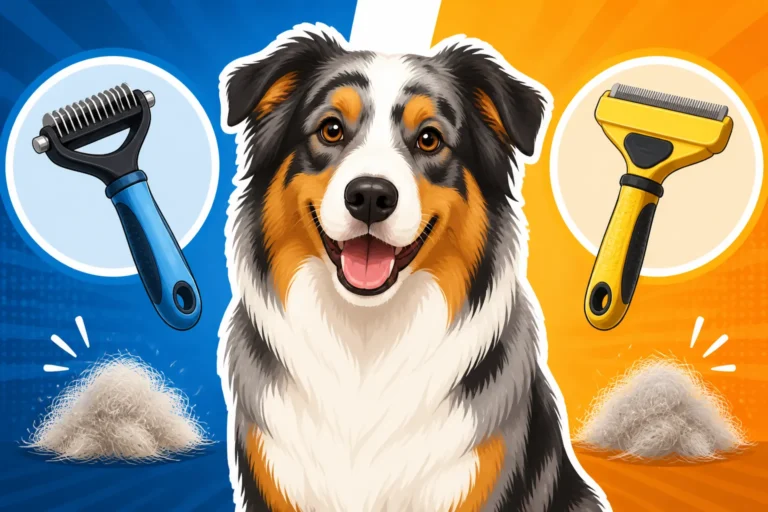
To effectively tackle coat blow, you need an arsenal of specific grooming tools designed for double-coated breeds. A good quality undercoat rake is absolutely non-negotiable. These rakes have long, sturdy teeth that penetrate the guard hairs and gently pull out the loose undercoat without damaging the topcoat. Investing in one from a reputable brand found on Chewy or Amazon will make a world of difference. You'll also want a slicker brush to help smooth the topcoat and catch any remaining loose hairs, especially on the feathering on their legs and tail.
Additionally, a deshedding tool can be incredibly effective, but it's crucial to use it correctly and sparingly to avoid irritating the skin or cutting the guard hairs. Always follow the manufacturer's instructions and be gentle. Using these tools in combination allows you to systematically remove the dead undercoat, reducing the amount of hair that ends up on your floor and helping your Aussie feel much more comfortable. For a deeper dive into these tools, check out The Rake That Reaches an Aussie Undercoat.
The Importance of Regular and Thorough Brushing
During coat blow, "regular" brushing means daily, sometimes even twice a day, depending on the intensity of the shed. This isn't just about controlling the mess; it's vital for your dog's health and comfort. The goal is to remove as much dead undercoat as possible before it has a chance to mat. The technique matters too: 'line brushing' is highly effective. You part the coat in sections, starting from the bottom of a leg or flank, and brush down to the skin, working your way up the dog's body. This ensures you're reaching the root of the undercoat.
Consistent, thorough brushing prevents the loose undercoat from tangling with the healthy hair, which can quickly lead to painful mats. Mats can pull on the skin, cause irritation, and create a breeding ground for skin infections if moisture or debris gets trapped underneath. It also helps distribute natural oils, keeping the remaining coat and skin healthy. Think of it as a bonding ritual, but with a practical, necessary purpose. More tips on this can be found in Brushing Every Day While an Aussie Sheds.
Strategic Bathing to Aid the Shedding Process
While brushing is your primary weapon, strategic bathing can be a powerful ally during coat blow. A good bath helps loosen and release dead hair, making subsequent brushing much more effective. Look for deshedding shampoos and conditioners specifically formulated for double-coated breeds; many reputable brands are available on Chewy. These products often contain ingredients that help nourish the skin and promote healthy hair follicles, making the shedding process smoother.
The key to a successful deshedding bath is thoroughness. Work the shampoo deep into the undercoat, ensuring every strand is saturated, then rinse, rinse, rinse! Any residue left behind can irritate the skin and even make shedding worse. After rinsing, a good conditioner helps detangle and further release loose hair. But the most critical step after bathing a double-coated dog is drying. Your Aussie absolutely must be dried completely, down to the skin, to prevent skin issues like hot spots and mildew. A high-velocity dryer, if you have access to one, works wonders in blowing out the remaining loose undercoat and drying thoroughly. Otherwise, a regular hairdryer on a cool setting or powerful towels will do. Drying an Australian Shepherd Double Coat offers more in-depth advice on this often-overlooked step.
Common Challenges and Misconceptions During Coat Blow
Australian Shepherd coat blow isn't just about the hair; it also brings a host of specific challenges and common misconceptions that owners need to be aware of. Navigating these pitfalls can make a huge difference in your Aussie's comfort and coat health.
The Dangers of Shaving an Australian Shepherd
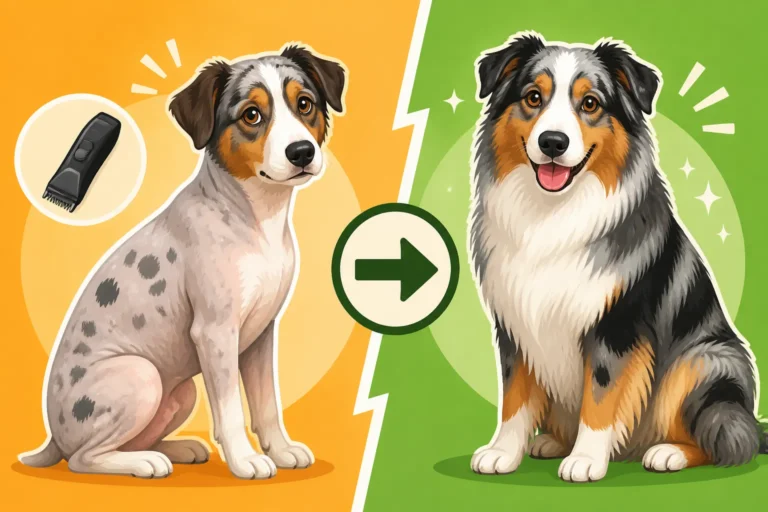
One of the biggest misconceptions, especially when faced with a mountain of shedding hair, is that shaving an Australian Shepherd will solve the problem or keep them cooler. This could not be further from the truth and is actually quite harmful to their unique double coat. Shaving an Aussie ruins the natural insulation system. Their undercoat provides warmth in winter, yes, but it also traps a layer of cool air next to their skin in summer, protecting them from heat and harmful UV rays.
When you shave them, you remove this protective barrier. This leaves their delicate skin exposed to sunburn and increases their risk of heatstroke because they can no longer regulate their temperature effectively. Furthermore, the guard hairs often don't grow back correctly after being shaved. They can come back patchy, coarse, or fail to grow at all, leaving your Aussie with a permanently damaged coat that no longer offers the protection it once did. It takes years, if ever, for a shaved Aussie's coat to fully recover its natural texture and function. This is why experienced groomers and vets will always advise against it. Learn more about this in Why an Australian Shepherd Should Never Be Shaved.
Managing Matting and Skin Irritations
During coat blow, matting is an ever-present threat. The dense, shedding undercoat easily intertwines with the longer guard hairs, forming tight, painful knots that pull on the skin. Common areas for mats include behind the ears, in the armpits, on the chest, around the tail, and in the "trousers" on their hind legs. These areas often experience more friction or have finer hair, making them prime targets. A small mat can quickly escalate into a large, felted clump if not addressed immediately.
Beyond being painful, mats can trap moisture, dirt, and parasites against the skin, leading to severe skin irritations, hot spots, and even bacterial or fungal infections. They also prevent proper air circulation, hindering the coat's natural thermal regulation. Regular, thorough line brushing is your best defense. If you find a mat, try to gently tease it apart with your fingers or a comb, working from the outside in. Never pull directly on the mat, as this will hurt your dog. Specialized mat splitters or dematting tools can help, but extreme care is needed. If a mat is too large or too tight, it's always best to seek professional help to remove it safely. Understanding where to look can save your Aussie a lot of discomfort, as discussed in Mats in an Aussie Ruff and Trousers.
The Never-Ending Battle Against Hair in Your Home
Let's be real: living with an Australian Shepherd during coat blow means embracing a certain level of fur. No matter how diligently you brush, some hair will escape into your environment. You'll find it woven into carpets, clinging to upholstery, and magically appearing in places you didn't even know existed. This is simply the reality of owning such a wonderfully fluffy breed, especially during these periods.
Investing in a good quality vacuum cleaner designed for pet hair is a game-changer. Robotic vacuums can also help maintain daily cleanliness, picking up surface hair before it accumulates. Keep lint rollers strategically placed by every door and in your car. Consider washable covers for your furniture, or designated "dog blankets" that can be easily tossed into the laundry. While it can feel like a losing battle, consistent effort in your home will keep the fur under control, even if total eradication is a myth. Ultimately, it's about accepting the furry reality and finding joy in the companionship, even with a little extra housework.
Nutritional Support and Professional Help
While grooming is paramount, your Aussie’s diet and the option of professional help play significant roles in managing coat blow effectively. A healthy coat starts from within, and sometimes, those tough shedding jobs are best left to the experts.
Diet's Role in a Healthy Coat
A healthy coat and skin are direct reflections of your dog's internal health, and that largely comes down to their diet. During periods of intense shedding like coat blow, your Aussie's body is working overtime to produce new, healthy hair. Providing a diet rich in high-quality protein and essential fatty acids is crucial. Look for dog foods where a named meat source is the first ingredient, indicating a good protein base. Brands like Ollie that focus on fresh, whole ingredients can be beneficial, or you can find excellent dry kibbles from various brands on Chewy.
Omega-3 and Omega-6 fatty acids, often found in fish oil supplements, are particularly important for skin elasticity and coat luster. Many owners add a daily fish oil supplement, readily available on Amazon, to their Aussie's food year-round, not just during coat blow. These healthy fats help keep the skin moisturized, reduce inflammation, and promote a stronger, healthier hair follicle, which in turn can make the shedding process smoother and the new coat growth more robust. Remember, a dog struggling with nutritional deficiencies will likely have a dull, brittle coat and experience more issues during shedding. Fish Oil for an Aussie Double Coat provides more details on this.
When to Call in the Professional Groomer
Even with the best at-home grooming routine, sometimes coat blow can be overwhelming, or you might encounter issues beyond your skill level. This is when a professional groomer becomes your best friend. Professional groomers have specialized equipment, like high-velocity dryers, and extensive experience with double coats. A professional deshedding treatment can often remove more loose undercoat in one session than you might be able to achieve in several days at home. The high-velocity dryer literally blasts the dead hair out from the roots, which is incredibly effective.
Furthermore, if your Aussie has developed severe matting, a professional groomer is the safest option for removal. They have the tools and expertise to carefully and painlessly remove mats, preventing injury or undue stress to your dog. During peak shedding season, booking a professional deshedding appointment every 4-6 weeks can significantly ease the burden and keep your Aussie comfortable. Don't hesitate to utilize their expertise; it's an investment in your dog's well-being and your own peace of mind.
Hydration and Overall Well-being
It might seem obvious, but adequate hydration is a foundational element for overall health, and this extends directly to skin and coat condition. A well-hydrated dog will have healthier skin and more resilient hair follicles, which can help in the natural shedding process. Ensure your Australian Shepherd always has access to fresh, clean water, especially during active periods or warmer weather. Consider adding multiple water bowls around the house or using a water fountain to encourage drinking.
Beyond water, a dog's general stress levels can also influence their coat. High stress can sometimes contribute to excessive shedding or exacerbate skin issues. Providing a consistent routine, plenty of appropriate exercise (both physical and mental), and a loving, calm environment contributes to your Aussie’s overall well-being, which in turn supports a healthier coat. Everything is connected, and a holistic approach to care will always yield the best results.
Preparing for the Next Coat Blow
Living with an Australian Shepherd means anticipating the next coat blow, rather than being surprised by it. By establishing consistent habits and being prepared, you can make these twice-yearly events much more manageable for both you and your furry companion.
Establishing a Year-Round Grooming Routine
The secret to surviving coat blow isn't just reacting when it starts; it's about prevention and maintaining a consistent grooming routine throughout the year. Even when your Aussie isn't actively blowing their coat, regular brushing (at least 2-3 times a week) is vital. This helps to prevent small mats from forming, keeps the coat free of debris, and promotes healthy skin by distributing natural oils. It also gets your dog accustomed to being handled and brushed, making the intensive sessions during coat blow less stressful for them.
Think of it as routine maintenance that makes major overhauls much easier. By regularly removing loose undercoat and keeping the guard hairs clean and untangled, you're ensuring that when the major shedding periods arrive, the sheer volume of hair to deal with is somewhat diminished, and the likelihood of severe matting is greatly reduced. Consistency is truly key to managing the majestic, yet demanding, Australian Shepherd coat. You'll find more insights into this in Brushing an Australian Shepherd Twice a Week.
Seasonal Preparedness for Owners
Just as your Aussie's body prepares for seasonal changes, you, as their owner, should too! Mark your calendar for approximate coat blow times – typically spring and fall, coinciding with daylight changes. A few weeks before these expected periods, make sure your grooming tools are in good condition, and consider stocking up on deshedding shampoos or conditioners. If you plan to use a professional groomer, book your appointments in advance, as their schedules often fill up quickly during these peak shedding seasons.
Mentally preparing yourself for the increased hair in your home and the extra grooming time is also helpful. Knowing what's coming can help reduce frustration. Having extra lint rollers, cleaning supplies, and designated vacuuming times ready will ensure you're not caught off guard. It's an inevitable part of living with an Australian Shepherd, and embracing it as a natural cycle makes the experience much smoother for everyone.
Understanding Your Individual Aussie's Shedding Pattern
While there are general rules for Australian Shepherd coat blow, every dog is an individual. Factors like age, overall health, diet, spay/neuter status, and even their living environment (indoor vs. outdoor) can influence the timing, duration, and intensity of their shedding cycles. For example, a young, intact female might have a much more dramatic coat blow after a heat cycle than an older, spayed female. Similarly, an Aussie who spends more time outdoors might have a more pronounced seasonal shed than one primarily indoors.
Paying attention to your own dog's specific patterns can help you anticipate their needs. Does their coat blow always seem to start in mid-March? Does it last exactly four weeks? Keeping a simple grooming log can give you valuable insights over time, allowing you to fine-tune your preparedness and tailor your grooming efforts to their unique cycle. This personalized approach will lead to a more comfortable dog and a less stressful experience for you. You might also want to consult How Long an Aussie Coat Blow Lasts for more context on typical durations.
| Grooming Tool | Primary Use | Best for Coat Blow? | How to Use |
|---|---|---|---|
| Undercoat Rake | Reaching deep into the undercoat to pull loose hair | Absolutely essential | Use with gentle, long strokes, following hair growth, working in sections. |
| Slicker Brush | Removing surface mats, detangling, finishing | Very helpful | Use for light detangling and fluffing, especially on feathering. Be gentle. |
| Deshedding Tool | Removing large amounts of dead undercoat | Effective (with care) | Use sparingly on a dry, clean coat. Avoid excessive or harsh brushing. |
| Pin Brush | General brushing, detangling longer hair | Good for maintenance | Use for general brushing, helps separate guard hairs to reach undercoat. |
| Wide-Tooth Comb | Checking for mats, detangling small knots | Good for detail work | Use to check for missed mats after brushing, especially behind ears. |
Disclaimer
This article is for general informational purposes only and does not constitute professional advice. Laws, prices and regulations vary by location and change over time. Consult a qualified professional for guidance on your specific situation.