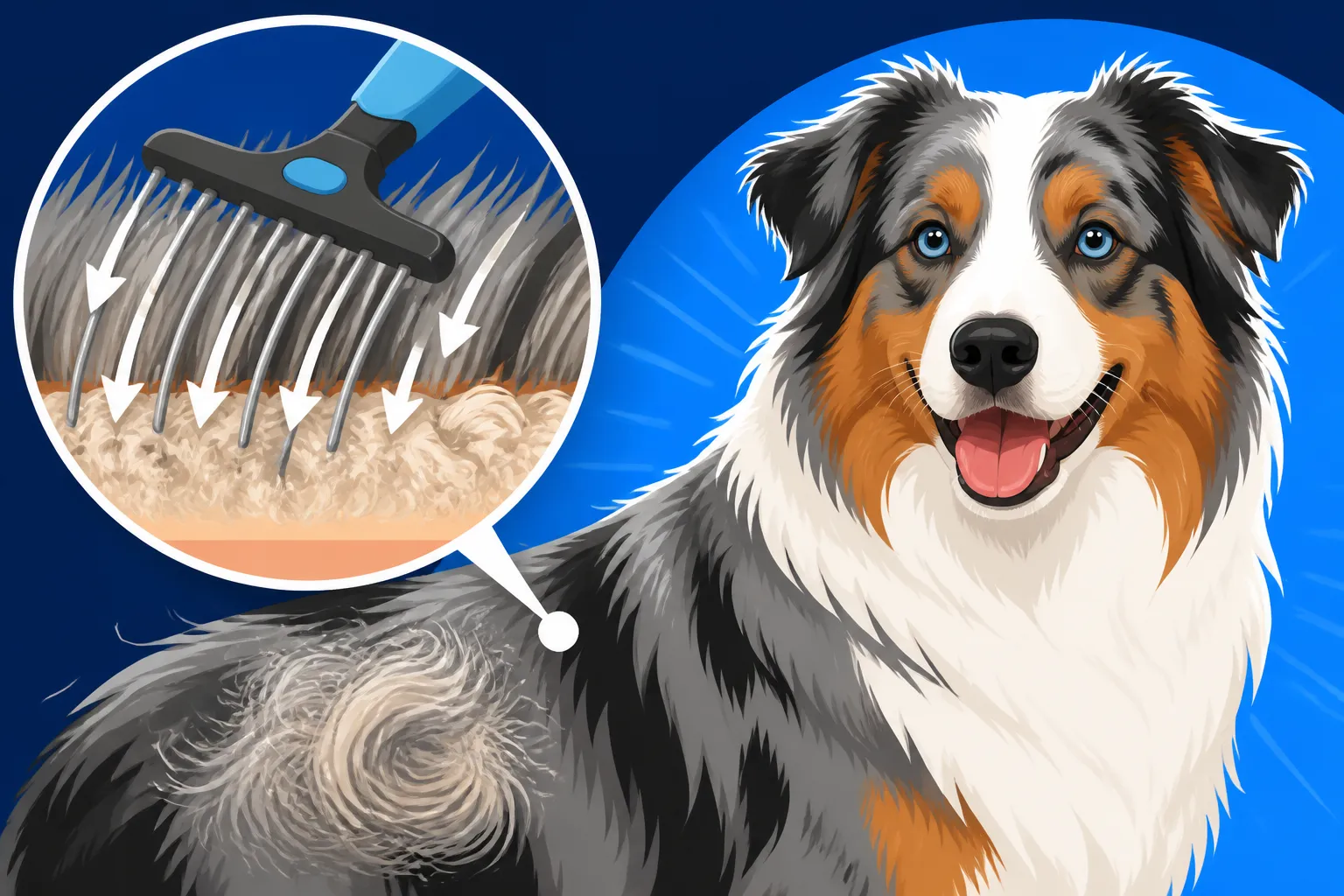
The Rake That Reaches an Aussie Undercoat
If you're an Australian Shepherd owner, you know the struggle: that beautiful, flowing double coat is a magnet for loose fur, mats, and enough tumbleweeds to fill a small room. It can feel like an endless battle, especially during the dreaded "coat blow" seasons. This guide is here to walk you through the world of undercoat rakes, helping you choose the right tool and master the technique to keep your Aussie's coat healthy, comfortable, and a little less prone to decorating your entire home with fur.
Understanding the Australian Shepherd Double Coat
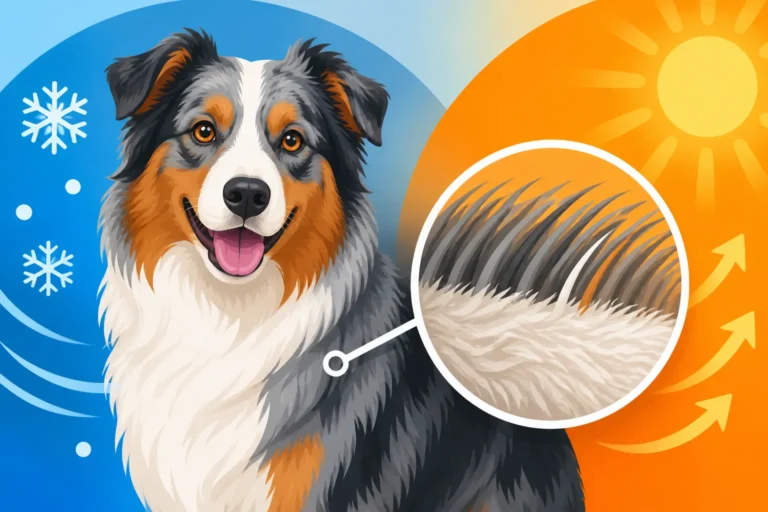
Before we dive into tools, it’s crucial to truly appreciate the unique engineering of your Aussie's coat. It’s not just one layer of fur; it's a meticulously designed system that kept their ancestors comfortable whether herding in sun-drenched fields or facing chilly mountain winds. Understanding this structure is the first step to effective grooming, and it helps explain why a simple brush often isn't enough.
The Insulating Power of the Undercoat
Beneath that gorgeous, vibrant topcoat lies the real workhorse: the undercoat. This layer consists of dense, soft, downy hairs that are incredibly effective at trapping air. In cold weather, this trapped air acts as an insulating barrier, keeping your Aussie warm. In warmer weather, it can prevent heat from reaching the skin directly. It's a natural thermoregulation system. However, this density also means it’s prone to holding onto dead hair, which, if not removed, can mat close to the skin. Think of it like a thick wool sweater; if you don't keep it clean and aired out, it can become matted and uncomfortable. This is especially true when your Aussie goes through its Twice-Yearly Coat Blow in an Australian Shepherd, when huge amounts of this undercoat are shed to make way for new growth.
The Protective Role of the Outer Coat
On top of the insulating undercoat sits the guard coat, or outer coat. These hairs are longer, coarser, and typically somewhat water-resistant. Their primary job is to protect the delicate undercoat and the skin from physical damage, dirt, and moisture. They also give your Australian Shepherd that distinctive, beautiful appearance – whether it’s a striking blue merle, a classic black tri, or a vibrant red. The outer coat can range from straight to wavy, and you'll notice it tends to be longer on the ruff, breeches, and tail, adding to their majestic look. While the outer coat sheds, it’s the undercoat that creates the most volume of loose hair in your home.
Seasonal Changes: The Dreaded Coat Blow
Twice a year, typically in spring and fall, your Australian Shepherd will experience what's affectionately (or perhaps exasperatedly) known as "coat blow." This is when their body decides it's time to shed vast quantities of the undercoat to prepare for the upcoming season – a lighter coat for summer, a denser one for winter. This isn't just a few stray hairs; it's a seemingly endless cascade of fluff. If you don't actively help remove this dead undercoat, it can quickly become impacted, leading to matting, skin irritation, and even hot spots. It’s a natural process, but one that demands a proactive grooming routine, often requiring you to be Brushing Every Day While an Aussie Sheds.
Why a Rake is Essential for an Aussie's Undercoat
Given the unique structure and shedding cycles of an Australian Shepherd's coat, a regular slicker brush or pin brush, while useful, simply won't cut it for managing the dense undercoat. This is where an undercoat rake becomes an absolute game-changer. It's designed specifically to penetrate the topcoat and effectively reach and remove the loose, dead undercoat without damaging the healthy guard hairs.
Preventing Mats and Tangles
One of the biggest frustrations for Aussie owners is dealing with mats. These tight tangles form when loose undercoat hairs become intertwined with live hairs and aren't removed. They often start in high-friction areas like behind the ears, in the armpits, or on the breeches, but can quickly spread. Once a mat forms close to the skin, it can pull painfully, restrict blood flow, and trap moisture, leading to skin infections or painful hot spots. An undercoat rake, when used regularly, gently pulls out these loose hairs before they have a chance to bind together into stubborn mats, saving both you and your Aussie a lot of discomfort. Preventing The Mats That Form Behind Aussie Ears or Mats in an Aussie Ruff and Trousers is far easier than trying to remove them.
Reducing Shedding Dramatically
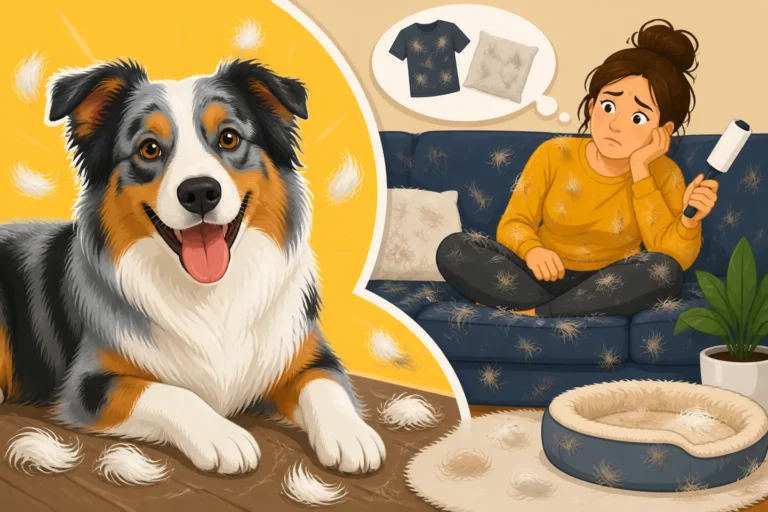
Let's be honest: we all love our Aussies, but the constant shedding can be overwhelming. Fur on the couch, fur on your clothes, fur in your coffee – it's everywhere! The good news is that a quality undercoat rake can drastically reduce the amount of hair floating around your home. By actively removing the dead undercoat, you're not just preventing mats; you're also taking control of the shedding cycle. Regular raking, especially during coat blow, means that the hair is being removed by you, in a controlled environment, rather than falling out all over your house. This can lead to a noticeable difference in the cleanliness of your home and the amount of lint rolling you have to do.
Promoting Skin Health and Airflow
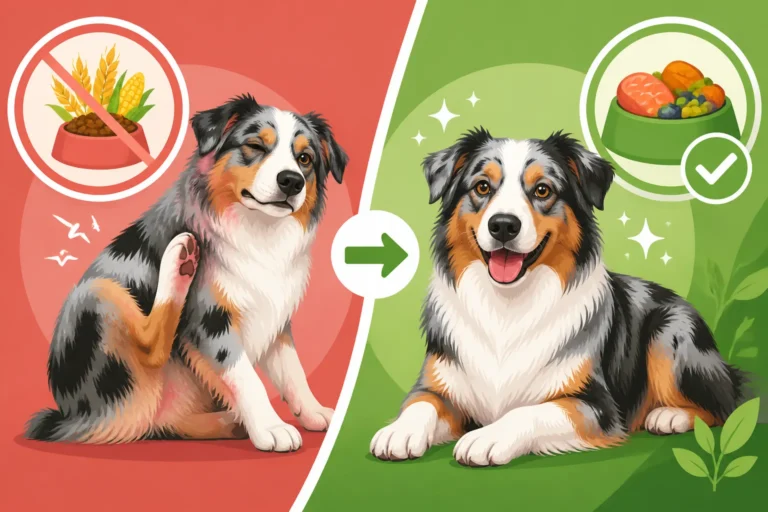
An impacted undercoat isn't just messy; it's unhealthy for your Aussie's skin. A thick layer of dead fur can prevent proper air circulation to the skin, creating a warm, damp environment that's perfect for bacteria and yeast to thrive. This can lead to itching, irritation, and even skin infections, sometimes resulting in Hot Spots Hidden in an Aussie Undercoat. Regular use of an undercoat rake allows for better airflow, keeping the skin drier and healthier. It also gives you a chance to inspect your dog's skin for any issues like fleas, ticks, dry patches, or unusual bumps that might otherwise go unnoticed beneath the dense fur. It’s an essential part of maintaining Australian Shepherd Skin, Coat and Allergy Problems.
Different Types of Undercoat Rakes
The term "undercoat rake" can apply to a few different tools, each with its own design and purpose. Choosing the right one depends on your Aussie's coat type, the severity of shedding or matting, and your personal preference. It's often beneficial to have a couple of different types on hand to tackle various grooming needs. You can find a wide variety of these tools on pet supply sites like Chewy, offering different brands and designs to suit your preference.
Wide-Tooth Rakes for Initial Dematting
These rakes typically feature widely spaced, often rotating, teeth. They are excellent for initial passes through a dense coat, particularly if you suspect some light matting or have a lot of loose undercoat to remove. The wide spacing means they're less likely to snag on larger tangles, making them a gentler option for starting a grooming session. The rotating teeth can help prevent pulling on the hair, making the experience more comfortable for your Aussie. They are not as effective for deep deshedding but are a crucial first step for opening up the coat and removing the bulk of the loose hair, especially if your Aussie hasn't been groomed in a while.
Fine-Tooth Rakes for Thorough Undercoat Removal
Once you've made an initial pass with a wide-tooth rake or if your Aussie's coat is already relatively free of large mats, a fine-tooth undercoat rake comes into its own. These rakes have more closely spaced teeth, sometimes with two rows, which allows them to grab and pull out even more of that fine, downy undercoat. They are perfect for really getting down to the skin and pulling out the maximum amount of dead hair during a shedding cycle. However, because the teeth are closer together, you need to use them with a lighter hand and ensure the coat is relatively free of tangles first, to avoid pulling. Many owners find brands available on Amazon offer a good selection of these finer-toothed options.
Deshedding Tools with Blades (and Caution)
Some tools marketed as undercoat rakes actually incorporate small, fine blades designed to "cut" through and remove undercoat. Famous examples include the FURminator-style tools. While incredibly effective at removing vast amounts of undercoat, they must be used with extreme caution. If used incorrectly or too frequently, these bladed tools can actually cut healthy guard hairs, damage the coat texture, or irritate the skin. They are generally best for occasional use during heavy coat blows and should never be pressed hard against the skin or used on matted areas, as this can cause razor burn or excessive hair removal. For regular maintenance, a traditional undercoat rake (without blades) is often a safer and more appropriate choice for preserving the integrity of The Australian Shepherd Double Coat Explained.
| Rake Type | Tooth Spacing | Best For | Usage Note |
|---|---|---|---|
| Wide-Tooth Rake | Wide | Initial passes, light tangles, bulk removal | Gentle, good for sensitive Aussies or those not groomed often. Helps open the coat. |
| Fine-Tooth Rake | Close | Thorough undercoat removal, maintenance | Gets deep into the undercoat. Ensure coat is mostly tangle-free before use to avoid pulling. |
| Bladed Deshedding Tool | Very Fine | Heavy coat blow, deep shedding | Use with extreme caution. Can damage healthy guard hairs if overused or used improperly. Not for daily use. |
How to Effectively Use an Undercoat Rake
Using an undercoat rake isn't just about pulling it through the fur; it's a technique that requires patience, a gentle hand, and a systematic approach to be both effective and comfortable for your Australian Shepherd. Rushing or being too aggressive can make grooming a negative experience, leading to resistance in the future. Remember, grooming should be a bonding experience, not a wrestling match!
Preparing Your Aussie for Grooming
Before you even pick up the rake, set the stage for a positive grooming session. Start with a calm environment. A tired Aussie is often a cooperative Aussie, so a good exercise session before grooming can help. Make sure your dog is relaxed and comfortable, perhaps on a grooming table or a non-slip mat on the floor. Have plenty of high-value treats on hand. Start with a general pat-down, checking for any obvious mats or sensitive areas. Use a slicker or pin brush first to remove any surface debris and lightly detangle the outer coat. This initial step helps the rake glide more easily and prevents unnecessary pulling, especially when you're working on areas prone to tangles.
Technique for Safe and Efficient Raking
The key to successful raking is to work in small sections and use short, gentle strokes. Don't try to rake the entire dog in one go. Start at an easily accessible area, like the back or sides, and work your way down the body. Hold the skin taut with one hand while using the rake with the other. This helps prevent the skin from pulling and makes it easier for the rake to get into the undercoat.
Work in the direction of hair growth, never against it. Use a slight flicking motion as you pull the rake through, allowing the teeth to lift the dead undercoat away from the skin. After each stroke, check the rake for collected hair and remove it. You'll be amazed at how much fur comes out! Pay special attention to dense areas and those prone to matting, like the ruff, the feathering on the legs, and the "trousers" on the back of the hind legs. Be particularly gentle around sensitive spots like the armpits and groin. If you encounter a mat, do not yank the rake through it. Instead, use a dematting tool or your fingers to gently tease it apart first, or consider a professional groomer if it's severe. Remember, Brushing an Australian Shepherd Twice a Week is a good baseline, but during shedding, more frequent sessions are vital.
Post-Raking Care
Once you've thoroughly raked your Aussie, it's time for some finishing touches. Use a slicker brush or a pin brush again to smooth down the outer coat and remove any last bits of loose hair that the rake might have missed. Follow up with a wide-tooth comb to check your work; if the comb can glide through the coat easily from root to tip, you've done a fantastic job! This combing check is particularly important in areas like the ears and tail. Finally, a light mist of a grooming spray can help add shine and reduce static. Reward your Aussie with plenty of praise and treats for their cooperation. While Ollie focuses on fresh dog food, proper grooming, often with tools you can get from sites like Chewy, is just as vital for overall well-being.
Common Mistakes to Avoid When Raking
Even with the right tools, it's easy to make mistakes that can turn grooming into a chore for both you and your Australian Shepherd. Being aware of these common pitfalls can help you develop a more effective and positive grooming routine, ensuring your Aussie remains comfortable and happy during their spa time.
Raking Too Hard or Too Fast
One of the most frequent mistakes is using too much pressure or trying to speed through the grooming session. Australian Shepherds have delicate skin, and if you press the rake too hard, you can cause skin irritation, abrasions, or "rake burn." This is not only painful but can make your Aussie wary of future grooming sessions. Similarly, raking too fast often leads to pulling on the hair, especially if there are any hidden tangles. Always use a gentle, steady hand, letting the tool do the work. If you find yourself having to exert a lot of force, it usually means you're either going too fast, the teeth are clogged with fur, or you've hit a mat that needs to be addressed differently. Slow and steady wins the grooming race, and a relaxed Aussie will thank you for it.
Ignoring Sensitive Areas
While it's tempting to focus on the big, fluffy parts of your Aussie, some of the most critical areas for mat prevention are also the most sensitive. The armpits, groin, behind the ears, and the underside of the tail are notorious for developing tight, painful mats due to friction and thin skin. Many owners, fearing they might hurt their dog, avoid these spots. However, neglecting them almost guarantees matting. When working in these areas, be extra gentle, use smaller strokes, and hold the skin very taut. You might even switch to a finer-toothed comb for these delicate spots if your rake feels too aggressive. Patience and careful handling are key to making sure your Aussie tolerates grooming in these vital areas without issue. For instance, The Aussie Puppy Eye Check at Six Weeks is often followed by a coat check, where sensitive areas are first introduced gently.
Not Grooming Regularly Enough
The biggest mistake of all is simply not grooming your Australian Shepherd often enough. Their double coat is a high-maintenance affair. Waiting until your dog is a giant walking furball or completely matted will make the grooming session far more difficult, painful, and time-consuming. Regular maintenance is the key. During non-shedding periods, aiming for 2-3 times a week with a general brush and perhaps a quick rake through dense areas can keep things manageable. During coat blow, you might need to rake every other day, or even daily, depending on how much fur is coming out. Establishing a consistent grooming schedule means you're always on top of the shedding, preventing minor tangles from becoming major mats, and keeping your Aussie comfortable and healthy year-round. Consistent care can also help you track any potential issues that may lead to Australian Shepherd Arthritis After Years of Work or other age-related conditions.
Beyond the Rake: Complementary Grooming Tools
While the undercoat rake is a hero for your Australian Shepherd's dense coat, it's not a standalone tool. A comprehensive grooming routine involves a suite of implements that work together to keep your Aussie looking their best, from head to tail.
Slicker Brushes and Pin Brushes
These are your everyday workhorses for general grooming. A slicker brush, with its fine, wire bristles, is excellent for removing surface tangles, loose hair from the outer coat, and stimulating the skin. It also helps to fluff up the coat, giving it that classic Aussie appearance. Pin brushes, featuring widely spaced metal pins with rounded tips, are gentler and ideal for longer, flowing parts of the coat like the feathering on the legs and tail, helping to prevent breakage and maintain shine. You'll typically use these before and after raking – a pin brush to initially detangle, and a slicker brush to smooth everything down once the undercoat is removed. They are also crucial for daily tidying between deeper grooming sessions.
Combs for Finishing Touches
A good quality metal comb, ideally one with both wide and fine teeth, is indispensable for an Australian Shepherd. It serves as your final "check" after brushing and raking. The comb helps you find any missed tangles or mats that the brushes might have glided over. Use the wide-toothed end first, then the fine-toothed end, working through the coat from root to tip. If the comb catches, you know there's still a tangle or a patch of loose undercoat that needs attention. Combs are particularly effective for delicate areas like the face, behind the ears, and the tail, where precision is needed. They ensure that your Aussie's coat is truly free of snags and ready to shine, offering a level of precision that even the best rake can't quite achieve on its own.
Grooming Sprays and Conditioners
To elevate your Aussie's grooming routine, consider incorporating grooming sprays and conditioners. A good detangling spray can be a lifesaver when encountering minor tangles, making them easier to work through without pulling. Conditioning sprays can add moisture to the coat, reducing static, preventing breakage, and giving it a healthy sheen. Some sprays also contain ingredients that can help repel dirt and keep the coat cleaner for longer. These products can be particularly beneficial after a bath, when the coat is prone to tangling as it dries, or when you're dealing with a dry, dull coat. Just be sure to choose products specifically designed for dogs and their pH balance. They complement the mechanical work of brushing and raking by improving the coat's health and manageability, making the entire grooming process smoother for both of you.
Disclaimer
This article is for general informational purposes only and does not constitute professional advice. Laws, prices and regulations vary by location and change over time. Consult a qualified professional for guidance on your specific situation.