The Aussie Puppy Eye Check at Six Weeks
Bringing home an Australian Shepherd puppy is a whirlwind of joy, boundless energy, and adorable nips. But amidst all the puppy breath and training excitement, there's also the underlying concern for their health, especially when you know Aussies can be prone to certain genetic conditions. One of the earliest and most critical health screenings your new family member will undergo is the six-week puppy eye check, a pivotal moment that can reveal inherited eye diseases before they become major issues. This guide will walk you through exactly what this exam entails, why it's so important, and what the results could mean for your beloved Aussie.
The Critical Importance of the Six-Week Eye Examination
When you're welcoming an Australian Shepherd puppy into your life, it's easy to get swept up in their playful antics and striking looks. But behind those captivating eyes often lies a lineage that carries the potential for inherited eye conditions. This is precisely why the six-week eye check, often performed by a board-certified veterinary ophthalmologist, isn't just a suggestion—it's an absolute necessity. This early screening provides a crucial snapshot of your puppy's developing vision and can identify problems that might not be obvious to the untrained eye, or even a general veterinarian, until much later in life when treatment options might be limited or more costly.
Understanding Why Early Screening Matters for Australian Shepherds
The timing of the six-week eye check is not arbitrary; it's specifically chosen because many inherited eye conditions in Australian Shepherds manifest or become detectable around this age. For conditions like Collie Eye Anomaly (CEA), for instance, the tell-tale signs in the retina and choroid can be seen at six to eight weeks before they become obscured by pigment in the eye, which usually happens as the puppy grows older. Missing this narrow window means a definitive diagnosis later could be much harder, leaving you wondering about your dog's true genetic status and potential risks.
Imagine bringing home a vibrant little Aussie, only to discover at six months or a year that they have significant vision impairment from a condition that could have been identified months earlier. This check gives breeders and new owners vital information, allowing for transparency and informed decisions about the puppy's future care. It's about proactive health management, catching potential issues before they escalate and giving you the best chance to prepare for any challenges.
The Significance of ACVO Certification in Eye Exams
Not all vet visits are created equal, especially when it comes to specialized screenings. For an Aussie puppy eye check, you need a professional with specific expertise: a board-certified veterinary ophthalmologist. These specialists have undergone extensive additional training beyond veterinary school, focusing solely on the diagnosis and treatment of eye diseases in animals. They are typically certified by the American College of Veterinary Ophthalmologists (ACVO).
An ACVO-certified ophthalmologist possesses the advanced equipment and intricate knowledge required to spot the subtle indicators of inherited eye diseases that a general practice veterinarian might miss. They conduct what's known as an "ACVO Eye Exam." This level of expertise ensures that the examination is thorough, accurate, and provides the most reliable results possible. When a breeder presents you with an ACVO certificate for your puppy's six-week eye check, it’s a strong indicator of their commitment to responsible breeding practices and the health of their lines. The importance of this specialized exam is such that many breed clubs and registries require it. You can learn more about the specifics of The ACVO Eye Exam Australian Shepherd Breeders Run and why it's so highly regarded.
Key Eye Conditions Identified at Six Weeks
Australian Shepherds are unfortunately predisposed to several hereditary eye conditions, some of which can cause significant vision impairment or even blindness. The six-week eye check is specifically designed to catch these common culprits early, providing a crucial opportunity for diagnosis and management planning. Knowing what these conditions are can help you understand the gravity of this early screening.
Spotting Collie Eye Anomaly (CEA) Early
Collie Eye Anomaly, or CEA, is one of the most frequently discussed inherited eye diseases in Australian Shepherds, and it's a prime target for the six-week exam. This condition is characterized by a developmental defect of the choroid, the vascular layer of the eye that supplies blood and nutrients to the retina. Symptoms can range from very mild, with no apparent vision loss, to severe, involving retinal detachment, hemorrhaging, and blindness. The tricky part is that a mildly affected dog might not show any outward signs, yet still carry and pass on the gene.
The reason the six-week mark is so vital for CEA detection is fascinating. In young puppies, the tapetum (a reflective layer behind the retina) has not yet fully developed its pigment. This allows the ophthalmologist to clearly see the underlying choroid and identify characteristic lesions, such as choroidal hypoplasia, which is a thinning or underdevelopment of the choroid. As the puppy matures, usually by 8-12 weeks, the tapetum develops pigment, which can then obscure these lesions, making accurate diagnosis impossible without specialized imaging. If a pup has "go normal" CEA, meaning the defects become hidden by pigment, they still have the genetic condition and can pass it on, even if they appear to have normal vision. If you’re interested in a deeper dive, read about What Collie Eye Anomaly Does to an Aussie Eye.
Detecting Hereditary Cataracts in Young Aussies
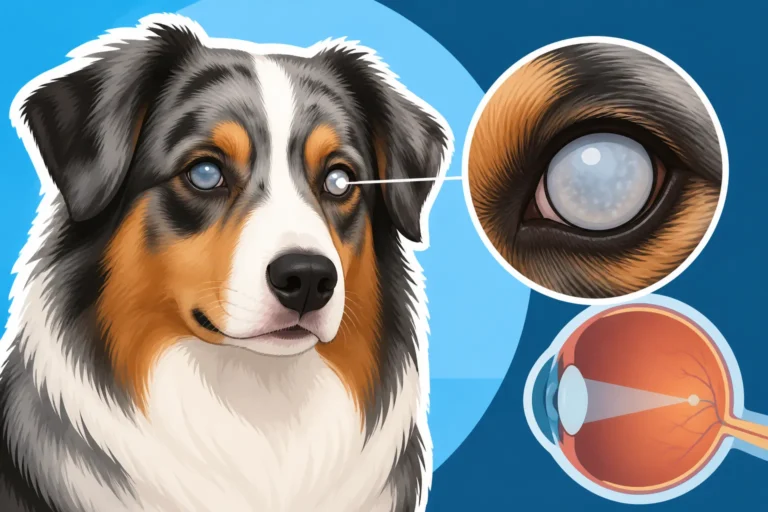
Another significant concern for Australian Shepherds at their six-week eye check is Hereditary Cataracts. Unlike age-related cataracts that develop later in life, hereditary cataracts appear early and can progress rapidly, causing the lens of the eye to become opaque, leading to blurred vision or complete blindness. The HSF4 gene mutation is strongly associated with a common form of hereditary cataracts in Aussies, and a genetic test can confirm its presence.
While the genetic test confirms the potential for cataracts, the physical eye exam at six weeks allows the ophthalmologist to look for the earliest signs of actual lens opacity. Even tiny, pinpoint cataracts can be detected by a skilled ophthalmologist using specialized equipment, providing an early warning. While some early cataracts might not impact vision immediately, their presence indicates a progressive condition that will likely require ongoing monitoring and potentially surgical intervention down the line. Understanding the genetic basis for this is crucial, and you can find more detailed information on Hereditary Cataracts and the Australian Shepherd HSF4 Test.
Other Potential Concerns in the Puppy Eye Exam
While CEA and hereditary cataracts are primary concerns, the six-week eye check also screens for other less common but equally serious eye conditions that can affect Australian Shepherds.
- Progressive Retinal Atrophy (PRA): Although PRA typically manifests later in life, an ophthalmologist might spot early retinal abnormalities during the six-week exam or identify puppies at higher risk based on breed lines and genetic testing information. PRA is a group of degenerative diseases that affect the retina, eventually leading to blindness. You can explore Progressive Retinal Atrophy in an Aussie for more insights.
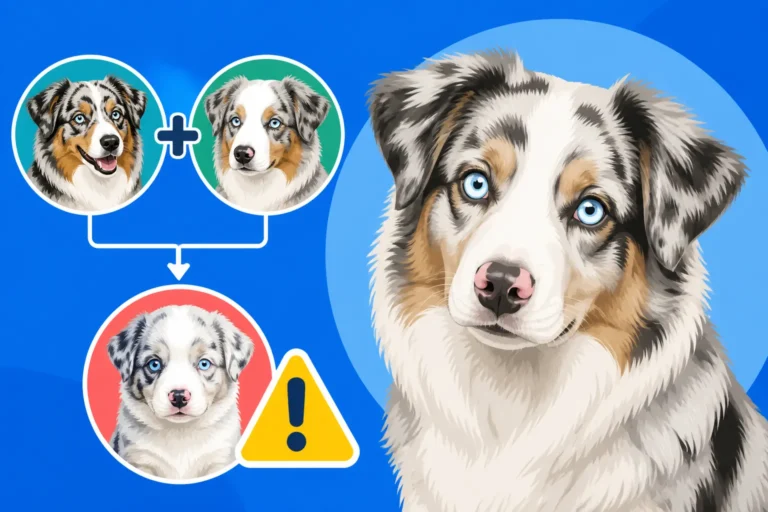
- Microphthalmia: This is a condition where one or both eyes are abnormally small. It's often associated with the merle gene, particularly in double merle Australian Shepherds, where improper breeding can lead to severe eye defects. Microphthalmia can range from a slightly smaller eye to a severely underdeveloped eye that may not be functional.
- Iris Coloboma: Also frequently associated with the merle gene, an iris coloboma is a defect where a portion of the iris fails to develop properly, creating a "keyhole" or irregular pupil shape. While small colobomas might not affect vision, larger ones can lead to light sensitivity and sometimes more extensive ocular problems. This is particularly relevant for merle Australian Shepherds, and you can learn more about Australian Shepherd Iris Coloboma and Merle Eyes.
The comprehensive nature of this exam ensures that any visible developmental anomalies or early signs of genetic diseases are noted, giving you and your breeder the most complete picture of your puppy's eye health.
The Examination Process: What to Expect
For many new Aussie parents, the idea of their tiny puppy going through a specialized eye exam can be a bit daunting. Knowing what to expect during the actual process, from finding the right specialist to the steps involved in the exam itself, can help alleviate some of that anxiety and ensure you're prepared.
Locating a Certified Veterinary Ophthalmologist
The first and most crucial step in the six-week eye check is securing an appointment with a board-certified veterinary ophthalmologist. This isn't your everyday vet visit. General veterinarians, while excellent for routine care, typically don't have the advanced training or specialized equipment to perform the comprehensive ACVO exam. You'll need to find a veterinary ophthalmology clinic in your area. Your breeder should already have a relationship with one, or you can search through the American College of Veterinary Ophthalmologists (ACVO) directory on their website to find a certified specialist near you.
It's vital that this exam is performed by a certified specialist to ensure accuracy and thoroughness. The results of these exams are often recorded in official registries and contribute to the overall health data of the breed. Don't settle for less when it comes to your puppy's developing vision. This specialized expertise is key to detecting the subtle signs of hereditary conditions specific to breeds like the Australian Shepherd.
The Puppy Eye Exam Procedure
Once you arrive at the ophthalmologist's office, the examination process is typically systematic and designed to be as stress-free as possible for the little pups. It usually involves a series of steps:
- Initial Observation: The ophthalmologist will first observe the puppy's eyes in a general sense, noting symmetry, pupil response, and any obvious abnormalities.
- Dilating Drops: Eye drops will be administered to dilate the puppy's pupils. This is a crucial step as it allows the ophthalmologist to get a clear view of the retina and the back of the eye. These drops take about 20-30 minutes to work, so there might be a short wait.
- Ophthalmoscopy: Once the pupils are fully dilated, the ophthalmologist will use various specialized tools, including an ophthalmoscope and a slit lamp, to meticulously examine every part of the eye: the cornea, iris, lens, vitreous, and especially the retina and choroid. They'll be looking for any signs of the conditions we discussed—choroidal hypoplasia for CEA, early cataracts, retinal folds, or any other structural anomalies.
- Documentation: The findings will be carefully documented, often with diagrams and detailed notes, and an official ACVO form will be completed. This document is what your breeder will provide, and it's something you should keep as part of your puppy's permanent health records.
The entire process might take around an hour or so, including the waiting time for dilation. While the drops might cause temporary light sensitivity, they are safe for puppies and wear off within a few hours. The calm demeanor of the ophthalmologist and their staff, combined with the gentle handling, usually makes it a surprisingly easy experience for the puppies.
Interpreting the Results and Future Steps
Receiving the results of your Australian Shepherd puppy's six-week eye check can be a moment of nervous anticipation. Understanding what those results mean, whether they're a clear bill of health or indicate a potential issue, is crucial for making informed decisions about your puppy's future and care.
A Clear Bill of Health
The best possible outcome, of course, is that your Australian Shepherd puppy receives a clear bill of health from the ophthalmologist. This means that at six weeks of age, no observable signs of inherited eye disease were found. This is fantastic news, indicating that your breeder is diligently working to produce healthy puppies. However, it's important to remember that a clear exam at six weeks isn't a guarantee against all future eye problems, nor does it entirely negate the need for genetic testing. Some conditions can develop later in life, and an ACVO exam is a phenotypic (physical appearance) screening, not a genotypic (genetic makeup) one.
For peace of mind and to ensure your puppy doesn't carry hidden genes that could be problematic if they were ever bred, combining the six-week eye exam with a comprehensive The Genetic Panel Every Australian Shepherd Needs is the gold standard. A clear six-week exam means your puppy starts life with excellent visible eye health, but continued vigilance and routine veterinary check-ups throughout their life are still important.
Identifying Affected Puppies: What Happens Next
Sometimes, the six-week eye check reveals an issue. If your puppy is diagnosed with an inherited eye condition, even a mild one, it can be upsetting. The ophthalmologist will explain the specific diagnosis, its severity, and potential prognosis. For conditions like CEA, the severity can range from "mildly affected" where vision is usually normal, to "severely affected" with significant impairment. Whether a Mildly Affected CEA Aussie Sees Normally is a common concern for owners.
A responsible breeder will be transparent about these findings and discuss the implications with you. Depending on the condition, you might have options:
- Mild Cases: For mild CEA, for example, the puppy might never experience vision impairment, but it's still genetically affected and should not be bred.
- Moderate to Severe Cases: For more severe conditions or those that are progressive, the ophthalmologist might recommend further monitoring, specific treatments, or even surgery later in life. This is where the financial aspect comes in. Eye surgeries, such as those for cataracts, can be quite expensive. Aussie Collie Eye Surgery Priced Per Eye can give you an idea of the costs involved. Having a good pet insurance plan from a provider like Healthy Paws can be a lifesaver in these situations, helping to cover a significant portion of unexpected veterinary bills.
Living with an Aussie with Eye Conditions
If your Australian Shepherd puppy is diagnosed with an eye condition, it’s natural to feel overwhelmed. However, many dogs with vision impairments lead happy, full lives, especially with supportive owners. The first step is to follow your veterinary ophthalmologist's recommendations for any immediate or long-term care. This might include medication, regular re-checks, or even surgical interventions. For instance, Whether an Aussie Sees Again After Cataract Removal depends on the type and severity of the cataract and the success of the surgery.
Beyond medical care, you might need to make some adjustments at home. For a puppy with limited vision or progressive sight loss, maintaining a consistent home environment, using scent cues, and introducing verbal commands can be incredibly helpful. Pet insurance, such as through Healthy Paws, can significantly ease the financial burden of managing a chronic eye condition, covering everything from specialist consultations to medications and potential surgeries. It's truly a practical consideration when faced with unexpected health challenges. By providing a safe, predictable, and loving environment, you can ensure your Aussie thrives, regardless of their vision challenges.
| Eye Condition | What it is | Detectible at 6 weeks? | Potential Impact on Vision | Genetic Test Available? |
|---|---|---|---|---|
| Collie Eye Anomaly (CEA) | Developmental defect of the choroid, often involving retinal abnormalities. | Yes (critical window) | Ranges from none to severe impairment, retinal detachment. | Yes |
| Hereditary Cataracts | Opacity of the lens, often appearing early and progressing. | Yes (early signs) | Blurred vision to complete blindness. | Yes (HSF4) |
| Progressive Retinal Atrophy | Degeneration of the retina over time. | Rare (subtle signs possible) | Progressive vision loss, eventually blindness. | Yes |
| Microphthalmia | Abnormally small eyes, often associated with merle breeding. | Yes | Variable, from normal vision to complete blindness/non-functional eyes. | Indirectly (Merle gene) |
| Iris Coloboma | Failure of a portion of the iris to develop, creating an irregular pupil. | Yes | Light sensitivity, potential for other ocular issues. | Indirectly (Merle gene) |
Beyond Six Weeks: Sustaining Your Aussie's Eye Health
The six-week eye check is a foundational step, but it’s by no means the end of the road for ensuring your Australian Shepherd's long-term eye health. It’s the beginning of a lifelong commitment to monitoring, preventive care, and proactive management.
The Ongoing Role of Genetic Testing
As we’ve discussed, the six-week ACVO exam is a physical assessment, a snapshot in time. It tells you what is visibly present at that moment. However, it doesn't tell you the full genetic story. Many eye conditions, even if not expressed at six weeks, are carried on specific genes. This is why genetic testing remains incredibly important for Australian Shepherds, ideally performed on both parents before breeding. For example, while the eye exam can find CEA, a DNA test like The CEA DNA Test for Australian Shepherds confirms if your dog is a carrier, affected, or clear. Similarly, for cataracts, the Hereditary Cataracts and the Australian Shepherd HSF4 Test is crucial.
Knowing your Aussie’s genetic status allows you to understand their predispositions. Even if your puppy is clear on their six-week exam, a genetic test indicating they are a carrier for a late-onset condition means you'll want to be extra vigilant and keep an eye out for any subtle changes as they age. This combined approach of physical examination and genetic screening provides the most comprehensive picture of your Aussie's eye health.
Routine Vet Checks and Symptoms to Watch For
Even with a clear six-week exam and genetic panel, regular veterinary check-ups are essential throughout your Australian Shepherd’s life. Your general veterinarian will typically perform a basic eye exam during annual wellness visits. However, you are often the first line of defense in spotting potential issues.
Keep an eye out for any changes in your Aussie's eyes, such as:
- Cloudiness or changes in eye color
- Redness or irritation
- Excessive tearing or discharge
- Squinting or pawing at the eyes
- Reluctance to go into dimly lit areas
- Bumping into furniture or objects
- Changes in pupil size or reactivity
If you notice any of these symptoms, don't hesitate to contact your veterinarian. Early detection and intervention can make a significant difference in the prognosis for many eye conditions. Remember, prompt action can often prevent a minor issue from becoming a major problem.
Supporting Your Aussie’s Vision and Overall Eye Health
Beyond medical check-ups, there are practical steps you can take every day to support your Australian Shepherd's eye health and overall well-being.
- Nutrition: A balanced, high-quality diet rich in antioxidants (like those found in certain fruits and vegetables) can support overall eye health. Discuss specific supplements, like omega-3 fatty acids, with your vet, especially if your dog has a known predisposition to eye issues.
- Environmental Protection: Australian Shepherds are active dogs. Protect their eyes from injury during vigorous play, hikes, or activities like herding or agility. Keep their face and the fur around their eyes clean and trimmed to prevent irritation from dirt, debris, or long hair. In sunny climates, consider dog-specific sunglasses (doggles) if your Aussie has light-sensitive eyes or a condition like Pannus, which can be exacerbated by UV light.
- Regular Grooming: Keeping the hair around their eyes trimmed not only improves their field of vision but also prevents hair from irritating the cornea or trapping debris. Be gentle, and consider using blunt-nosed scissors or having a professional groomer do it.
- Mental and Physical Enrichment: For Aussies with vision impairment, enriching their lives through scent work, puzzle toys, and consistent routines can help them navigate their world confidently and happily.
By being proactive, observant, and committed to their care, you can help your Australian Shepherd enjoy healthy vision and a wonderful quality of life for many years. And don't forget, having pet insurance like Healthy Paws in place provides a strong safety net for any unforeseen veterinary expenses related to eye health or other conditions that might arise throughout their active lives. Whether Insurance Covers Australian Shepherd Eye Surgery is a question many owners face, and it's always better to be prepared.
Disclaimer
The information provided in this article is for general informational purposes only and is not a substitute for professional veterinary advice. Always consult with a qualified veterinarian or board-certified veterinary ophthalmologist for any health concerns or before making any decisions related to your Australian Shepherd's care.