Deafness in a Double Merle Australian Shepherd
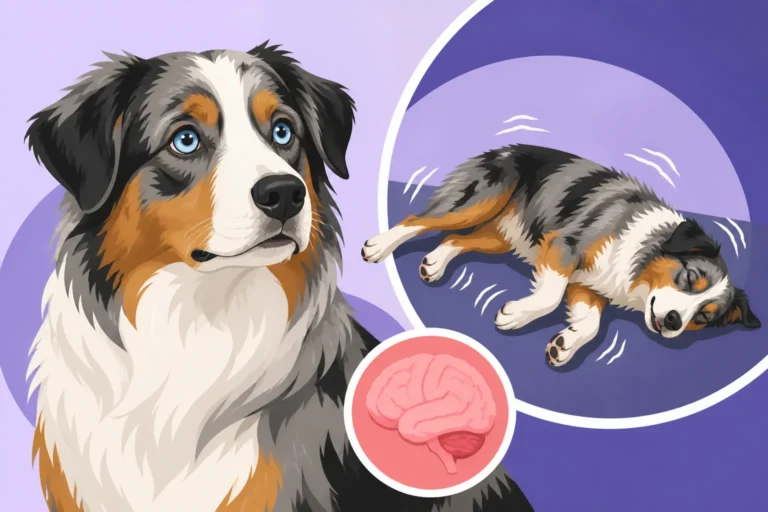
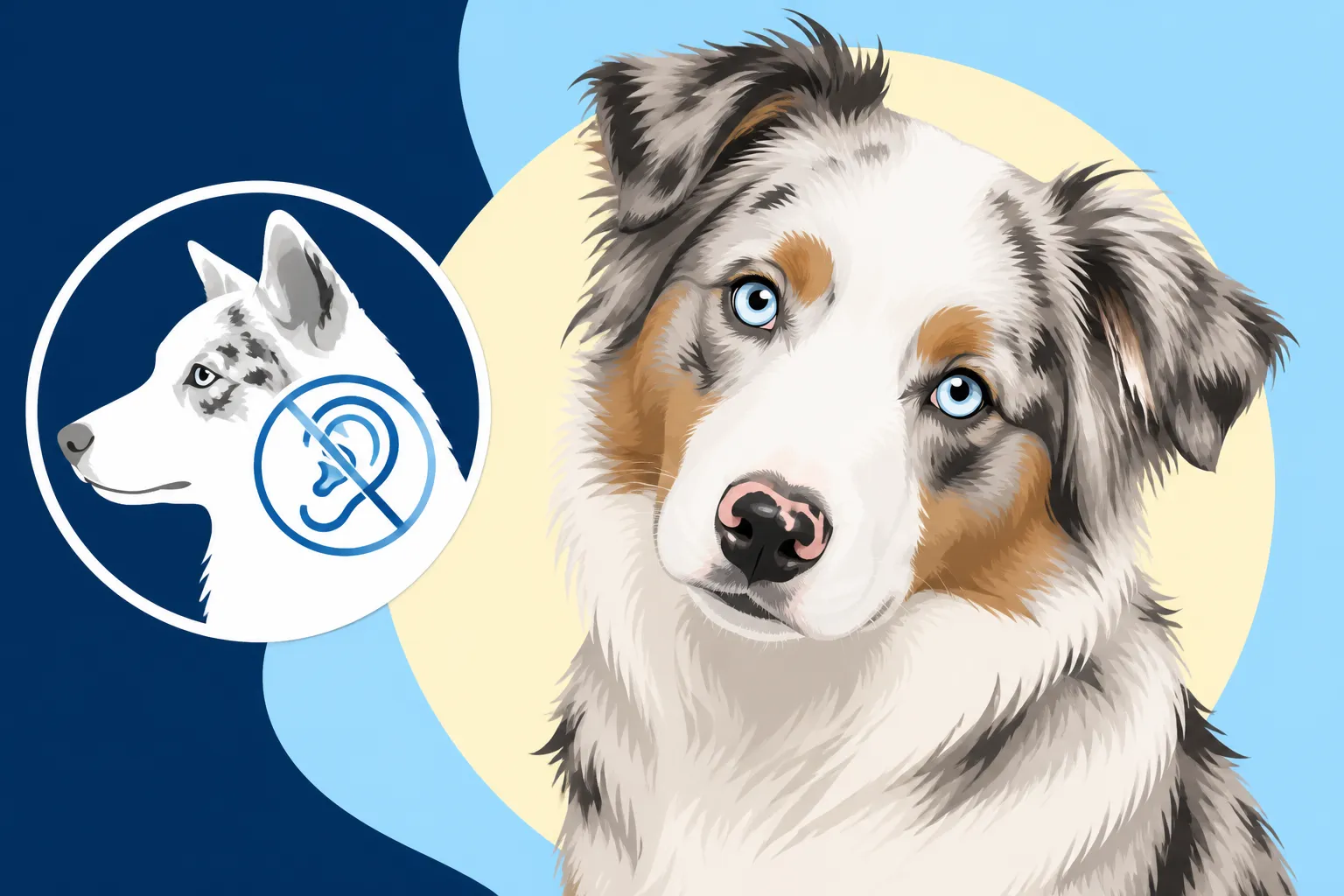
It's absolutely heartbreaking when you bring home an Australian Shepherd puppy, full of dreams for a life of adventure, only to discover they have significant health challenges, like deafness. The reality of caring for a dog with special needs, especially one born into preventable circumstances, can feel overwhelming. This guide is here to walk you through understanding deafness in double merle Australian Shepherds, from its genetic roots to practical strategies for raising and loving a deaf Aussie, ensuring they live a rich, fulfilling life.
Understanding the Double Merle Gene and Its Impact
The merle gene, which gives Australian Shepherds their stunning, mottled coats and often striking blue eyes, is truly a thing of beauty. However, when two merle-patterned dogs are bred together, the results can be devastating. This is how a "double merle" is created, and it comes with a high risk of serious health defects, particularly affecting hearing and vision. It's a tragedy that often stems from a lack of education or, sadly, irresponsible breeding practices.
The Genetics Behind Double Merle
Let's break down the science a little. Every dog carries two copies of each gene, one from each parent. The merle gene, often denoted as 'M', is dominant. This means that if a dog inherits just one copy of the merle gene (Mm), they will express the merle pattern in their coat, such as a striking blue merle or red merle. This is a healthy, single merle dog. The issue arises when a dog inherits two copies of the merle gene (MM). This genetic combination is what we call a "double merle," and it's almost always a recipe for serious health complications.
These double merle puppies often have a significantly diluted coat color, appearing largely white, sometimes with small patches of merle or solid color. This excessive white isn't just cosmetic; it's a visual indicator that the genes responsible for pigment production have been over-diluted. Crucially, the cells that form the inner ear and the structures of the eye are also derived from the same embryonic tissues that produce pigment. When there's a severe lack of pigment cells, these delicate structures can fail to develop properly, leading to deafness and various eye abnormalities. It's a direct consequence of this genetic double dose, and it's vital for anyone considering an Aussie to understand. You can learn more about exactly How Merle Works in an Australian Shepherd Coat.
Why Merle-to-Merle Breeding is So Risky
The decision to breed two merle Australian Shepherds together, often referred to as merle-to-merle breeding, is widely considered reckless and unethical by responsible breeders. The reason is simple: it significantly increases the probability of producing double merle puppies. Statistically, when you breed two single merle dogs (Mm x Mm), approximately 25% of the litter will be double merle (MM), 50% will be single merle (Mm), and 25% will be non-merle (mm). This means that a full quarter of every litter produced this way is at high risk for severe health problems.
Imagine the heartbreak of a breeder (or, worse, a new owner) discovering an entire litter facing these challenges. Reputable breeders meticulously test their dogs for genetic health issues and understand the implications of coat color genetics. They prioritize the health and welfare of their puppies above all else, which means they would never intentionally create a double merle. Sometimes, a dog can be a "cryptic merle," meaning they carry the gene but don't outwardly express the merle pattern strongly, which can accidentally lead to a double merle breeding if genetic testing isn't done. This highlights why thorough DNA Testing for the Merle Allele in an Aussie is crucial. Sadly, many double merles end up in rescues because their severe medical needs are too much for unprepared owners. This is why you'll often see guides explaining Why Aussie Breeders Never Cross Merle to Merle.
Identifying Deafness in Your Double Merle Aussie
Spotting deafness in an Aussie puppy can be tricky, especially if you're not experienced. Puppies are naturally sleepy and might not respond immediately to sounds, which can mask hearing loss. However, it's incredibly important to identify deafness early so you can begin appropriate training and provide the best possible environment for your dog.
Early Signs of Hearing Loss in Puppies
The very first weeks are crucial for observation. A deaf puppy might seem unusually quiet, or conversely, might bark excessively without apparent reason, since they can't hear their own voice. They might startle easily when approached from behind, or sleep very soundly without reacting to household noises like the vacuum cleaner or a dropped pan. When you try to wake them, they might be disoriented or seem surprised by your presence.
A common scenario is calling your puppy's name without any response, even if they're not deeply asleep. While many puppies are still learning their name, a consistently unresponsive pup, especially if they are a known double merle, should raise a red flag. Pay attention to how they interact with their littermates or other dogs; a deaf puppy might miss cues that rely on sound, such as yelps during play, or they might play too roughly because they can't hear their playmate's protests. If you gently clap your hands behind their head while they're not looking, a hearing puppy will typically twitch an ear or turn. A deaf puppy will show no reaction to sound, only to vibrations or visual cues. These early observations are incredibly important, as they prompt further investigation and eventual diagnosis. Many new owners are often asking about Congenital Deafness in an Australian Shepherd Puppy.
Professional Diagnosis: The BAER Test
While home observations are helpful, the definitive way to diagnose deafness in an Australian Shepherd is through a Brainstem Auditory Evoked Response (BAER) test. This is the gold standard for testing hearing in dogs and is usually performed by a veterinary neurologist or a specialist at a university veterinary hospital. The BAER test is non-invasive and painless. Small electrodes are placed on the dog's scalp, and clicking sounds are played through miniature earphones inserted into each ear. The electrodes measure the electrical activity in the brainstem in response to these sounds.
The test provides a clear graph that shows whether the auditory pathway from the ear to the brain is functioning correctly. A normal response indicates hearing, while a flat line indicates deafness in that ear. The test can identify unilateral deafness (deafness in one ear) or bilateral deafness (deafness in both ears). For a double merle puppy, especially one showing any of the early signs, scheduling a BAER test around 6-8 weeks of age is highly recommended. It provides a definitive answer and allows you to confirm the extent of any hearing loss, which is invaluable for future training and care planning. Understanding The BAER Test for Australian Shepherd Hearing is crucial for any owner or breeder concerned about a puppy's hearing.
Living with a Deaf Australian Shepherd
Bringing home a deaf Australian Shepherd might sound daunting, but it's absolutely manageable and incredibly rewarding. These dogs are intelligent, adaptable, and form strong bonds with their families. The key is to adapt your communication methods and create a safe, consistent environment.
Communication Through Hand Signals and Body Language
One of the most immediate and significant adjustments you'll make is shifting from verbal commands to visual communication. Deaf Aussies thrive on consistency, so establishing a clear set of hand signals from day one is paramount. Think of it as teaching your dog a new language – American Sign Language for dogs! There are many resources online for standard dog hand signals, but you can also create your own, as long as you're consistent. For example, an open palm might mean "stay," a pointing finger might mean "come," and a thumbs-up could be "good job!"
Body language also becomes incredibly important. Your posture, facial expressions, and movements convey a wealth of information to a deaf dog. Approaching them clearly and visibly, rather than sneaking up from behind, helps prevent startling them. Many deaf Aussie owners use a gentle tap on the shoulder or a light foot stomp (to create vibration) to get their dog's attention before giving a hand signal. You'll find your bond strengthens as you learn to communicate in new and intuitive ways. Remember, these intelligent dogs are eager to please and will quickly pick up on your signals. This is a big part of Living With a Deaf Australian Shepherd.
Safety Considerations for Deaf Aussies
Safety is perhaps the biggest priority for a deaf Australian Shepherd. Without the ability to hear approaching cars, other animals, or warning shouts, they are at a higher risk in unsecured environments. A securely fenced yard is non-negotiable. Even in a fenced area, always supervise them. For walks outside the yard, a leash is essential – every single time. Never trust a deaf dog off-leash in an unfenced area, no matter how reliable you think their recall is; they cannot hear you if danger arises.
Consider investing in a GPS collar, like a Fi collar, which can give you peace of mind if they ever manage to slip away, although it should never replace a secure physical restraint. It's also a good idea to put a tag on their collar or harness clearly stating "DEAF DOG" or "I AM DEAF" with your contact information. This alerts anyone who might find them to their special needs. Inside the home, be mindful of where your dog is before closing doors or moving furniture, always making your presence known before you act. Keeping them safe requires a proactive, mindful approach to their environment.
Enrichment and Mental Stimulation for Deaf Dogs
Australian Shepherds are incredibly intelligent and high-energy dogs, regardless of their hearing status. Mental stimulation is just as vital as physical exercise, especially for a deaf Aussie who might not be able to participate in certain auditory-based activities. Puzzle toys, snuffle mats, and scent work games are fantastic for engaging their minds. Hide-and-seek with treats or toys relies on their keen sense of smell and sight, providing excellent enrichment.
Training for a deaf dog focuses heavily on visual cues, making trick training an enjoyable and bonding experience. Learning new tricks keeps their minds sharp and builds confidence. Many deaf Aussies excel in dog sports like agility, flyball, or obedience, where visual signals are paramount. These activities not only provide physical outlets but also reinforce their sense of purpose and capability. Daily walks, runs, and play sessions remain crucial, but remember to integrate plenty of "brain games" into their routine to prevent boredom and destructive behaviors. Even simple training sessions with hand signals can be very tiring for them mentally, which is exactly what these smart dogs need. Many of these strategies are key when Raising a Deaf Australian Shepherd Puppy.
Health and Well-being Beyond Deafness
While deafness is a primary concern for double merle Australian Shepherds, it often doesn't come alone. The same genetic lottery that leads to hearing loss can also impact other sensory organs, especially the eyes. Comprehensive veterinary care and awareness of these associated risks are paramount for ensuring a double merle Aussie lives a healthy life.
Common Eye Defects Associated with Double Merle
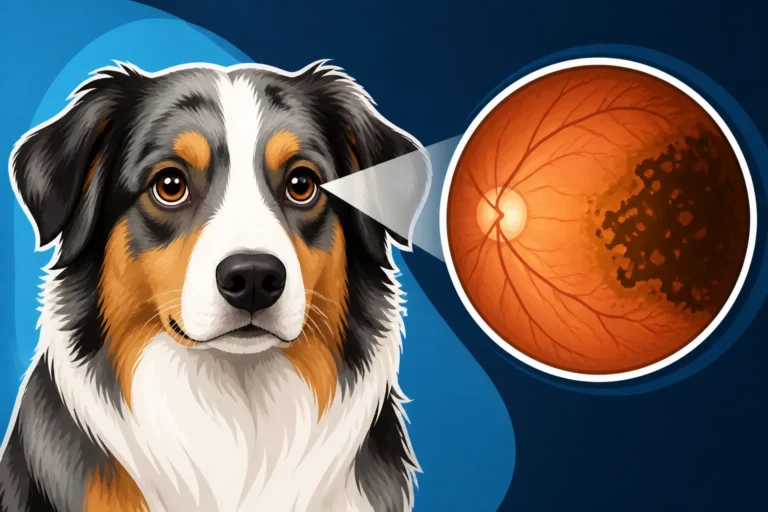
The pigment-producing cells affected by the double merle gene play a crucial role in the development of the eyes. This means that many double merle Aussies suffer from various degrees of vision impairment, ranging from mild issues to complete blindness. Common eye defects include microphthalmia (abnormally small eyes), which can range from subtly undersized to severely underdeveloped. Iris colobomas, or "keyhole pupils," are another frequent finding, where a portion of the iris fails to develop, sometimes making them more sensitive to light.
Other issues can include detached retinas, cataracts, or a complete lack of an optic nerve. These conditions can result in impaired vision, partial blindness, or total blindness. It's not uncommon for a double merle to be deaf and blind, which presents an even greater set of challenges for their care. Regular eye examinations by a board-certified veterinary ophthalmologist are absolutely essential, especially for puppies, to assess the extent of any vision problems and to monitor for progression. Early detection allows you to prepare for their needs, such as ensuring their environment is consistent and safe for navigation. This is why Eye Defects in a Double Merle Australian Shepherd are so common.
The Importance of Regular Vet Checks and Genetic Screening
Even with the challenges a double merle Aussie might face, regular veterinary care is crucial for managing their overall health. Beyond the initial BAER test and ophthalmology exams, these dogs need routine check-ups just like any other dog. This includes vaccinations, parasite prevention, and monitoring for any other breed-specific health issues. Given their potential for complex health needs, having a vet who is experienced with special needs dogs, or who is willing to learn, is invaluable.
It's also worth discussing pet insurance with your vet. Companies like Healthy Paws offer coverage for unexpected illnesses and accidents, which can be a huge relief if your double merle Aussie faces further medical complications beyond their congenital conditions. While pre-existing conditions (like congenital deafness or blindness) are typically not covered, new illnesses or injuries that arise after enrollment would be. Having a safety net in place can make a significant difference in being able to afford the best possible care throughout your dog's life, especially considering Australian Shepherd Insurance at $35 to $55 a Month. Proactive health management, combined with genetic screening for other common Aussie ailments like hip dysplasia or epilepsy, ensures you're doing everything possible to support your beloved companion. You should always insist on seeing The Genetic Panel Every Australian Shepherd Needs for both parents before acquiring any puppy.
Preventing Double Merle Deafness
The vast majority of deafness and severe eye defects in Australian Shepherds is entirely preventable through responsible breeding practices. Educating potential owners and supporting ethical breeders are key to reducing the incidence of double merle puppies.
The Role of Responsible Breeding and Genetic Testing
Responsible breeders are the cornerstone of healthy dog populations. For Australian Shepherds, this means a deep understanding of genetics, particularly the merle gene. A responsible breeder will never intentionally breed two merle dogs together. Instead, they will breed a merle dog to a non-merle (bi or tri-color) dog. This combination typically produces a litter of approximately 50% merle and 50% non-merle puppies, none of whom will be at risk of being a double merle, thereby eliminating the risk of merle-related deafness and severe eye defects.
Furthermore, ethical breeders utilize genetic testing for their breeding stock. Beyond the merle gene, they screen for other common Australian Shepherd health concerns such as the MDR1 Mutation Half of Australian Shepherds Carry, hereditary cataracts, and hip/elbow dysplasia. They should readily provide copies of these test results for both parent dogs. They also ensure their puppies receive a thorough veterinary check-up, including an eye exam by a veterinary ophthalmologist (ACVO exam) at around 6-8 weeks of age, before they go to their new homes. This proactive approach ensures puppies are as healthy as possible and that congenital issues are identified early. A truly dedicated breeder prioritizes health and temperament above all else, ensuring that A Quarter of a Merle Aussie Litter Born Double is never a reality in their breeding program.
Table: Common Double Merle Health Concerns and Management
| Health Concern | Description | Typical Onset | Management Strategies |
|---|---|---|---|
| Deafness | Partial or complete inability to hear, often bilateral. | Congenital | BAER test for diagnosis. Communication via hand signals/body language. Secure, predictable environment. "Deaf Dog" tags. GPS tracking. Focus on visual training methods and mental enrichment. |
| Microphthalmia | Abnormally small eyes, potentially leading to reduced vision or blindness. | Congenital | Early veterinary ophthalmologist exam. Environmental modifications for safety if vision is impaired (consistent layout, safe paths). Use sound/scent cues if partial vision, or full touch/verbal cues if fully blind. |
| Iris Coloboma | A 'keyhole' shaped pupil due to incomplete iris development. | Congenital | Veterinary ophthalmologist exam. Protection from bright light (sunglasses/hat in strong sun) if light sensitivity is present. Regular monitoring for secondary issues. |
| Cataracts | Clouding of the eye lens, causing blurred vision or blindness. | Congenital/Early Adult | Veterinary ophthalmologist exam. May be treated with surgery if severe and dog is a good candidate. Otherwise, environmental adjustments for vision impairment. |
| Skin Sensitivity | Increased likelihood of sunburn due to white/pink skin, especially on nose/ears. | Ongoing | Use pet-safe sunscreen on exposed skin (nose, ears). Limit sun exposure during peak hours. Provide shaded areas outdoors. Regular skin checks for irritation or lesions. |
Disclaimer
The information provided in this article is for general educational purposes only and should not be considered a substitute for professional veterinary advice. Always consult with a qualified veterinarian or veterinary specialist for any health concerns or before making any decisions related to your Australian Shepherd's care.