Keeping a Working Australian Shepherd Lean
It’s a common challenge for Australian Shepherd owners: you’ve got this powerhouse of a dog, always on the go, burning through calories like wildfire, and yet sometimes, keeping them in that ideal lean, athletic condition feels like a constant battle. Whether they’re actively working livestock, tearing up an agility course, or simply being the energetic companions we love, finding that sweet spot for their weight is crucial for their long-term health and performance. This guide will walk you through understanding your working Aussie's unique nutritional needs, how to accurately feed them, and how to keep them perfectly lean and healthy.
The Energy Demands of a Working Australian Shepherd
Australian Shepherds were bred for stamina, agility, and quick bursts of speed. They are, at their core, working dogs, and even those in pet homes often retain that inherent drive and energy. This high metabolism means their nutritional needs are fundamentally different from a lazier, less active breed. You're not just feeding a dog; you're fueling an athlete.
Why Leanness Matters for Active Aussies
When we talk about a "lean" Australian Shepherd, we're not talking about a dog that looks bony or underfed. Instead, we're aiming for an athletic physique where you can easily feel their ribs without pressing hard, see a distinct waist tuck, and notice good muscle definition. This isn't just for aesthetics; it's a critical component of their health and longevity. Every extra pound your Aussie carries puts unnecessary stress on their joints, particularly their hips and elbows, which are already prone to issues like hip and elbow dysplasia. Imagine asking a marathon runner to carry a backpack full of bricks – that's what extra weight feels like to your active dog.
Beyond joint health, an ideal lean body condition also contributes to better stamina, agility, and a reduced risk of heat stress, especially for those working outdoors in warmer climates. An overweight Aussie will fatigue faster, be less efficient in their movements, and struggle more to regulate their body temperature, which can be dangerous during intense activity. Leanness helps them stay cooler and perform at their peak, minimizing the risk of injury and discomfort.
How an Aussie's Metabolism Adapts to Work
Australian Shepherds are incredibly efficient at converting food into energy, but their energy requirements fluctuate dramatically based on their activity levels. A dog spending hours herding sheep will have vastly different needs from one enjoying casual walks around the neighborhood. Their metabolism is wired to handle intense, intermittent bursts of activity, followed by periods of rest. This means they need a consistent supply of high-quality fuel to support muscle maintenance, energy production, and recovery.
Their bodies are constantly burning calories to maintain body temperature, support organ function, and, most importantly, power their incredible drive. When they engage in strenuous activity, their caloric burn skyrockets. This adaptation means that while they can burn a lot of calories, if their intake consistently exceeds their output, even by a small amount, that excess will quickly turn into fat. Conversely, if they aren't getting enough fuel, they can lose muscle mass and struggle to recover, impacting their performance and overall health. Understanding this dynamic is key to feeding them appropriately, ensuring they have the energy they need without packing on unwanted pounds.
Calculating Your Aussie's Daily Calorie Requirements
Figuring out exactly how many calories your working Australian Shepherd needs can feel like trying to solve a complex math problem, especially because it's not a static number. It changes based on so many factors, and what works for one Aussie might be too much or too little for another. The goal is to find a starting point and then fine-tune it based on your dog's individual response.
Factors Influencing Calorie Needs
Several key factors play a massive role in determining your Aussie's caloric requirements:
- Age: Puppies need more calories for growth, while senior Aussies, especially if they're slowing down, will need fewer. An adolescent Aussie in the thick of their "teenage months" might be a bottomless pit of energy, requiring more fuel than a mature adult. An Aussie's Cheapest and Most Expensive Years often reflects these changing needs.
- Activity Level: This is arguably the biggest variable. A dog working eight hours on a farm, participating in daily agility training, or regularly going on long, strenuous hikes will need significantly more calories than one who primarily enjoys leisure walks and indoor play. It's not just how much they move, but the intensity of that movement.
- Neuter Status: Spayed or neutered dogs often have a slightly lower metabolic rate and may require fewer calories to maintain weight, sometimes as much as 20-30% less, compared to intact dogs. This is a common reason why owners might need to recalibrate their Aussie's food intake after surgery. You might need to adjust their diet significantly; read more about Recalculating an Aussie Ration After Neutering.
- Environmental Temperature: Dogs burn more calories trying to stay warm in cold weather. Conversely, in extreme heat, some dogs may become less active and therefore require fewer calories, though hydration becomes even more critical.
- Individual Metabolism: Just like people, some Aussies simply have a faster or slower metabolism, and what’s adequate for one might not be for another, even with similar activity levels. Genetics can play a role here too, especially if your Aussie comes from lines known for intense drive.
Estimating a Starting Point
When you're first trying to nail down your Aussie's caloric intake, don't just guess. Start with a baseline. A general rule of thumb for adult dogs is around 25-30 calories per pound of body weight per day for moderately active dogs. For a highly active working Australian Shepherd, this can easily jump to 35-45 calories per pound, or even higher on intense work days.
So, if your working Aussie weighs 50 pounds, a starting point might be 50 lbs * 35 calories/lb = 1750 calories per day. This is just an estimate! The best way to get a more accurate number is to use an online calculator that considers their weight, age, and activity level, or consult with your vet. Many dog food brands also provide feeding guidelines based on weight and activity, but remember these are averages and should be adjusted for your specific dog. It's really about finding the right balance for your dog. For more detailed insights, check out Daily Calories for a Thirty-Five to Seventy Pound Aussie.
Adjusting for Different Workloads
The truth is, your Aussie's calorie needs won't be the same every single day. A day spent herding cattle for several hours is vastly different from a leisurely Sunday afternoon at home. You need to become adept at adjusting their food intake to match their energy output.
Consider a baseline "rest day" amount of food, then increase it on "work days." For example, if your Aussie normally gets 1800 calories, on a day they do a three-hour agility practice or a long hike, you might need to increase that by 20-30% or more. This could mean adding an extra meal, a higher calorie snack, or simply feeding a slightly larger portion of their regular food. Learning to adapt their diet for Feeding an Australian Shepherd on a Working Day is a skill you'll develop over time. It's not about being rigid, but being responsive to their needs. Conversely, if there's a rainy week and activity is lower, don't be afraid to slightly dial back their food for a few days to prevent unnecessary weight gain.
Selecting the Best Diet for a Lean Working Dog
The type of food you choose for your Australian Shepherd is just as important as the amount. High-quality ingredients provide the necessary nutrients for sustained energy, muscle repair, and overall health, without unnecessary fillers that can contribute to weight gain or digestive upset.
High-Quality Protein and Fat Sources
For a working Australian Shepherd, protein is paramount. It’s the building block for strong muscles, aids in recovery after strenuous exercise, and helps maintain a lean body mass. Look for foods where a named meat source (e.g., chicken meal, lamb, beef) is one of the first few ingredients. Aim for a diet with at least 25-30% protein, and even higher for very active dogs or those in intense training.
Healthy fats are another critical component. They provide a concentrated source of energy, support a healthy coat and skin, and help with nutrient absorption. Look for animal fats like chicken fat, and beneficial omega fatty acids from sources like fish oil. A good working dog formula will often have a fat content of 15-20%. These fats fuel their endurance without causing a sugar crash and support their joints, which is particularly important for an active breed. You can also supplement with fish oil for Joint Support in a Working Aussie Diet if your diet is lacking.
The Role of Carbohydrates and Fiber
Carbohydrates are not the enemy for working dogs; in fact, they're essential for sustained energy. Complex carbohydrates like whole grains (brown rice, oats, barley) or sweet potatoes provide a slow, steady release of glucose, which fuels muscle activity and helps replenish glycogen stores after exercise. Avoid foods with excessive simple sugars or highly refined grains, which can lead to energy spikes and crashes.
Fiber, often found in those same carbohydrate sources, is crucial for digestive health and can help your Aussie feel fuller. It promotes regular bowel movements and can aid in nutrient absorption. Ingredients like beet pulp, peas, or flaxseed are common fiber sources in quality dog foods. They prevent constipation and keep their gut running smoothly, which is vital for nutrient uptake.
Choosing Commercial Diets vs. Home-Prepared
Most owners opt for commercial dry kibble or wet food, and there are many excellent options available designed specifically for active or large breed dogs. Brands like Purina Pro Plan, Royal Canin, and Victor often have performance-oriented formulas. When browsing stores like Chewy or Amazon, you'll find a vast selection, but always check the ingredient list carefully. Look for clear, identifiable protein and fat sources, and avoid excessive fillers or artificial additives.
For those considering home-prepared meals, either cooked or raw, be aware that it's a significant commitment to ensure a nutritionally complete and balanced diet. Simply feeding chicken and rice is not enough. You need to include the right balance of proteins, fats, carbohydrates, vitamins, and minerals. Consult with a veterinary nutritionist if you go this route to prevent deficiencies or excesses. Companies like Ollie offer fresh, human-grade, pre-portioned meals that can be a great option for owners who want the benefits of a fresh diet without the hassle of balancing recipes themselves. They also often allow for precise calorie control.
No matter your choice, ensure the diet is appropriate for your Aussie's life stage, activity level, and any specific health concerns. The best food is one your dog thrives on and maintains a healthy weight with.
Portion Control and Meal Timing for Optimal Weight
Once you've chosen a high-quality food, the next crucial step is consistent and accurate portion control. This is where many owners unintentionally sabotage their efforts to keep their Aussie lean. What looks like "a cup" to the eye can vary wildly, and even small daily overages add up quickly.
Weighing Food for Accuracy
This might sound obsessive, but it's the single most effective thing you can do for accurate portion control: buy a digital kitchen scale and weigh your Aussie's food. Scoops can vary significantly. A "cup" of kibble can range from 3 to 4 ounces depending on the kibble density and how tightly packed it is. Over the course of a week, even a half-ounce difference per meal can add hundreds of unnecessary calories.
Most quality dog foods provide calorie counts per cup or per gram. Using a scale allows you to measure out the exact caloric intake you've determined for your dog. For example, if your bag says there are 350 calories per cup, and your Aussie needs 1750 calories, that's exactly 5 cups – and you can weigh that precisely. This removes all guesswork. You can easily find affordable kitchen scales on Amazon or Chewy that will make this process simple and consistent every day. Trust me, it makes a huge difference in maintaining that lean physique. Learn more about Why an Aussie Ration Should Be Weighed.
Splitting Meals for Digestion and Satiety
Feeding your Australian Shepherd two meals a day, rather than one large one, offers several benefits. Firstly, it can aid digestion, as their system isn't overloaded with a huge amount of food at once. This is particularly important for deep-chested breeds like Aussies, as it can help reduce the risk of bloat (gastric dilatation-volvulus), a life-threatening condition. Splitting meals also provides a more consistent energy supply throughout the day, preventing drastic peaks and valleys in their blood sugar. Learn about Splitting an Australian Shepherd's Ration Into Two Meals and its many benefits.
Secondly, two meals can help with satiety. Giving them food twice a day helps them feel full more regularly, which can reduce begging behavior or the feeling that they are constantly hungry. If your Aussie is a "gulper," consider using slow feeder bowls, which can also be found on Chewy or Amazon, to make them eat more slowly, further aiding digestion and reducing bloat risk. Read about Bloat Warning Signs in an Australian Shepherd to be prepared.
Smart Snacking and Training Treats
Let's be real: we all give our dogs treats. It's a fundamental part of bonding and training. But those treats, no matter how small, contain calories that need to be accounted for in their daily total. For a working Aussie, you might be using treats extensively during training sessions. Instead of thinking of them as "extra," factor them into the overall daily calorie budget.
Opt for low-calorie training treats, or even better, use small pieces of their regular kibble. If you're giving a larger, higher-calorie chew or biscuit, reduce their next meal portion accordingly. Many active Aussie owners find that small, pea-sized pieces of cooked chicken, carrots, or green beans make excellent low-calorie, high-value training rewards. Remember, every treat is a mini-meal, so choose wisely to keep your Aussie lean. The goal is to reward without over-feeding.
Monitoring Your Australian Shepherd's Body Condition
Even with careful calorie counting and meal planning, your Aussie's body condition can fluctuate. Regular, objective assessment is key to staying on top of their weight. This isn't just about looking at them; it's about getting hands-on and understanding what a healthy working dog feels like.
The Body Condition Score System
The Body Condition Score (BCS) system is a fantastic tool used by veterinarians worldwide to objectively assess an animal's fat reserves. It typically ranges from 1 (emaciated) to 9 (obese), with 4 or 5 being the ideal for most dogs. For an active, working Australian Shepherd, an ideal score might even lean towards a 4, indicating a very lean, athletic build.
To perform a BCS:
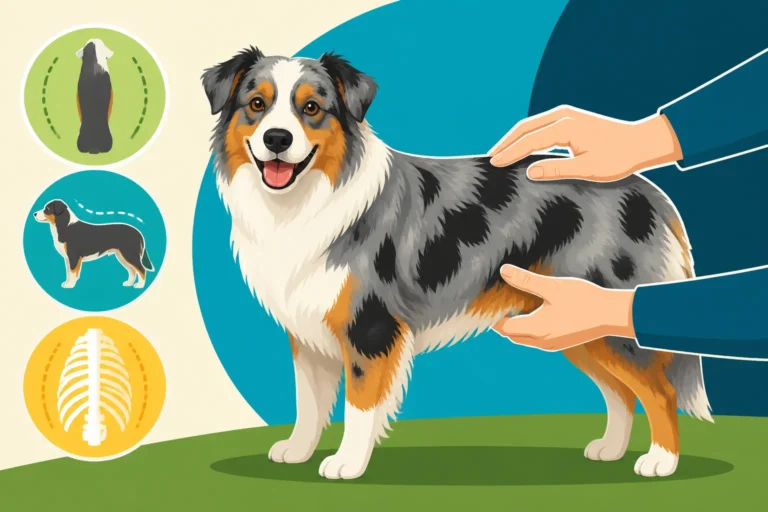
- Ribs: Gently run your hands along your Aussie's sides. You should be able to easily feel their ribs, but not see them prominently without pressing. If you have to dig to feel them, they're likely carrying too much weight. If they're clearly visible and feel sharp, they might be too thin.
- Waist: Look down at your Aussie from above. You should see a clear "waist" indentation behind their rib cage. If they look like a straight line or are wider at the waist than the chest, they're probably overweight.
- Abdominal Tuck: Observe your Aussie from the side. Their abdomen should tuck up behind their rib cage, not hang low. A significant tuck is a sign of leanness.
Practicing this regularly, perhaps weekly, allows you to catch any changes early. It’s a vital part of Scoring an Aussie Body Condition by Hand.
Visual Cues of an Ideal Weight
Beyond the hands-on BCS, there are several visual cues that indicate your Aussie is at a healthy, lean weight:
- Side Profile: When viewed from the side, a working Aussie should appear athletic and agile. You should see a distinct tuck-up of the abdomen towards the hindquarters. Their chest should be deep, and their loin strong.
- Overhead View: From above, you should easily discern a waistline that tapers in from the rib cage. They should not appear "barrel-chested" all the way back. Their musculature should be visible, especially in their hindquarters, but without any sag or excessive padding.
- Movement: A lean Australian Shepherd moves with fluidity, grace, and effortless energy. They shouldn't appear heavy-footed or sluggish. Their gait should be powerful and unencumbered.
These visual assessments, combined with the hands-on BCS, give you a comprehensive picture of your Aussie's weight status. It's about looking for that balance between muscle and minimal fat cover that allows them to perform their jobs effectively.
The Dangers of Being Too Thin or Overweight
Both extremes of body condition pose significant health risks for your Australian Shepherd.
Being Overweight: This is the more common problem. Excess weight can lead to:
- Joint Problems: Worsens hip and elbow dysplasia, accelerates arthritis, and increases risk of cruciate ligament tears. Australian Shepherd Hip Dysplasia and Working Joints explains this in detail.
- Reduced Stamina: They'll tire faster, making it harder for them to do the work they love.
- Heat Intolerance: Extra fat acts as insulation, making them more susceptible to overheating.
- Increased Risk of Diseases: Diabetes, heart disease, certain cancers, and liver problems.
- Shorter Lifespan: Studies consistently show that maintaining a lean body condition can add years to a dog's life.
Being Too Thin: While less common for the average pet Aussie, working dogs can sometimes be underfed for their extreme energy output. Being too thin can lead to:
- Lack of Energy: Insufficient fuel for their demanding activities.
- Muscle Loss: The body will break down muscle for energy if not enough calories are consumed.
- Weakened Immune System: Can make them more susceptible to illness.
- Poor Coat Condition: A dull, brittle coat lacking essential oils.
- Bone Density Issues: Inadequate nutrition can impact bone health over time.
A healthy lean weight ensures your Aussie has the reserves to handle their demanding lifestyle without compromising their long-term health. A useful table to help you assess your dog:
| Body Condition Score (BCS) | Ribs | Waist | Abdominal Tuck | General Appearance |
|---|---|---|---|---|
| 1: Emaciated | Ribs, lumbar vertebrae, pelvic bones easily seen | Extreme hourglass | Profound | Severe loss of muscle mass, prominent bones |
| 2: Very Thin | Ribs easily seen, other bones visible | Marked hourglass | Obvious | Minimal body fat, some muscle loss |
| 3: Thin | Ribs easily felt, minimal fat cover | Readily apparent hourglass | Visible | Minimal fat, clear waist and tuck |
| 4: Ideal (Lean Working Dog) | Ribs easily felt with slight fat cover | Well-proportioned, distinct waist | Good tuck-up | Lean, athletic, good muscle definition, no excess fat |
| 5: Ideal (Average Pet Dog) | Ribs easily felt with slight fat cover | Well-proportioned, slight waist | Abdominal tuck apparent | Well-proportioned, slight waist, smooth contours |
| 6: Overweight | Ribs palpable but with slight difficulty | Little to no waist | Minimal abdominal tuck | Rounded appearance, fat deposits over lumbar area |
| 7: Heavy | Ribs felt with difficulty, heavy fat cover | Barely discernible waist | No abdominal tuck, may sag | Obvious fat deposits, heavy abdomen |
| 8: Obese | Ribs not palpable without heavy pressure | Absent waist | Obdomen enlarged, sagging | Massive fat deposits, distended abdomen |
| 9: Severely Obese | Massive fat deposits cover ribs | Absent, body appears spherical | Obvious abdominal distention and sagging | Grossly overweight, difficulty moving, extensive fat |
Troubleshooting Weight Management Issues
Even with the best intentions and diligent efforts, you might encounter bumps in the road when trying to maintain your Australian Shepherd's ideal weight. It's not always a straightforward path, and some common issues can make it feel like an uphill battle.
When Your Aussie Isn't Gaining or Losing
If your Aussie isn't responding to your dietary adjustments – whether they're struggling to gain weight despite adequate food, or simply not losing pounds even with calorie reduction and increased exercise – it's time to consider a vet visit. There could be an underlying medical issue at play. Conditions like thyroid disease (hypothyroidism), gastrointestinal parasites, or other metabolic disorders can affect a dog's ability to maintain a healthy weight.
A vet can perform a thorough examination, including blood work and fecal tests, to rule out any health problems. For instance, Australian Shepherd Autoimmune Thyroiditis could be a culprit if your dog isn't metabolizing food efficiently. Once medical issues are ruled out, it might be a matter of re-evaluating your calorie calculations, being even more precise with weighing food, or adjusting the type of food to be more calorie-dense or easier to digest. Sometimes, small changes to the diet or even a change in protein source can make a big difference.
Dealing with Picky Eaters or High-Drive Dogs
Some working Aussies can be notoriously picky, or they might be so high-drive that food becomes secondary to their focus on "work." This can make getting enough calories into them a challenge, especially if they are burning thousands a day.
- Picky Eaters: Try incorporating wet food or a high-quality fresh food like Ollie to make meals more appealing. You can also add a small amount of low-sodium broth or a favored, healthy topper to their kibble. Puzzle feeders can sometimes make mealtime more engaging for some dogs, turning it into a mental exercise. Don't leave food down all day; establish meal times and pick up anything uneaten after 15-20 minutes to reinforce that food is offered at specific times.
- High-Drive Dogs: For dogs so focused on activity that they seem to forget to eat, you might need to increase the calorie density of their food rather than just the volume. Look for foods specifically formulated for "high-performance" or "working" dogs, which typically have higher fat and protein content. You could also try feeding smaller, more frequent meals, or offering a high-calorie snack during a break in activity. Some dogs also prefer to eat in a quiet, low-stimulus environment, away from the hustle and bustle that might distract them. Remember, for a truly driven dog, sometimes even the best food won't compete with a tennis ball or a sheep, so finding that window when they can relax and eat is key. You might also want to look into Whether an Australian Shepherd Needs a Job to Be Calm and whether that impacts their eating habits.
Adapting Diet for Senior or Retired Aussies
As your Australian Shepherd enters their senior years, typically around age 7-8, and certainly after 10, their metabolism naturally slows down, and their activity levels usually decrease. The high-calorie, performance-driven diet they thrived on in their prime will likely become too much. This is a critical time to adjust their diet to prevent weight gain, which can exacerbate age-related joint pain and other health issues.
Transition to a senior-specific formula, which is often lower in calories, fat, and protein but may contain added joint-supporting supplements like glucosamine and chondroitin. Continue to monitor their body condition score closely, as even a slight weight gain can make a big difference to an aging body. You might find you need to reduce their portion sizes significantly. Conversely, some senior Aussies might lose appetite or struggle to digest their food, in which case a more palatable, easily digestible diet might be necessary. It's a fine balance, and regular vet check-ups are essential to guide these decisions and ensure your senior Aussie stays comfortable and healthy. You can find more specific advice in Senior Australian Shepherd Care After Ten.
Disclaimer
This article is for general informational purposes only and does not constitute professional advice. Laws, prices and regulations vary by location and change over time. Consult a qualified professional for guidance on your specific situation.