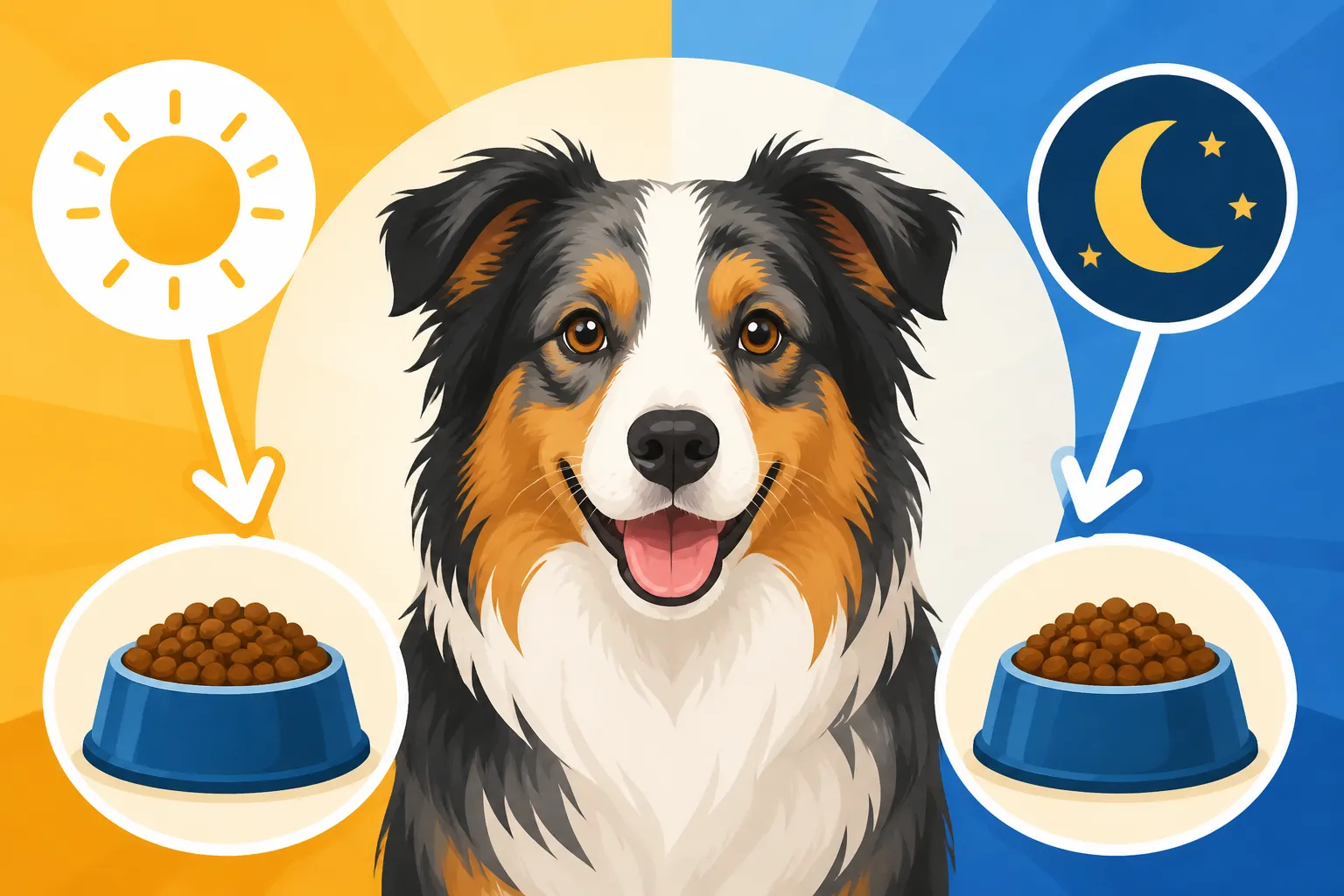
Splitting an Australian Shepherd’s Ration Into Two Meals
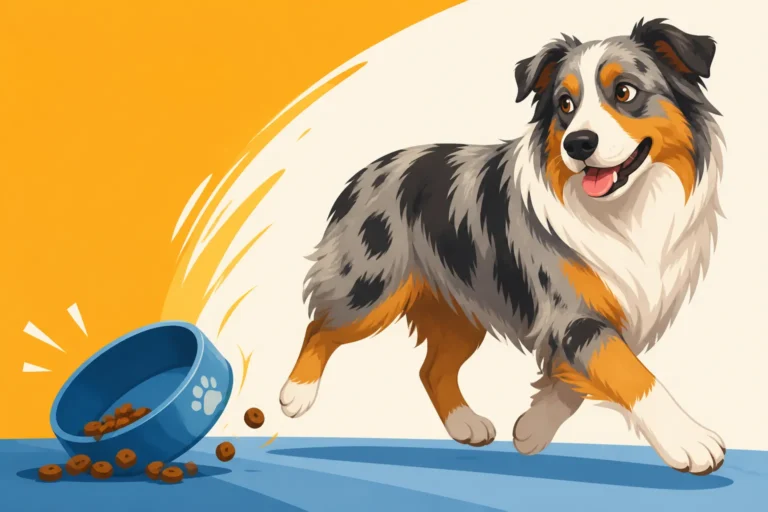
It’s a scenario many Australian Shepherd owners know all too well: you put down a bowl of food, and within what feels like mere seconds, it’s empty, leaving your enthusiastic Aussie looking up at you with hopeful eyes as if to ask, “Is that all there is?” This frantic gulping isn't just a quirky habit; it can actually lead to serious health concerns and leave your high-energy companion feeling hungry and unsettled between meals. This guide is here to walk you through the very real benefits of splitting your Australian Shepherd's daily food ration into two smaller, more manageable meals, offering practical steps to make this transition smooth and beneficial for both you and your furry friend.
Why Two Meals Are Better Than One for Your Australian Shepherd
The hustle and bustle of modern life often mean we feed our dogs once a day, usually in the evening when we're home and settled. It feels convenient, efficient. But for a breed like the Australian Shepherd, with their deep chests, high metabolisms, and sometimes overly enthusiastic eating habits, this single large meal approach can be a recipe for discomfort, if not outright danger. Moving to a twice-daily feeding schedule isn't just about adhering to some arbitrary rule; it’s about genuinely improving their digestive health, managing their energy, and even mitigating serious risks.
Preventing Bloat: A Real Aussie Concern
One of the most terrifying health emergencies for deep-chested breeds, and Australian Shepherds definitely fall into this category, is Gastric Dilatation-Volvulus, commonly known as bloat. This isn't just an upset stomach; it's a life-threatening condition where the stomach fills with gas, twists, and cuts off blood flow, requiring immediate emergency surgery. It comes on fast, and it can be fatal.
Eating a single, large meal quickly can be a significant contributing factor to bloat. When an Aussie gulps down a huge volume of food, they often swallow a lot of air along with it. This, combined with the food, can cause the stomach to expand rapidly. If that expanded stomach then twists, you have a critical situation. By splitting their daily ration into two smaller meals, you reduce the sheer volume of food and air ingested at any one time, dramatically lowering the risk of this terrifying condition. It’s one of those proactive steps you take that can genuinely save your dog’s life.
Better Digestion and Nutrient Absorption
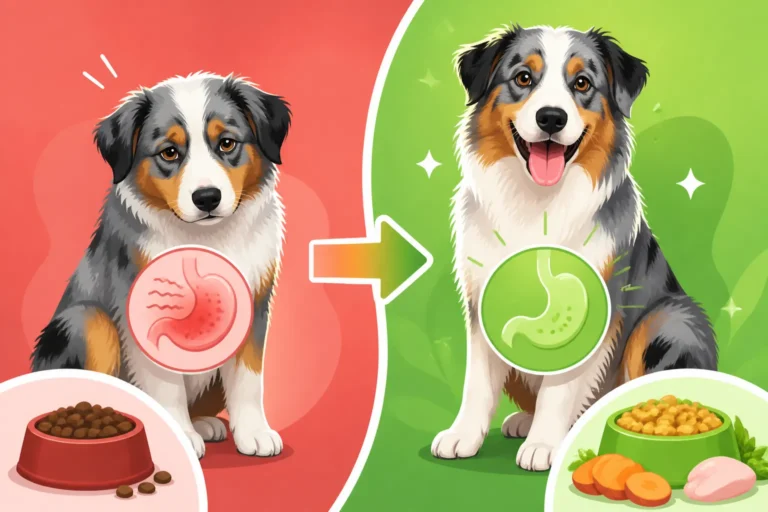
Think about how you feel after eating a massive holiday feast. Bloated, sluggish, maybe a bit uncomfortable, right? Your Aussie can feel similarly after consuming their entire day's calories in one go. Their digestive system has to work overtime to process that large volume of food, which can lead to indigestion, gas, and less efficient nutrient absorption.
Smaller, more frequent meals are simply easier on their system. It allows the digestive tract to process food at a more manageable pace, breaking down nutrients effectively and absorbing them into the bloodstream where they can fuel that boundless Aussie energy. This means your dog is getting more out of their food, and their stomach isn't constantly overloaded. You might notice fewer episodes of soft stool or general gastrointestinal upset when their system isn't trying to tackle a mountain of kibble all at once. It’s about creating a steady, gentle flow rather than a sudden deluge for their stomach to handle.
Managing Hunger and Energy Levels
Australian Shepherds are bright, active, and can be quite demanding, especially when their needs aren't being met. One of those needs is consistent energy. When an Aussie eats one large meal, they get a big spike in energy and then can experience a significant drop as the food is digested. This can lead to them feeling "hangry" or having low energy dips mid-day, potentially translating into undesirable behaviors like excessive begging, raiding the pantry, or just generally being a bit more agitated or restless.
Splitting meals provides a more consistent supply of energy throughout the day. A morning meal fuels their initial burst of activity, and an afternoon or early evening meal tops them up, keeping their blood sugar more stable and their energy levels more even. This can lead to a calmer, more focused dog, less prone to intense hunger pangs or the kind of frantic excitement that builds up around a single, highly anticipated mealtime. It helps them feel satisfied and regulated, which in turn helps you manage their behavior and happiness.
How to Successfully Transition Your Aussie to Two Meals
Making a change to your dog's routine can feel daunting, especially when it involves something as fundamental as food. But transitioning your Australian Shepherd from one meal a day to two is usually quite straightforward, and the benefits far outweigh any initial hiccups. The key is to be consistent, pay attention to your dog's cues, and remember that you’re not feeding them more food, just distributing their existing daily amount more effectively.
Calculating the Total Daily Ration
The most crucial step in splitting meals is to understand that you are not increasing the total amount of food your Aussie receives in a 24-hour period. You're simply dividing that total into two portions. If your dog is currently eating, say, two cups of food once a day, they will now get one cup in the morning and one cup in the evening. It sounds simple, but it’s easy to accidentally overfeed if you're not careful.
First, determine your Australian Shepherd's appropriate total daily food intake. This is usually based on their weight, age, activity level, and the specific food you're feeding. Your dog's food bag will have a feeding guide, or your veterinarian can provide a precise recommendation. For many active, adult Australian Shepherds, this might be anywhere from 2 to 4 cups of a high-quality kibble per day, but it really varies. Once you have that number, simply divide it by two. For instance, if your Aussie needs 2.5 cups daily, they'll get 1.25 cups per meal. For ultimate accuracy, especially if you're managing weight, it's best to Why an Aussie Ration Should Be Weighed using a kitchen scale rather than relying solely on measuring cups, as kibble density can vary greatly.
Choosing the Right Meal Times
Establishing a consistent feeding schedule is incredibly important for dogs. They thrive on routine, and knowing when to expect their meals helps regulate their digestive system and reduces anxiety around food. For two meals, the most common and effective approach is a morning and an evening meal, typically spaced about 8 to 12 hours apart.
Consider your own daily schedule and your Aussie's activity patterns. Many people choose to feed their first meal shortly after their own breakfast, or after their dog’s first potty break and a short walk, say around 7:00 AM. The second meal could then be in the late afternoon or early evening, perhaps around 5:00 PM or 6:00 PM, before your own dinner or any evening activities. It's usually best to feed before any strenuous exercise, allowing time for digestion, but a relaxed morning walk is fine. The exact times aren't as important as the consistency. Try to stick to roughly the same times every day, even on weekends, to help your Aussie adjust and anticipate their meals without becoming overly anxious or demanding.
Gradual Introduction and Observation
While some Aussies might take to a new feeding schedule with no issues, it’s often best to introduce changes gradually to avoid upsetting their digestive system. A sudden shift can sometimes lead to an upset tummy, even if the total food amount is the same.
You can start by slightly reducing the morning meal and offering a smaller portion in the evening for a few days, then gradually balance the portions over a week or two. For example, if they usually eat 2 cups at night, you might do 1.5 cups at night and 0.5 cups in the morning for a few days, then 1.25 cups and 0.75 cups, until you reach two equal portions. Pay close attention to your Australian Shepherd during this transition. Are they finishing both meals? Are they showing any signs of digestive upset like diarrhea or vomiting? Are they still overly hungry between meals, or are they content? Most dogs adapt quickly, especially when they realize two meals means food comes around more often! Don't be afraid to adjust the timing slightly or the exact split if you notice your Aussie struggling with one specific time or portion size.
Enhancing Mealtime for a Fast Eater or Bored Aussie
Simply splitting meals is a fantastic step, but for many Australian Shepherds, the problem isn't just when they eat, but how. Their intelligence and intense work drive mean they can become bored or eat too quickly, even with two meals. Mealtime can be an incredible opportunity for enrichment, to slow down their eating, and to engage their brilliant minds.
Slow Feeder Bowls and Puzzle Toys
If your Aussie is a champion gulper, even with smaller portions, you absolutely need to introduce tools that slow them down. Fast eating isn't just uncouth; it increases the risk of bloat, as discussed earlier, and can lead to indigestion. Slow Feeder Bowls for an Australian Shepherd are specifically designed with ridges, mazes, or pillars that force your dog to eat around obstacles, making each bite take longer. These can turn a 30-second meal into a 5-10 minute activity.
Beyond dedicated slow feeders, puzzle toys can make mealtime a true mental exercise. You can find a huge variety of these online from retailers like Chewy or Amazon. These toys require your Aussie to manipulate them – nudging, rolling, or solving a simple puzzle – to release kibble. This transforms eating into a "job," something an Australian Shepherd instinctively craves. Not only does it slow down their consumption, but it also provides valuable mental stimulation, which is just as tiring and satisfying for an Aussie as physical exercise.
Enrichment Beyond the Bowl
Why confine mealtime to a bowl at all? For an Australian Shepherd, food is a high-value motivator and can be used in countless ways to provide enrichment and training opportunities. Instead of just dumping their breakfast or dinner into a bowl, think about how you can make them work for it in a fun, engaging way. This aligns perfectly with their natural instincts to herd, search, and problem-solve.
You can use a portion of their meal as training rewards throughout the day. Instead of offering plain kibble in a bowl, have them earn it with sits, stays, downs, or recalls. Another fantastic option is scatter feeding: simply toss their measured meal across your yard or a clean floor. They'll have to use their nose and search, which is incredibly mentally fatiguing and satisfying for a dog. You could also stuff a Kong or a similar durable chew toy with some of their moistened kibble, perhaps mixed with a little plain yogurt or peanut butter, and freeze it. This will keep them happily engaged for a long time. Giving an Australian Shepherd a Job Instead of a Walk can often be achieved through these types of mental challenges, turning routine into an adventure.
Water Access and Post-Meal Rest
Regardless of how or when you feed your Australian Shepherd, always ensure they have constant access to fresh, clean water. This is especially vital when they're eating dry kibble, which can be dehydrating. Hydration aids digestion and overall health. On hot days or after vigorous activity, their Australian Shepherd Water Needs on a Long Day Out will be even higher, so keep that bowl topped up!
Finally, and this is a non-negotiable rule, always enforce a period of rest after your Aussie eats. This goes back to preventing bloat. Strenuous exercise, running, jumping, or even intense play immediately after a meal can increase the risk of the stomach twisting. A good rule of thumb is to allow for at least 30-60 minutes of calm activity or rest before and after meals. This means no intense fetch sessions right after breakfast, and if you're taking an evening walk, make it a leisurely stroll rather than a power hike. How Long to Rest an Aussie After a Meal is a small habit that can make a huge difference in their long-term health.
Common Challenges and Troubleshooting
Even with the best intentions, transitioning to a new feeding schedule can sometimes hit a snag. Dogs are creatures of habit, and while most adapt well, some might express their opinions or exhibit behaviors that require a little finessing. Don't get discouraged if things aren't perfectly smooth right away; troubleshooting is part of being a dedicated Australian Shepherd owner.
My Aussie Won't Eat All Its Second Meal
This is a fairly common issue, especially if your dog has been used to eating a single, large meal for a long time. They might simply not feel hungry enough for the second portion, or their body clock is still expecting one big feast.
First, consider the timing. Is the second meal too close to the first, or too late in the evening when they’re winding down? Try adjusting the timing slightly to give them more time to digest or to align with when they naturally get a bit peckish again. Also, ensure you've accurately measured their Daily Calories for a Fifty Pound Australian Shepherd and divided it correctly; perhaps their overall daily intake was a bit high to begin with, and now that it's split, they're realizing they don't need that much. Don't leave the food down indefinitely; if they don't eat it within 15-20 minutes, pick it up. This teaches them that food is available at specific times, and if they don't eat it, it's gone. They’ll quickly learn to eat when the food is offered. If this persists, consult your vet to rule out any underlying health issues.
Still Eating Too Fast?
If you've split the meals and your Aussie is still scarfing down their food at an alarming rate, it's time to double down on slow-feeding strategies. A basic slow-feeder bowl is a good start, but some particularly voracious eaters might need something more challenging.
Consider stepping up to a more advanced puzzle feeder, or even trying scatter feeding every meal. Scattering their kibble across a wide area (indoors or out) forces them to search for each individual piece, making it impossible to gulp. You can also try adding a large, smooth rock (too big to swallow) into their regular bowl, which they have to eat around. If you’re using wet food, spreading it thinly on a lick mat can also extend mealtime significantly. Sometimes, the type of food itself can contribute – very small, highly palatable kibble can be easier to inhale. If you’re still concerned about bloat risks despite these efforts, make sure you know the Bloat Warning Signs in an Australian Shepherd inside and out, and discuss preventative measures like a gastropexy with your vet.
Managing Multiple Aussies at Mealtime
If you’re lucky enough to have more than one Australian Shepherd, mealtime can sometimes turn into a competition. Even if your dogs generally get along, resource guarding over food is a very natural instinct. When splitting meals, it's crucial to manage this dynamic carefully to ensure each dog gets their full ration without stress or conflict.
The best strategy is to feed each dog in a separate space. This could mean different rooms, crates, or behind baby gates. This removes the pressure of competition and allows each dog to eat at their own pace without worrying about another dog sneaking a bite. Monitor them, especially initially, to ensure they’re not rushing their food because they can hear or see another dog eating. Once they've finished, remove all bowls promptly. This separation helps maintain peace in the household and reinforces that everyone gets their fair share without having to fight for it. Consistency in these separate feeding routines will make meal times much smoother for everyone involved.
| Feature | Single Large Meal | Two Smaller Meals |
|---|---|---|
| Bloat Risk | Higher (due to large volume/air ingestion) | Lower (reduced volume per sitting) |
| Digestion | Can be challenging, leading to indigestion | Easier, more efficient nutrient absorption |
| Energy Levels | Peaks and valleys (big spike, then crash) | More stable, sustained energy throughout day |
| Hunger Control | Longer periods of hunger between meals | Better satiation, less "hangry" behavior |
| Mental Enrichment | Low (quick consumption from a single bowl) | High (can integrate puzzle feeders, training) |
| Regurgitation | Potentially higher (from overeating/gulping) | Lower |
Disclaimer
This article is for general informational purposes only and does not constitute professional advice. Laws, prices and regulations vary by location and change over time. Consult a qualified professional for guidance on your specific situation.