What the Undercoat Does on an Aussie
It's a common misconception that an Australian Shepherd's beautiful, flowing coat is just for show. Many new Aussie parents, and even some seasoned ones, often find themselves baffled by the sheer volume of fur, especially when that biannual "coat blow" hits. But that thick, dense undercoat isn't merely extra fluff; it’s a critical component of their health and wellbeing, a natural marvel that protects them from the elements. This guide is all about demystifying that incredible undercoat, explaining what it does, and how you can best care for it to keep your Aussie comfortable and healthy.
More Than Just Fluff: Understanding the Australian Shepherd's Undercoat
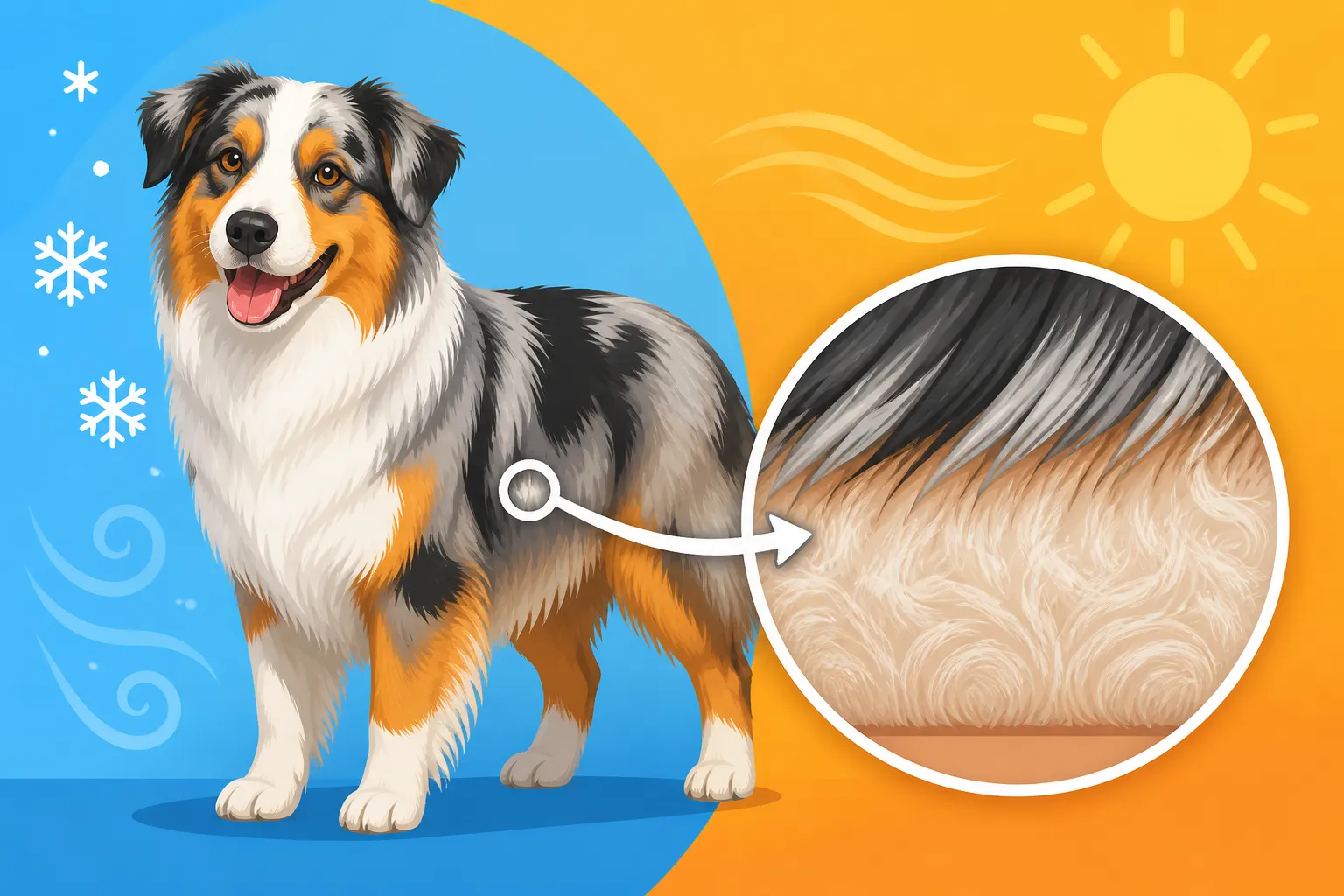
When you run your hand through your Australian Shepherd's fur, you might notice two distinct layers. There's the longer, coarser outer layer, often called the guard coat, which gives them their distinctive look and color. Then, underneath it all, you'll find a softer, denser, almost woolly layer – that's the undercoat. This isn't just aesthetic; it's a highly functional, evolved feature that allowed their ancestors to thrive in harsh, varied environments. Understanding its purpose is the first step in providing the best care for your furry family member.
The Double-Layered Design for Protection
Think of your Aussie's coat as a highly effective, natural climate control system. The guard hairs are like the waterproof outer shell of a jacket, shedding dirt, moisture, and debris, and preventing foreign objects from reaching the delicate skin. These hairs are typically straighter and more resilient. Beneath this protective layer lies the undercoat, which is composed of shorter, very fine, dense hairs. This combination creates a powerful barrier. When you see your Aussie bounding through tall grass or splashing in a puddle, it's this dual-layer system doing its job, protecting their skin from scrapes, bug bites, and the worst of the elements. It’s a testament to their working heritage, a coat designed for function above all else. The Australian Shepherd Double Coat Explained delves deeper into how these two layers work in harmony.
Insulation Against Extremes: Hot and Cold
Perhaps the most crucial role of the undercoat is insulation. Many people mistakenly believe that shaving an Australian Shepherd in summer will keep them cooler, but this couldn't be further from the truth. In fact, shaving can do more harm than good. The undercoat acts like a thermoregulator. In colder weather, its dense fibers trap warm air close to the body, preventing heat loss and keeping your Aussie cozy even when temperatures drop significantly. Imagine wearing a thick wool sweater; that's essentially what the undercoat does.
Conversely, in warmer weather, the undercoat works to keep heat out. It creates an insulating layer that prevents the sun's rays from directly hitting the skin, allowing for proper air circulation to cool the skin. When groomed correctly, with old, dead undercoat removed, it allows air to flow freely, acting like a natural air conditioner. Removing this protective layer exposes their sensitive skin to sunburn and makes it harder for them to regulate their body temperature, actually making them hotter.
Keeping Skin Healthy and Protected
Beyond temperature regulation, the undercoat plays a vital role in maintaining overall skin health. The density of the undercoat, when properly cared for, helps to distribute natural skin oils evenly across the skin surface, keeping it moisturized and supple. This natural oil barrier helps repel water and dirt, and contributes to the coat's natural sheen.
However, if the undercoat isn't regularly brushed and maintained, it can become matted. Mats trap moisture, dirt, and parasites close to the skin, creating an ideal breeding ground for bacteria and yeast infections. These can quickly lead to painful hot spots, skin irritation, and even open sores. A healthy undercoat is a testament to a healthy dog, where proper air circulation prevents dampness and allows the skin to breathe. Without the undercoat, the skin is also more vulnerable to environmental irritants, UV radiation, and physical abrasions.
The Seasonal Saga: Australian Shepherd Coat Blow
If you live with an Australian Shepherd, you’re intimately familiar with the concept of "coat blow." It's not just regular shedding; it's an event, a declaration that your house will momentarily become a tribute to canine fur. This phenomenon is a natural and necessary part of their double-coat system, ensuring their insulation remains perfectly adapted to the changing seasons. Preparing for and managing coat blow is key to maintaining a healthy and comfortable Aussie.
Why Your Aussie "Blows" Its Coat Twice a Year
Australian Shepherds typically experience two major "coat blows" annually, usually in spring and fall. These periods correspond with significant changes in temperature and daylight hours. In the spring, as the days lengthen and warm up, your Aussie will shed its dense winter undercoat to make way for a lighter summer coat. This thinner layer still provides insulation and protection but allows for better airflow to keep them cool.
Conversely, in the fall, as temperatures drop and days shorten, they shed their lighter summer undercoat to grow in a new, thicker winter coat. This process ensures they always have the optimal level of insulation for the prevailing weather conditions. It's an ancient evolutionary adaptation that allowed their ancestors to survive varying climates, and it’s still very much present in our modern companions. For a deeper dive, check out Twice-Yearly Coat Blow in an Australian Shepherd.
Recognizing the Signs of a Full Coat Blow
You'll know when a coat blow is upon you. The most obvious sign is the sheer volume of hair appearing everywhere – on your furniture, your clothes, floating through the air. You might start finding large clumps of soft, woolly undercoat coming out with minimal effort, sometimes even appearing to detach in sheets from their body. When you pet your Aussie, your hands will come away covered in fur.
Beyond the visible shedding, you might notice your Aussie looking a bit shaggier or "fluffier" as the old undercoat starts to loosen and stand away from their body. Sometimes, you can even see small tufts of undercoat poking through their guard hairs. During this time, your regular brushing routine will suddenly become much more productive, pulling out vast amounts of hair that weren't there before. This isn't something to be alarmed about; it's a healthy and natural process, even if it feels like your dog is disintegrating into a pile of fluff.
Managing the Avalanche of Fur During Shedding
Managing a coat blow requires commitment and the right tools. Daily brushing, sometimes even twice a day, becomes essential. Your goal is to remove as much of the dead undercoat as possible before it ends up all over your home or, worse, mats on your dog. Investing in high-quality deshedding tools is paramount. I’ve found that a good undercoat rake and a slicker brush are indispensable. Products from brands like Andis or Furminator, often available on Chewy or Amazon, can make a huge difference in managing the shedding.
A thorough bath can also help loosen dead hair, but be prepared for extensive drying and brushing afterward to prevent mats. After a bath, you must ensure your Aussie is completely dry, right down to the skin, as damp undercoat can quickly become a matted mess. Many owners find professional grooming invaluable during these periods, as groomers have powerful dryers and specialized tools to efficiently remove the shedding undercoat. This proactive approach not only keeps your home cleaner but also keeps your Aussie’s skin healthy and prevents painful matting. Brushing Every Day While an Aussie Sheds offers more tips for this intense period.
Essential Undercoat Care: Brushing, Bathing, and Beyond
Caring for an Australian Shepherd’s undercoat is a year-round commitment, not just a seasonal chore. Regular, consistent grooming is vital to prevent matting, promote healthy skin, and ensure their natural climate control system functions effectively. Skimping on this care can lead to discomfort for your dog and much higher grooming bills down the line.
The Right Tools for Detangling and Deshedding
Having the correct grooming tools makes all the difference in caring for that dense undercoat. You’ll need a few key items in your grooming kit:
- Undercoat Rake: This tool is designed with long, sturdy teeth that penetrate the guard coat and gently pull out loose undercoat without damaging the top coat. It's particularly effective during coat blow.
- Slicker Brush: A slicker brush, with its fine, wire bristles, is excellent for removing loose hair from both the undercoat and guard coat, and for smoothing out the fur. It's great for regular maintenance and finishing touches.
- Pin Brush: Ideal for longer hair and gentle detangling of superficial mats, a pin brush helps maintain the overall health and shine of the coat.
- Dematter Tool/Stripping Knife: For stubborn mats that an undercoat rake can’t handle, a dematter tool can carefully cut through them. Use with extreme caution to avoid cutting your dog’s skin.
Regular use of these tools, perhaps two to three times a week for general maintenance and daily during coat blow, will keep your Aussie’s coat healthy. You can find a wide selection of these grooming essentials on platforms like Chewy or Amazon, often with reviews from other Aussie owners to guide your choice. For specifics on effective tools, see The Rake That Reaches an Aussie Undercoat.
Bathing an Aussie to Cleanse Without Stripping
Bathing an Australian Shepherd correctly is crucial. Their double coat can be challenging to get thoroughly wet and, more importantly, thoroughly dry. Use a good quality dog shampoo that is designed for double coats or is moisturizing, to avoid stripping essential oils from their skin and coat.
When bathing, ensure you work the shampoo all the way down to the skin, not just through the top coat. A thick lather and massaging action will help loosen dead undercoat. Rinsing is even more critical; any shampoo residue left in the undercoat can cause skin irritation and lead to matting. Rinse until the water runs clear and you no longer feel any slickness on the coat.
After rinsing, the drying process is paramount. Never leave an Aussie to air dry, especially if they have a dense undercoat, as this encourages matting and can lead to skin issues. Use a high-velocity pet dryer if you have one, or a powerful human hairdryer on a cool setting, to completely dry the coat, lifting the hair as you go. This helps separate the hairs and ensures air can circulate. Focus on drying right down to the skin. Drying an Australian Shepherd Double Coat has more detailed steps.
Why Shaving an Australian Shepherd is a Big No-No
It bears repeating: resist the urge to shave your Australian Shepherd. While it might seem like a quick fix for shedding or a way to keep them cool in summer, shaving actually causes more harm than good. The undercoat, as discussed, is a natural insulator against both heat and cold. When you shave it off, you remove this crucial protective layer.
This exposes their delicate skin to sunburn, insect bites, and environmental irritants. Furthermore, shaving can permanently damage the growth cycles of the double coat, leading to what’s known as "coat funk" or "post-clipping alopecia." The guard hairs may not grow back correctly, or the undercoat might grow in thicker and coarser, disrupting the natural balance and making future grooming even more challenging. The coat can become patchy, dull, and lose its protective qualities. Instead of shaving, focus on regular, thorough deshedding to keep them comfortable. Why an Australian Shepherd Should Never Be Shaved explains this in more detail.
Troubleshooting Undercoat Challenges
Even with the best intentions and diligent care, Australian Shepherds can experience undercoat-related issues. Their dense fur, while beautiful and functional, can also be prone to specific problems that require prompt attention. Recognizing these challenges and knowing how to address them is part of responsible Aussie ownership.
Battling Mats and Tangles in the Dense Undercoat
Mats are arguably the most common and frustrating undercoat challenge. These are clumps of hair that have become tightly interwoven, often occurring where there's friction, such as behind the ears, in the armpits, on the breeches (the fur on the back of their thighs), and under the collar. Mats aren't just unsightly; they can be incredibly painful for your Aussie. They pull on the skin, restrict movement, and can hide skin infections or parasites underneath.
Prevention is key: consistent brushing is your best defense. When you do encounter a mat, try to work it out gently with your fingers, then use a slicker brush or a metal comb, always working from the ends of the hair towards the skin. Some people use a detangling spray to help loosen the hair. For really tough mats, a dematter tool can be used carefully, but if a mat is severe and close to the skin, it’s often best to seek professional grooming assistance to avoid hurting your dog. Groomers have specialized tools and techniques to safely remove mats without causing undue stress or injury. The Mats That Form Behind Aussie Ears gives specific advice for a common problem area.
Hot Spots and Skin Irritations Beneath the Surface
The dense undercoat, if not properly cared for, can contribute to skin problems like hot spots. A hot spot, or acute moist dermatitis, is a localized area of inflamed, infected skin that can appear suddenly and spread rapidly. They are often triggered by something that irritates the skin, causing the dog to lick, chew, or scratch excessively, which then breaks the skin barrier and allows bacteria to flourish. Trapped moisture, fleas, allergies, or even small cuts can be underlying causes.
Because the undercoat is so thick, hot spots can sometimes go unnoticed until they become quite severe. It’s crucial to regularly check your Aussie’s skin, especially during grooming, for any redness, dampness, or sensitivity. If you find a hot spot, the first step is usually to carefully trim the fur around the area to allow it to dry and breathe. Then, clean it gently with an antiseptic solution and apply a veterinary-approved topical treatment. Persistent or worsening hot spots warrant a trip to the vet, as they may require oral antibiotics or steroids. Keeping the undercoat clean, dry, and free of mats is vital in preventing these painful lesions. Hot Spots Hidden in an Aussie Undercoat provides further insights.
Nutritional Support for a Healthy Undercoat
While grooming is paramount, a healthy undercoat truly starts from within. Your Australian Shepherd’s diet plays a significant role in the quality, health, and manageability of their coat. A diet rich in essential fatty acids, particularly Omega-3 and Omega-6, can dramatically improve skin and coat health, making the fur stronger, shinier, and less prone to excessive shedding or dryness.
Look for high-quality dog foods that list named meat sources as the first ingredient and contain beneficial oils like fish oil or flaxseed oil. Some owners choose to supplement their Aussie’s diet with fish oil, which is known for its omega-3 benefits. Brands like Ollie, which offers fresh, human-grade food, often formulate their meals with ingredients that support skin and coat health, reducing inflammation and promoting a vibrant coat. Similarly, many reputable kibble brands available on Chewy include these beneficial fatty acids. Always discuss any dietary changes or supplements with your veterinarian to ensure they are appropriate for your individual dog’s needs. Fish Oil for an Aussie Double Coat offers advice on specific supplements.
| Grooming Tool | Primary Use | Frequency (General) | Frequency (Coat Blow) | Where to Find It |
|---|---|---|---|---|
| Undercoat Rake | Penetrates guard coat to remove loose, dead undercoat | 2-3 times/week | Daily | Chewy, Amazon, Pet Stores |
| Slicker Brush | Removes loose hair, detangles minor mats, smooths coat | Daily | Daily | Chewy, Amazon, Pet Stores |
| Pin Brush | Gentle detangling, overall coat health, finishing | Daily | Daily | Chewy, Amazon, Pet Stores |
| Metal Comb | Checking for tangles, fine detangling, especially around ears/tail | Daily | Daily | Chewy, Amazon, Pet Stores |
| High-Velocity Dryer | Thoroughly dries double coat to prevent matting and skin issues | After every bath | After every bath, possibly more frequently after brushing sessions | Pet Specialty Stores, Amazon |
| Dematter Tool | Carefully cuts through stubborn, dense mats (use with extreme caution) | As needed (avoiding is best) | As needed | Chewy, Amazon, Pet Stores |
Disclaimer
This article is for general informational purposes only and does not constitute professional advice. Laws, prices and regulations vary by location and change over time. Consult a qualified professional for guidance on your specific situation.