Water Intake for an Australian Shepherd on a Hot Trail
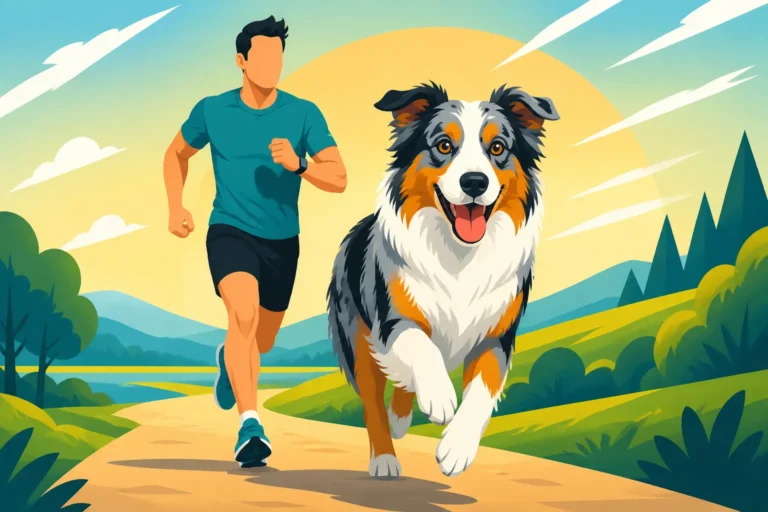
There's nothing quite like hitting a beautiful trail with your energetic Australian Shepherd, but the joy can quickly turn to anxiety when the temperatures climb. Many of us worry about our furry partners overheating or not getting enough to drink, especially with their dense double coats. This comprehensive guide will walk you through everything you need to know about managing your Australian Shepherd's water intake on a hot trail, ensuring they stay safe, hydrated, and happy on your adventures together.
The Unique Challenges of an Australian Shepherd in the Heat
Our beloved Aussies are incredible athletes, bred for endurance and intense bursts of activity. However, these very traits, combined with their physiology, make them particularly susceptible to overheating and dehydration when the mercury rises. Understanding these challenges is the first step in keeping them safe.
Why Aussies Overheat Faster Than You Think
Australian Shepherds possess a magnificent double coat, a testament to their working heritage. This coat is designed to insulate them from both cold and heat, but under intense exertion in hot and humid conditions, it can work against them. Imagine wearing a heavy winter coat while running a marathon in July – that's somewhat what your Aussie experiences. They pant to cool down, exchanging hot air for cooler air, but high humidity makes this process much less efficient. Their relentless drive means they often won't stop until they're pushed past their limits, ignoring their own need for rest and water, and relying on us to manage their pace and hydration. Their enthusiasm is wonderful, but it means we, as their guardians, have to be extra vigilant. We often discuss Why an Aussie Double Coat Insulates Against Heat in other articles, but it’s crucial here too.
Beyond their coat, their inherent desire to do something, to work, to herd, means they're constantly moving. They're not dogs who lie down and rest by choice when there's an adventure to be had. This sustained activity generates a lot of internal body heat, which then needs to be dissipated. If they're herding a frisbee or chasing squirrels for an hour straight in the summer sun, their core temperature can rise alarmingly quickly. That thick fur traps heat close to their body, making it harder for their natural cooling mechanisms to catch up.
Recognizing Early Signs of Dehydration and Heat Stress
Knowing what to look for is paramount. Early detection can prevent a minor issue from escalating into a life-threatening emergency. Don't wait until your Aussie is collapsing. Look for more subtle cues: excessive panting that seems labored or unusually rapid, even when resting briefly; dark red gums (they should be a healthy pink); thick, ropy saliva; or a sudden decrease in energy and enthusiasm. If your normally bouncy Aussie is lagging behind or ignoring a thrown ball, something is definitely off.
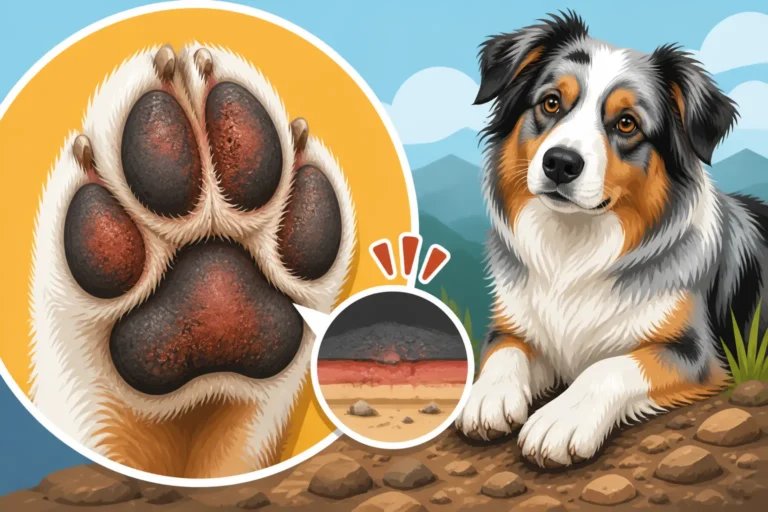
As dehydration progresses, you might notice loss of skin elasticity (pinch a fold of skin on their neck – it should snap back quickly; if it's slow, they're dehydrated), sunken eyes, or a dry, sticky mouth. More severe signs of heat stroke include stumbling, disorientation, vomiting, diarrhea, or even seizures. If you ever suspect your Aussie is suffering from heat stroke, it's an emergency. Get them to shade, cool them with water (especially on their paw pads and groin), and seek immediate veterinary attention. Learning how to identify Spotting Heat Trouble in a Working Aussie is a skill every owner should master.
The Risks of Overhydration Water Intoxication
While dehydration is the more common concern, overhydration, or water intoxication, is a real, albeit rarer, risk for active dogs, especially those who love to play fetch in the water. This happens when a dog ingests too much water too quickly, diluting the sodium levels in their body. This electrolyte imbalance can cause cells to swell, leading to dangerous brain swelling. It's particularly a concern for dogs who spend extended periods retrieving in lakes or pools, where they might swallow large amounts of water unintentionally.
Signs of water intoxication can mirror heatstroke symptoms initially: lethargy, bloating, vomiting, and loss of coordination. In severe cases, it can lead to seizures and coma. To prevent this, encourage controlled water intake during swimming or water play. Use a shallow bowl or your hand to offer water in measured amounts, rather than letting them lap endlessly from a deep source during strenuous activity. If your Aussie has a tendency to gulp water, consider using a slow feeder bowl for their regular meals and monitoring their water intake more closely during activities where they might get too much.
Planning Your Australian Shepherd's Hydration Strategy on the Trail
A successful, safe trail adventure with your Australian Shepherd starts long before you even hit the trailhead. Proper planning around hydration is just as important as mapping your route or packing snacks for yourself.
Pre-Hydration Before the Hike
Think of pre-hydration as carbo-loading for athletes, but with water. Start making sure your Aussie is well-hydrated hours before you leave for your hike. Ensure they have access to fresh water throughout the morning. You can even add a little bit of low-sodium chicken broth to their breakfast meal or water bowl to make it more appealing and encourage them to drink more. Some owners even soak a portion of their kibble in water to increase their fluid intake.
This pre-hydration builds up a good baseline, so their body isn't starting the hike already playing catch-up. A well-hydrated dog will be better equipped to handle the demands of the trail and the inevitable fluid loss from panting and exertion. This is especially important for working line Aussies who might be more inclined to push themselves harder from the get-go.
Essential Gear for Trail Hydration
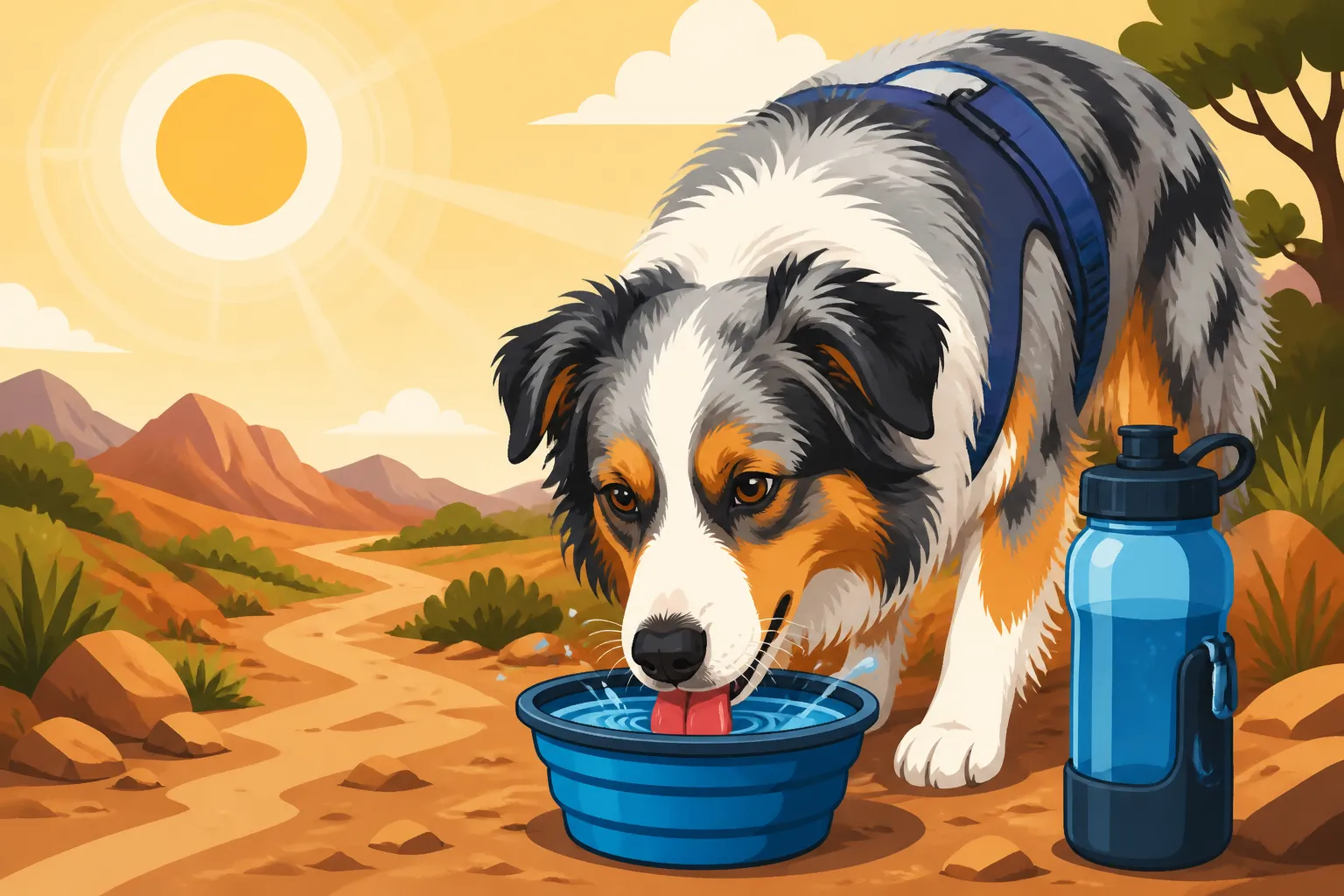
Don't leave home without the right tools. A collapsible water bowl is an absolute must. Brands like Ruffwear and Kurgo make excellent portable, lightweight bowls that tuck easily into your pack. You can find a wide variety of these on Amazon or Chewy. For water, always carry more than you think you'll need for both yourself and your dog. A good rule of thumb is at least half a liter of water per hour of hiking for your Aussie, potentially more if it's scorching hot or they're working exceptionally hard. I often pack a dedicated dog water bottle with an attached bowl, which makes dispensing water much easier on the go.
Consider a cooling vest or bandanna if you anticipate very hot conditions, though these primarily cool by evaporation and aren't a substitute for internal hydration. For longer hikes or very hot days, an electrolyte supplement designed for dogs can be a smart addition to your kit. These aren't meant for every water break but can be beneficial at the halfway point or after a particularly strenuous section to help replace lost minerals. You can find these at most pet supply retailers or online.
| Item | Purpose | Notes |
|---|---|---|
| Collapsible Water Bowl | Easy, clean access to water | Lightweight, durable, silicone or fabric options. |
| Dedicated Dog Water Bottle | Convenient water dispensing | Often has an integrated bowl for ease of use. |
| Human Water Bottles | Water for yourself and extra for your Aussie | Always carry more than you think you need. |
| Dog-Specific Electrolytes | Replenish lost minerals on long/hot hikes | Use sparingly, according to package directions, after strenuous activity. |
| Cooling Bandanna/Vest | External cooling, supplemental | Helps keep surface temperature down, but not a hydration solution. |
| Small Towel | For wetting paws, groin, armpits | Can provide immediate cooling in an emergency. |
Scheduled Water Breaks vs. On-Demand Access
For an Australian Shepherd on a hot trail, a structured approach to water breaks is often more effective than simply waiting for them to show signs of thirst. Active dogs, especially Aussies, can be so focused on the "job" of hiking that they ignore their body's signals until it's too late. Plan to offer water every 15-20 minutes, even if it's just a small amount, especially during high-intensity periods or ascents.
During these breaks, find a shady spot and encourage them to drink. Don't let them gulp huge amounts all at once, as this can lead to stomach upset or even increase the risk of bloat, a serious concern for deep-chested breeds like Aussies. A few laps, a short rest, then a few more is ideal. Offer more water on descents as well, as these can still be taxing, and the body continues to lose fluids. On-demand access is fine for leisurely strolls in cooler weather, but for strenuous activity in heat, you need to be the one dictating the hydration schedule.
Practical Tips for Maintaining Hydration During and After Your Hike
Even with the best preparation, the trail can throw unexpected challenges your way. Having a few tricks up your sleeve to encourage drinking and manage post-hike recovery will make a big difference in your Aussie's well-being.
Encouraging Your Aussie to Drink Enough
Some Aussies are naturally good drinkers, but others can be a bit particular or too distracted by the excitement of the trail. If your Aussie isn't keen on drinking plain water, try making it more enticing. As mentioned, a splash of low-sodium broth can work wonders. You can also try bringing some ice cubes from home; many dogs find crunching on ice irresistible, and it provides both hydration and a little cooling.
Another tactic is to make drinking a positive experience. Praise them enthusiastically when they drink. Some dogs prefer to drink from running water, so a small, portable filtering water bottle might be appealing. Ensure the water is cool, not warm, as warm water is less refreshing and less likely to be consumed in sufficient quantities. Remember, consistency is key; make those water breaks a non-negotiable part of your trail routine.
Replenishing Electrolytes After Strenuous Activity
For exceptionally long or hot hikes, or if your Aussie has been working particularly hard (think a full day of agility training in the summer, or a multi-hour mountain trek), plain water might not be enough to fully restore their electrolyte balance. Electrolytes are crucial minerals lost through sweat (or, in dogs, primarily through panting) that help maintain proper nerve and muscle function, and fluid balance.
After a grueling session, a dog-specific electrolyte supplement mixed into water can be beneficial. These are typically powdered supplements that you add to their water bottle. Brands like Canine Athlete or similar performance-focused options, often found on Chewy or through specialized pet stores, provide balanced electrolyte profiles. Always follow the product's dosing instructions carefully, as too much can be just as problematic as too little. These supplements are not for casual walks but for serious exertion where significant fluid and mineral loss has occurred. Australian Shepherd Water Needs on a Long Day Out often requires more than just plain water.
Post-Hike Recovery and Continued Monitoring
The hydration effort doesn't end when you get back to the car. Your Australian Shepherd will still be recovering and potentially dehydrating for some time after exertion. As soon as you're off the trail, offer fresh, cool water again. Don't let them guzzle, but ensure they have consistent access. Continue to monitor their energy levels, panting, and gum color for several hours after your hike.
At home, keep a close eye on their urine output. Dark, concentrated urine indicates continued dehydration. Encourage rest in a cool, quiet spot. A cool, damp towel over their body can help bring their temperature down gently. For their evening meal, adding a bit of water to their kibble can further aid in rehydration. Reflect on the day's activity and use it to inform your planning for future adventures, especially if you noticed any signs of fatigue or less-than-optimal hydration. Learning to gauge Australian Shepherd Exercise in Summer Heat is critical for their long-term health.
Common Misconceptions and Troubleshooting Hydration Issues
Even experienced Aussie owners can fall prey to common myths or overlook crucial details when it comes to hydration. Let's clear up some of these points and prepare you for trickier situations.
The Myth of "Just Letting Them Drink from Streams"
It's tempting on a hot day to let your Aussie lap freely from that sparkling stream or inviting puddle. However, this is a dangerous misconception. Natural water sources in the wild, no matter how pristine they appear, can harbor a host of nasty pathogens. Giardia, leptospirosis, and other bacteria and parasites can cause severe gastrointestinal distress, leading to vomiting, diarrhea, and further dehydration. Some of these can even be transmitted to humans.
Always assume that natural water sources are unsafe for direct consumption. Carry all the water your Aussie needs from a known, clean source. If you absolutely must use natural water in an emergency, consider carrying a portable filter designed for humans or a bottle of purification tablets, though these should be a last resort. Your Aussie's health isn't worth the risk. Australian Shepherd Puppy Diarrhea After Homecoming is often a concern, and this applies to trail adventures too.
When to Turn Back Prioritizing Your Aussie's Safety
Sometimes, despite all your planning, conditions might be too extreme, or your Aussie might not be feeling 100%. Knowing when to cut a hike short and turn back is a sign of a responsible owner. If you see persistent signs of heavy panting, slowing down, seeking excessive shade, dark red gums, or any disorientation, it's time to call it a day, no matter how much you wanted to reach that summit.
Your Aussie's health and safety must always be the top priority. Pushing them "just a little further" can have severe, even fatal, consequences. Be honest with yourself about the weather conditions – humidity combined with high temperatures is particularly dangerous. If you're questioning whether your Aussie is doing okay, they probably aren't. Turn around, find shade, offer water, and consider if this trail or this day is truly suitable for their high energy.
Adjusting for Different Weather Conditions and Aussie Ages
An Australian Shepherd's hydration needs aren't static; they fluctuate based on ambient temperature, humidity, the intensity and duration of activity, and even their age and health. On cool, dry days, their water requirements will be less than on a hot, humid afternoon. Humidity is a silent killer because it reduces the evaporative cooling effect of panting.
Puppies and senior Aussies also have different needs. Young puppies are more prone to dehydration and can't regulate their body temperature as efficiently. Their exercise should be limited, and water offered very frequently. Senior Aussies might have underlying health conditions that affect kidney function or overall stamina, making them more vulnerable to dehydration. They may also be on medications that affect fluid balance, so check with your vet. Adjust your expectations, pack extra water, and modify your trail plans accordingly. For older dogs, our article on Senior Australian Shepherd Care After Ten offers more specific advice.
Disclaimer
This article is for general informational purposes only and does not constitute professional advice. Laws, prices and regulations vary by location and change over time. Consult a qualified professional for guidance on your specific situation.