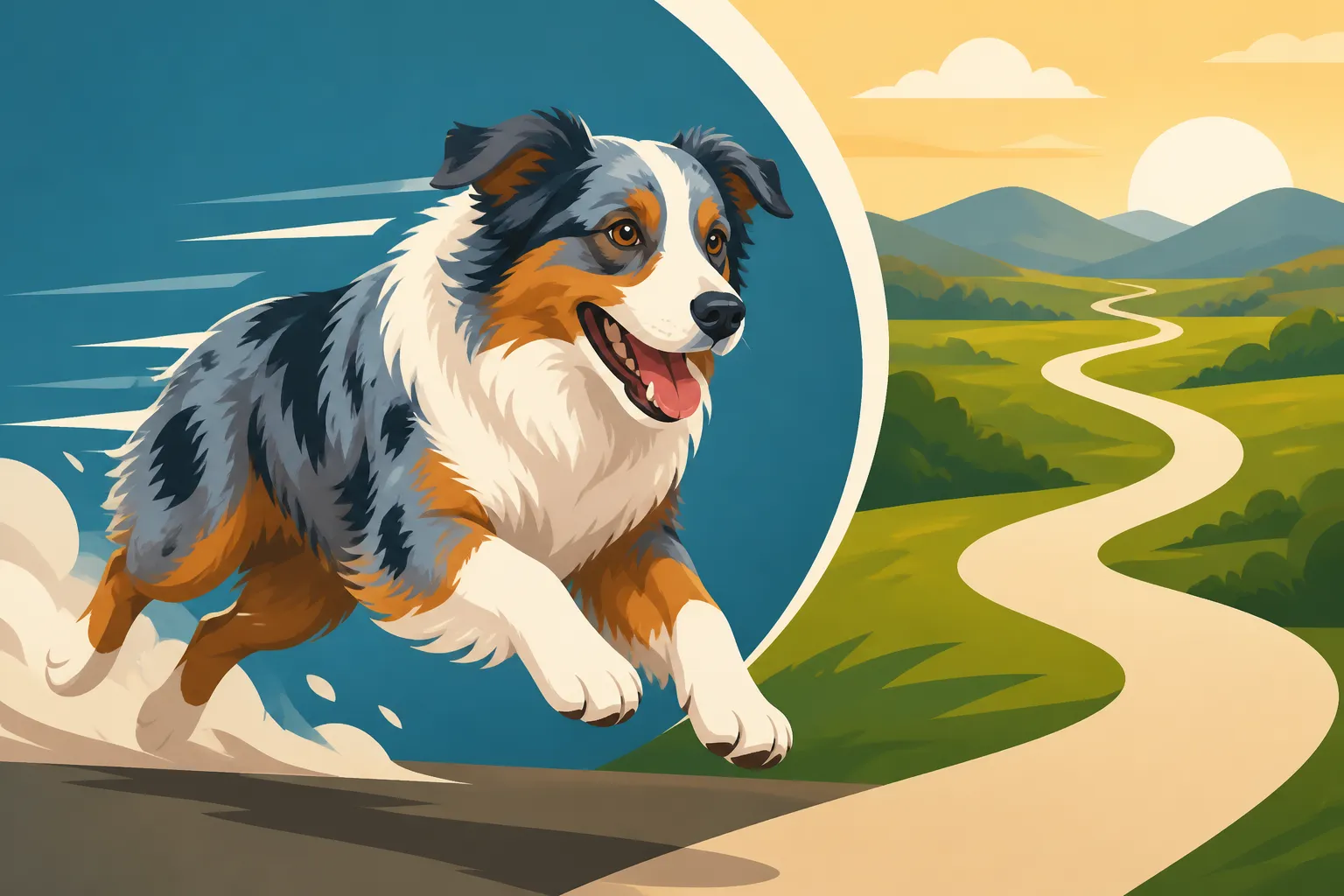
The Distance an Adult Aussie Can Cover
It can be incredibly frustrating to have an Australian Shepherd who seems to have boundless energy, even after a seemingly long walk or run. You might feel like you're constantly chasing their energy levels, wondering how much exercise is truly enough to satisfy their deep-seated drive. This guide is here to help you understand the incredible stamina an adult Aussie possesses and how to safely and effectively engage them in long-distance activities.
Understanding the Australian Shepherd's Built-In Drive for Distance
Australian Shepherds weren't bred to be couch potatoes, and anyone who lives with one can attest to that! Their very essence is tied to working livestock, which demands incredible endurance, agility, and a keen mind. When we talk about how far an adult Aussie can cover, we're not just discussing physical miles; we're delving into their genetic blueprint for sustained effort.
More Than Just a Walk in the Park: The Aussie's Working Heritage
Imagine an Australian Shepherd on a sprawling Western ranch, moving a herd of sheep or cattle across vast, undulating terrain. This isn't a quick sprint; it's hours of steady, purposeful movement, covering many miles over the course of a day. They're constantly scanning, responding, and driving, often in challenging conditions. This heritage means that a simple leash walk around the block, while better than nothing, rarely taps into their full potential for sustained exertion. Many owners find their Aussies still "raring to go" after what they consider a good workout, leading to a common feeling of never quite being able to tire them out. It's not that your Aussie is broken; it's that their hardwiring expects more. They thrive on having a job, and for many modern Aussies, that job often translates into covering significant distances, whether it's hiking, trail running, or even long walks in diverse environments.
The Importance of Sustained, Purposeful Movement
For an Australian Shepherd, exercise isn't just about expending energy; it's about engaging their body and mind in a meaningful way. Short bursts of intense activity, like a quick game of fetch, are great for some breeds, but an Aussie truly benefits from sustained, purposeful movement. Think of it like a marathon runner compared to a sprinter. Your Aussie is built for the marathon. This sustained effort helps to build and maintain their muscular endurance, cardiovascular health, and even their mental well-being. It allows them to settle into a rhythm, to process their surroundings, and to feel truly "worked" in a way that quick, intense sessions often don't achieve. This is particularly true for Aussies whose instincts might compel them to round up everything from children to squirrels; a long, focused walk or run can help channel that drive positively. You might notice your Aussie is much calmer and more focused after a long, steady hike compared to several rounds of frantic fetch in the yard.
Spotting the Signs of an Under-Exercised Aussie
Living with an under-exercised Australian Shepherd can manifest in a variety of challenging behaviors that are often misunderstood. It's not about malice; it's about unmet needs. If your Aussie is constantly pacing, reorganizing your house by nudging objects with their nose, or developing destructive chewing habits, these could be red flags. Other common signs include excessive barking at every little sound or movement, obsessive behaviors like chasing shadows, or even becoming hyper-focused on family members, nipping at heels, or "herding" children. Their anxiety might increase, leading to separation distress or reactivity towards other dogs or people on walks. These behaviors aren't necessarily signs of a "bad" dog, but rather a dog trying to communicate that their immense energy reserves and intellectual needs are not being met. Ignoring these signs can lead to deeply ingrained behavioral issues that are much harder to resolve later on. Sometimes, what looks like bad manners is just pent-up energy begging for an outlet.
Factors Influencing How Far Your Aussie Can Go
While Australian Shepherds are renowned for their stamina, it's crucial to understand that not every Aussie is the same, and various factors play a significant role in how much distance they can comfortably and safely cover. Pushing them too hard too fast can lead to injury or aversion to exercise, which is the last thing any devoted owner wants.
Age and Development: When is "Adult" Really Ready?
This is perhaps one of the most critical factors often overlooked. While an Aussie might look like an adult by one year old, their growth plates, bones, and joints are still developing well into their second year. Typically, most Australian Shepherds aren't considered truly physically mature for strenuous, long-distance activities until they are at least 18 months to two years old. Before this age, their bodies are simply not equipped to handle the repetitive impact and strain of long runs or hikes. Starting too early, or increasing intensity too quickly, can lead to serious, lifelong orthopedic problems like hip or elbow dysplasia, or even cruciate ligament tears. It's like asking a human teenager to run a marathon without proper training and bone development; it's just asking for trouble. Exercise Limits for a Growing Australian Shepherd highlights the dangers of over-exercising young Aussies. During their puppy and adolescent phases, focus on varied activities, short bursts of play, and mental enrichment rather than pushing for distance.
Physical Condition and Overall Health
Just like people, an Aussie's current fitness level directly impacts their endurance. A dog that has been primarily lounging on the couch will not be able to tackle a ten-mile hike safely on day one, even if they have the genetic potential for it. Gradual conditioning is key. Start with shorter distances and slowly increase the length and intensity of your outings over weeks or even months. Observe your dog closely for signs of fatigue or discomfort. Beyond fitness, underlying health conditions can severely limit an Aussie's capacity for distance. Conditions like Australian Shepherd Hip Dysplasia and Working Joints, arthritis, heart conditions, or respiratory issues can make long excursions painful or even dangerous. It's absolutely essential to have your adult Aussie thoroughly checked by a veterinarian before embarking on a new, strenuous exercise regimen. They can assess joint health, heart function, and overall wellness to ensure your dog is fit for the challenge. Dogs with Australian Shepherd Epilepsy Starting Between One and Five might also need careful management around strenuous activities, as exertion can sometimes be a trigger for some individuals.
Environmental Conditions: Heat, Cold, and Terrain
The environment in which you're exercising your Aussie significantly affects how far they can go. Their glorious double coat, while fantastic for insulation in cooler weather, can be a serious liability in heat and humidity. Australian Shepherds are prone to overheating, and their thick fur makes it harder for them to regulate their body temperature. Always consider the "pavement test" – if it's too hot for your hand, it's too hot for their paws. Humidity exacerbates the problem, making it feel even hotter and harder for them to cool down. Conversely, extreme cold can also pose risks, particularly for breeds prone to snowballs collecting in their fur. Rough, rocky terrain or uneven surfaces will be much more taxing on their joints and paw pads than a smooth, soft trail. Australian Shepherd Paw Injuries From Hard Running are a real concern on tough ground. Always carry plenty of water for both of you, especially in warmer weather, and plan your routes with environmental factors in mind. A five-mile hike in the cool, shaded woods is very different from a five-mile walk on hot asphalt in direct sun.
| Factor | Impact on Distance Capability | Considerations |
|---|---|---|
| Age | Young dogs (under 18-24 months) have developing joints and limited endurance. Senior dogs have reduced stamina. | Wait for full maturity; adjust for age-related changes like Australian Shepherd Arthritis After Years of Work. |
| Fitness Level | Sedentary dogs have low stamina; conditioned dogs have high stamina. | Start slow and build gradually over weeks/months. |
| Overall Health | Illnesses (heart, lung, orthopedic issues) severely limit distance. | Regular vet check-ups are crucial. Discuss exercise plans with your vet. |
| Temperature | Hot/humid weather drastically reduces safe distance due to overheating risk. | Avoid mid-day sun; seek shade; carry extra water; use cooling gear. |
| Terrain | Rough, rocky, or steep terrain is more strenuous and can cause paw injuries. | Choose softer, flatter paths for longer distances. Check paws regularly. |
| Hydration | Dehydration significantly impacts performance and health. | Always carry ample water for both you and your Aussie. |
| Weight | Overweight dogs carry extra strain on joints, reducing endurance and increasing injury risk. | Maintain a lean body condition for optimal performance. |
Strategies for Covering Miles Safely and Happily
Once your Aussie is physically mature and cleared by your vet, and you've considered the environmental factors, you can start exploring the joys of long-distance activities together. This isn't just about endurance; it's about building a strong bond and sharing incredible adventures.
Building Stamina Gradually and Mindfully
The key to long-distance success with an Australian Shepherd is patience and a progressive approach. You wouldn't run a marathon without training, and neither should your dog. Start with comfortable, shorter distances that your Aussie can easily manage, perhaps 2-3 miles. Over several weeks, slowly increase the duration and distance of your outings. A good rule of thumb is to increase the distance by no more than 10-15% per week. Pay close attention to your dog's cues: are they lagging behind? Are they panting excessively? Are they losing enthusiasm? Always err on the side of caution. Incorporate rest days into your routine, just as an athlete would. These rest days are crucial for muscle recovery and preventing overuse injuries. Varying your activities also helps; combine long walks with trail runs, swimming (a great low-impact option), or even Australian Shepherd Agility and Disc Sports on different days to work different muscle groups. This mindful approach not only builds their physical stamina but also keeps them mentally engaged and prevents them from burning out or getting injured. Consider adding Joint Support in a Working Aussie Diet as a preventative measure, especially for active dogs.
Essential Gear for Long-Distance Adventures
Being well-prepared is paramount when you're taking on longer distances with your Aussie. The right gear can make all the difference for comfort, safety, and enjoyment. First and foremost, a well-fitting harness is essential, distributing pressure evenly across their chest rather than straining their neck. Brands like Ruffwear or Kurgo offer durable, comfortable options. For leash walking, a sturdy, comfortable leash is a must. If you're trail running, a hands-free leash that attaches to a belt can be a game-changer, allowing you to maintain your stride while keeping your dog safely beside you. Hydration is non-negotiable; invest in a collapsible water bowl and a water bottle specifically designed for dogs, or a hydration pack with extra capacity for their needs. Many options can be found on Chewy or Amazon. For paw protection, especially on rocky or hot terrain, dog booties can prevent cuts, abrasions, and burns. Practice wearing them at home first! A small first-aid kit for dogs is also vital, containing items like antiseptic wipes, paw balm, and self-adhering bandages. Don't forget reflective gear or lights if you're out near dawn or dusk. Finally, a GPS tracker, available from retailers like Amazon, can offer immense peace of mind, especially if your Aussie has a strong prey drive and excels at vanishing into the undergrowth. The Aussie Cost Owners Never See Coming can often include these essential gear upgrades, but they're investments in safety.
Knowing When to Call It a Day
This is perhaps the most important skill an Australian Shepherd owner can develop: learning to read your dog's signals and knowing when it's time to stop, even if you feel like you could go further. Aussies are incredibly stoic and eager to please, often pushing themselves beyond their limits for their handler. Look for subtle cues: excessive panting that doesn't subside with short breaks, a flagging tail, a reluctance to lead, or an uneven gait. An Aussie That Stops Reading the Room might also be a sign of fatigue, as they become less responsive to commands. If they start licking their paws excessively, it could indicate discomfort or tenderness. In hot weather, watch for signs of overheating, such as bright red gums, thick saliva, or staggering. It's always better to end an outing slightly early, leaving your dog wanting more, than to push them to the point of exhaustion or injury. Take frequent breaks, offer water regularly, and if you notice any limping, stiffness, or unusual behavior, stop immediately and assess the situation. Your Aussie's well-being always comes first, and a positive experience is built on trust and respect for their physical limits.
Common Misconceptions About Aussie Exercise
The enduring image of the tireless Australian Shepherd often leads to certain misconceptions about their exercise needs and capabilities. Understanding these can help you provide a more balanced and effective exercise routine for your companion.
The Myth of "More is Always Better"
There's a prevailing idea that with an Aussie, you just need to keep going, run them harder, and push them further, and then they'll be tired. While their stamina is incredible, "more is always better" can actually be detrimental. Overtraining an Aussie can lead to chronic injuries, particularly to their joints, tendons, and ligaments. It can also cause mental burnout, making them less enthusiastic about future activities. Some Aussies, when pushed too hard, don't just get tired; they become overstimulated, leading to a wired, frantic energy that is counterproductive to a calm home life. This is where you see behaviors like excessive zoomies indoors or increased reactivity. Instead of simply focusing on raw mileage, the quality and variety of the exercise matter just as much. A 5-mile hike with varied terrain and plenty of sniffing opportunities might be more beneficial than a monotonous 10-mile run on flat pavement. It's about finding the sweet spot where they are physically worked and mentally stimulated, but not pushed past their healthy limits. Whether Working Aussies Live Shorter Lives often comes down to managing these expectations and providing appropriate care throughout their lives.
Balancing Physical Miles with Mental Engagement
This is the cornerstone of truly satisfying an Australian Shepherd. Throwing a ball for an hour, or even running several miles, might tire their body, but it often leaves their brilliant minds buzzing with unfulfilled purpose. Aussies thrive on challenges, problem-solving, and having a "job." Without mental engagement, they can become bored, destructive, or even anxious, regardless of how many physical miles they've logged. Think of incorporating activities that engage their intelligence: scent work, trick training, puzzle toys (which you can find on Ollie or Chewy), or even formal dog sports like agility, obedience, or herding. A long walk becomes exponentially more enriching when you incorporate training cues, allow for exploratory sniffing (which is a huge mental workout for dogs!), or practice focused heeling through distracting environments. This balance is crucial. A dog that has physically covered significant distance and had their brain exercised will be a much calmer, happier, and more well-adjusted companion in the home. Remember, their minds are as active as their bodies, and neglecting one will inevitably impact the other. So, as you plan your next long adventure, think about how you can integrate both miles and mindful engagement.
Disclaimer
This article is for general informational purposes only and does not constitute professional advice. Laws, prices and regulations vary by location and change over time. Consult a qualified professional for guidance on your specific situation.