Brushing an Australian Shepherd Twice a Week
Any Australian Shepherd parent knows the struggle: you brush, you vacuum, and still, tumbleweeds of hair roll across your floor. It can feel like a losing battle against the endless shedding and the constant threat of mats, but a consistent grooming routine is your best defense. This guide will walk you through why brushing your Australian Shepherd twice a week is not just a suggestion, but a necessity, and how to make this routine effective for both you and your furry companion.
The Double Coat Demands: Why Twice-Weekly Brushing Is Non-Negotiable
That beautiful, flowing coat your Australian Shepherd sports is more than just good looks; it's a marvel of canine engineering, designed to protect them from the elements. But with that intricate design comes the responsibility of meticulous care. Simply put, an Aussie's double coat, with its soft, dense undercoat and coarser outer guard hairs, is prone to matting and needs regular attention to stay healthy and functional.
Understanding the Australian Shepherd Double Coat
Your Australian Shepherd's coat is a two-layer system, much like a good winter jacket. The outer layer consists of longer, somewhat coarse guard hairs that repel water and dirt, protecting the dog's skin from scratches and UV rays. Beneath that lies the undercoat, a softer, denser layer of hair that provides insulation, keeping your Aussie warm in winter and surprisingly, cool in summer by trapping air. This dual-layer system is incredibly effective in its natural environment, but it's also a trap for loose hair if not managed properly.
When loose undercoat hairs get caught in the denser outer coat, they quickly begin to tangle and form mats. These aren't just cosmetic issues; mats can pull on your dog's skin, causing pain and irritation. They can also hide skin infections, parasites, and hot spots, making it difficult to spot problems until they've become severe. Regular brushing helps to remove this dead undercoat before it has a chance to wreak havoc, allowing air to circulate and keeping your dog comfortable. You might find our deep dive into The Australian Shepherd Double Coat Explained particularly illuminating.
Combating Seasonal Shedding and Matting
Australian Shepherds are known for their spectacular "coat blows" twice a year, typically in spring and fall, when they shed their entire undercoat in preparation for new growth. During these periods, daily brushing isn't just recommended, it's practically a survival skill for keeping your house from becoming a giant hairball. However, even outside of these heavy shedding seasons, Aussies shed a moderate amount year-round. This constant, albeit lighter, shedding is precisely why a twice-weekly brushing schedule is so important.
Without consistent brushing, that year-round shedding will inevitably lead to mats, especially in high-friction areas like behind the ears, under the armpits, around the collar, and in the "feathers" on their legs and tail. Mats are notoriously difficult and painful to remove once they've set in, often requiring professional help or even shaving. By dedicating just two sessions a week, you're not only managing the shedding, but you're actively preventing these painful tangles, ensuring your Aussie remains comfortable and their skin healthy. We've talked more about this in Twice-Yearly Coat Blow in an Australian Shepherd.
Promoting Skin Health and Bonding
Beyond the practicalities of shedding and matting, regular brushing offers significant benefits for your Australian Shepherd's overall health and your relationship with them. Brushing stimulates the skin, distributing natural oils throughout the coat, which helps maintain its healthy sheen and prevents dryness. It also allows you a hands-on opportunity to check for any lumps, bumps, scratches, or parasites that might otherwise go unnoticed. Catching these issues early can save you a lot of worry and vet bills down the line.
Furthermore, these dedicated grooming sessions can become a cherished bonding experience. Many Aussies absolutely adore the attention and the gentle massage that brushing provides. It's a quiet time for connection, strengthening the trust between you and your dog. Establishing this positive routine early on, ideally from puppyhood, will make future grooming experiences much easier and more enjoyable for both of you.
Arming Yourself: Essential Tools for Australian Shepherd Grooming
You wouldn't try to build a house with just a hammer, and you shouldn't try to groom an Australian Shepherd with just one type of brush. Having the right arsenal of tools is crucial for tackling that magnificent double coat effectively and comfortably. Skimping on grooming tools usually means more frustration and less effective results, which no one wants.
The Power Duo: Slicker Brush and Undercoat Rake
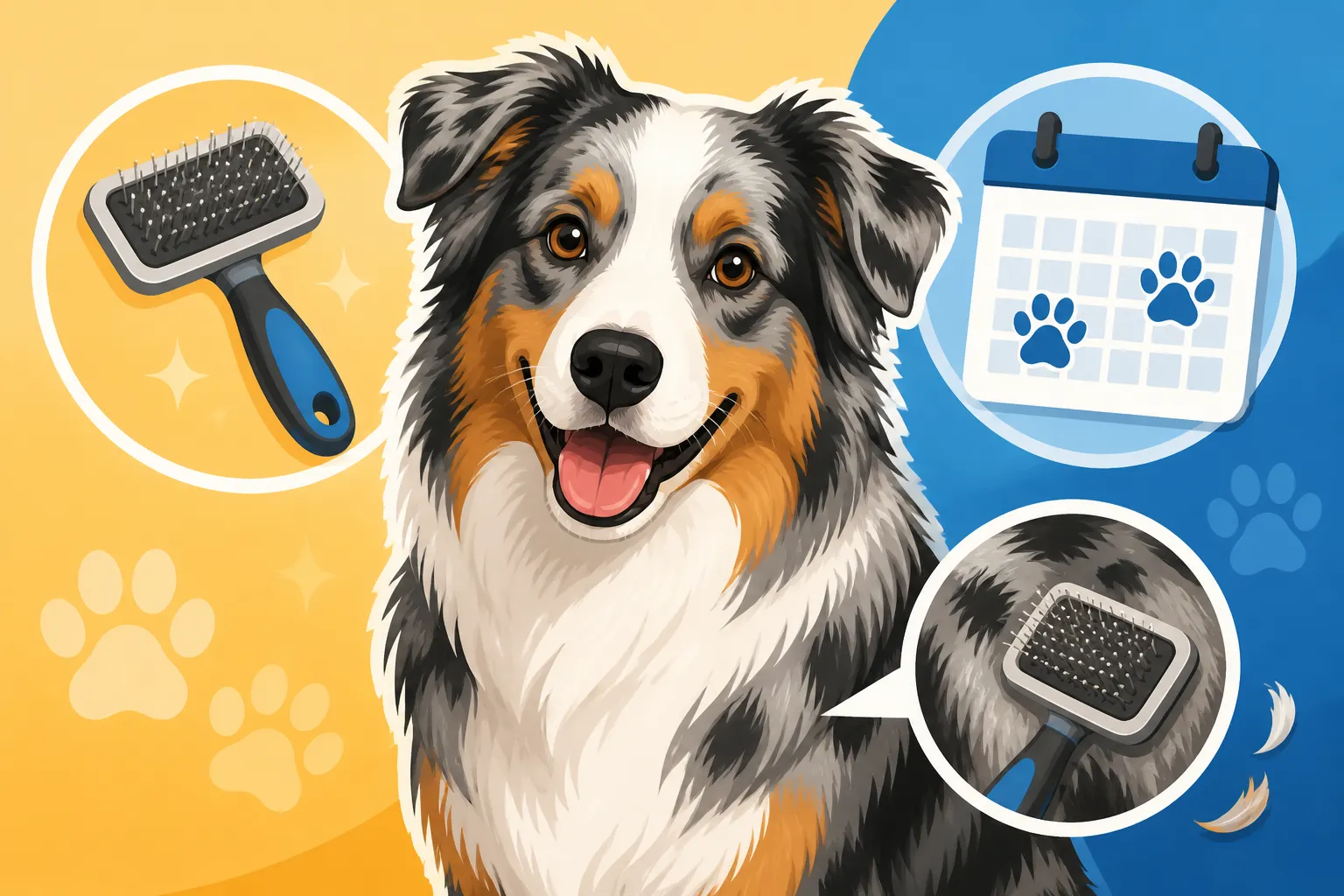
For an Australian Shepherd, your primary weapons against shedding and mats will be a good quality slicker brush and an undercoat rake. The slicker brush, with its fine, wire bristles, is excellent for removing loose hair from the topcoat and for general detangling. It works well for fluffing up the coat and catching surface tangles. Look for one with coated tips if your Aussie has sensitive skin, as some can be quite sharp.
The undercoat rake, however, is the true hero for an Aussie's dense undercoat. These tools have widely spaced, often curved teeth designed to reach deep through the topcoat and pull out loose, dead undercoat without damaging the guard hairs. This is where most of the shedding hair hides, and a rake is indispensable for preventing mats at the skin level. There are many fantastic options available on retailers like Amazon, offering different tooth lengths and designs to suit various coat densities. For more specific advice, check out The Rake That Reaches an Aussie Undercoat.
Combs, Pin Brushes, and Detangling Sprays
While the slicker and rake do the heavy lifting, a wide-toothed metal comb is invaluable for finishing touches and for checking your work. After using the rake and slicker, run the comb through the coat to ensure there are no hidden tangles. A fine-toothed comb can also be useful for delicate areas like behind the ears. A pin brush, with its widely spaced pins, is softer than a slicker and can be great for general brushing, especially for longer furnishings, and for dogs who find the slicker a bit too intense. It's less effective for serious deshedding but excellent for maintaining fluff.
Detangling sprays are another secret weapon, particularly if you encounter stubborn tangles. A spritz of detangler can make a huge difference in painlessly working out a knot, protecting the coat from breakage. You can find good quality detangling sprays at your local pet store or through online retailers like Chewy. Always choose one specifically formulated for dogs and check for ingredients that moisturize the coat. These sprays make the whole process smoother and more pleasant for your Aussie.
| Tool Type | Primary Function | Best For | Usage Frequency |
|---|---|---|---|
| Slicker Brush | Removing loose hair from topcoat, detangling surface mats, fluffing | All over coat, especially good for removing shed on the surface | Twice-weekly |
| Undercoat Rake | Reaching deep into the undercoat to remove dead, loose hair and prevent matting | Dense undercoat, during heavy shedding (coat blow) | Twice-weekly |
| Metal Comb | Checking for hidden tangles, line brushing, finishing | Delicate areas (ears, tail), ensuring no mats remain after brushing | After brushing |
| Pin Brush | General brushing, untangling light knots, stimulating circulation, fluffing longer hair | Daily maintenance, sensitive areas, longer feathering on legs and tail | Daily/Twice-weekly |
| Detangling Spray | Loosening stubborn mats, preventing breakage, adding moisture | Spot treatment for tangles, before heavy brushing sessions | As needed |
Mastering the Routine: A Step-by-Step Guide to Brushing Success
Now that you have your tools ready, it's time to put them to good use. Brushing an Australian Shepherd isn't just about running a brush over their back; it's a methodical process that, when done correctly, ensures every inch of that beautiful coat is healthy and mat-free. Patience and consistency are your best friends here.
Setting Up for Success and Starting with the Right Mindset
Before you even pick up a brush, ensure you have a comfortable and safe space for grooming. A non-slip surface, like a grooming table with a non-slip mat, or even a raised sturdy table with a bath mat on top, can make a huge difference. This elevates your dog to a comfortable working height and often encourages them to stand still. Make sure you have treats handy for positive reinforcement, especially if your Aussie is new to the routine or a bit antsy.
Start your session with a calm, positive attitude. If you're stressed, your dog will pick up on it. Talk to your Aussie in soothing tones, offer a treat, and let them know this is a good experience. Think of it as a shared activity, not a chore. If your dog is particularly wiggly or reluctant, begin with very short sessions and gradually increase the duration as they get more comfortable. You want them to associate brushing with pleasant experiences, not struggle.
The Line Brushing Technique
The most effective way to brush an Australian Shepherd is using the "line brushing" technique. This involves brushing in small sections, from the skin out, ensuring you don't miss any areas. Start at the bottom of a leg or flank. Part the hair with your hand, exposing a small line of skin. Then, brush the hair in that line downwards, towards the floor, working away from the body. Once that section is thoroughly brushed, part the hair a little higher up and repeat the process, slowly working your way up your dog's body.
As you brush each section, use your undercoat rake first to pull out any loose undercoat. Follow up with your slicker brush to smooth the topcoat and catch any remaining shed. Pay extra attention to the areas prone to matting: behind the ears, under the legs (armpits), the "trousers" on their hind legs, and their glorious tail. These spots are notorious for collecting loose hair and forming tight knots. If you encounter a mat, spray it with detangler, let it sit for a moment, and then gently tease it apart with your fingers or the wide teeth of your comb, working from the outside of the mat inwards. Never pull or rip at a mat, as this is incredibly painful for your dog. For more tips on managing mats, see The Mats That Form Behind Aussie Ears.
Finishing Up and Post-Brushing Care
Once you've systematically worked through your entire Australian Shepherd's coat using the line brushing method, give it a final once-over with your metal comb. The comb should be able to glide smoothly through the coat without snagging. If it catches, it means you've missed a tangle, and you'll need to go back to that section with your rake and slicker. This step is vital for ensuring you haven't left any hidden mats.
After brushing, praise your Aussie lavishly and offer a special treat. This reinforces that grooming is a positive experience. Remember to clean your brushes, removing all the collected hair, to keep them in good condition for your next session. Twice a week is the goal, but if you notice extra shedding or find a small tangle mid-week, a quick spot-brushing session is always a good idea. Consistency is key, and those regular sessions will prevent major grooming headaches down the line.
Beyond the Bristles: Holistic Coat Care for Your Aussie
While regular brushing is foundational, a truly healthy and gleaming Australian Shepherd coat is the result of a holistic approach. What goes into your dog's body, how often they're bathed, and even their environment all play a role in the condition of their magnificent fur.
Nutritional Support for a Healthy Coat
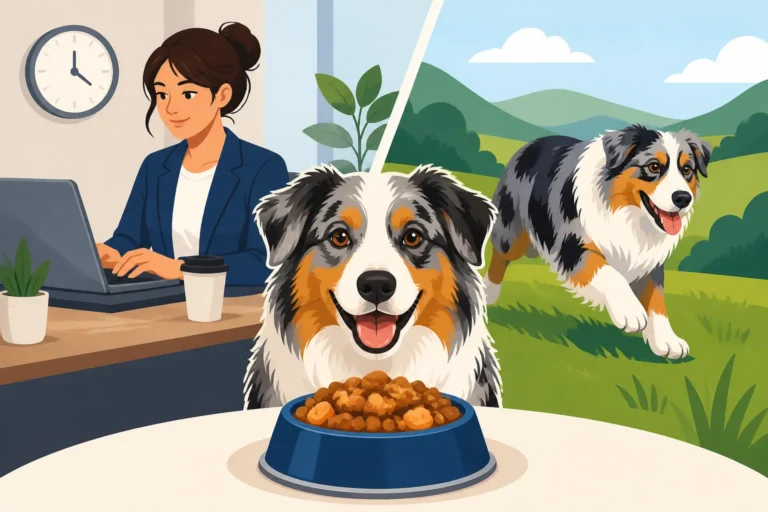
A dull, dry, or excessively shedding coat can sometimes be a sign of nutritional deficiencies. Feeding your Australian Shepherd a high-quality, balanced diet is paramount for skin and coat health. Look for dog foods that list real meat as the first ingredient and contain healthy fats like Omega-3 and Omega-6 fatty acids. These fatty acids are crucial for maintaining skin integrity and promoting a lustrous coat.
Many owners choose to supplement their Aussie's diet with fish oil, which is a fantastic source of Omega-3s. Products readily available from Chewy or even specialist brands like Ollie can offer these vital nutrients. Always discuss any dietary changes or supplements with your veterinarian to ensure they are appropriate for your specific dog. A healthy diet from the inside out means less dryness, less flakiness, and often, less excessive shedding. Our article on Fish Oil for an Aussie Double Coat delves deeper into this topic.
Bathing Best Practices and Avoiding the Clippers
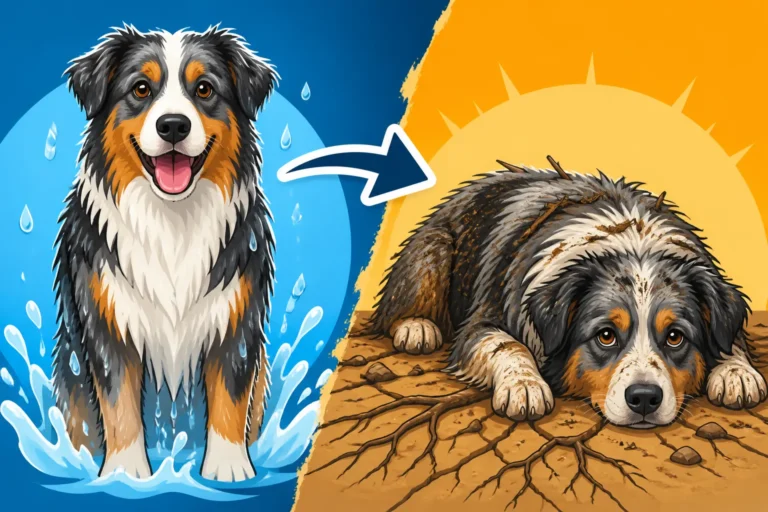
Bathing an Australian Shepherd is a delicate balance. Too frequent bathing can strip the natural oils from their coat and skin, leading to dryness and irritation. On the other hand, infrequent bathing can allow dirt, dander, and allergens to build up, contributing to skin problems and matting. Generally, bathing every 4-8 weeks, or when visibly dirty, is a good guideline. Always use a shampoo and conditioner specifically formulated for dogs, preferably one designed for double coats, and ensure you rinse thoroughly to prevent residue buildup.
A crucial point to remember: never shave an Australian Shepherd unless absolutely medically necessary, as advised by your vet. While it might seem like a way to beat the heat or reduce shedding, shaving an Aussie's double coat actually disrupts its natural insulation properties, making them more susceptible to heatstroke and sunburn. The undercoat also often grows back coarser and thicker than before, leading to potential coat damage and increased matting in the future. We discuss the risks in detail in Why an Australian Shepherd Should Never Be Shaved.
Addressing Persistent Skin and Coat Problems
Despite your best efforts with brushing, diet, and proper bathing, some Australian Shepherds can still experience persistent skin or coat issues. If you notice excessive scratching, licking, redness, flaky skin, bald patches, or an unusually dull coat, it's time for a vet visit. These symptoms could indicate allergies (environmental or food-related), parasites, fungal infections, or other underlying health conditions.
Your veterinarian can help diagnose the root cause and recommend appropriate treatment, which might include specific shampoos, medications, or dietary changes. Don't try to self-diagnose or treat severe skin issues at home, as this can often make the problem worse. Partnering with your vet is the best way to ensure your Australian Shepherd's skin and coat remain as healthy and beautiful as possible. For more information, read Australian Shepherd Skin, Coat and Allergy Problems.
Disclaimer
This article is for general informational purposes only and does not constitute professional advice. Laws, prices and regulations vary by location and change over time. Consult a qualified professional for guidance on your specific situation.