Brushing Every Day While an Aussie Sheds
Anyone who shares their home with an Australian Shepherd knows the beautiful, flowing double coat is both a blessing and, during certain times of the year, a bit of a hairy challenge. When your Aussie starts "blowing coat," it can feel like you're drowning in a sea of fluff, and the usual once-a-week brushing simply won't cut it. This guide is here to walk you through exactly why daily brushing becomes absolutely essential during these heavy shedding periods and how to tackle it effectively, keeping your home cleaner and your Aussie's coat healthy and mat-free.
Understanding the Australian Shepherd Double Coat and Seasonal Shedding
Australian Shepherds are stunning dogs, and a huge part of their charm is that magnificent double coat. But that coat isn't just for looks; it's a finely tuned piece of natural engineering designed to protect them from the elements. Understanding how it works is the first step to truly appreciating (and managing) their shedding.
The Anatomy of an Aussie's Insulating Coat
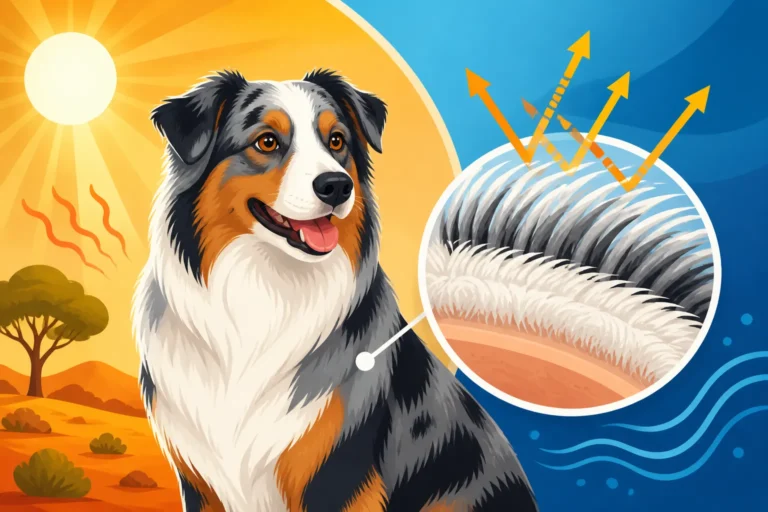
Your Australian Shepherd's coat is actually made up of two distinct layers, each with its own crucial job. First, you have the outer layer, known as the guard hairs. These are longer, coarser, and slightly stiffer hairs that are water-resistant and protect your dog's skin from dirt, debris, and UV rays. They give the coat its beautiful color and pattern, whether it's a striking blue merle or a classic black tri.
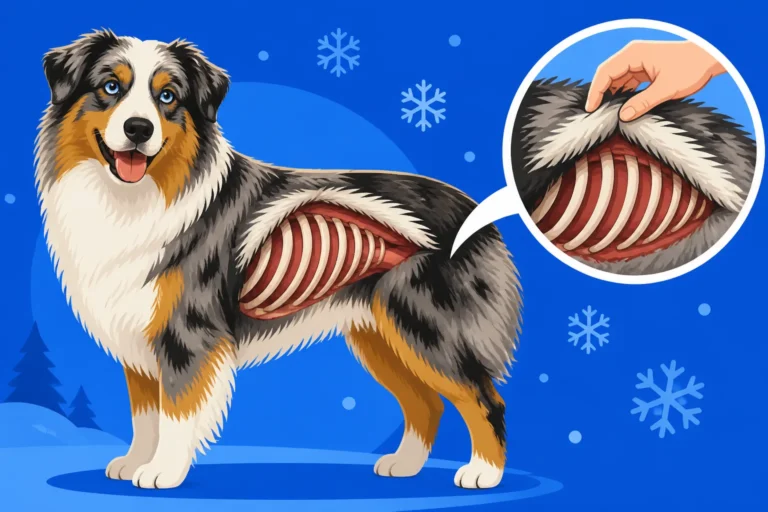
Beneath these guard hairs lies the dense, soft, and woolly undercoat. This is the real insulation system. In cold weather, it traps warm air close to the body, keeping your Aussie toasty. In warmer weather, it acts as a barrier against heat, reflecting the sun and allowing air to circulate, which helps keep them cool. It’s a remarkable system, but it's also the source of almost all that shedding you find on your furniture, clothes, and pretty much everywhere else. To really grasp the full picture of their unique fur, you might want to read The Australian Shepherd Double Coat Explained.
Why Daily Brushing Becomes Essential During Coat Blow
Australian Shepherds typically experience what we call "coat blow" twice a year, usually in spring and fall. This is when they shed their old undercoat to make way for a new one better suited to the upcoming season. While some shedding happens year-round, during coat blow, the amount of hair coming off can be truly astounding. It’s not just a few stray hairs; it's significant clumps and tufts that seem to appear out of nowhere. This intense shedding period is exactly why a casual weekly brush-through won't be enough. If you’re curious about the timing, our article Twice-Yearly Coat Blow in an Australian Shepherd dives deeper into this phenomenon.
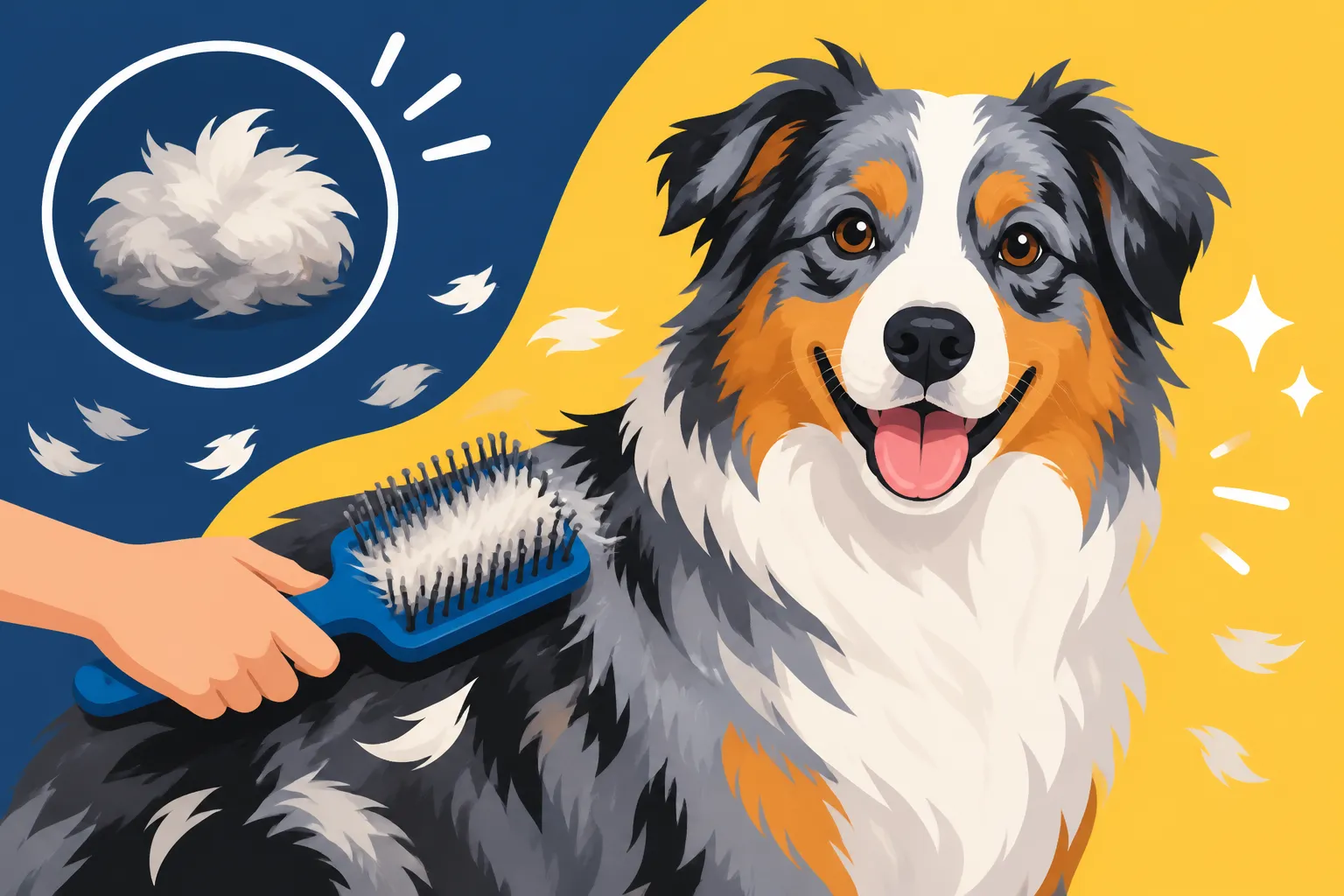
Without daily intervention during this time, that dead undercoat won't release itself smoothly. Instead, it gets trapped within the guard hairs, quickly forming dense mats and tangles, especially in areas of friction like behind the ears, under the legs, and around the tail. Mats aren't just unsightly; they pull on the skin, causing discomfort and even pain. They can also hide skin infections, parasites, and hot spots. Daily brushing helps to gently pull out the dead undercoat before it can clump, significantly reducing the amount of hair floating around your house and preventing these painful matting issues. It also distributes natural skin oils, promoting a healthier, shinier coat and stimulating circulation in the skin.
The Right Tools for Daily Shedding Management
Just like a carpenter needs the right tools for a job, you need specific grooming implements to effectively manage your Australian Shepherd's coat, especially during heavy shedding. Using the wrong brush can be ineffective at best, and painful for your dog at worst.
Essential Brushes for the Australian Shepherd Double Coat
When dealing with a double-coated breed like an Australian Shepherd, you can't just grab any old brush. You need a multi-pronged approach with tools designed to tackle both layers of their magnificent coat.
- Undercoat Rake: This is your primary weapon against coat blow. An undercoat rake has long, widely spaced teeth designed to reach deep into the undercoat and pull out loose, dead hair without damaging the coarser guard hairs. It's incredibly effective for quickly removing large amounts of shedding undercoat. There's a particular knack to using it effectively, which our post The Rake That Reaches an Aussie Undercoat covers in detail.
- Slicker Brush: A slicker brush features fine, short wires packed closely together on a flat or curved surface. It’s excellent for removing smaller mats, tangles, and loose hair from the top coat, and also helps to smooth and fluff the coat. Be gentle with a slicker brush, as the wire bristles can scratch the skin if too much pressure is applied.
- Pin Brush: This brush looks similar to a human hairbrush, with widely spaced metal pins, often with rubber tips. It's great for general detangling and finishing, gently working through the top coat and promoting shine. It’s not as effective for deep undercoat removal but is a good everyday maintenance tool when shedding isn't at its peak.
- Deshedding Tools: While some people swear by deshedding tools that feature a fine, comb-like blade (often seen on brands like Furminator), these should be used with extreme caution and sparingly, if at all. When used incorrectly or too frequently, they can cut or damage the guard hairs, potentially ruining the protective qualities of the coat and even causing coat texture changes. If you opt for one, use a very light hand and only on the thickest areas of the shedding undercoat for short periods.
How to Select High-Quality Grooming Supplies
Investing in good quality grooming tools is paramount. Cheap brushes can break easily, have bristles that bend or fall out, and generally won't be as effective or comfortable for your dog. Look for brushes with sturdy handles that fit comfortably in your hand, and ensure the bristles or rake teeth are well-made and secure.
You can find a great selection of these tools from reputable online retailers. For example, Chewy offers a wide range of brushes and grooming supplies, often with detailed product descriptions and customer reviews that can guide your choice. Amazon is another convenient option, providing an extensive selection from various brands, allowing you to compare features and prices easily. Always read reviews from other Aussie owners to get a sense of how a tool performs on a similar coat type. Remember, a tool that works well on a short-haired breed might be completely useless on your double-coated Australian Shepherd. Prioritizing durability means your tools will stand up to the rigors of daily use during those intense shedding seasons.
| Brush Type | Primary Use | Ideal During Shedding? | Key Feature | Caution |
|---|---|---|---|---|
| Undercoat Rake | Deep undercoat removal, detangling loose fur | Yes, essential | Long, widely spaced teeth, curved blades | Don't pull too hard, use in layers |
| Slicker Brush | Removing smaller mats, tangles, surface shedding | Yes, secondary | Fine, bent wire bristles | Can scratch skin if used with too much pressure |
| Pin Brush | General detangling, finishing, top coat smoothing | Less critical, good for finishing | Widely spaced metal pins (often rubber-tipped) | Not effective for heavy undercoat removal |
| Deshedding Tool | Aggressive undercoat removal | Use with extreme caution | Fine, bladed comb | Can cut guard hairs, damage coat, cause irritation |
A Step-by-Step Guide to Daily Shedding Brushing
Making daily brushing a positive and effective experience is crucial for both you and your Australian Shepherd. It's not just about getting the hair out; it's about maintaining a bond and preventing stress for your dog.
Setting Up a Routine and Creating a Positive Experience
Consistency is key when it comes to daily brushing. Try to set aside a specific time each day, perhaps in the evening when things are winding down, or first thing in the morning. A consistent routine helps your Aussie anticipate the activity and makes them more cooperative. Choose a quiet, comfortable spot where your dog feels secure and there are no major distractions. Lay down a towel or blanket to catch the flying fur, making cleanup easier.
Approach the session with a calm, patient attitude. Your dog can pick up on your stress, so keep your voice soft and reassuring. Start with short sessions if your Aussie isn't used to daily grooming, gradually increasing the time as they become more comfortable. For positive reinforcement during brushing, small, high-value treats work wonders. Some folks swear by subscription services like Ollie for fresh, healthy treats, or you can simply use bits of cooked chicken or cheese. Praise them generously for standing still and tolerating the brush. The goal is for them to associate brushing with pleasant experiences and rewards, not discomfort or boredom.
The Line Brushing Technique for Maximum Effectiveness
To truly get all the shedding undercoat out, especially during a heavy blow, you need to employ the "line brushing" technique. This isn't just haphazardly running a brush over the top coat; it's a systematic approach that ensures you reach every layer of fur.
Start by gently parting your Aussie's coat with your hand, creating a horizontal "line" near their skin. Begin at the bottom of a leg or flank, working your way up their body. Hold the guard hairs above the line out of the way, exposing the undercoat beneath. Then, with your undercoat rake (or slicker brush for finer areas), brush down or out from the skin, parallel to the body, in short, gentle strokes, making sure to work through the undercoat in that small section. You should see the dead fur coming out. Once that section is clear, move the guard hairs down slightly, creating a new line just above the previous one, and repeat the process. Continue this method section by section, slowly working your way across and up your dog's body. This ensures you're clearing the undercoat from root to tip, preventing any missed spots where mats could form.
Focusing on Problem Areas During Heavy Shedding
While line brushing is essential for the entire body, some areas on an Australian Shepherd are notorious for matting first, especially during a heavy shed. These spots require extra attention and a gentler touch.
- Behind the Ears: This area is often overlooked and prone to forming dense, felt-like mats due to constant movement and friction. Use a slicker brush or a small metal comb here, working slowly and gently.
- Armpits and Groin: The delicate skin in these areas, combined with constant movement, makes them prime spots for painful mats. Be extremely gentle and supportive of the skin.
- "Trousers" (back of hind legs): The long feathering on the back of the hind legs can quickly tangle. Work through these sections carefully, using an undercoat rake followed by a slicker.
- Ruff (around the neck): The thick fur around your Aussie's neck, particularly if they wear a collar, can become matted easily. Dedicate time to brushing through this area thoroughly. You'll find specific advice on these troublesome spots in Mats in an Aussie Ruff and Trousers and The Mats That Form Behind Aussie Ears.
If you encounter a mat, do not pull at it roughly. This will hurt your dog and make them fear grooming. Instead, gently try to tease it apart with your fingers, or use a detangling spray designed for dogs. For really stubborn mats, a mat splitter or a pair of blunt-tipped scissors might be necessary, but exercise extreme caution to avoid cutting the skin. If you're unsure, it's always best to consult a professional groomer to safely remove severe mats.
Beyond Brushing: Other Shedding Management Strategies
While daily brushing is your primary defense against shedding mayhem during coat blow, it's part of a larger coat care strategy. A healthy coat isn't just about brushing; it also involves proper bathing, nutrition, and knowing when to call in the professionals.
Bathing and Drying During Coat Blow
Bathing an Australian Shepherd, especially during heavy shedding, can actually help loosen and release dead undercoat. The warm water and shampoo massage can encourage a lot of hair to come out, which is why many owners opt for a bath as the first step in a major deshedding session. However, it's crucial to use a good quality dog shampoo that won't strip their natural oils, and even more importantly, to ensure your Aussie is completely dry afterward.
A partially dried undercoat is a recipe for disaster. It can quickly lead to mildew, skin irritation, and severe matting that is almost impossible to brush out without professional help. Invest in a high-velocity dryer (often called a "force dryer") if you plan to bathe your Aussie at home, especially during coat blow. These dryers blow water out of the coat rather than just drying it with heat, effectively blasting out loose undercoat and preventing mats. If you don't have one, or prefer not to use one, ensure you have plenty of towels and are prepared for a long drying session, often several hours long, with frequent brushing to check for dampness. You can learn more about proper bathing techniques for their dense coat in Washing Right Down to an Aussie's Skin.
Diet and Supplements for a Healthy Coat
A healthy coat starts from the inside out. A high-quality diet provides the essential nutrients for strong, healthy hair follicles, which in turn leads to less excessive shedding and a shinier, more manageable coat. Look for dog foods where a named meat source is the first ingredient, and that are free from excessive fillers or artificial additives.
Beyond a good base diet, certain supplements can further support coat health. Omega-3 and Omega-6 fatty acids are particularly beneficial. Fish oil (salmon oil, cod liver oil) is a popular choice, rich in EPA and DHA, which contribute to skin hydration and a glossy coat. Some owners also find biotin and zinc supplements helpful. Always consult with your veterinarian before introducing any new supplements to your Aussie's diet, as they can advise on appropriate dosages and check for any potential interactions with existing medications. A good diet and supplements can also help ward off issues like those covered in Australian Shepherd Skin, Coat and Allergy Problems.
Professional Grooming vs. Home Grooming
While daily home brushing is indispensable, there are times when a professional groomer can be a huge asset. During peak shedding season, a professional deshedding treatment at a salon can work wonders. Groomers have specialized tools, powerful high-velocity dryers, and the expertise to efficiently remove vast amounts of dead undercoat in a single session, often reducing shedding at home for weeks afterward.
For those challenging mats that you can't safely remove yourself, a groomer is your best bet to avoid pain or injury to your dog. They also know how to properly trim sanitary areas and paw pads, which contributes to overall hygiene and comfort. It's worth noting that an Australian Shepherd should never be shaved unless there's a serious medical reason, as shaving can permanently damage their double coat and impair its natural insulation properties. Our article Why an Australian Shepherd Should Never Be Shaved explains the risks involved. Think of a professional groomer as a valuable partner in maintaining your Aussie's coat health, especially for those intensive shedding periods or when you need a little extra help.
Taking on an Australian Shepherd means embracing that magnificent, albeit shedding, coat. Daily brushing during their coat blows isn't just a chore; it's a vital part of keeping your beloved companion comfortable, healthy, and happy. By understanding their unique double coat, arming yourself with the right tools, and committing to a consistent, positive grooming routine, you can navigate even the heaviest shedding seasons with confidence. You'll not only keep your home cleaner, but you'll also deepen the bond with your Aussie, ensuring they look and feel their very best.
Disclaimer
This article is for general informational purposes only and does not constitute professional advice. Laws, prices and regulations vary by location and change over time. Consult a qualified professional for guidance on your specific situation.