Finding Aussie Ribs Under a Winter Coat
You look at your Australian Shepherd in their gorgeous, thick winter coat, and you just know they're probably fine under all that fluff… right? It’s a common moment of doubt for so many Aussie parents. That magnificent, dense coat that keeps them warm and looks so stunning also happens to be a master of disguise, making it incredibly difficult to tell if your dog is carrying a few extra pounds or, conversely, is perhaps a little too lean. This guide will walk you through how to accurately assess your Aussie's body condition, even when their incredible double coat is doing its best to hide all the truth.
The Winter Coat Conundrum: Why Aussies are Tricky to Judge
Australian Shepherds are blessed with truly spectacular coats. They're built for working outdoors, often in varied climates, and their fur is designed to protect them from the elements. But what's a blessing for warmth and weather resistance can be a real head-scratcher when you're trying to figure out if your beloved companion is at a healthy weight.
The Double Coat's Deception
An Australian Shepherd's coat isn't just one layer; it's a sophisticated system. They have a soft, dense undercoat that acts like nature's thermal underwear, providing insulation against both cold and heat. Over that lies a coarser, water-resistant outer coat, often with feathering on the legs and tail. This combination creates a significant amount of visual bulk. What might look like a well-fed, robust dog can often just be the impressive volume of their fur. It's easy to look at a fluffy Aussie and assume they're doing great, when in reality, their body condition might be slowly changing underneath. This is why a visual check alone is often misleading, especially when their coat is at its thickest in the colder months. To truly understand this amazing feature of your dog, you might want to delve into The Australian Shepherd Double Coat Explained.
Insulation Versus Extra Padding
It's natural to think that if your Aussie is looking a bit "round" in winter, it's just their coat puffing out. And while some of that visual bulk is indeed the fur, it’s also important not to confuse excellent insulation with actual extra body fat. The coat provides a fantastic barrier against the cold, reducing the need for the dog's body to burn as many calories just to stay warm as a short-haired dog might. This means that if their activity levels decrease during winter — which often happens due to shorter days, colder weather, or less time spent outdoors — and their food intake stays the same, those calories will quickly turn into extra padding rather than simply being used for warmth. Many owners fall into the trap of thinking a slightly heavier winter dog is just "fluffy," when in fact, they might be slowly creeping towards an unhealthy weight.
Hands-On Assessment: Feeling for Those Ribs
When you can't rely solely on your eyes, it's time to get hands-on. Learning to palpate your Australian Shepherd's body is the single most accurate way to assess their weight, regardless of how thick their coat is. This technique allows you to feel what's truly underneath all that beautiful fur.
The Essential Rib Check
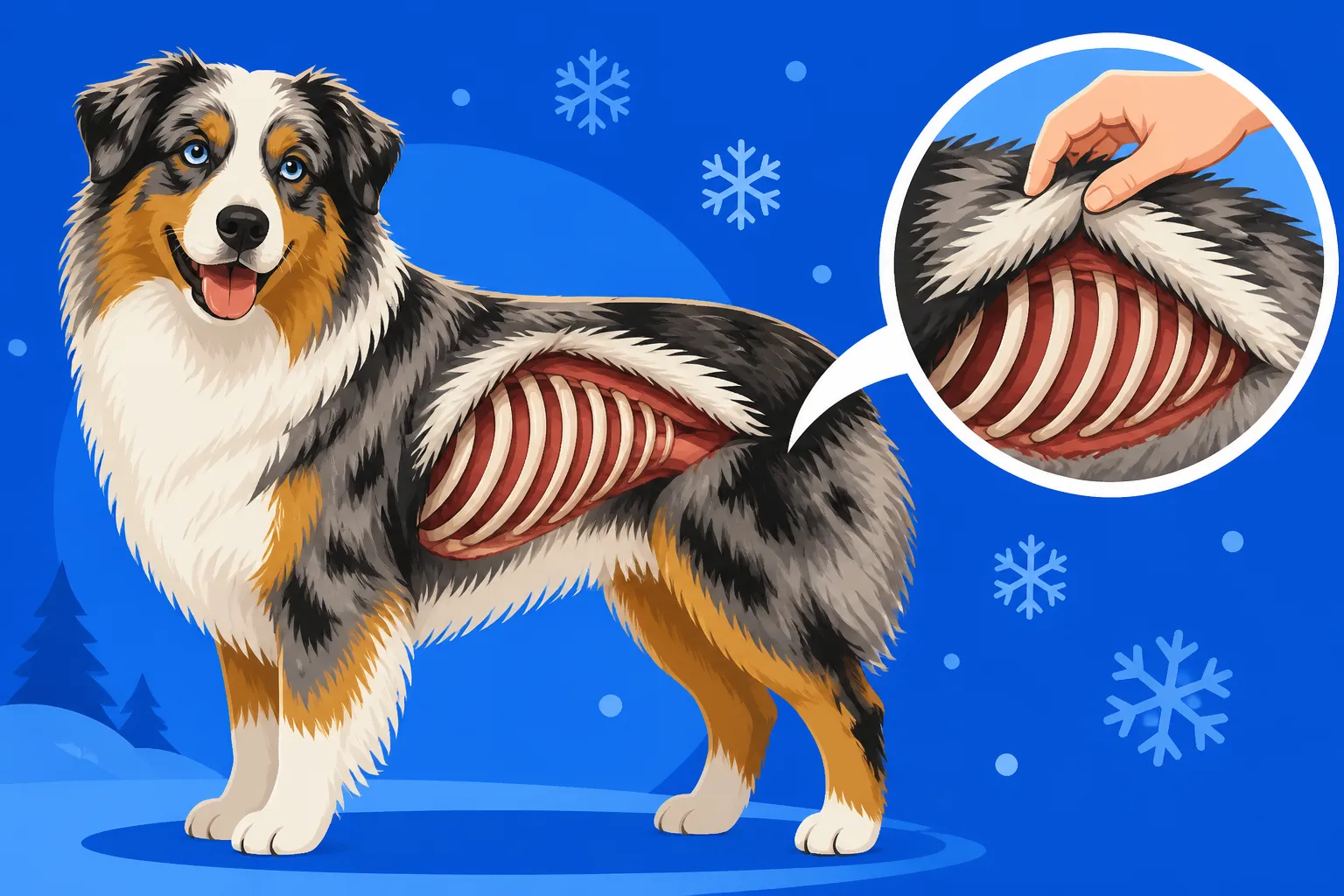
This is your go-to method. Imagine you're gently petting your Aussie along their sides, just behind their front legs. You want to run your open palms flat over their rib cage. You should be able to feel their ribs individually, much like running your hand over the knuckles of your loosely clenched fist. If you can feel the ribs easily with light pressure, without pressing down hard, your Aussie is likely in good condition. If you have to press firmly to feel them, there might be too much fat covering them, suggesting they're overweight. Conversely, if the ribs feel prominent and sharp, like running your hand over a washboard, without any padding, they might be underweight. It takes a little practice to develop a sensitive touch, but once you get it, it becomes second nature. It's a key part of Scoring an Aussie Body Condition by Hand.
Other Palpation Points and Visual Cues
Beyond the ribs, there are other important areas to check. Gently feel along their spine, especially over the loin area. You should be able to feel the tops of the vertebrae without them feeling too sharp or too deeply buried under fat. The hip bones are another indicator; they should be palpable, but not jutting out prominently.
For visual cues, even under a heavy coat, you can look for a "waist" when viewing your Aussie from above. If you gently push aside some fur, you should see a discernible tuck-in behind the rib cage. From the side, a slight abdominal tuck (where the belly slopes up from the chest to the hind legs) is also desirable. If your Aussie looks like a straight "log" from above or has a saggy belly from the side, even with a thick coat, it's worth investigating further with the palpation technique. Regular grooming, using tools like The Rake That Reaches an Aussie Undercoat, can also help you get a better feel and view of their body as you work through their fur.
Here’s a quick guide to what you should be feeling:
| Body Condition Score | Visual Description (Under Fur) | What You Should Feel (Palpation) | Action Required |
|---|---|---|---|
| Too Thin | Ribs, spine, hips highly visible | Ribs, spine, hip bones easily seen and felt with no fat cover. | Increase food intake gradually, consult vet. |
| Ideal | Slight waist, abdominal tuck | Ribs easily felt with slight fat cover, spine/hips palpable but not sharp. | Maintain current diet and exercise. |
| Overweight | No waist, rounded profile | Ribs felt with moderate pressure, spine/hips difficult to feel. | Reduce food intake, increase exercise, monitor closely. |
| Obese | Rounded, no waist or tuck | Ribs difficult to feel, heavy fat cover, abdomen distended. | Significant diet and exercise changes, vet consultation essential. |
Adjusting Their Bowl: Winter Diet Considerations
Once you've accurately assessed your Australian Shepherd's body condition, the next step is to make any necessary adjustments to their diet, particularly in winter when habits might shift. It's not just about what they eat, but how much.
Activity Levels in Colder Months
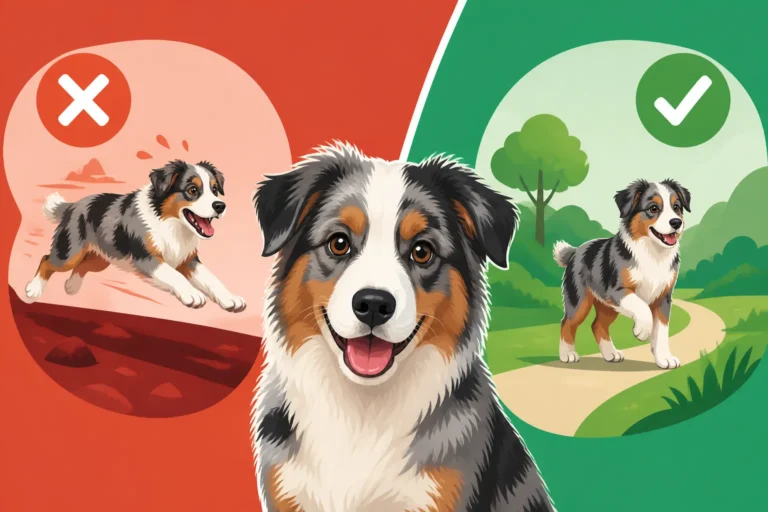
Winter can bring a natural dip in activity for many dogs, and Aussies are no exception. Shorter daylight hours, colder temperatures, and inclement weather can mean fewer long walks, less vigorous play, and a general decrease in outdoor adventures. Even if your Aussie usually gets two hours of intense activity a day, that might drop significantly in winter. When activity levels decrease, their caloric needs also decrease. Continuing to feed the same amount of food as during peak activity in spring or summer can quickly lead to weight gain. Owners often overlook this subtle shift, assuming their dog is still burning the same energy. Consider their actual output; for example, if they typically herd or do agility but those activities are paused for winter, their food needs to reflect that. For a deeper dive into managing their activity, check out Australian Shepherd Exercise in Snow and Cold.
Temperature's Role in Calorie Burn
While it's true that dogs burn some extra calories to maintain body temperature in very cold environments, this often applies more to working dogs living outdoors or those spending extended periods in freezing conditions. For most Aussies living indoors, even with regular outdoor potty breaks and walks, the additional calorie burn for warmth is usually minimal. Their thick double coat is incredibly efficient at insulation, meaning they don't have to work as hard to stay warm as a short-coated breed might. So, unless your Aussie is truly spending hours working in freezing temperatures, you shouldn't drastically increase their food intake just because it's winter. It's much more crucial to balance their calories with their actual energy expenditure, which is often lower in the colder months for the average pet Aussie. If you’re carefully tracking their daily caloric needs, you might find insight in Daily Calories for a Fifty Pound Australian Shepherd.
Preventing the Winter Weight Creep
The key to preventing winter weight creep is meticulous portion control and monitoring. If you've determined your Aussie is gaining weight, or is already overweight, you'll need to slightly reduce their daily food intake. This doesn't necessarily mean cutting out entire meals, but perhaps slightly reducing the quantity at each meal.
- Weigh their Food: Eyeballing portions is notoriously inaccurate. Invest in a kitchen scale and weigh your Aussie’s kibble for precise control. This is especially important for brands like those available on Chewy, where portion sizes can sometimes vary slightly by bag.
- Opt for Lower Calorie Treats: If training continues or treats are a big part of your routine, switch to low-calorie options or use small pieces of healthy vegetables (like carrots or green beans) as rewards.
- Consider Fresh Food Options: Some fresh food services, such as Ollie, offer pre-portioned meals based on your dog's exact caloric needs, making it easier to adjust portions season by season. You can often communicate directly with them to adapt the plan if you notice weight fluctuations.
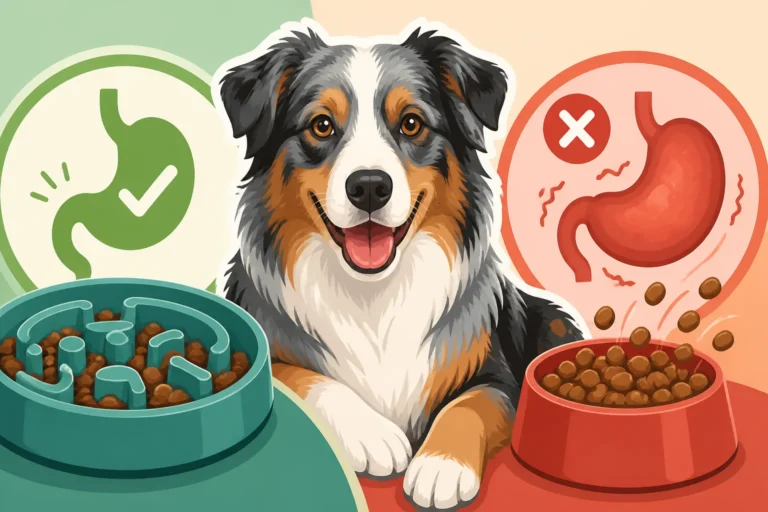
- Slow Down Mealtime: Using slow feeder bowls can help your Aussie feel fuller by extending mealtime, which is a great tip for weight management.
Remember, any dietary changes should be gradual to avoid upsetting their digestive system.
Year-Round Vigilance: Maintaining an Ideal Weight
Maintaining an Australian Shepherd's ideal weight isn't a "set it and forget it" task; it requires ongoing attention throughout their life, with seasonal adjustments and regular checks. Their health and longevity depend on it.
Seasonal Shifts in Body Condition
Just like humans, dogs can experience slight natural fluctuations in their body condition throughout the year. Your Aussie might be a touch leaner after a summer of intense hiking and swimming, and then fill out a little more during a less active winter. These minor shifts are usually nothing to worry about. What you want to avoid are significant, uncontrolled changes. If you notice your Aussie rapidly gaining weight in winter or becoming noticeably thin at any time, it's a sign that their diet or exercise regimen needs a more substantial overhaul. Regular hands-on checks, as described earlier, will help you detect these changes early, regardless of their coat's thickness. This proactive approach is key to Australian Shepherd Weight Control on a Working Frame.
The Vet's Eye and Regular Weigh-Ins
Your veterinarian is an invaluable partner in managing your Aussie's weight. During routine check-ups, they will often perform a body condition score themselves, offering an objective assessment. Don't hesitate to ask them for their opinion, especially if you're unsure after your own palpation. They can also advise on appropriate calorie targets based on your dog's age, activity level, and any underlying health conditions.
Regular weigh-ins are also crucial. Many vet clinics have scales in their waiting rooms that you can use for free between appointments. Some owners even invest in a pet scale for home, which you can find on Amazon, particularly if their Aussie is prone to weight fluctuations. Tracking their weight every few weeks gives you quantifiable data to back up your hands-on assessments and helps you make informed decisions about their food intake. It’s also wise to keep in mind topics like Recalculating an Aussie Ration After Neutering, as significant life changes will impact their caloric needs.
The Long-Term Health Impact
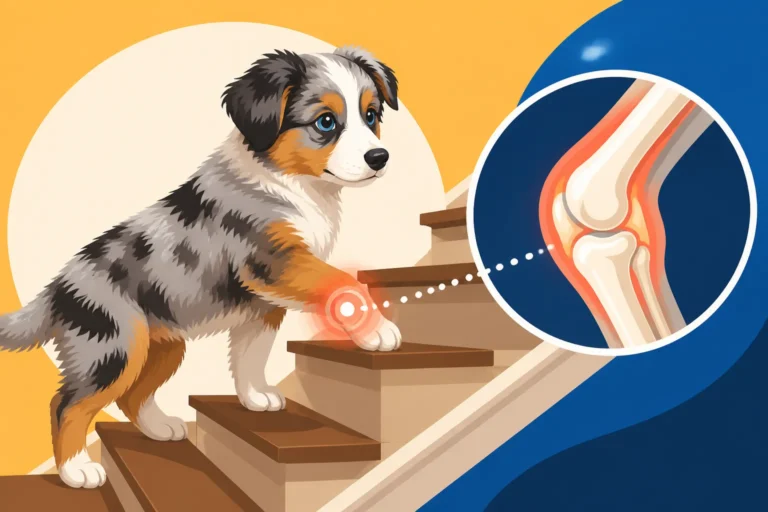
Maintaining an ideal weight is one of the most impactful things you can do for your Australian Shepherd's long-term health and quality of life. Even a few extra pounds can put undue stress on their joints, especially for a breed known for its active lifestyle and potential for conditions like hip and elbow dysplasia. Excess weight can exacerbate joint issues, contribute to conditions like diabetes, and reduce their overall stamina and enthusiasm for activities they love. It's a contributing factor to the progression of Australian Shepherd Arthritis After Years of Work and can severely impact their comfort as they age.
Conversely, being underweight can also indicate underlying health problems or insufficient nutrition. By being diligent about assessing their body condition year-round, adjusting their diet and exercise as needed, and consulting with your vet, you're investing in a vibrant, healthy future for your Australian Shepherd. Remember, a fit Aussie is a happy Aussie, ready for whatever adventure comes next, even under that glorious winter coat.
Disclaimer
This article is for general informational purposes only and does not constitute professional advice. Laws, prices and regulations vary by location and change over time. Consult a qualified professional for guidance on your specific situation.