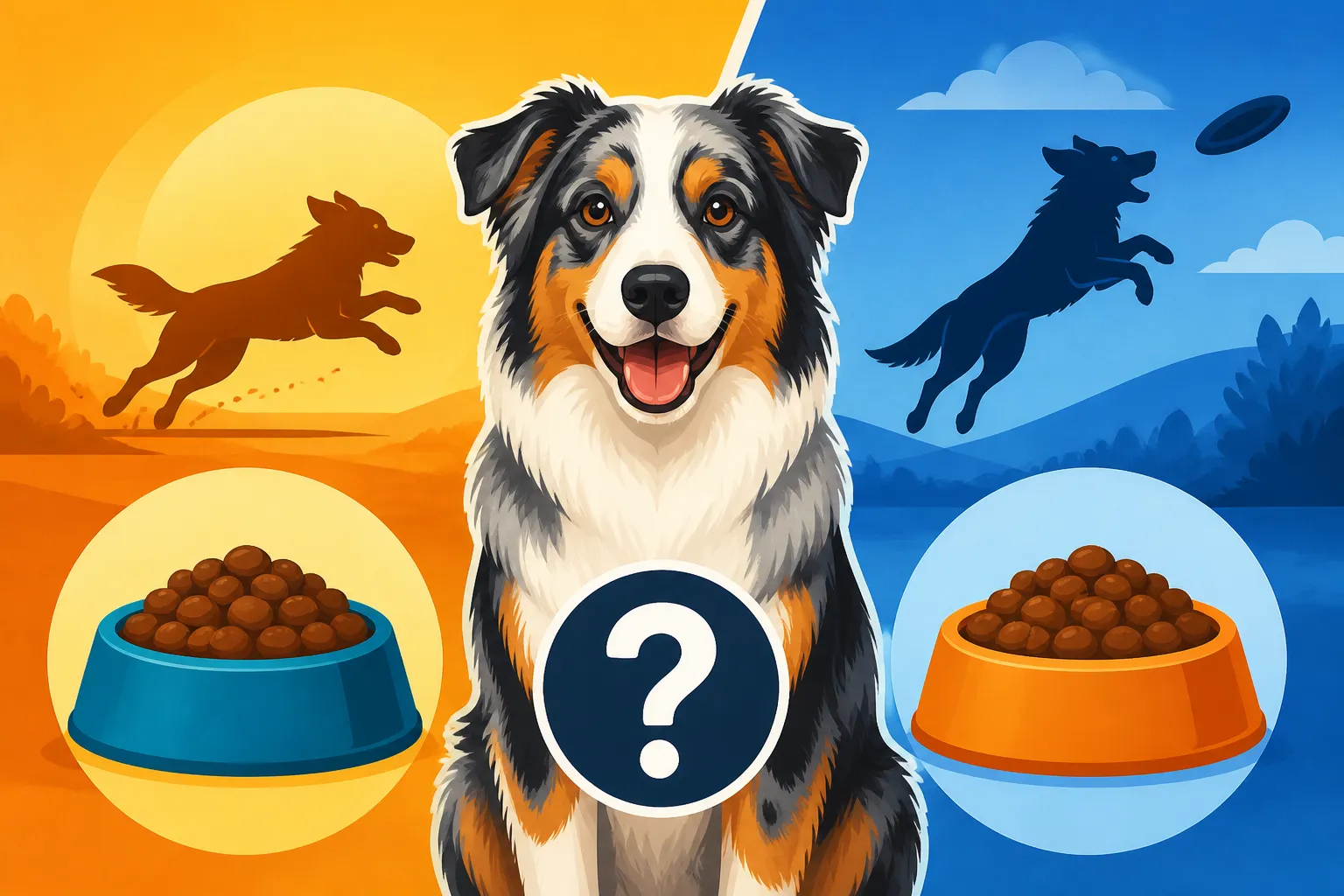
Feeding an Aussie Before or After Exercise
One of the biggest head-scratchers for us Australian Shepherd owners, especially those with high-drive, energetic pups, is figuring out the best time to feed them around their intense exercise schedule. It's a valid concern, because getting it wrong can lead to anything from a sluggish performance during a hike to serious health risks like bloat. This guide is here to untangle the confusion, helping you optimize your Aussie’s meal timing for their health, energy, and overall well-being.
The Digestive System and Exercise: Why Timing Matters for Aussies
Your Australian Shepherd's body is an incredible machine, designed for bursts of energy and sustained work. But even the best machine needs fuel at the right time. When it comes to digestion and exercise, these two systems have to prioritize their resources, and sometimes, they conflict. Understanding this fundamental interaction is key to safe feeding practices.
Understanding Bloat Risk (GDV) in Deep-Chested Breeds
Let's not beat around the bush: bloat, or Gastric Dilatation-Volvulus (GDV), is a terrifying reality for owners of deep-chested breeds like our beloved Aussies. It’s when the stomach fills with gas and twists, cutting off blood supply and trapping contents. This isn't just an upset tummy; it's a rapidly progressing, life-threatening emergency that requires immediate veterinary intervention.
Why are Aussies particularly susceptible? Their deep, narrow chest conformation creates a larger space where the stomach can distend and rotate. While the exact causes are still being researched, factors like eating rapidly, consuming large meals, and vigorous exercise too close to eating are all considered significant contributors. Imagine running a marathon right after Thanksgiving dinner – your digestive system is working overtime, your stomach is full, and everything is churning. Now imagine that same scenario inside a dog whose stomach can literally flip. It’s a chilling thought, and why timing meals, especially large ones, around intense activity is not just good practice, but potentially life-saving. For more information on this critical topic, check out Why an Aussie's Deep Chest Raises Bloat Risk.
Energy Demands and Nutrient Absorption During Activity
When your Australian Shepherd is tearing across a field, chasing a disc, or working sheep, their body is in "flight or fight" mode, even if it's happy play. Blood flow is redirected to the muscles, lungs, and heart to support physical exertion. This means less blood flow to the digestive organs. Consequently, digestion slows down significantly.
If you feed a large meal just before exercise, that food sits in the stomach, undigested or only partially digested. Not only does this risk bloat, but it also means your Aussie isn't efficiently absorbing the nutrients they need for energy. The body is trying to do two jobs at once – digest a meal and fuel intense physical activity – and it can't do either optimally. Think about how sluggish and uncomfortable you feel trying to exercise on a full stomach. Our dogs experience something similar, but with potentially more severe consequences. They need readily available energy, not a full belly struggling to break down a meal while their muscles demand all the resources.
The Pros and Cons of Feeding Before Exercise
While the general rule of thumb for active dogs is to avoid feeding a large meal right before exercise, there are nuances. A quick, low-intensity walk is different from an hour of high-impact agility or herding. Let's break down when a pre-exercise snack might be acceptable and when it's definitely not.
When a Small Pre-Workout Snack Might Be Okay
For low-intensity, short-duration activities, like a leisurely stroll around the block or a quick potty break, a tiny, easily digestible snack might be fine, especially if your Aussie has a sensitive stomach or gets anxious if they feel hungry. We’re talking about a few pieces of their regular kibble, or a small, bland biscuit, not half their dinner. The key here is small and easily digestible. Carbohydrate-rich treats that provide a quick energy boost without taxing the digestive system can work.
However, even with a snack, the caution remains. Every dog is an individual. What one Aussie tolerates, another might not. Always observe your dog closely for any signs of discomfort, burping, or lethargy after a pre-exercise nibble. If they seem at all off, it's best to skip it entirely. This isn't about fueling a major workout; it's about taking the edge off hunger for minimal exertion.
The Risks of a Full Meal Before Activity
This is where we draw a firm line. Feeding a full meal, or even a substantial one, before any vigorous exercise is genuinely risky for an Australian Shepherd. Beyond the immediate discomfort of a full stomach jostling during movement, the primary concern is, again, bloat. The combination of a distended stomach (from food and sometimes swallowed air from gulping down food) and high-impact activity creates a perfect storm for the stomach to twist.
Even if bloat isn't an issue, a full meal before exercise can lead to:
- Gastrointestinal Upset: Vomiting or diarrhea during or immediately after exercise is not uncommon when dogs eat too close to activity. Imagine your Aussie on a long hike, suddenly stopping to throw up their breakfast. It's unpleasant for everyone and can lead to dehydration.
- Lethargy and Decreased Performance: A dog busy digesting a meal isn't operating at its peak. They might feel sluggish, less enthusiastic about their activity, and less focused. Their muscles simply aren't getting the full blood flow and oxygen they need because the digestive system is demanding resources. This is particularly noticeable in sports like agility or herding, where sharp turns and quick movements are critical. An Aussie needs to be light and ready, not heavy and full.
- Choking Hazard: In rare cases, especially with fast eaters, a full mouth of food combined with sudden activity could pose a choking risk.
It's simply not worth the gamble. The potential downsides far outweigh any perceived benefit of pre-loading a meal.
The Ideal: Feeding Your Aussie After Exercise
The consensus among vets, breeders, and experienced Aussie owners is clear: the best time to feed your active Australian Shepherd is after they've cooled down from their exercise. This approach supports both their immediate recovery and long-term health.
Replenishing Energy and Aiding Recovery
After an intense session of running, jumping, or herding, your Aussie's body needs to recover. Their muscles have used up glycogen stores (the body's stored form of glucose for energy), and muscle tissue may have experienced minor damage. Feeding a balanced meal post-exercise provides the essential building blocks for repair and replenishment.
- Protein for Muscle Repair: Protein is crucial for rebuilding and repairing muscle tissue. A good quality dog food, rich in appropriate protein, will help their body recover efficiently.
- Carbohydrates for Energy Stores: Complex carbohydrates help replenish those depleted glycogen stores, ensuring your Aussie has energy for their next adventure.
- Nutrient Absorption: Once your Aussie is calm and their body has returned to a resting state, blood flow is redirected back to the digestive organs. This allows for optimal nutrient absorption, ensuring they get the most out of their meal.
Think of it like an athlete's post-workout meal. It's not just about satisfying hunger; it's about providing targeted nutrition for recovery and performance.
Waiting for the Body to Settle: How Long is Enough?
"After exercise" doesn't mean the second your Aussie walks back through the door. It's vital to allow them a proper cool-down period. Their heart rate needs to return to normal, their breathing should settle, and they should appear relaxed and calm. This waiting period is critical for minimizing bloat risk and ensuring efficient digestion.
A good rule of thumb is to wait at least 30 minutes to an hour after vigorous exercise before offering a meal. For exceptionally high-intensity activities or very sensitive dogs, you might even consider extending this to 90 minutes. During this cool-down, offer fresh water, let them relax in their crate or a quiet spot, and maybe give them a gentle brush to help them settle.
Factors influencing this wait time include:
- Intensity and Duration of Exercise: A quick game of fetch requires less downtime than an hour-long agility course.
- Individual Dog: Some Aussies naturally calm down faster than others. Observe your dog's specific recovery time.
- Environmental Temperature: On hot days, a longer cool-down is essential before feeding.
- Meal Size: If you plan to feed a larger meal, err on the side of a longer waiting period.
This waiting period isn't just about bloat; it’s about allowing their body to shift from an active, sympathetic state to a resting, parasympathetic state where digestion can occur most effectively. If you're looking for more guidance on post-meal rest, check out How Long to Rest an Aussie After a Meal.
Practical Strategies for the Busy Aussie Owner
We know life with an Australian Shepherd isn't always neat and tidy. Schedules can be hectic, and sometimes you're juggling work, family, and an Aussie who demands two hours of exercise a day. Here are some practical strategies to make meal timing work for you and your furry friend.
Structuring Meal Times Around a Working Schedule
For many of us, our Aussies' exercise happens in chunks throughout the day – a brisk morning walk, a midday run, an evening training session. Rather than one massive meal, splitting your Aussie's daily food ration into two or even three smaller meals can be incredibly beneficial.
- Morning Routines: If your Aussie has an early morning burst of energy, feed them immediately after their first substantial exercise and cool-down. If their morning activity is minimal, you could feed them their first small meal before, then another larger one after the main morning exercise, or simply feed the main morning meal after the morning exercise.
- Evening Activities: For evening training or long walks, feed their dinner well after they've finished their activity and had ample time to cool down.
- Midday Boost: If you're home for lunch and your Aussie gets a good mid-day outing, consider giving them a portion of their daily food then, again, after they've settled.
- Puzzle Feeders: These are a lifesaver! Instead of gobbling down a meal in two minutes, puzzle feeders make your Aussie "work" for their food, engaging their minds and slowing down their eating. This can reduce the risk of gulping air and potentially bloat. Many excellent options are available from retailers like Amazon.
- Consistency: Dogs thrive on routine. Try to keep meal and exercise times as consistent as possible, which helps their digestive system regulate itself.
Splitting meals also ensures a steady energy supply throughout the day, preventing extreme hunger that can lead to rapid eating. For more tips on managing their daily food intake, read Splitting an Australian Shepherd's Ration Into Two Meals and Daily Calories for a Fifty Pound Australian Shepherd.
Hydration is Key: Water Before, During, and After
While we're talking about food, we cannot forget water. Hydration is absolutely paramount for an active Australian Shepherd, regardless of when they eat. Their incredible energy expenditure means they'll lose a lot of fluid through panting and exertion.
- Before Exercise: Always offer fresh water before heading out. Don't restrict it, but ensure they drink calmly.
- During Exercise: For any activity lasting more than 30 minutes, or in warm weather, carry water and offer it frequently. Portable dog bowls are incredibly handy for this. You can find a wide selection of these, from collapsible silicone bowls to bottles with integrated dispensers, on sites like Chewy.
- After Exercise: Once you're done and your Aussie is cooling down, ensure unlimited access to fresh, cool water. This helps them regulate their body temperature and rehydrate.
Proper hydration supports all bodily functions, including digestion, and helps prevent overheating, which can be a real concern for double-coated Aussies. You can learn more about keeping your dog hydrated in Australian Shepherd Water Needs on a Long Day Out.
Choosing the Right Fuel for an Active Aussie
The type of food you offer also plays a significant role in your Australian Shepherd's energy levels, digestion, and overall health. Not all dog foods are created equal, especially for a high-performance breed.
- High-Quality Kibble: Look for kibble with a named meat source as the first ingredient (e.g., "chicken meal" not "meat byproduct"). Avoid excessive fillers and artificial ingredients. Brands available on Amazon and Chewy often offer performance-specific formulas designed for active dogs, which have higher protein and fat content to meet their energy demands.
- Fresh Food Options: Some owners opt for fresh food diets, whether homemade (carefully balanced with veterinary nutritionist guidance) or commercially prepared. Services like Ollie provide pre-portioned, human-grade fresh meals that can be highly digestible and appealing. While potentially more expensive, these can be excellent for maintaining peak condition.
- Balanced Nutrition: Regardless of the type, ensure the food provides a complete and balanced diet. This means the right ratios of protein, fat, carbohydrates, vitamins, and minerals. A working Aussie needs more calories and denser nutrition than a couch potato!
- Digestibility: Some dogs do better on certain protein sources or carbohydrate types. If your Aussie frequently has an upset stomach, it might be worth exploring novel protein diets or different formulations. Check out Wet Food Against Dry Food for an Australian Shepherd for a deeper dive.
- Supplements: For working Aussies, joint supplements (glucosamine, chondroitin, MSM) and omega fatty acids can be beneficial additions to support their active bodies and maintain coat health. These are often discussed in articles like Joint Support in a Working Aussie Diet, and many quality options are available through reputable pet retailers.
Always introduce new foods gradually to avoid digestive upset. Finding the right food that fuels your Aussie's boundless energy and supports their recovery is an ongoing journey. For more comprehensive feeding advice, consider reading Feeding an Australian Shepherd That Works All Day.
Here’s a quick overview to help you visualize the best practices:
| Meal Timing Scenario | Recommendation | Potential Risks (If Not Followed) |
|---|---|---|
| Full Meal Before | Avoid at all costs for vigorous exercise. | Bloat (GDV), severe GI upset, sluggishness, decreased performance. |
| Small Snack Before | Only for light, short activity (e.g., potty break). Easily digestible, minimal amount. | Still a slight bloat risk for sensitive dogs or if not truly "small." |
| Full Meal After | Ideal scenario. | Bloat (GDV) if fed too soon after vigorous exercise. |
| Water Before/During/After | Always available and offered frequently. | Dehydration, overheating, impaired bodily function. |
| Splitting Meals | Highly recommended for active Aussies. | Extreme hunger, rapid eating, potential for bloat if only one large meal. |
Ultimately, feeding your Australian Shepherd before or after exercise boils down to prioritizing their health and safety. By allowing their body to manage one major task at a time—either digesting food or performing strenuous activity—you're setting them up for a long, healthy, and energetic life.
Disclaimer
This article is for general informational purposes only and does not constitute professional advice. Laws, prices and regulations vary by location and change over time. Consult a qualified professional for guidance on your specific situation.