Why a Growing Aussie Should Not Run Long Distances
It’s a natural impulse to want to unleash your energetic Australian Shepherd puppy on long runs, hikes, or even intense agility drills. You see that boundless energy, that eagerness to move, and you think, "Surely this dog was built for this!" But here’s a sobering truth that many well-meaning owners overlook: pushing a young Aussie too hard, too soon, especially with long-distance running, can set them up for a lifetime of joint problems and pain. This guide is all about understanding why that is, and how to safely nurture your Australian Shepherd's incredible athleticism without risking their future health.
Understanding Growth Plates and Joint Development
The enthusiasm of an Australian Shepherd puppy is truly infectious. They bounce, they sprint, they want to engage with everything, and it’s tempting to let them burn off all that exuberance with endless, high-impact exercise. However, beneath all that fluffy coat and boundless energy, their skeletal system is still very much a work in progress. This developmental stage is incredibly delicate, and ignoring it can have serious, lasting consequences for their joint health.
The Critical Role of Growth Plates
Think of growth plates, also known as epiphyseal plates, as the cartilaginous "factories" at the ends of a puppy's long bones – in their legs, shoulders, and hips. These plates are made of soft, unossified cartilage, constantly producing new bone cells that lengthen the bones as your puppy grows. They're literally the engines of skeletal development.
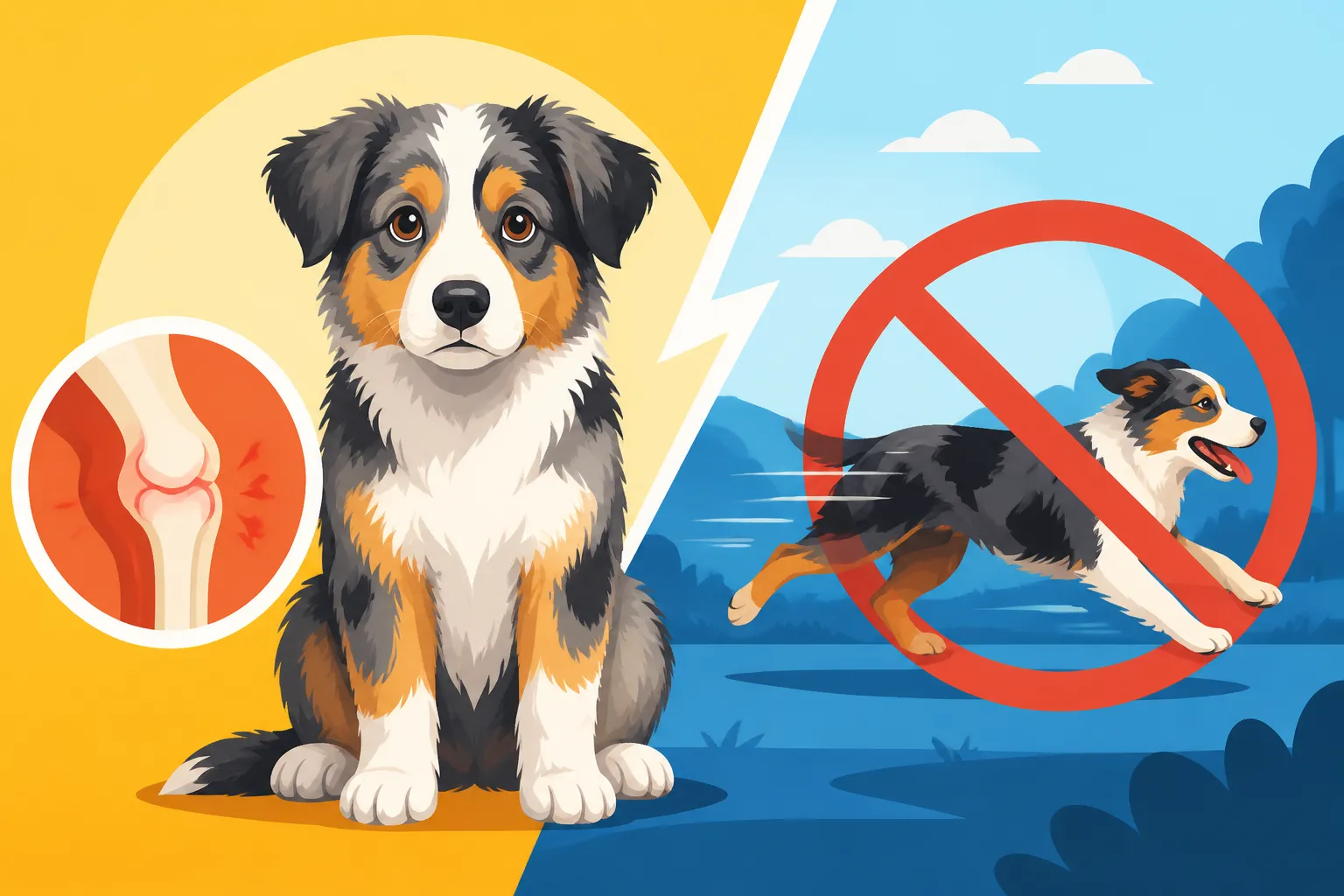
Because they are cartilage, these plates are significantly softer and more vulnerable than the mature bone they will eventually become. Any excessive impact, twisting, or repetitive stress can easily damage them. A growth plate injury can lead to a host of problems: premature closure of the plate, uneven growth between bones, or even permanent deformity. Imagine a tiny crack in a growing sapling; it won't grow straight or strong if that crack is continually stressed. Your Australian Shepherd's long-term soundness, their ability to jump, run, and work without pain, hinges on these delicate structures closing properly and without damage.
When Growth Plates Close in Australian Shepherds
The timing of growth plate closure is not an exact science, and it can vary slightly from one individual Australian Shepherd to another, even within the same litter. Generally speaking, most growth plates in Australian Shepherds, and other medium to large breeds, will begin to solidify and fuse into hard bone around 12 to 18 months of age. Some smaller plates might close earlier, while others, particularly those in the larger weight-bearing joints like the hips and shoulders, might not fully fuse until closer to two years old.
This means that for the first year and a half, or even two years, of your Aussie's life, their skeletal system is still in a vulnerable state. It's crucial not to mistake their physical size or apparent strength for skeletal maturity. An Australian Shepherd might look like a full-grown dog at 9 or 10 months, with a substantial build and impressive speed, but their bones are still far from mature. Pushing them into demanding activities like long-distance running, intense agility work with high jumps, or sustained, repetitive retrieving during this critical window is essentially putting fragile, developing structures under immense strain. It's a risk not worth taking for the sake of an immediate energy outlet. For more on this, you might find Australian Shepherd Growth Plates and When They Close very informative.
The Risks of High-Impact Exercise for Young Aussies
It's tempting to think that an active puppy is a healthy puppy, and while activity is essential, the type and intensity of that activity are paramount for a growing Australian Shepherd. High-impact, long-distance exercise before their skeletal system is fully mature can have detrimental effects that ripple through their entire life, leading to chronic pain and costly veterinary interventions.
Microtrauma and Long-Term Joint Damage
Imagine pounding the pavement with every step, mile after mile. For a mature human runner, this might lead to sore muscles or temporary aches. For a growing Australian Shepherd puppy, with those soft, vulnerable growth plates and still-developing joint cartilage, it's a recipe for microscopic damage, known as microtrauma. These tiny injuries aren't always immediately apparent; your puppy might not limp dramatically right away. Instead, they accumulate over time, like invisible cracks forming in a foundation.
Each jarring step, especially on hard surfaces, sends shockwaves through their young joints. This repetitive stress can inflame the delicate tissues, erode cartilage, and disrupt the normal ossification process of the growth plates. Over weeks and months, these small injuries can coalesce into more significant problems, leading to chronic inflammation, pain, and reduced mobility as they age. It's a silent threat that can manifest years down the line when the accumulated damage finally takes its toll.
Increased Risk of Dysplasia and Arthritis
One of the most concerning long-term consequences of over-exercising a young Australian Shepherd is the heightened risk of developing debilitating joint conditions, particularly hip and elbow dysplasia. Both of these are complex, multifactorial diseases influenced by genetics, nutrition, and, critically, environmental factors like exercise during development. Even if your Australian Shepherd comes from excellent, health-tested lines, excessive strain on their immature joints can exacerbate any genetic predispositions they might have.
Hip dysplasia, for instance, occurs when the ball and socket of the hip joint don't fit or develop properly, leading to laxity and abnormal wear. Elbow dysplasia is a similar condition affecting the elbow joint. When a puppy is pushed to run long distances, jump excessively, or engage in high-impact activities, the forces on these still-forming joints can cause the bones to grow improperly, the cartilage to wear down, and the joint to become unstable. This abnormal development, fueled by inappropriate exercise, significantly increases the likelihood of an early onset of painful arthritis, leading to stiffness, lameness, and a reduced quality of life for your active Aussie. Owners often face significant veterinary bills for managing these conditions, including medications, physical therapy, and sometimes even surgery. You can learn more about these specific issues in Australian Shepherd Hip Dysplasia and OFA Scoring and Aussie Elbow Dysplasia From Hard Turning.
Safe Exercise for a Growing Australian Shepherd
It's not about making your Australian Shepherd a couch potato during their formative months; it's about smart, age-appropriate exercise that builds a strong, healthy body rather than breaking it down. Their need for mental and physical stimulation is undeniable, but it must be channeled correctly.
The "Five-Minute Rule" for Puppy Exercise
This rule is a cornerstone for safe puppy exercise and should be adhered to religiously for your growing Australian Shepherd. The "five-minute rule" dictates that a puppy should receive roughly five minutes of structured exercise per month of age, twice a day.
So, for example:
- A 3-month-old puppy: 15 minutes, twice a day (3 months x 5 minutes = 15 minutes)
- A 6-month-old puppy: 30 minutes, twice a day (6 months x 5 minutes = 30 minutes)
- A 9-month-old puppy: 45 minutes, twice a day (9 months x 5 minutes = 45 minutes)
This rule refers to structured exercise like walks on a leash, focused training sessions, or short, controlled play. It doesn't include free play in a securely fenced yard, which is also important but less predictable in terms of intensity. Always prioritize quality over quantity. Short, frequent sessions are far better than one long, strenuous outing. Remember, the goal is to develop muscles, coordination, and stamina gradually, without placing undue stress on their vulnerable growth plates and joints. This careful approach helps to ensure your Australian Shepherd will have healthy joints for their entire Australian Shepherd Lifespan Across Twelve to Fifteen Years.
Appropriate Activities for Young Aussies
Instead of long runs, focus on activities that engage your Aussie's mind and body without excessive impact. Think about what they were bred to do – herd. While you might not have sheep, you can simulate that mental and physical engagement.
Here are some great options:
- Short, Leashed Walks: Explore new smells and sights in your neighborhood or a local park. This provides mental stimulation and controlled physical activity. Let them sniff! Sniffing is incredibly tiring for dogs.
- Structured Play Sessions: Engage in short games of fetch with soft toys on a forgiving surface like grass. Keep these sessions brief and allow for plenty of breaks. Avoid repetitive, high-speed starts and stops. You can find durable, appropriate toys on platforms like Amazon or Chewy that can withstand an Aussie's enthusiasm.
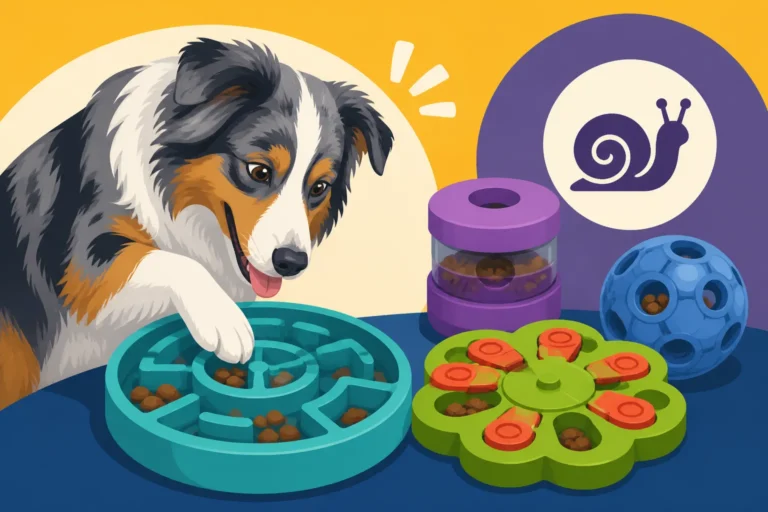
- Puzzle Toys and Mental Enrichment: Australian Shepherds are incredibly intelligent and thrive on mental challenges. Invest in puzzle feeders or interactive toys that make them think to get a treat. Brands like Outward Hound offer excellent options. You can also create simple scent games by hiding treats around the house or yard. This tires their brain, which is just as important, if not more so, than tiring their body.
- Obedience Training: Short, positive reinforcement training sessions are fantastic. Learning new cues, practicing impulse control, and focusing on you build a strong bond and provide excellent mental work. Even 10-15 minutes of dedicated training can wear out an Aussie puppy more than an unstructured run.
- Swimming (controlled): Once your vet clears them and they are comfortable, swimming can be an excellent low-impact exercise, as it builds muscle without stressing joints. Start with very short sessions in calm, shallow water.
Always supervise play, especially with other dogs, to prevent over-exertion or roughhousing that could lead to injury. Remember that every activity, no matter how low-impact, should be done in moderation when your Australian Shepherd is still growing. More specific guidance on appropriate limits can be found in Exercise Limits for a Growing Australian Shepherd.
Recognizing Signs of Over-Exercise and Injury
Even with the best intentions, it's possible to accidentally overdo it with an enthusiastic Australian Shepherd puppy. They often have an incredibly high pain tolerance and a strong "work ethic," meaning they might push themselves past their limits without showing immediate, obvious signs of discomfort. As their guardian, it's your responsibility to be vigilant and learn to read their subtle cues.
Subtle Lameness and Gait Changes
A dramatic limp is easy to spot, but often, the first signs of joint stress or injury in a growing Aussie are much more subtle. Pay close attention to how your puppy moves, especially after exercise or first waking up.
Look for:
- A slight shift in weight: Are they favoring one leg, even just a little?
- Stiffness: Do they seem reluctant to get up, stretch, or climb stairs (which, by the way, should also be limited for young Aussies – see Stairs and a Young Australian Shepherd's Joints)?
- Shortened strides: Is their gait less fluid than usual, perhaps taking shorter steps with one leg?
- Bunny hopping: When they run, do they bring both back legs forward at the same time, instead of alternating? This can be a sign of hip discomfort.
- Hesitation: Do they hesitate before jumping onto furniture (if allowed) or into the car?
- Changes in posture: Are they holding their body differently, perhaps tucking their tail more or arching their back?
Any persistent change, even if it seems minor, warrants a call to your veterinarian. Early intervention is key to managing potential issues and preventing them from worsening. Your vet can perform a thorough examination and recommend appropriate steps, which might include rest, anti-inflammatory medication, or further diagnostics like X-rays.
Behavioral Indicators of Pain or Fatigue
Beyond physical symptoms, your Australian Shepherd puppy's behavior can also give you clues that they are experiencing pain or are simply overtired from too much activity. Remember, an Aussie that is typically "on" all the time might suddenly become "off" when experiencing discomfort.
Behavioral signs to watch for:
- Increased irritability or grumpiness: A puppy in pain might snap or growl more easily, especially when touched in a sensitive area. They might not want to play as much or engage with family members.
- Lethargy or excessive sleeping: While puppies sleep a lot, a sudden increase in lethargy or a reluctance to engage even in their favorite activities could signal pain or extreme fatigue.
- Loss of appetite: Pain or discomfort can sometimes suppress a puppy's desire to eat. If your Aussie isn't enthusiastic about their food, even something yummy from Ollie or their regular kibble from Chewy, it's a red flag.
- Self-licking or chewing: Persistent licking, chewing, or grooming of a specific joint or area could indicate localized pain or irritation.
- Reluctance to play: If your normally enthusiastic Aussie turns down a game of fetch or tug, it's a strong sign something is amiss.
- Changes in house training: Sometimes, puppies in pain might have accidents in the house if moving to go outside is too uncomfortable.
These behavioral changes are your puppy's way of communicating that something is wrong. Trust your instincts as an owner; if something feels "off" about your Australian Shepherd, it's always best to seek professional veterinary advice. It’s better to be overly cautious than to let a subtle injury progress into a chronic condition.
Appropriate Exercise for Growing Australian Shepherds
Here's a quick reference guide to help you plan your growing Australian Shepherd's exercise routine. Remember, these are general guidelines, and individual needs may vary. Always consult your veterinarian for personalized advice, especially if your puppy has any pre-existing conditions or unique developmental needs.
| Age Range (Months) | Recommended Structured Exercise (Twice Daily) | Appropriate Activities | Activities to Avoid (Until Growth Plates Close) |
|---|---|---|---|
| 8-12 Weeks | 5-10 minutes | Short leash walks, supervised backyard play, gentle tug, puzzle toys | Long walks, jogging, stairs, high jumps, intense fetch, dog park |
| 3-4 Months | 15-20 minutes | Short leash walks, controlled fetch on soft ground, basic obedience, scent games, puppy classes | Repetitive jumping, hard surfaces, forced running, competitive agility |
| 5-6 Months | 25-30 minutes | Longer leash walks (gentle pace), controlled retrieve, continued obedience & mental games, swimming | Forced long-distance running, intense agility, hard braking/turns |
| 7-9 Months | 35-45 minutes | Moderate leash walks, varied terrain, intro to hiking (short, easy trails), body awareness exercises | Competitive sports with jumping/sharp turns, sustained running, heavy impact |
| 10-18 Months | 50-60 minutes | Longer hikes, jogging (start very slowly), intro to low-impact sports (e.g., Treibball), advanced obedience | High-impact agility, marathon running, excessive jumping (until ~18-24 months) |
| 18-24 Months+ | 60+ minutes | Full range of activities, including higher impact sports and running (gradual increase, vet consult) | Sudden, intense bursts of activity without proper conditioning |
Important Considerations:
- Listen to your puppy: If they seem tired, stiff, or reluctant, stop.
- Surface matters: Prioritize soft surfaces like grass, dirt trails, or sand over pavement or concrete.
- Cool-down: Always allow for a gradual cool-down after any exercise.
- Hydration: Always provide access to fresh water, especially during and after activity.
- Vet check: Always get an "all clear" from your veterinarian, including confirmation of growth plate closure via X-rays if you plan on intensive activities.
By following these guidelines, you're investing in your Australian Shepherd's long-term health and ensuring they can enjoy a full, active life without the burden of preventable joint issues. It truly is about patience and understanding during their critical growth period.
Disclaimer
This article is for general informational purposes only and does not constitute professional advice. Laws, prices and regulations vary by location and change over time. Consult a qualified professional for guidance on your specific situation.