Treats an Aussie Can Earn All Day
Anyone who shares their life with an Australian Shepherd knows that these dogs are perpetually "on"—full of smarts, drive, and a boundless desire to be involved in whatever you're doing. This incredible energy means they're also masters of problem-solving and can get bored quickly if not given enough mental engagement. One common frustration for Aussie owners is finding ways to reward and train their highly motivated companions throughout the entire day without accidentally overfeeding them or running out of effective motivators. This guide is all about tackling that challenge, helping you discover the best types of treats and smart strategies to keep your Aussie engaged, learning, and happy from sunup to sundown, all while maintaining their lean, athletic physique.
Understanding the Australian Shepherd's Treat Needs
If you've ever tried to train an Australian Shepherd, you know they are incredibly intelligent and eager to please—when motivated. They thrive on having a job, and that job often involves earning rewards. But a generic biscuit tossed their way once in a while just won't cut it for the amount of mental horsepower they bring to the table. We need to be strategic about our treats.
High Drive, High Reward: Why the Right Treat Matters
Australian Shepherds are born with an intense herding drive, which translates into a strong work ethic and an insatiable curiosity. This means they respond incredibly well to positive reinforcement, and treats are a cornerstone of that approach. Think about it: when your Aussie is learning a complex new trick or is working through a distracting environment, a truly high-value treat can make all the difference. It's the equivalent of a bonus for them, a powerful incentive that says, "Yes, that's exactly what I want you to do!" If the reward isn't exciting enough, their focus might drift, or they might decide that chasing a leaf is more interesting than your request.
However, you can't use steak for every single repetition of "sit." That's not sustainable for your wallet or your dog's waistline! The trick is understanding the hierarchy of treats. A piece of bland kibble might be enough for a simple "touch" command in a quiet living room, but you'll need something much more enticing for a rock-solid recall when a squirrel suddenly appears. Knowing when to pull out the big guns and when to stick with the everyday rewards is a skill every Aussie owner develops. It's about maximizing impact without overdoing it.
Calorie Control: Balancing Treats with Daily Intake
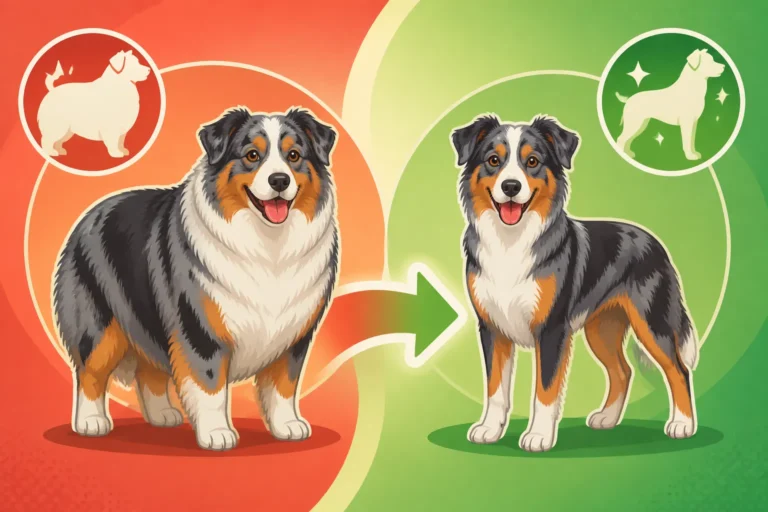
This is where the rubber meets the road for many Aussie owners. You want to train, you want to reward, but you definitely don't want a chunky herding dog. Australian Shepherds are built for agility and endurance, and extra weight puts undue strain on their joints, especially those prone to issues like hip or elbow dysplasia. Treats add up, and they add up fast. A handful of small training treats can easily equal a quarter or even half of their regular meal portion without you even realizing it.
The key to managing this is to view treats as part of their overall daily calorie intake, not as something separate. If your Aussie is getting a lot of training rewards throughout the day, you absolutely need to reduce the size of their main meals. It's a constant balancing act. Many owners find it helpful to calculate their dog's Daily Calories for a Fifty Pound Australian Shepherd and then budget a certain percentage for treats. This might mean pulling a portion of their kibble from their morning meal to use as training rewards later, or opting for extremely low-calorie options during intensive training sessions. Keeping track of their body condition by regularly Scoring an Aussie Body Condition by Hand is also non-negotiable. You should be able to easily feel their ribs without seeing them, and they should have a visible waist when viewed from above.
Types of Treats Perfect for All-Day Training
The good news is there's a huge variety of treats out there, and many can be utilized for continuous training without piling on the pounds. The secret is finding the right treat for the right situation and knowing when to use which type.
Low-Calorie, High-Volume Options
For repetitive training, especially when you're working on new commands or proofing known behaviors in low-distraction environments, you need treats that are small and won't make your Aussie feel full too quickly. These are your everyday workhorses, allowing for many successful repetitions without compromising their diet. Think about things that are mostly water or fiber. Cooked green beans, baby carrots, or even small pieces of apple (without seeds!) can be excellent choices. Just make sure to introduce any new vegetable slowly to avoid digestive upset. Air-popped popcorn (plain, unsalted, unbuttered) is another surprisingly good option for some dogs; it's very low in calories and has a satisfying crunch.
Many commercial brands also offer specifically designed low-calorie training treats. These are often small, soft, and easy to break into even tinier pieces. When browsing for these, look for options with minimal ingredients and clearly stated calorie counts. Online retailers like Chewy often have a vast selection, allowing you to compare options and read reviews from other dog owners to find what works best for your energetic companion. Remember, the goal is quantity over richness for these types of treats, ensuring you have Treats Small Enough for Aussie Training Repetition to keep the lessons flowing.
High-Value, Small-Portion Rewards
Sometimes, you need something extra special. For challenging behaviors, highly distracting environments, or when you're proofing a critical command like recall around moving objects, you'll want to break out the big guns. These are the treats that make your Aussie's eyes light up and their focus lock onto you. Boiled chicken breast, small cubes of cheese, or even pieces of hot dog are classic high-value options. The key here is small portions – a pea-sized piece is usually more than enough to convey the message.
There are also many commercial soft training treats designed to be highly palatable and easy to swallow quickly. These are often made with real meat or appealing flavors. You might find brands that offer fresh, human-grade food options, like Ollie, which can be fantastic to cut into tiny, potent training rewards. The richness of these kinds of treats makes them incredibly motivating, even in challenging situations. Similarly, browsing Amazon for "high-value dog training treats" will yield a wealth of soft, meaty options that can be easily broken down. Save these for when you truly need to capture and hold your Aussie's attention, such as during intense Trick Training as Aussie Mental Work sessions or when teaching complex sequences in agility.
Durable Chews and Enrichment Treats
Not all treats are about quick rewards. Australian Shepherds also benefit immensely from treats that provide mental stimulation and extended engagement. Durable chews and enrichment toys filled with tasty goodness can be a lifesaver, especially when you need your Aussie to settle down, occupy themselves independently, or work through a puzzle. Things like bully sticks, dental chews, or even a robust Kong toy stuffed with peanut butter (xylitol-free!), plain yogurt, or canned pumpkin can keep them happily occupied for a significant period.
These aren't typically used for rapid-fire training repetitions but are fantastic for managing an Aussie's energy levels and preventing boredom, which can often lead to unwanted behaviors. For example, if you need them to settle while you're on a video call, a stuffed Kong can be the perfect solution. They also come in handy during crate training or when teaching your Aussie to chill out on their mat. Puzzle Feeders That Slow an Australian Shepherd are another excellent tool here, turning mealtime into a mental exercise. Always supervise your dog with new chews to ensure they are safe and appropriate for their chewing style.
Strategies for All-Day Treat Use
Training an Aussie isn't just about structured sessions; it's about integrating learning and reinforcement into every part of your day. This continuous reinforcement helps build a strong bond and reinforces good habits constantly.
The "Treat Larder" Approach: Variety is Key
One of the best ways to keep your Australian Shepherd engaged and prevent them from getting bored with their rewards is to implement a "treat larder" approach. Instead of sticking to one type of treat, have a variety ready to go. This can include a mix of the low-calorie options, some medium-value store-bought training treats, and a small stash of high-value human-grade rewards. Each morning, you can prepare a daily treat portion by taking a small handful from each category and mixing them together. This way, your Aussie never quite knows what delicious surprise they're going to get, keeping their motivation high.
This also helps you manage their overall calorie intake more effectively, as you're consciously deciding how much to give them for the entire day. You can even pull a portion of their regular kibble from their meals and mix it into the larder. If you're having an exceptionally intensive training day, you'll naturally adjust their dinner portion down. This method encourages flexibility and ensures you always have the right level of reward on hand. Remember, even with the best intentions, it's easy to accidentally overfeed if you're not mindful, especially with an active dog that still needs to maintain a lean weight.
Incorporating Treats into Daily Routines and Jobs
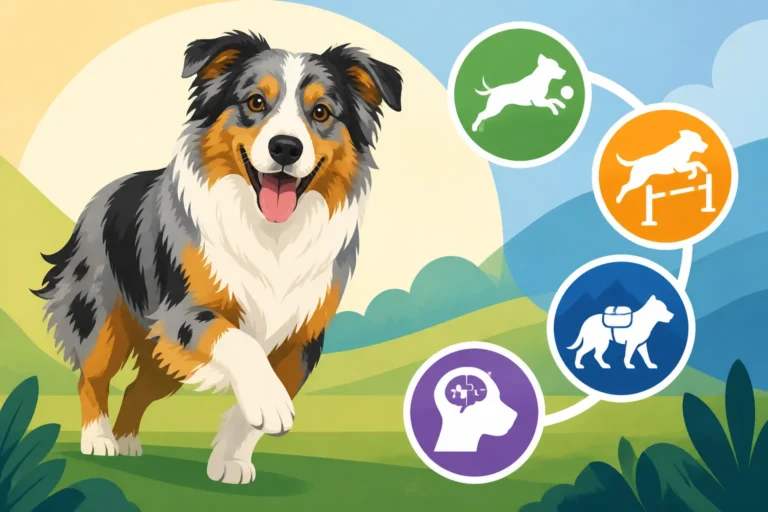
Your Australian Shepherd doesn't just need "jobs" during formal training; they thrive on having purpose throughout their day. Treats can be instrumental in reinforcing positive behaviors during everyday routines, turning mundane moments into opportunities for connection and learning. For instance, instead of just letting your Aussie bolt through the door, you can use a small treat to reward them for a calm "wait" before going outside. Similarly, rewarding them for settling quietly on their Mat Settle Training for a Restless Aussie while you eat dinner or work can prevent them from developing attention-seeking behaviors.
Think about all the little choices your Aussie makes: walking politely on a leash, ignoring a squirrel, coming when called even in a distracting environment, or even just offering a polite "sit" instead of jumping when greeting guests. Each of these moments is an opportunity for a small, positive reinforcement. This constant, gentle guidance, fueled by appropriate treats, helps shape a well-mannered and happy companion. On days when the weather is bad or your schedule is packed, and you can't provide extensive physical exercise, using treats for mental games like "find it" or short training bursts can be incredibly effective at tiring them out. It’s all about helping your Aussie understand the right choices and reinforcing them consistently.
Common Treat Pitfalls and How to Avoid Them
Even with the best intentions, it's easy to fall into common traps when using treats. Being aware of these can help you keep your Australian Shepherd healthy and well-behaved.
Overfeeding and Weight Gain
This is probably the biggest challenge for active dog owners. It’s so easy to hand out treats because we love our dogs and want to reward them, but those calories add up, especially if your Aussie has a more sedentary day than usual. An Australian Shepherd that carries extra weight is more prone to joint problems like Australian Shepherd Hip Dysplasia and Working Joints, diabetes, and other health issues. It impacts their agility, endurance, and overall quality of life. The most effective way to combat this is by strictly accounting for treat calories in their daily food budget. If you give a lot of treats, reduce their main meal accordingly.
Don't just eyeball it; consider weighing their kibble or fresh food portions. If you're noticing your Aussie is starting to get a bit plump, it’s time for an adjustment. This could mean switching to even lower-calorie treats, reducing the quantity, or increasing their structured exercise. Regular check-ins with your vet are also important, as they can help you determine if your dog's body condition score is ideal and advise on specific dietary adjustments. Remember, a fit Aussie is a happy Aussie, ready for all the adventures you throw their way.
Digestive Upsets and Allergies
Australian Shepherds, like many breeds, can have sensitive stomachs or develop food allergies. Introducing too many new treats at once, or giving treats that are too rich, can easily lead to digestive upset – think diarrhea, vomiting, or excessive gas. When trying a new treat, always introduce it slowly and in small quantities to see how your dog reacts. One new treat at a time is a good rule of thumb. This makes it easier to pinpoint the culprit if an issue arises.
Beyond simple upset, some Aussies can develop full-blown food allergies, which often manifest as itchy skin, paw licking, ear infections, or chronic gastrointestinal problems. If you suspect your Aussie has a Food Allergy Itching in an Australian Shepherd, discuss it with your veterinarian. They might recommend an elimination diet to identify the specific allergens. When choosing treats, especially if your dog has known sensitivities, look for single-ingredient options or those with limited, recognizable ingredients. Brands like Zuke's or Charlee Bear are often good options for sensitive stomachs, focusing on natural, simple recipes. Avoiding common allergens like chicken, beef, or grain if your dog is sensitive to them is crucial, and reading labels carefully is paramount.
Here's a quick comparison of popular treat types and their best uses:
| Treat Type | Calorie Level | Best Use Cases | Pros | Cons |
|---|---|---|---|---|
| Cooked Veggies (Carrots, Green Beans) | Very Low | Repetitive training, low distraction, satiety booster | Very low calorie, healthy, easy to prepare | Not all dogs love them, requires prep |
| Air-Popped Popcorn (Plain) | Very Low | Repetitive training, easy to deliver, satisfying crunch | Low calorie, good for many repetitions, fun texture | Must be completely plain, some dogs may not like it |
| Kibble (from daily ration) | Low | Everyday training, meal replacement, easy integration | Direct calorie control, familiar, cheap | May not be high-value enough for distractions |
| Commercial Training Treats | Low to Medium | Everyday training, proofing known commands | Convenient, often soft & palatable, consistent size | Can add up calories quickly, ingredients vary |
| Boiled Chicken/Cheese | High | High-distraction environments, new complex behaviors | Extremely high-value, highly motivating, easy to cut | Requires prep, can be rich, higher calorie |
| Stuffed Kongs/Puzzle Toys | Varies | Mental enrichment, settling, boredom prevention | Extended engagement, slows eating, promotes calmness | Can be messy, needs supervision, treat choice matters |
| Bully Sticks/Dental Chews | Medium to High | Chewing outlet, dental health, long-lasting reward | Satisfies chewing instinct, occupies dog, some dental benefit | Can be high calorie, supervise for choking hazards |
Disclaimer
This article is for general informational purposes only and does not constitute professional advice. Laws, prices and regulations vary by location and change over time. Consult a qualified professional for guidance on your specific situation.