Australian Shepherd Docking and Where It Stands
The topic of Australian Shepherd tails often brings up a lot of questions and sometimes even strong opinions. Many people see an Aussie with a short tail and assume it's been docked, while others are surprised to learn that some are just born that way! This can be confusing, especially with evolving ethical considerations and varying regulations. This guide aims to clear up the history, the genetics, the ongoing debate, and the practicalities surrounding Australian Shepherd tail docking, helping you understand this nuanced aspect of our beloved breed.
The Historical Context of Australian Shepherd Tails
For centuries, the tails of working dogs, especially herding breeds like the Australian Shepherd, were often subject to alteration. This practice was deeply rooted in the belief that a shorter tail was more practical and safer for dogs performing demanding tasks. Understanding this history is crucial to grasping why tail docking became so prevalent in Aussies.
Why Tails Were Docked in Working Dogs
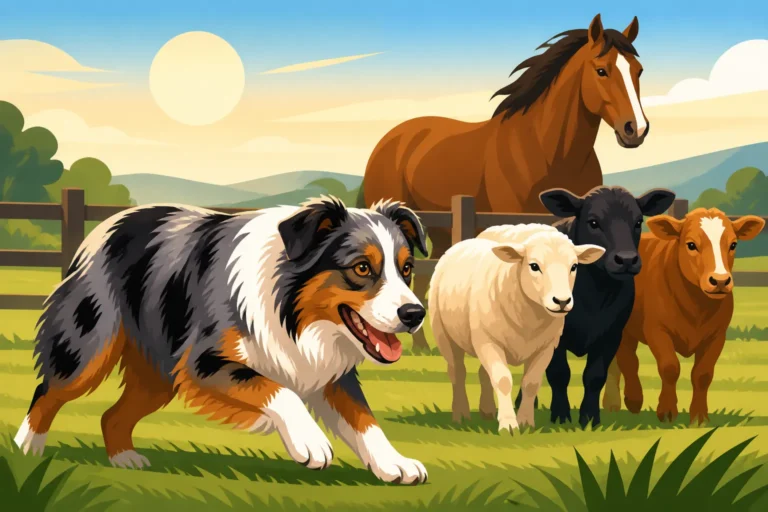
Historically, tail docking in working dogs was a common practice driven by practical concerns. Farmers and ranchers believed that long tails were prone to injury when dogs worked in rough terrain, navigating dense brush, or being trodden on by livestock. A broken tail could lead to infection, pain, and an inability to perform duties, potentially costing a working family a valuable asset. The idea was to prevent these injuries before they occurred, under the assumption that a shorter tail was less of a target. Moreover, some believed that docking a tail enhanced a dog's speed or agility, though there's no scientific basis for this claim. For many generations, it was simply "just what you did" with a working dog, passed down as tradition alongside other practices like ear cropping.
The Emergence of the Natural Bobtail Gene
While many Australian Shepherds historically had their tails docked, a fascinating genetic trait also emerged within the breed: the natural bobtail (NBT). This isn't a result of human intervention but rather a naturally occurring genetic mutation. Dogs with the NBT gene are born with tails that range from completely absent to varying lengths, sometimes just a few inches long, resembling a docked tail. This genetic trait predates the breed's formal recognition and likely arose spontaneously in early herding dog populations. It meant that some Aussies didn't need to be docked because nature had already given them a short tail, which was often seen as desirable for a working dog. The presence of this gene added another layer of complexity to the discussion around Aussie tails, blurring the lines between nature and human alteration. You can read more about The Australian Shepherd Natural Bobtail in our dedicated post.
Evolution of the Breed Standard Regarding Tails
As the Australian Shepherd moved from the working ranch to the show ring and into pet homes, breed standards began to formalize their appearance, including the tail. Early standards often explicitly called for a docked tail or a natural bobtail not exceeding a certain length. For instance, the Australian Shepherd Club of America (ASCA) standard, which was the original registry for the breed, states that the tail should be docked or naturally bobbed, not to exceed four inches in length. The American Kennel Club (AKC) standard, adopted later, holds a similar preference. This preference was rooted in the working heritage of the breed and the belief that a short tail was characteristic. However, as public opinion and veterinary ethics shifted, the interpretation and enforcement of these standards began to evolve. While a long tail might still be considered a fault in some show rings, there's growing acceptance of natural, undocked tails, especially in regions where docking is legally restricted.
Understanding the Natural Bobtail in Australian Shepherds
The natural bobtail (NBT) is a distinctive feature in many Australian Shepherds, and it's important to distinguish it from a surgically docked tail. It's a fascinating example of how genetics can influence a dog's appearance, but it also comes with its own set of considerations for breeders and owners.
The Genetics Behind a Short Aussie Tail
The natural bobtail in Australian Shepherds is caused by a dominant gene, meaning only one copy of the gene is needed for a dog to express the bobtail trait. If an Aussie inherits one copy of this gene from either parent, it will likely have a short or absent tail. However, inheriting two copies of the gene (one from each parent) can lead to serious health problems, including stillbirth or spinal defects. This is why responsible breeders rigorously avoid breeding two natural bobtail Australian Shepherds together, a practice often referred to as avoiding The Aussie Bobtail Gene and Its Lethal Pairing. Genetic testing is available to identify whether an Aussie carries the NBT gene and how many copies it has, allowing breeders to make informed decisions and ensure the health of their litters.
Identifying a True Natural Bobtail
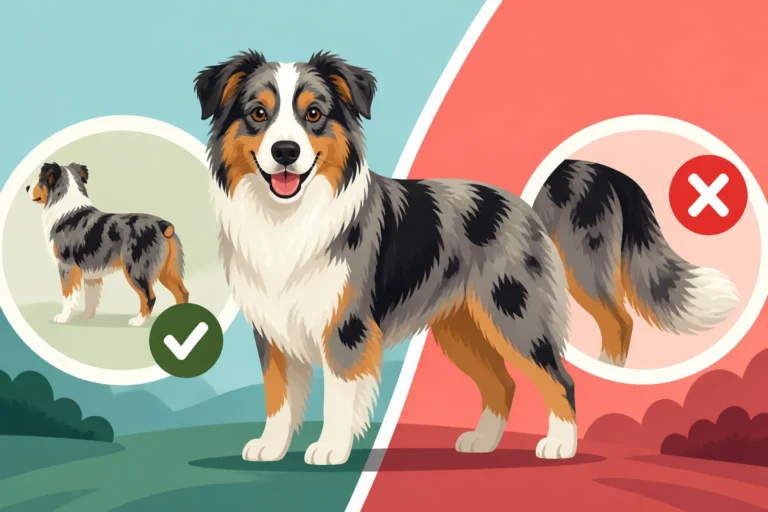
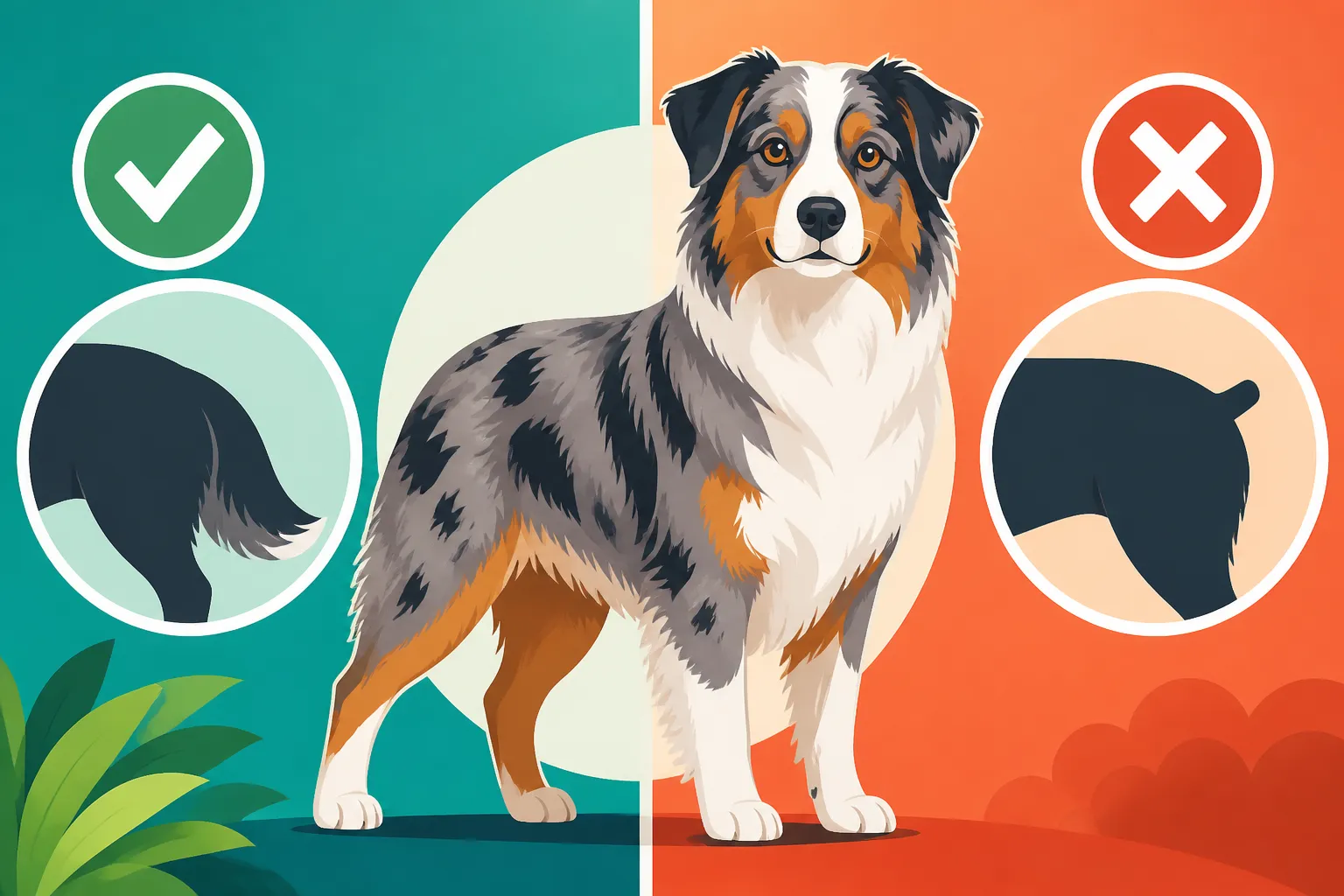
Distinguishing a natural bobtail from a surgically docked tail can sometimes be tricky for the untrained eye, especially if the docked tail is very short. However, there are typically subtle clues. A true natural bobtail often has a slightly uneven or "knobby" appearance at the tip, reflecting its natural formation. The vertebrae may terminate abruptly, sometimes with a slight curve or kink, rather than the clean, blunt cut of a docked tail. The fur growth around the tip might also appear more natural and less uniform than around a docked stub. Veterinarians are usually adept at telling the difference by palpating the tail end, feeling for the distinct vertebral structure. When acquiring an Australian Shepherd puppy, reputable breeders will openly tell you if a short tail is natural or if it was docked, and they can often show you proof of genetic testing for the NBT gene. You can also ask for details about How Many Aussie Puppies Arrive Without a Tail in a given litter.
Health Implications of the Bobtail Gene
While a natural bobtail is generally considered healthy in a dog that carries only one copy of the gene, the double dose scenario is where significant health concerns arise. As mentioned, breeding two NBT carriers risks producing puppies with severe spinal deformities, including spina bifida, or puppies that are not viable and are stillborn. This is a critical reason why genetic screening is so important for Australian Shepherd breeders. Beyond this severe risk, some dogs with NBT might have minor, unnoticed vertebral anomalies in their short tails, but these rarely cause problems in single-copy carriers. For owners, understanding if their Aussie has a natural bobtail is more about genetic history and responsible breeding practices than immediate health worries for the dog itself, assuming it came from a reputable source. It helps inform future decisions if they were ever considering breeding their dog, or simply understanding its unique genetic makeup.
The Ethical Debate and Veterinary Stance on Docking
The conversation around tail docking has shifted dramatically over the past few decades, moving from a common practice to one of significant ethical debate. What was once seen as routine for working breeds is now viewed through a lens of animal welfare and pain management.
Arguments For and Against Tail Docking
Historically, proponents of tail docking often cited injury prevention as the primary reason, particularly for working breeds in dense brush or around livestock. They argued that a docked tail reduced the risk of painful breaks, avulsions, or infections that could be debilitating for a working dog. Some also claimed it enhanced a dog's appearance according to breed standards, making them look more "balanced" or "powerful."
However, strong arguments against tail docking have gained widespread acceptance. The core argument is that docking is a painful, medically unnecessary surgical procedure performed on a puppy (typically when they are only a few days old) that can cause acute and chronic pain. Tails are not just appendages; they are extensions of the spine, rich in nerves, and play a crucial role in canine communication, balance, and mobility. A dog uses its tail to signal emotions, from excitement to fear, and removing it can impair its ability to interact effectively with other dogs and humans. Furthermore, modern veterinary understanding and research have largely debunked the widespread belief that docking significantly prevents injuries, especially in non-working pet dogs. For those active dogs that genuinely face high-risk environments, alternatives like protective wraps or careful management are often preferred. The shift in perspective emphasizes the dog's inherent right to its full body and the avoidance of unnecessary suffering.
Veterinary Associations and Their Recommendations
Major veterinary associations around the world have largely condemned elective tail docking. Organizations like the American Veterinary Medical Association (AVMA) and the Canadian Veterinary Medical Association (CVMA) advocate for the elimination of tail docking in dogs, stating that it is a purely cosmetic procedure with no proven health benefits for the vast majority of dogs. They emphasize the potential for pain, infection, and negative impacts on canine communication and balance.
These associations promote education for both veterinarians and the public, encouraging an understanding of natural canine anatomy and behavior. While some vets in areas where docking is still legal may perform the procedure, it's often done with a strong cautionary stance, emphasizing proper pain management if it is deemed necessary for very specific medical reasons (e.g., severe, irreparable trauma to the tail). The general consensus among the veterinary community is that the practice is outdated and should be phased out, prioritizing the welfare of the animal over cosmetic preferences or outdated traditions. This stance has significantly influenced public opinion and legal changes in many regions.
Considering Pain and Post-Docking Welfare
The idea that newborn puppies don't feel pain during docking is a long-debunked myth. While their nervous systems are still developing, they are fully capable of experiencing pain. Studies have shown that puppies cry, move erratically, and exhibit stress responses during and after docking, even at just a few days old. This immediate pain can linger, and some dogs may experience chronic pain or phantom limb sensations later in life, although this is less common with early docking.
Beyond the physical pain, there are welfare considerations regarding a dog's long-term well-being without a tail. As mentioned, tails are vital for balance, especially in agile breeds like Aussies who excel in sports like agility or herding. A dog uses its tail as a counterbalance when turning quickly, jumping, or navigating uneven terrain. Without this natural counterweight, some dogs may exhibit subtle changes in gait or coordination. Perhaps even more importantly, the tail is a primary tool for social communication. A tucked tail, a wagging tail, a still tail — each conveys a wealth of information to other dogs and people. An Australian Shepherd without a tail can struggle to express itself, potentially leading to misunderstandings with other canines, which can sometimes manifest as behavioral issues or anxiety in social situations. Owners often report having to learn their dog's body language more acutely, focusing on ear position, eye contact, and overall posture, to compensate for the missing tail cues.
Legalities and Regulations Surrounding Tail Docking
The legal landscape concerning tail docking varies significantly across the globe. What's accepted in one country might be illegal in another, reflecting differing cultural attitudes towards animal welfare and surgical procedures.
Country-Specific Laws and Bans
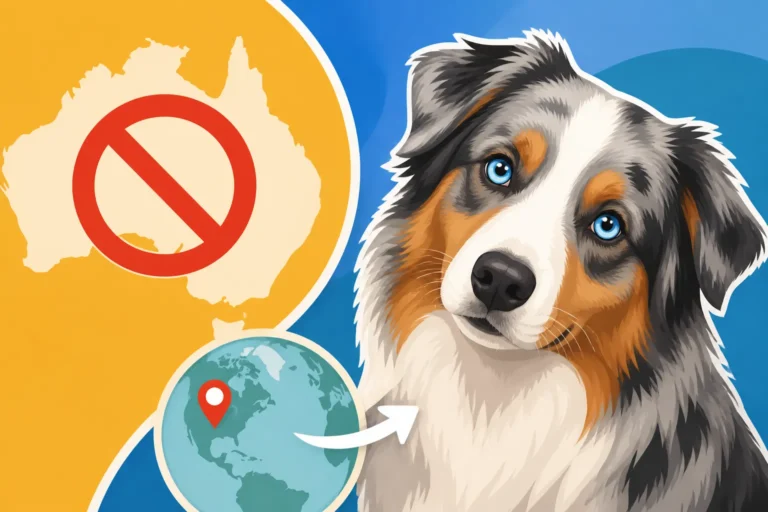
Many countries, particularly in Europe, have implemented outright bans on the non-medical docking of dog tails. Nations like the United Kingdom, Germany, Sweden, Norway, and Australia have prohibited the practice, often making it illegal for veterinarians to perform unless it's for a genuine medical necessity, such as severe injury or disease. These bans are a direct result of changing ethical perspectives and scientific evidence regarding animal pain and welfare.
In North America, the situation is more fragmented. Canada has seen several provinces (like Nova Scotia, Prince Edward Island, Newfoundland and Labrador, and British Columbia) ban the practice, with others considering similar legislation. In the United States, there is no federal ban, and laws vary by state, with some states restricting or banning the practice and others having no regulations at all. This patchwork of laws means that what constitutes acceptable practice can depend heavily on geographic location, creating confusion for breeders, owners, and veterinarians alike. It's crucial for anyone considering an Australian Shepherd, especially if moving between regions, to be aware of the specific regulations in their area.
Show Ring Implications and AKC/ASCA Rules
For Australian Shepherds involved in conformation shows, the tail standard can be a significant factor. Historically, both the American Kennel Club (AKC) and the Australian Shepherd Club of America (ASCA) breed standards have favored a docked or naturally bobbed tail. The AKC standard, for example, states: "Tail is docked or naturally bobbed, not to exceed four inches in length." This means that an Aussie with a full, undocked tail might be penalized in the show ring, potentially affecting its placement or eligibility for certain titles.
However, even within these organizations, there's a growing awareness of global ethical concerns and legal restrictions. Some shows might offer allowances or different judging criteria for dogs from areas where docking is banned. While the standards haven't completely eliminated the preference for short tails, the conversation is ongoing. For owners of undocked Aussies, participating in other dog sports like agility, obedience, or herding trials often faces no such discrimination, as these events focus on performance and natural ability rather than cosmetic appearance. This allows many full-tailed Aussies to shine in various competitive arenas where their natural form is celebrated.
Breeder Responsibilities and Buyer Awareness
Responsible Australian Shepherd breeders today face a complex ethical and legal landscape regarding tails. A breeder in a region where docking is legal may choose to dock tails for puppies that aren't natural bobtails, adhering to the traditional breed standard. However, truly ethical breeders will prioritize the health and welfare of their puppies. This means:
- Genetic Testing: They will screen their breeding stock for the natural bobtail gene to avoid producing puppies with the lethal double-NBT gene, as discussed in The Aussie Bobtail Gene and Its Lethal Pairing.
- Transparency: They will clearly disclose whether a puppy's short tail is natural or docked, and why that decision was made.
- Informed Consent: For breeders who choose to dock, they should ensure proper pain management protocols are in place and be prepared to discuss the pros and cons with prospective buyers.
- Buyer Choice: Some breeders, especially as ethical considerations become more prominent, might offer buyers the option to leave a tail undocked if the puppy is identified early enough and local laws permit.
For prospective buyers, it's essential to ask direct questions about tail docking. Don't assume a short tail is always natural. Ask about the parents' tail types, genetic testing results, and the breeder's philosophy on docking. If you prefer a natural, full tail, communicate this early in your search. A reputable breeder will be transparent and willing to discuss all aspects of their breeding program, including how they approach tails, to ensure you make an informed decision about your future companion.
Living with an Undocked Australian Shepherd
While many Australian Shepherds are known for their short tails, an increasing number of Aussies proudly display their full, natural tails. Living with an undocked Aussie is a wonderful experience, and with a little understanding and care, their beautiful plume can be a functional and expressive part of their charm.
Managing a Full Tail in an Active Dog
An Australian Shepherd with a full, natural tail is a magnificent sight, often flowing with elegant feathering. However, a long, active tail in a dog known for its boundless energy and herding instincts does require a bit of practical consideration. Aussies are notorious for their enthusiastic tail wags, which can clear coffee tables and knock over drinks with surprising force. Owners often learn to "Aussie-proof" their homes by moving delicate items to higher shelves.
More importantly, a full tail is an extension of their body and can be susceptible to injury, especially in a dog that loves to run through brush, work livestock, or play rough. Just like any other limb, a tail can get caught, stepped on, or suffer from "happy tail syndrome," where enthusiastic wagging against hard surfaces causes repeated injury to the tip. This is not an argument for docking, but simply a recognition that care is needed. Regular checks for scrapes, cuts, or sore spots are important. When out in nature, be mindful of burrs, foxtails, or thorns that can become entangled in the tail's long fur, similar to how they might get stuck in an Aussie's main coat. Investing in quality pet insurance from providers like Chewy can offer peace of mind if an accidental tail injury does occur, though prevention is always key.
Grooming and Care for a Long Aussie Tail
The glorious plume of a full Australian Shepherd tail is one of its most striking features, but it also requires diligent grooming to keep it healthy and mat-free. The long feathering on an Aussie's tail can easily collect dirt, debris, and burrs, and it's a prime spot for mats to form if neglected.
Regular brushing, at least a few times a week, is essential. You'll want to use a slicker brush and a metal comb to gently work through the hair, paying close attention to the underside of the tail and where it joins the body. For particularly dense areas or during seasonal coat blows, a good undercoat rake, perhaps sourced from a trusted pet supply retailer like Chewy, can be invaluable for removing loose hair and preventing deep mats. If your Aussie enjoys swimming or getting muddy, ensure the tail is thoroughly dried and brushed afterward to prevent skin irritations and fungal growth beneath damp fur. You may also need to consider occasional sanitary trims around the base of the tail to keep the area clean, particularly for dogs with very thick feathering. A well-groomed tail not only looks beautiful but is also more comfortable for your dog and less likely to snag on things or become painful. You can find more grooming tips in our article, Grooming an Australian Shepherd That Hates the Table.
Celebrating the Natural Beauty of a Full Tail
For those who share their lives with an undocked Australian Shepherd, the full tail is often a source of immense joy and fascination. It adds a flowing elegance to their already beautiful gait and is an incredibly expressive tool. Watching a full-tailed Aussie communicate with every swish and curve is a delight, offering a clear window into their emotions. From the excited, sweeping arcs of a happy greeting to the subtle, nervous tuck of a worried moment, their tails tell a story that short-tailed Aussies have to convey through other body language cues.
Embracing the natural tail means appreciating the breed's complete anatomy and celebrating the individual beauty of your dog. It's a statement against purely cosmetic procedures and a nod to the growing movement towards prioritizing animal welfare. Many owners find that the unique personality and athleticism of an Australian Shepherd are only enhanced by its magnificent, natural tail, which acts as a dynamic extension of its vibrant character. It is a beautiful, functional, and vital part of who they are.
Here's a table summarizing the different tail types you might encounter in Australian Shepherds:
| Tail Type | Description | Origin | Grooming & Care | Communication & Balance | Common Perceptions/Considerations |
|---|---|---|---|---|---|
| Natural Bobtail | Short to very short, may have a "kink" or uneven tip | Genetic mutation (dominant gene) | Minimal grooming for short fur, occasional checks | Functions adequately; sometimes perceived as docked | Desirable by many; genetic risks if two NBT parents bred (see The Aussie Bobtail Gene and Its Lethal Pairing) |
| Surgically Docked | Uniformly blunt, short tail | Human intervention (surgical removal of part of tail) | Minimal grooming for short fur, scar site checks | Impaired communication and balance compared to full tail | Traditional in breed; increasingly seen as unethical and unnecessary |
| Full/Long Tail | Long, flowing, feathered tail, reaches to hock or beyond | Natural, un-docked | Regular brushing (daily for feathering), mat/burr checks | Excellent for balance and communication; highly expressive | Growing acceptance; requires more grooming; potential for injury in active dogs |
Disclaimer
This article is for general informational purposes only and does not constitute professional advice. Laws, prices and regulations vary by location and change over time. Consult a qualified professional for guidance on your specific situation.