The Enigma Behind the Australian Shepherd Name
It's a question that perplexes so many Australian Shepherd lovers, both new and seasoned: why exactly is this quintessential American dog called "Australian"? The name can certainly be misleading, hinting at a far-flung origin when the truth is much closer to home. This guide will clarify the fascinating, sometimes puzzling, story behind the Australian Shepherd's name, tracing its true roots and explaining how such a geographical misnomer came to be.
The Misleading Moniker: Why "Australian" Doesn't Mean Origin
When you first hear "Australian Shepherd," your mind naturally travels to the land Down Under. You might imagine vast sheep stations under a hot sun, with these intelligent dogs dutifully herding flocks. It's a vivid picture, but unfortunately, it's not where our beloved Aussies got their start. The truth is, the Australian Shepherd is as American as apple pie, or perhaps, as American as a rodeo show. Understanding this core fact is the first step to truly appreciating their heritage.
From the Pyrenees to the American West: A Shepherd's Journey
The story of the Australian Shepherd actually begins far from Australia, high in the Pyrenees mountains between Spain and France. Here, for centuries, a hardy breed of herding dogs worked alongside Basque shepherds. These pastoralists were renowned for their sheep-handling skills, and their dogs were indispensable tools in their trade. When economic opportunities arose, many Basque people, along with their valuable flocks and loyal canine companions, embarked on a long journey, eventually landing on the shores of the United States.
These migrations, often starting in Europe, saw shepherds and their dogs travel across oceans, first to Australia for a period, then continuing on to the booming American West. It was a testament to their resilience and adaptability, traits that would become hallmarks of the Australian Shepherd breed. The dogs they brought were not yet "Australian Shepherds" by name, but they carried the genetic blueprint and the incredible working instincts that would form the foundation of the breed we know today. You can read more about this fascinating journey in The Basque Shepherds Behind the Australian Shepherd.
A New Purpose in a New Land: The American Ranch Dog
Upon arriving in the American West, particularly in states like California during the mid-19th century Gold Rush, these Basque shepherds and their dogs found themselves in a land teeming with opportunity and challenges. The burgeoning livestock industry demanded capable herding dogs, not just for sheep, but for cattle and other animals on sprawling ranches. The dogs adapted quickly, proving their worth in the diverse and often rugged terrain.
American ranchers, impressed by their intelligence, agility, and tireless work ethic, began to selectively breed these imported dogs. They sought to enhance specific traits that would make them even more effective in the unique ranching conditions of the Western United States. This era of intentional breeding and development, focusing on performance and practicality, firmly cemented the breed's roots in America. It’s here, in the vast landscapes of California and the surrounding states, that the Australian Shepherd truly took shape, not in Australia, despite the lasting name. For a deeper look into their true origins, check out Where the Australian Shepherd Was Actually Developed and The Gold Rush Flocks That Made the Aussie.
Unraveling the Naming Theories: How "Australia" Entered the Picture
Given that the Australian Shepherd is a distinctly American breed, the enduring "Australian" part of its name has long been a source of curiosity and confusion. While there's no single, universally agreed-upon definitive answer carved in stone, the most prevalent and widely accepted theory points to a practical, rather than geographical, association. It's less about where the dogs came from directly and more about what they were working.
The Sheep Connection: A Popular Theory
The most compelling explanation for the name revolves around the sheep that these early herding dogs were often associated with. During the 19th and early 20th centuries, a significant number of Merino sheep were imported into the Western United States. These sheep were highly prized for their fine wool and often arrived in America after being shipped from Australia. It's believed that the dogs accompanying these sheep, or the dogs observed working these "Australian sheep," began to be referred to as "Australian Shepherds" by the American ranchers.
Think about it from a rancher's perspective. You're bringing in a new flock of sheep, perhaps a particularly desirable variety, and they've just completed a long journey from Australia. The dogs working them are new, different, and highly effective. It's not a far leap to associate the dogs with the origin of the sheep, especially if these were the first "new" dogs on the scene for many. It was a descriptive tag that simply stuck, a way to differentiate them from other local herding dogs. While modern pet owners might meticulously research breed origins or order specific supplies from a trusted source like Chewy, back then, names often evolved organically based on observation and convenience.
Branding and Perception: A Simpler Explanation
Beyond the direct sheep connection, there's also the element of perception and common parlance. Names, especially for working animals, can sometimes take hold through simpler, less formal routes. If the "Australian sheep" theory is accurate, the name "Australian Shepherd" could have been a casual, almost shorthand, way to refer to these specific dogs without a deep inquiry into their exact lineage. It wasn't about a deliberate branding exercise, but a practical identifier that made sense in the context of the time.
In essence, the "Australian" label likely wasn't intended to denote the dog's place of origin, but rather to describe their association with a particular type of livestock or a specific moment in the ranching history of the American West. It's a subtle but important distinction. The dogs themselves were proving their unmatched skill in the American landscape, regardless of how their name was derived.
Rodeo Rings and Ranch Legends: Spreading the Australian Shepherd's Fame
While the name might have been born from a practical association with sheep, the breed's rising popularity and recognition had little to do with Australia. Instead, it was the captivating performances in American rodeo arenas and their tireless dedication on ranches that truly propelled the Australian Shepherd into the spotlight, solidifying its identity as a truly remarkable working dog.
From Farm to Spotlight: The Rodeo Circuit
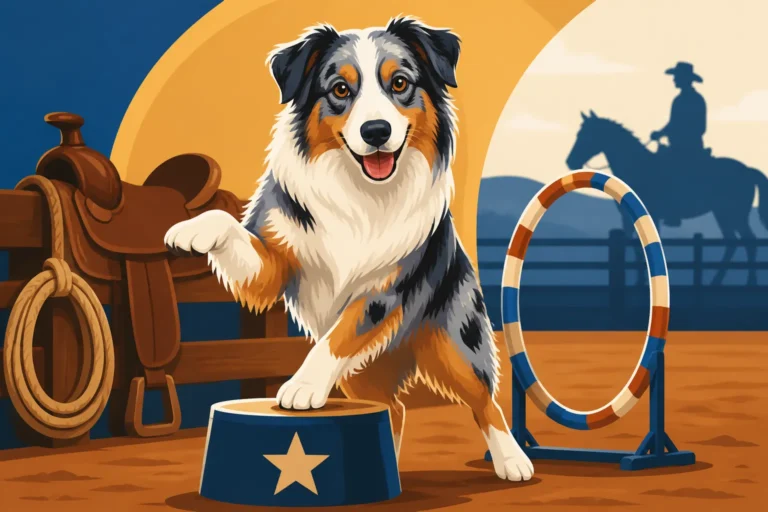
In the mid-20th century, the Australian Shepherd found a new stage beyond the dusty fields of the ranch: the booming rodeo circuit. Their incredible intelligence, agility, and striking appearance made them natural showmen. Trainers like Jay Sisler became legends, traveling the country with their highly trained Aussies, performing intricate tricks and demonstrations during intermissions. These dogs could jump, weave, balance, and retrieve with astounding precision, capturing the hearts of audiences across America.
These public displays were instrumental in spreading the breed's fame. People saw firsthand the potential of these dogs – their eagerness to please, their quick wit, and their boundless energy. This exposure helped to popularize the breed beyond the ranching community, attracting new enthusiasts who were drawn to their charisma and trainability. Rodeos Made the Australian Shepherd Famous delves deeper into how these spectacular performances shaped the breed's image.
Solidifying a Working Breed: Beyond the Name
As the Australian Shepherd's reputation grew, the focus shifted firmly to their capabilities and character rather than the geographical origin implied by their name. Breeders and enthusiasts began to formalize the breed, working to establish standards that would preserve their unique traits and working prowess. Organizations like the Australian Shepherd Club of America (ASCA) were formed, dedicated to promoting and protecting the breed. Later, the American Kennel Club (AKC) recognized the Australian Shepherd in its Herding Group, further cementing its place in the canine world.
This period of formalization was critical. It meant that the breed's identity was defined by its physical characteristics, its temperament, and its working ability, all developed and refined in America. The name was simply a historical footnote, a charming enigma rather than a literal descriptor. Today, whether you're looking for advanced herding equipment or simply stocking up on the best mental enrichment toys for your smart Aussie from Chewy, you're tapping into a legacy built on intelligence, drive, and companionship. For more on their formal recognition, check out The Australian Shepherd in the AKC Herding Group and The ASCA Australian Shepherd Standard.
Embracing the American Identity: Celebrating a Unique Breed
The Australian Shepherd, with its distinctive markings, keen eyes, and incredible intelligence, is truly a product of American ingenuity and the rugged spirit of the American West. Understanding its true origins is not just about correcting a historical misnomer, but about celebrating the unique journey this breed undertook to become one of the most beloved and versatile working dogs in the world.
The Evolution of a Standard: Defining the Aussie
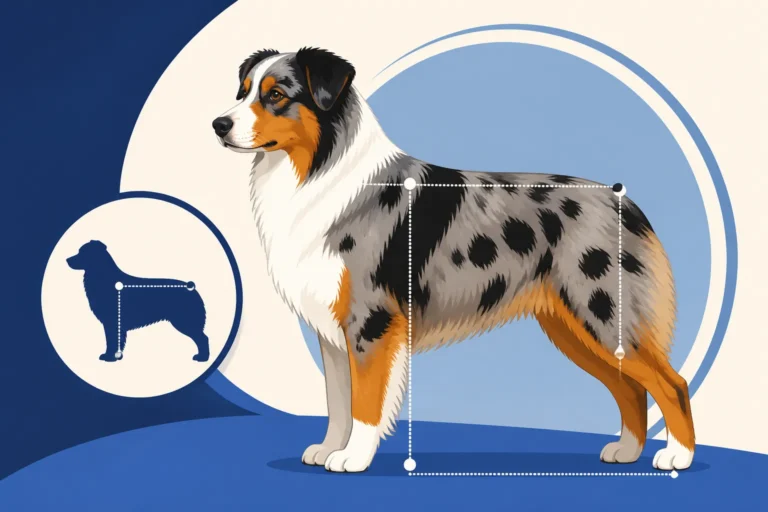
From their early days as indispensable ranch hands, the Australian Shepherd's characteristics were shaped by the demands of their work. They needed to be agile, intelligent, and possess a strong herding instinct, yet also be capable of forming strong bonds with their human partners. The breed standard, meticulously developed over time by dedicated enthusiasts, reflects these qualities. It describes a medium-sized dog, well-balanced and powerful, with a keen and intelligent expression, always ready to work. Whether an Aussie is bred for ranch work or for the show ring, these core traits remain.
These standards differentiate the modern Australian Shepherd from its European ancestors and from other herding breeds, highlighting the specific blend of attributes that make them so unique. It’s a standard that speaks to their drive, their loyalty, and their keen desire to be a part of their human's life and work, whether that work involves rounding up sheep or mastering agility courses. For a deeper look into the differences, consider Ranch Bred Against Ring Bred Australian Shepherds.
Moving Forward: Recognizing the True Heritage
So, the next time someone asks about your Australian Shepherd's origins, you can confidently explain that while the name is a bit of a historical puzzle, the dog itself is a testament to American ranching and rodeo culture. It's a breed born from the practical needs of the American frontier, refined by the careful selection of American breeders, and popularized by its incredible talents showcased across the country. There's a rich history behind that name, one that speaks volumes about adaptability, intelligence, and a tireless work ethic.
Responsible ownership of an Australian Shepherd means appreciating not just their beauty and intelligence, but also their deep-seated working heritage. They thrive when given a job, whether it's herding, agility, or even just mastering a complex trick routine that you might find inspiration for on a site like Chewy. Understanding their history helps us provide the best possible life for these magnificent dogs, ensuring their needs for mental and physical stimulation are met. Even if your Aussie never sees a flock of sheep, their heritage remains. For those curious about their innate abilities, Whether an Aussie Can Still Work Sheep offers interesting insights.
To summarize the journey of the Australian Shepherd and its name:
| Feature | Origin Story (Myth) | Origin Story (Reality) |
|---|---|---|
| Geographical Origin | Australia | Western United States (primarily California) |
| Ancestry | Dogs from Australia | Dogs brought by Basque shepherds from the Pyrenees Mountains |
| Naming Reason (Myth) | The dogs themselves came from Australia | Associated with sheep imported through Australia |
| Key Development Period | Unspecified, assumed Australia | Mid-19th to 20th century American Gold Rush/Ranching era |
| Primary Breeders | Australian breeders | American ranchers and breeders |
Disclaimer
This article is for general informational purposes only and does not constitute professional advice. Laws, prices and regulations vary by location and change over time. Consult a qualified professional for guidance on your specific situation.