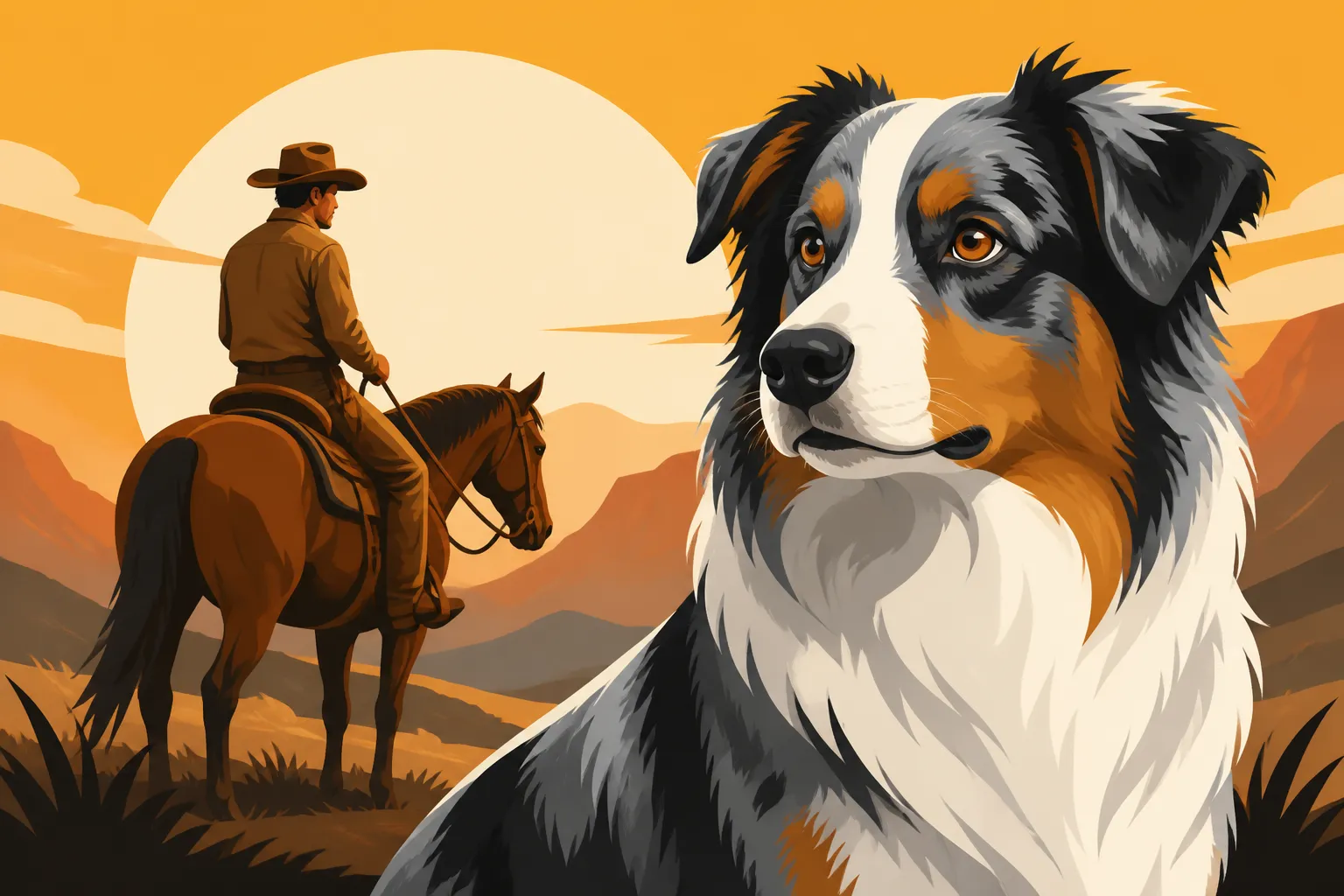
Western Riding and the Aussie After the War
After the dust settled from World War II, America saw a cultural shift that profoundly impacted many aspects of life, including the role of dogs. Families moved, economies boomed, and with new freedoms and opportunities, many people sought to connect with a romanticized vision of the American West. This guide delves into how this post-war era, particularly the surge in Western riding and rodeo, cemented the Australian Shepherd's place in the public eye, transforming them from a regional working dog into a beloved companion.
The Post-War Resurgence of Western Culture
The years following World War II brought about a period of immense change and prosperity in the United States. Soldiers returned home, families grew, and a burgeoning middle class found itself with more leisure time and disposable income than ever before. There was a palpable sense of looking back to simpler times, to the rugged individualism and open spaces of the American West, even as cities expanded and suburbs sprung up. This cultural nostalgia fueled a significant interest in Western-themed pursuits, from cowboy movies and music to the practical and recreational aspects of Western riding.
People who might never have owned a horse before suddenly had the means and the desire to do so. Ranches that once focused solely on livestock production began to see an increase in recreational riders, or at least a renewed appreciation for the traditions associated with ranch life. This wasn't just about owning a horse; it was about embracing a lifestyle, complete with specific attire, equipment, and, crucially, the right kind of dog. This period marked a powerful reconnection with a perceived American heritage, making anything associated with cowboys and ranching incredibly appealing. The perception of dogs like the Australian Shepherd, deeply embedded in the practical ranching world, began to shift, preparing them for a wider audience.
Australian Shepherds: Natural Partners for the Western Lifestyle
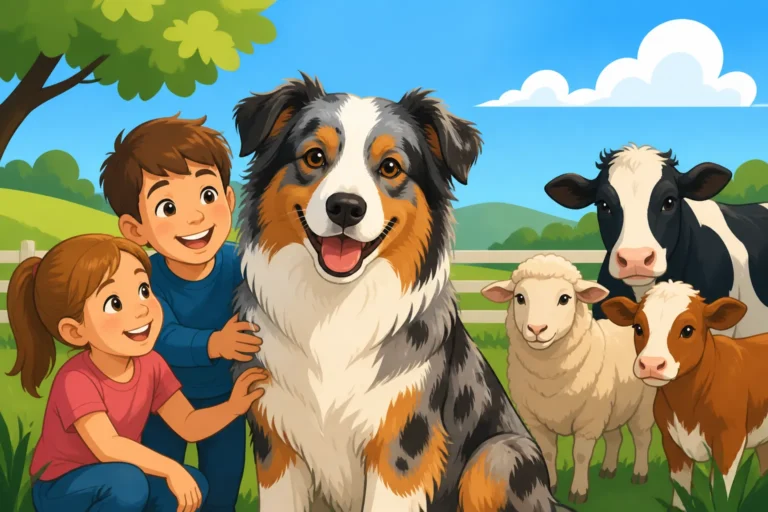
The Australian Shepherd, with its innate intelligence, boundless energy, and strong herding drive, was already an indispensable tool on ranches across the American West. These dogs weren't just pets; they were integral working partners, capable of handling cattle, sheep, and even fowl with remarkable skill and dedication. Their ability to read livestock, anticipate movement, and respond to subtle commands made them perfectly suited for the demands of ranching, where a reliable dog could save hours of human labor.
As Western riding gained popularity, both on working ranches and in recreational settings, the Aussie's traits made them ideal companions for riders. They possessed the stamina to keep up with horses for long hours, the intelligence to learn complex commands, and the loyal, eager-to-please temperament that riders sought in a partner. Imagine a rancher, spending hours in the saddle, knowing his Aussie was right there, ready to move a stubborn cow or retrieve a stray. This deep-seated connection to working horses and livestock meant the Australian Shepherd effortlessly transitioned into the burgeoning recreational riding scene. They weren't just trotting alongside; they were an active, contributing part of the Western riding experience, reflecting the authentic spirit of the West that so many admired.
The Aussie's Innate Herding and Trainability
What truly set the Australian Shepherd apart, and what made them such a perfect fit for the post-war Western boom, was their incredible trainability combined with their powerful herding instinct. These dogs were bred for generations to work stock, which means they come pre-programmed, if you will, with a desire to control movement and respond to their handler. This isn't just about chasing; it's about thoughtful, strategic movement, using their presence to guide animals. This instinct translated beautifully to the needs of riders, whether they were working a herd or simply enjoying a long trail ride.
A well-bred Australian Shepherd is known for its intense focus and eagerness to please, making them highly receptive to training. They pick up new commands quickly, remember them, and are always looking for a "job" to do. This mental acuity meant they could learn the specific cues and movements required to work alongside a horse, mirroring the rider's intentions. For both seasoned ranch hands and new enthusiasts, having a dog that was so attuned to its human partner and the surrounding environment was a tremendous asset. It underscored the authenticity of the Western experience, where man, horse, and dog worked as a cohesive unit. The Australian Shepherd Herding Drive You Cannot Train Out explains more about this fundamental trait.
Stamina and Resilience for Long Hours
Western riding, whether on the ranch or trail, often involves long hours in the saddle, covering considerable distances. The Australian Shepherd's physical build and stamina were perfectly matched for this demanding lifestyle. They are agile, moderately built dogs, designed for endurance rather than brute strength. Their well-muscled bodies and efficient gaits allowed them to navigate varied terrain, from dusty plains to rocky trails, keeping pace with a trotting or cantering horse without quickly fatiguing.
This physical resilience was a huge advantage. Riders didn't want a dog that would tire after an hour; they needed a partner that could go the distance. Imagine a bright summer day, spent moving cattle from one pasture to another, or a leisurely afternoon exploring miles of bridle paths. The Aussie was up for it, their energy seemingly boundless, always ready for the next command or the next challenge. This dependable stamina made them truly reliable companions, capable of sharing in the full experience of Western riding, day after day.
Rodeos: A Platform for Aussie Stardom
Beyond the working ranch, the post-war era also saw a massive surge in the popularity of rodeos. These events, celebrating the skills and traditions of cowboy life, became huge spectacles, attracting large crowds across the country. And in between the bronc riding and barrel racing, who often stole the show? The highly trained "trick dogs" and demonstration teams, many of whom featured Australian Shepherds.
These talented Aussies, often performing incredible feats of agility, intelligence, and obedience, captivated audiences. They would jump through hoops, climb ladders, herd miniature horses, or even participate in mock cattle drives, all under the expert guidance of their handlers. This exposure was invaluable, showcasing the breed's versatility and intelligence to a public that might not have otherwise encountered them. Australian Shepherds in Rodeo Arenas delves into this history. The rodeo circuit effectively transformed the Australian Shepherd from a regional secret into a nationally recognized, admired breed, forever linking them with the glamour and excitement of the American West.
Jay Sisler and the Rise of the Trick Dog
Perhaps no individual was more instrumental in popularizing the Australian Shepherd through rodeo than Jay Sisler. Sisler, a rancher and dog trainer from Idaho, had a profound understanding of the Australian Shepherd's abilities. He trained his Aussies – famously Stub and Shorty – to perform an incredible array of tricks and stunts that were absolutely mind-boggling for audiences of the time. These dogs weren't just performing simple commands; they were executing complex routines with precision and enthusiasm, often involving multiple dogs working in unison.
Sisler's dogs performed at rodeos, fairs, and exhibitions all over the country, and even appeared in Disney films. Their performances were a masterclass in canine intelligence and training, demonstrating the incredible potential of the breed. Each show was a powerful advertisement for the Australian Shepherd, illustrating not only their working prowess but also their charming personalities and eagerness to entertain. People saw these dogs and thought, "I want a dog like that!" It wasn't just about their herding ability anymore; it was about their captivating presence and their undeniable smarts. Aussie Trick Routines Between Rodeo Events highlights some of these captivating displays.
The Breed's Broad Appeal
The rodeo stage provided the perfect platform to highlight the Australian Shepherd's broad appeal. While their working ability on a ranch was unquestionable, the trick dog acts demonstrated that these dogs were more than just tools; they were intelligent, charismatic, and deeply bonded companions. This resonated with the evolving post-war lifestyle, where dogs were increasingly seen as members of the family, valued for their personality and companionship as much as their utility.
Families watching these performances, many living in suburban homes with a newfound appreciation for the outdoors, could envision an Aussie fitting into their lives. They saw a dog that was energetic, smart, and loyal, a dog that could join them on hikes, play fetch in the yard, and still carry that rugged, Western charm. The demonstrations helped bridge the gap between the breed's working origins and its potential as a versatile family companion, igniting widespread interest. You can even see aspects of this versatility today if you search for gear like interactive toys or specialized training treats from retailers like Chewy, reflecting the breed's enduring need for mental engagement.
Establishing the Australian Shepherd's Legacy
The post-war era, with its renewed interest in Western culture and the widespread exposure provided by rodeos, was a pivotal time for the Australian Shepherd. It solidified their image as the quintessential Western dog, a capable working partner, and an intelligent, loyal companion. This period laid the groundwork for the breed's eventual recognition by major kennel clubs and its enduring popularity across diverse households.
The legacy of this era means that even today, when many Aussies live far from working ranches, their innate drive and intelligence are still celebrated. Owners often seek out activities like agility, obedience, disc dog, or even urban herding with exercise balls, to honor the breed's history and fulfill their dog's mental and physical needs. The spirit of the Western riding boom and the rodeo circuit lives on in every active, eager-to-please Australian Shepherd, reminding us of a time when these dogs truly stepped into the national spotlight. How Aussie Type Settled by the 1950s provides more insight into this development.
| Aspect of Post-War Era | Impact on Australian Shepherd | Result for the Breed |
|---|---|---|
| Western Culture Boom | Increased demand for "cowboy" dogs | Wider recognition beyond ranches |
| Rise of Recreational Riding | Aussie's stamina and trainability shine as companions | Enhanced appeal to non-ranchers |
| Rodeo Popularity | Platform for trick dogs and demonstrations | Massive public exposure and admiration |
| Jay Sisler's Influence | Showcased extreme intelligence and versatility | Defined the breed's image for many |
| Shift in Dog Ownership | Valued for companionship as well as work | Transitioned into family pet role |
From Utility to Beloved Companion
The evolution of the Australian Shepherd during this post-war period marked a significant shift in their perception. While they never lost their fundamental identity as working dogs, the broader exposure through Western riding and rodeo allowed the public to see them in a new light. They were no longer just the efficient, quiet worker of the ranch; they were also the dazzling performer, the intelligent companion, and the embodiment of a rugged yet loyal spirit. This dual identity—both a serious worker and a charismatic partner—is what truly set them apart.
Many of the traits that made them indispensable on the ranch—their alertness, their desire to be with their people, their biddability—also made them exceptional family dogs. They thrived on having a purpose, whether that was moving livestock or retrieving a ball for a child. This versatility became a cornerstone of their appeal, ensuring that as America moved further from an agrarian society, the Australian Shepherd found a new and cherished place in the hearts and homes of diverse owners, all while carrying the proud banner of their Western heritage. What Ranchers Wanted From an Australian Shepherd offers more context on their working origins.
The Enduring Appeal of the Western Aesthetic
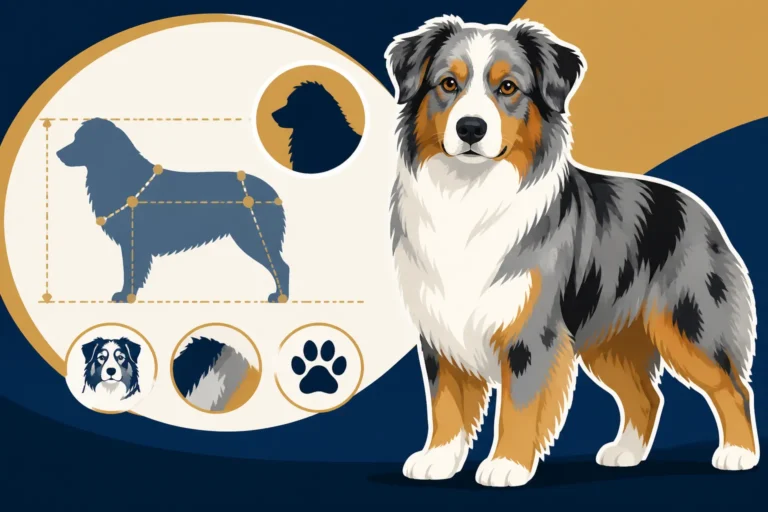
Even as decades passed, the image of the Australian Shepherd remained intertwined with the Western aesthetic. Their striking coats, often with bold merle patterns and piercing eyes, along with their athletic build, made them instantly recognizable and visually appealing. They looked the part of a ranch dog, even if their "work" eventually became herding children in the backyard or excelling in agility trials. This strong visual identity, reinforced by their performances and their loyal presence at the side of riders, contributed greatly to their lasting popularity.
For many, owning an Australian Shepherd was, and still is, a way to connect with that sense of freedom, strength, and unwavering loyalty that the American West represents. The breed embodies a certain timeless quality, a blend of wild spirit and devoted partnership that continues to draw people in. It's a testament to how profoundly the post-war enthusiasm for Western riding and rodeo influenced not just the breed's trajectory, but also its enduring cultural significance in America.
Disclaimer
This article is for general informational purposes only and does not constitute professional advice. Laws, prices and regulations vary by location and change over time. Consult a qualified professional for guidance on your specific situation.