Australian Shepherd Immune-Mediated Disease
It’s a gut-wrenching moment when your vibrant Australian Shepherd suddenly starts showing signs of illness, and the vet mentions something about their immune system attacking itself. Immune-mediated diseases can be incredibly frustrating and frightening for Aussie owners because they're often unpredictable, can mimic other conditions, and require complex, long-term management. This guide aims to demystify Australian Shepherd immune-mediated disease, shedding light on what these conditions mean, how they're diagnosed, and what you can do to support your beloved dog through it all.
What Immune-Mediated Disease Means for Your Aussie
Understanding an immune-mediated disease can feel like trying to solve a puzzle with half the pieces missing. Essentially, it's a breakdown in the body's natural defense system, where the immune response, which is supposed to protect your dog from foreign invaders like bacteria and viruses, mistakenly turns on itself.
The Basics of the Immune System Gone Wrong
Normally, your Aussie's immune system is a hero, standing guard against countless threats every single day. It has an incredible ability to distinguish between "self" (your dog's own healthy cells and tissues) and "non-self" (pathogens, toxins, or foreign bodies). When it identifies a threat, it mounts a targeted attack to neutralize it, keeping your dog healthy and resilient.
However, in cases of immune-mediated disease, this crucial identification system malfunctions. For reasons that are often complex and not fully understood, the immune system begins to perceive one or more of your dog's own body parts as a foreign threat. It then launches an attack, causing inflammation, damage, and destruction to those healthy tissues. Imagine a highly trained guard dog suddenly mistaking its own family for intruders and attacking them – that's essentially what happens internally. The symptoms you see in your Aussie are a direct result of this self-inflicted damage, which can range from mild discomfort to severe, life-threatening conditions. It's not an infection that can be treated with antibiotics; it's a systemic malfunction that requires a completely different approach.
Why Australian Shepherds Are More Susceptible
It's a sad truth that Australian Shepherds, like many purebred dogs, carry a higher genetic predisposition for certain health issues, and immune-mediated diseases are unfortunately among them. While no dog breed is entirely immune to these conditions, Aussies do seem to show up on the list more frequently for specific types of immune-mediated disorders. This increased susceptibility is thought to be rooted in their genetic makeup, passed down through generations.
Researchers are constantly working to identify the specific genes or gene combinations that contribute to this heightened risk. It's rarely as simple as a single "bad gene," but rather a complex interplay of multiple genes, often combined with environmental triggers. This means that while an Aussie might inherit a predisposition, not every dog carrying those genes will develop the disease. A stressful event, a particular vaccine, exposure to certain chemicals, or even an infection could potentially act as a trigger in a genetically predisposed individual, prompting the immune system to go rogue. This complex etiology is why screening and understanding your dog's lineage, combined with proactive health management, is so important. When considering adding a puppy to your family, understanding The Genetic Panel Every Australian Shepherd Needs can offer invaluable insights into potential inherited health risks, including some linked to immune system function.
Common Immune-Mediated Conditions in Australian Shepherds
The range of immune-mediated diseases is vast, as the immune system can, theoretically, attack almost any part of the body. However, some conditions are seen more frequently in Australian Shepherds than others.
Autoimmune Thyroiditis: A Hidden Threat
One of the more common immune-mediated diseases we see in Australian Shepherds is autoimmune thyroiditis, which often leads to hypothyroidism. In this condition, your Aussie's immune system specifically targets and destroys the thyroid gland, located in the neck. The thyroid gland is responsible for producing hormones that regulate metabolism, so when it's under attack, hormone production decreases, leading to a host of subtle and often confusing symptoms.
The onset of autoimmune thyroiditis is typically slow and insidious, meaning you might not notice anything wrong until the disease has progressed significantly. Your once energetic Aussie might become more lethargic, gain weight despite no change in diet, or develop a dull, dry coat that seems to shed excessively, especially on the body and tail, which can be easily confused with normal shedding or just a rough patch in their Australian Shepherd Skin, Coat and Allergy Problems. They might also seem more intolerant to cold or just generally "off." Because these symptoms can easily be mistaken for normal aging or simply a lazy dog, autoimmune thyroiditis is often a hidden threat, going undiagnosed for far too long. If you've noticed a sudden lack of enthusiasm, a persistent dull coat, or unexplained weight gain, it's definitely worth discussing Hypothyroidism and a Dull Australian Shepherd Coat and having your vet test for Australian Shepherd Autoimmune Thyroiditis to rule out this manageable but serious condition.
Immune-Mediated Hemolytic Anemia IMHA and Thrombocytopenia ITP
These two conditions are often grouped together because they both involve the immune system attacking blood components, and they can be incredibly acute and life-threatening. Immune-Mediated Hemolytic Anemia (IMHA) is where your Aussie's immune system identifies its own red blood cells as foreign invaders and destroys them. Red blood cells are vital for carrying oxygen throughout the body, so their rapid destruction leads to severe anemia.
The symptoms of IMHA often come on very suddenly and dramatically. You might notice your dog is extremely weak, lethargic, has very pale gums (they should be bubblegum pink!), is breathing rapidly, and might even have dark, orange-colored urine. Jaundice, a yellowing of the skin or whites of the eyes, can also occur. This is an emergency situation, requiring immediate veterinary intervention. Similarly, Immune-Mediated Thrombocytopenia (ITP) occurs when the immune system targets platelets, which are tiny cells crucial for blood clotting. When platelet counts drop dangerously low, your dog can suffer from spontaneous bleeding. Symptoms can include unexplained bruising (petechiae or ecchymoses) on the skin or gums, nosebleeds, blood in their urine or stool, or prolonged bleeding from minor cuts. Both IMHA and ITP are incredibly serious conditions that demand urgent and aggressive medical treatment to save your dog's life.
Addison's Disease: The Great Pretender
Addison's Disease, also known as hypoadrenocorticism, is another immune-mediated condition that Australian Shepherds can be predisposed to, and it's notoriously difficult to diagnose. It's often referred to as "the great pretender" because its symptoms are incredibly vague and can mimic a wide array of other illnesses, leading to frustration and repeated vet visits before a definitive diagnosis is made.
In Addison's disease, the immune system slowly destroys the adrenal glands, which are small glands located near the kidneys that produce essential hormones, including cortisol and aldosterone. These hormones play critical roles in regulating stress response, metabolism, blood pressure, and electrolyte balance. As the adrenal glands are damaged, their hormone production declines, leading to a cascade of symptoms. Your Aussie might experience chronic, intermittent vomiting and diarrhea, extreme lethargy, a poor appetite, unexplained weight loss, and muscle weakness or shivering. These signs can wax and wane, making them easy to dismiss as a "sensitive stomach" or just an off day. However, an acute "Addisonian crisis" can occur, triggered by stress or illness, leading to sudden collapse, severe dehydration, and shock – a true medical emergency. Early and accurate diagnosis of Addison's Disease in an Australian Shepherd is critical, as it is a manageable condition with lifelong medication.
Other Less Common Immune-Mediated Issues
While autoimmune thyroiditis, IMHA, ITP, and Addison's disease are some of the more frequently observed immune-mediated conditions in Australian Shepherds, it's important to remember that the immune system can potentially target any part of the body. This means a wide spectrum of other, less common immune-mediated issues can also arise.
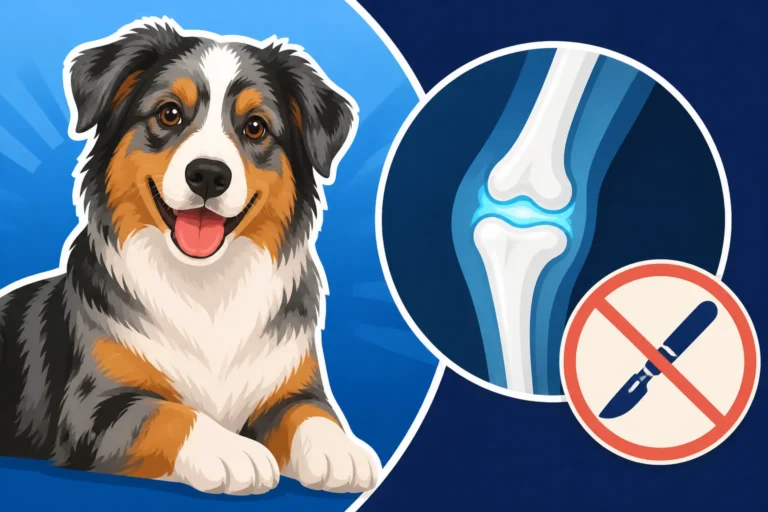
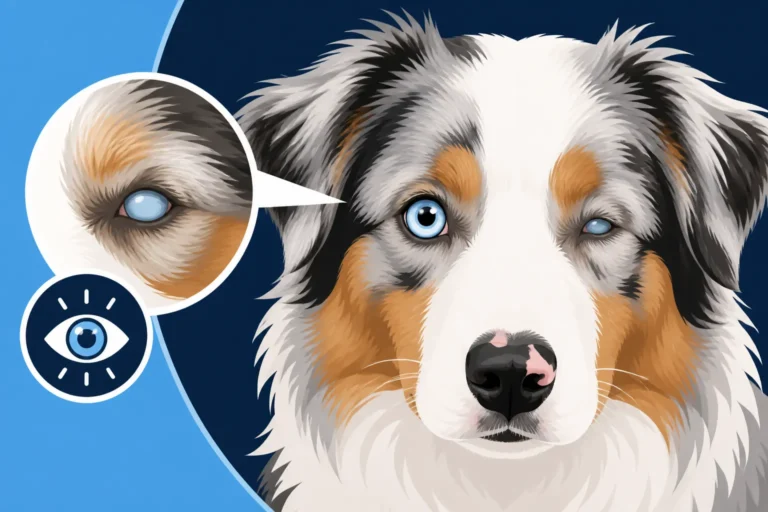
For example, some Aussies can develop immune-mediated polyarthritis (IMPA), where the immune system attacks the joints, leading to widespread inflammation, lameness, joint swelling, and fever. This can sometimes be confused with orthopedic issues like Australian Shepherd Hip Dysplasia and Working Joints or other forms of Australian Shepherd Arthritis After Years of Work. There are also immune-mediated skin diseases, such as Pemphigus, which causes blistering and crusting, often around the face, ears, and paw pads. Ocular conditions, where the immune system attacks the eyes, or even neurological conditions, though less common as primary immune-mediated diseases, can occur. The sheer diversity of these conditions highlights why a thorough diagnostic workup is always necessary when your Aussie presents with persistent or unusual symptoms that don't fit a simple explanation.
Diagnosing and Managing Immune-Mediated Disease
Getting a diagnosis for an immune-mediated disease in your Australian Shepherd can be one of the most challenging and emotionally taxing parts of the journey. It's rarely straightforward, often requiring patience, persistence, and a significant financial investment.
The Diagnostic Journey: From Symptoms to Confirmation
The path to diagnosing an immune-mediated disease is rarely a straight line; it's often more like a winding road with many detours. Because the symptoms of these conditions can be so vague and overlap with so many other illnesses, your vet will often begin with a series of general diagnostic tests to rule out more common problems. This usually includes a complete blood count (CBC) to check red and white blood cell levels, a biochemistry panel to assess organ function, and a urinalysis. These initial tests might provide clues, such as anemia (in IMHA) or electrolyte imbalances (in Addison's).
Beyond these general screens, specific tests are then employed to zero in on immune-mediated issues. For thyroiditis, specific thyroid hormone levels (T4, fT4, TSH) and autoantibody tests are crucial. For IMHA, a Coombs test helps confirm if antibodies are attacking red blood cells. Addison's requires an ACTH stimulation test, which measures the adrenal glands' response. For skin or joint issues, biopsies of affected tissues or fluid analysis from joints might be necessary. This process of elimination, combined with specialized testing, can be lengthy and frustrating, leaving you feeling helpless as you wait for answers. However, your veterinary team, potentially including specialists, will guide you through each step, helping you understand the puzzle pieces as they come together. Comprehensive bloodwork, even as part of routine screenings like those recommended in Bloodwork Worth Running on a Senior Aussie, can sometimes offer the first hints of an underlying immune issue.
Treatment Approaches: Suppressing the Overactive Immune System
Once an immune-mediated disease is diagnosed, the primary goal of treatment is to calm or suppress the overactive immune system. The cornerstone of treatment for many of these conditions involves corticosteroids, such as Prednisone. These powerful anti-inflammatory drugs work quickly to reduce the immune response and alleviate symptoms. While incredibly effective, steroids come with their own set of side effects, which can include increased thirst and urination, increased appetite, panting, and over time, muscle wasting and a pot-bellied appearance. It's a balance between controlling the disease and managing these side effects.
In some cases, especially with severe or difficult-to-control conditions, or to minimize steroid side effects, your vet might introduce other immunosuppressant medications. These can include drugs like Azathioprine, Cyclosporine, or Mycophenolate. These medications work through different mechanisms to further suppress the immune system, allowing for a lower dose of steroids, or sometimes even replacing them entirely. The treatment plan is always highly individualized, tailored to your Aussie's specific condition, its severity, and how your dog responds to medication. It's important to understand that these treatments don't "cure" the immune system's malfunction; rather, they manage it, allowing your dog to live a good quality of life by preventing the immune system from attacking healthy tissue.
Monitoring and Long-Term Care
Receiving a diagnosis and starting treatment is just the beginning of the journey with an immune-mediated disease. Effective management requires vigilant monitoring and a commitment to long-term care. Your vet will establish a regular schedule for follow-up appointments and blood tests. These tests are crucial for several reasons: they help assess how well the medication is controlling the disease, they monitor for potential side effects of the immunosuppressants (which can impact organs like the liver and kidneys), and they allow your vet to adjust medication dosages as needed.
Over time, if your Aussie responds well to treatment, your vet may try to gradually reduce the dosage of immunosuppressants, always aiming for the lowest effective dose to minimize side effects. This tapering process must be done slowly and carefully, as stopping medication abruptly can lead to a severe relapse. It's a delicate balance, and any changes in your dog's behavior, appetite, or energy levels should be reported to your vet immediately. This ongoing collaboration with your veterinary team, which might include a specialist in internal medicine, is vital. You'll become your Aussie's best advocate, observing them closely and communicating any concerns, ensuring they receive the consistent and tailored care they need for the rest of their lives.
| Condition | Primary Immune Target | Common Symptoms | Key Diagnostic Tests | Typical Treatment Modality |
|---|---|---|---|---|
| Autoimmune Thyroiditis (Hypothyroidism) | Thyroid Gland Cells | Lethargy, weight gain, hair loss, dull coat, cold intolerance | Thyroid hormone levels (T4, fT4, TSH), Thyroglobulin autoantibodies | Lifelong thyroid hormone replacement medication |
| Immune-Mediated Hemolytic Anemia (IMHA) | Red Blood Cells | Pale gums, weakness, rapid breathing, dark urine, jaundice | Complete Blood Count (CBC) showing anemia, Coombs test | Immunosuppressants (steroids), blood transfusions (emergency) |
| Immune-Mediated Thrombocytopenia (ITP) | Platelets | Bruising, petechiae, nosebleeds, blood in urine/stool, prolonged bleeding | CBC showing low platelets, bone marrow analysis (sometimes) | Immunosuppressants (steroids), supportive care |
| Addison's Disease | Adrenal Glands | Chronic/intermittent vomiting/diarrhea, lethargy, poor appetite, muscle weakness | ACTH stimulation test, electrolyte levels | Lifelong hormone replacement (steroids, mineralocorticoids) |
| Immune-Mediated Polyarthritis (IMPA) | Joint Synovial Tissue | Lameness, joint swelling, fever, reluctance to move | Joint fluid analysis, imaging (X-rays), ANA test | Immunosuppressants (steroids, other agents) |
Living with an Aussie Diagnosed with an Immune Condition
A diagnosis of an immune-mediated disease can feel overwhelming, but it doesn't mean the end of a happy life for your Australian Shepherd. It does, however, mean embracing a "new normal" and making some adjustments to daily routines and expectations.
Adjusting Daily Life and Expectations
When your Aussie is diagnosed with an immune-mediated disease, it's easy to fall into despair or become overly anxious. However, the most important thing is to shift your mindset from panic to proactive management. This is a marathon, not a sprint, and your patience and consistency will be your dog's greatest assets. You'll need to become a keen observer, learning to recognize subtle shifts in their behavior, appetite, energy levels, or any new symptoms. Keeping a journal of medication times, symptoms, and vet appointments can be incredibly helpful for tracking progress and identifying patterns.
Daily life will likely revolve around managing medication schedules precisely, ensuring doses are given on time, every time. This might mean setting alarms or adjusting your own daily routine to accommodate your Aussie's needs. Depending on the condition, their exercise routine might need to be modified. For instance, an Aussie on high doses of steroids might have less stamina or be more prone to injuries, so intense activities might need to be scaled back. If your dog is dealing with something like IMHA, they may tire easily for a long time. It’s about finding the right balance between mental stimulation and appropriate physical activity to keep them happy and engaged without overtaxing their system. Remember, your Aussie still wants to be an Aussie, so finding outlets for their intelligence and drive, even if it’s through gentler activities, is key. Even if your Aussie is getting older and facing Senior Australian Shepherd Care After Ten, these adjustments become even more critical.
Supporting Your Aussie's Quality of Life
Beyond the medical treatments, there's so much you can do to enhance your Australian Shepherd's quality of life when they're living with an immune-mediated disease. Creating a low-stress environment is paramount, as stress can sometimes trigger flare-ups or exacerbate symptoms. This means maintaining a consistent routine, providing a quiet and comfortable space, and minimizing sudden changes or loud noises. For some Aussies, this might mean a more carefully managed social life, avoiding crowded dog parks if they tend to get overstimulated.
Nutritional support is another crucial aspect. Your vet may recommend specific diets, particularly if your Aussie has concurrent food sensitivities or if the medication affects their digestive system. Some owners explore supplements like fish oil for anti-inflammatory benefits or probiotics to support gut health, but always discuss these with your vet first to ensure they won't interfere with existing medications. Since immunosuppressants can make your Aussie more susceptible to infections, vigilant hygiene and careful monitoring for any signs of illness (like a cough, fever, or skin issues) are essential. Regular grooming and checking their skin and coat for any abnormalities, especially considering potential Australian Shepherd Skin, Coat and Allergy Problems, becomes even more vital. Also, when it comes to preventive care, discuss your Aussie's vaccination schedule with your vet, as Australian Shepherd Vaccination and MDR1 Concerns need careful consideration, especially for a dog on immunosuppressive drugs.
Financial Considerations and Insurance
Let's be realistic: managing an Australian Shepherd with an immune-mediated disease is expensive. The costs associated with diagnosis alone, including multiple blood tests, specialized diagnostics, and consultations, can quickly run into the thousands of dollars. Once diagnosed, the ongoing expenses for lifelong medication, frequent veterinary check-ups, and specialized blood monitoring can easily add up to hundreds of dollars per month. And, of course, there's always the possibility of emergency vet visits if a crisis or relapse occurs, which can be astronomical. Without a financial safety net, these bills can create immense stress for even the most devoted pet parent, sometimes forcing heartbreaking decisions.
This is where having a good pet insurance plan, like one from Healthy Paws, can be a genuine lifesaver. Many owners find that comprehensive policies from providers like Healthy Paws help manage the financial strain of chronic conditions. Without insurance, bills for long-term care, including those for conditions like IMHA or Addison's, can quickly climb, potentially reaching figures mentioned in Aussie Vet Bills Between $15,000 and $40,000. When you're facing a diagnosis, knowing that your Healthy Paws policy might cover a significant portion of treatment can alleviate immense stress, allowing you to focus on your dog's health rather than the mounting bills. It's worth researching plans carefully; while pre-existing conditions aren't usually covered, getting insurance from Healthy Paws before any symptoms appear is crucial to ensure coverage for potential future immune-mediated diseases. Exploring options like Australian Shepherd Insurance at $35 to $55 a Month early in your dog's life can be one of the best investments you make.
Disclaimer
The information provided in this article is intended for general informational purposes only and does not constitute veterinary advice. Always consult with a qualified veterinarian for any health concerns or before making any decisions about your Australian Shepherd's medical care, diet, or treatment plan. The health and well-being of your pet should always be supervised by a professional.