Australian Shepherd Dental Tartar and Cleanings
It’s a scenario many Australian Shepherd parents dread: you lean in for a snuggle, and instead of that sweet, familiar doggy scent, you're hit with a whiff that could clear a room. Bad breath, or halitosis, isn't just unpleasant; it’s often the first warning sign of significant dental problems lurking in your Aussie's mouth, like tartar buildup. This guide is dedicated to helping you understand why dental tartar forms, how to spot it, and the crucial steps you can take, both at home and with your vet, to keep your beloved Australian Shepherd's teeth healthy and their breath fresh, ensuring they live a long, comfortable life free from preventable dental pain.
Understanding Dental Tartar in Australian Shepherds
Dental health in Australian Shepherds is often an overlooked aspect of their overall well-being, yet it’s incredibly vital. Just like in humans, a dog’s mouth is a complex ecosystem, and when things go awry, it can have ripple effects throughout their entire body. Tartar buildup is one of the most common, and most serious, issues we see.
How Tartar Develops in an Aussie's Mouth
It all starts innocently enough with plaque. Every time your Aussie eats, tiny particles of food, along with bacteria naturally present in their mouth, combine to form a sticky, colorless film called plaque. This plaque adheres to the tooth surfaces, especially along the gum line. If you could see it, it would look like a soft, fuzzy coating.
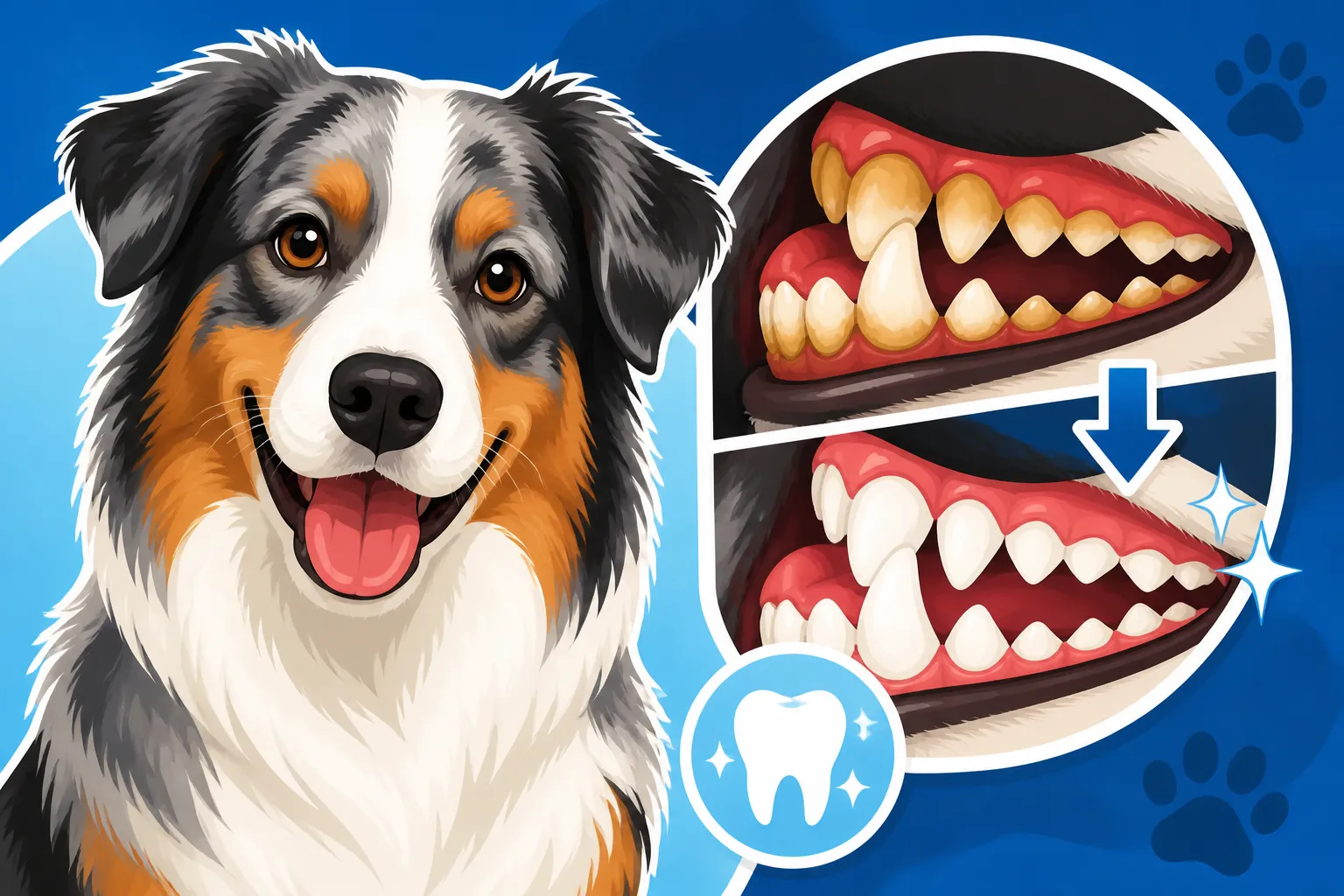
The real trouble begins when this plaque isn't regularly removed. Within a matter of days, the minerals in your dog's saliva, particularly calcium, start to react with the plaque. This chemical process hardens the soft plaque into a rough, yellowish-brown substance known as tartar, or calculus. Once plaque calcifies into tartar, it's far more difficult to remove with simple brushing. Think of it like concrete hardening—what was once soft and pliable becomes rigid and tough. This hardened tartar then provides an even rougher surface for more plaque to cling to, accelerating the cycle and leading to significant accumulation, especially on the back molars and canines. This process of Tartar Building on Aussie Molars is insidious and often goes unnoticed until it's quite advanced.
The Hidden Dangers of Tartar Buildup
The immediate and most visible danger of tartar buildup is gingivitis, which is the inflammation of the gums. You might notice your Aussie's gums looking red, swollen, or even bleeding when they chew on a toy. This is uncomfortable for them, much like inflamed gums are for us. If left unaddressed, gingivitis inevitably progresses to periodontal disease. This is a much more serious condition where the inflammation spreads beyond the gum line, affecting the deeper structures that support the teeth, including the bone and ligaments. Pockets can form between the teeth and gums, filling with bacteria, pus, and food debris.
The long-term consequences of untreated periodontal disease are heartbreaking. Teeth can become loose, painful, and eventually fall out or require extraction. Imagine the constant, throbbing pain your dog would endure while trying to eat, play, or even just rest. Beyond the mouth, the bacteria from these infected pockets don’t just stay put. They can enter the bloodstream and travel to other organs, including the heart, kidneys, and liver, causing secondary infections and serious systemic health problems. This often impacts their overall Australian Shepherd Lifespan Across Twelve to Fifteen Years by adding stress to their internal systems, and in some cases, can even increase Australian Shepherd Cancer Risks With Age. Investing in regular Australian Shepherd Dental Care isn't just about fresh breath; it's about protecting their entire body.
Recognizing the Signs of Dental Problems
It’s easy to overlook dental issues because our Aussies are such stoic creatures, often hiding their pain until it's severe. However, knowing what to look for can help you intervene early and prevent unnecessary suffering.
Visible Indicators of Tartar and Gum Disease
One of the most obvious signs is bad breath, which often gets dismissed as "just dog breath." But a truly healthy dog's breath shouldn't be offensively foul. A persistent, strong, or putrid odor is a huge red flag that something is brewing beneath the surface. If you're wondering What an Aussie's Breath Says About Its Teeth, remember that truly bad breath is a sign of bacterial overgrowth.
Next, take a peek at their teeth and gums. Gently lift your Aussie's lip and look closely. You might see a yellowish, brownish, or even blackish accumulation on the surface of their teeth, especially near the gum line—this is tartar. Their gums might appear abnormally red, swollen, or even bleeding along the edges where they meet the teeth. Healthy gums should be a pale pink, firmly hugging the teeth. If you see bright red or purple gums, or a receding gum line, those are clear indicators of inflammation and potential gum disease. Some Aussies might also have excess drooling, sometimes with blood streaks, which is another concerning visible sign.
Behavioral Clues Your Aussie Needs a Dental Check
Beyond what you can see, your Aussie's behavior can tell you a lot about their dental comfort. One common sign is a reluctance to chew on hard toys or eat dry kibble. If they suddenly start preferring soft food, or drop kibble out of their mouth, it might be too painful for them to chew effectively. You might also notice them tilting their head to one side while eating, favoring one side of their mouth, or chewing more slowly.
Another subtle cue is pawing at their mouth or rubbing their face against furniture or the floor. They might also become more irritable or withdrawn, as chronic pain can certainly affect their temperament. A decrease in appetite or even weight loss can also occur if eating becomes too uncomfortable. Some dogs might even show signs of increased thirst or urination if systemic infections have begun to affect their kidneys. While these behavioral changes can indicate many different health issues, combined with visible dental signs, they strongly point towards a need for a professional dental examination.
Professional Dental Cleanings for Your Australian Shepherd
When it comes to treating established dental disease, there's no substitute for a professional veterinary dental cleaning. This isn't just a cosmetic procedure; it's a critical component of your Aussie's overall health strategy.
What Happens During a Veterinary Dental Cleaning
The most important aspect of a professional dental cleaning is that it's performed under general anesthesia. Many owners worry about anesthesia, and rightfully so, but it's essential for a thorough and safe procedure. Anesthesia allows the veterinary team to conduct a complete oral examination, including probing around each tooth and taking full-mouth dental X-rays. These X-rays are crucial because a significant portion of dental disease, like bone loss or abscesses, occurs below the gum line where it’s invisible to the naked eye. Before anesthesia, your vet will perform pre-anesthetic blood work to ensure your Aussie is healthy enough for the procedure.
Once under anesthesia, the real work begins. The vet or a veterinary technician will use specialized ultrasonic scalers, similar to what human dentists use, to meticulously remove all plaque and tartar from above and below the gum line. This subgingival (below the gum) cleaning is paramount, as this is where the most damaging bacteria reside. After scaling, the teeth are polished to smooth out any microscopic etches left by the scaling, making it harder for new plaque to adhere. If the X-rays or examination reveal severely diseased or damaged teeth, extractions may be necessary. This might sound scary, but removing a painful, infected tooth is far kinder than leaving it to cause chronic pain and spread infection. Your vet will discuss all findings and any recommended extractions with you beforehand. The typical Australian Shepherd Dental Cleaning Cost varies widely based on geographic location, the extent of the disease, and whether extractions are needed, but it's an investment in their health. Many owners find that pet insurance, such as a policy from Healthy Paws, can help cover these unexpected expenses, making crucial care more accessible.
The Importance of Regular Professional Care
Regular professional dental cleanings are not a one-time fix; they are a cornerstone of long-term oral health. Even with diligent home care, some plaque and tartar will inevitably accumulate, especially in those hard-to-reach spots. Think of it like going to your own dentist—even if you brush and floss daily, you still need professional cleanings to keep everything truly pristine.
For Aussies, veterinarians generally recommend professional cleanings annually, or sometimes more frequently for breeds predisposed to dental disease or individuals with chronic issues. Establishing a routine of professional cleanings helps prevent minor issues from escalating into major, painful, and expensive problems. Catching gingivitis early can prevent it from progressing to irreversible periodontal disease. It also means fewer extractions over time and a much healthier, happier Aussie. Proactive care is always more effective and ultimately less stressful and less costly than reactive treatment of advanced disease. It’s an investment that truly pays off in your dog’s comfort and longevity.
At-Home Dental Care Strategies for Aussies
While professional cleanings are essential, daily at-home dental care plays an enormous role in minimizing tartar buildup between vet visits. It’s truly a team effort between you and your vet.
Brushing Your Aussie's Teeth
This is, hands down, the most effective form of at-home dental care. Just like with humans, mechanical removal of plaque is key. Aim to brush your Aussie's teeth daily, or at least several times a week. It might seem daunting at first, especially with an energetic Aussie, but with patience and positive reinforcement, most dogs can learn to tolerate, and even enjoy, the routine. Start slowly, perhaps by just letting them lick some dog-specific toothpaste off your finger. Never use human toothpaste, as it often contains xylitol, which is toxic to dogs.
Gradually introduce a finger brush or a soft-bristled dog toothbrush. Focus on the outside surfaces of the teeth, especially the upper canines and molars, as these tend to accumulate the most tartar. Lift their lip gently and make small, circular motions. Keep sessions short and positive, ending with praise and a small treat. Consistency is more important than perfection in the beginning. Over time, as your Aussie gets used to it, you can increase the duration and thoroughness. We have a great resource on Brushing an Australian Shepherd's Teeth Weekly that offers detailed tips and tricks to make this a smoother process for both of you. Many pet parents find that making it a calm, regular part of the day, perhaps after their evening walk, helps establish the routine.
Dental Chews and Water Additives
Beyond brushing, there are other tools that can help support your Aussie's oral health, though they should be seen as supplements to brushing and professional cleanings, not replacements.
Dental Chews: High-quality dental chews can help mechanically scrape plaque off the tooth surface as your dog chews. Look for products that are approved by the Veterinary Oral Health Council (VOHC), which signifies that they meet specific standards for plaque and/or tartar control. Brands like Greenies, Dentastix, or VeggieDent often carry the VOHC seal. Be mindful of the size and hardness of chews; too hard, and they can fracture teeth. Avoid natural bones, antlers, or nylon bones that don't bend, as these are common culprits for dental fractures. Always supervise your Aussie while they're enjoying a dental chew to prevent choking or gulping.
Water Additives: These products are designed to be added to your dog's drinking water and contain ingredients that can help reduce bacteria in the mouth and prevent plaque formation. They are typically tasteless and odorless, so most dogs don't even notice them. While they can be a helpful adjunct, their effectiveness varies, and they certainly don't remove existing tartar. They work best as a preventative measure in conjunction with other dental hygiene practices.
Remember, every bit of effort you put into your Aussie’s dental health makes a difference. Combine regular professional cleanings with consistent at-home care, and your furry friend will thank you with many more years of happy, healthy smiles and significantly better breath. This proactive approach can also help reduce the impact of The Aussie Bills Nobody Warns You About, as preventing severe dental disease can save you from costly extractions and other treatments down the line. In the long run, consistent dental care can be a great investment, especially if you have a robust pet insurance plan like those offered by Healthy Paws, which helps manage veterinary costs.
Here's a quick comparison of popular at-home dental care methods:
| Method | Effectiveness (Plaque/Tartar Reduction) | Best Use Case | Pros | Cons |
|---|---|---|---|---|
| Tooth Brushing | High (removes plaque and some soft tartar) | Daily or several times a week for plaque prevention | Most effective at preventing plaque hardening; direct | Requires training/patience; can be resisted by some dogs; does not remove hardened tartar effectively |
| Dental Chews (VOHC) | Moderate (reduces plaque/tartar buildup) | Daily supplement to brushing; good for mechanical action | Enjoyable for dogs; provides some mental stimulation | Not as effective as brushing; risk of tooth fracture if too hard; potential for choking/ingestion issues |
| Water Additives | Low to Moderate (inhibits bacteria/plaque) | Daily preventative alongside other methods | Easy to administer; no active participation from dog | Does not remove existing plaque or tartar; variable effectiveness; not a standalone solution |
| Dental Wipes | Low (removes surface plaque) | Quick clean for accessible teeth; training aid | Convenient for quick cleans or initial training | Limited reach to back teeth or below gum line; less effective than brushing |
Regular care, including dental checkups and professional cleanings, is paramount. Insurance providers like Healthy Paws emphasize the importance of preventative care, and understanding your policy's dental coverage can be a real game-changer for budgeting your Australian Shepherd's health needs. For instance, knowing if your Australian Shepherd Insurance at $35 to $55 a Month covers routine cleanings or major dental procedures can help you plan your finances more effectively. Even conditions that seem unrelated, like Australian Shepherd Ear Infections, can sometimes have roots in overall hygiene or immune health, underscoring the interconnectedness of good care. When managing an older dog, remember that things like Grooming an Arthritic Australian Shepherd can be challenging, and dental care might also require a gentler approach. Don't forget those crucial early examinations like Australian Shepherd Puppy Health Checks at Eight Weeks, where your vet can offer advice on starting a dental care routine right from the beginning!
Disclaimer
The information provided in this article is for educational and informational purposes only and does not constitute medical advice. Always consult with a qualified veterinarian for any health concerns or before making any decisions about your Australian Shepherd's medical care.