Brushing an Australian Shepherd’s Teeth Weekly
If you've ever leaned in for a sweet Aussie cuddle, only to be met with a breath that could knock a cowboy off his horse, you know the struggle is real. Bad dog breath isn't just unpleasant; it's often a glaring sign of underlying dental issues that can seriously impact your beloved Australian Shepherd's health. This guide is here to walk you through why brushing your Aussie's teeth weekly is crucial and how to turn this often-dreaded task into a manageable, even bonding, part of your routine.
Why Regular Tooth Brushing Is Non-Negotiable for Your Aussie
It’s easy to overlook dental care for our dogs. After all, they don't complain about cavities the way we do. But beneath that stoic Aussie exterior, dental disease can be silently wreaking havoc, leading to pain, infection, and even serious systemic health problems. Brushing their teeth isn't a luxury; it's a fundamental part of responsible pet ownership, just like feeding them good food and giving them plenty of exercise.
Beyond Bad Breath: The Silent Dangers of Plaque and Tartar
That infamous "dog breath" is more than just a nuisance; it's usually the smell of bacteria proliferating in your dog's mouth. These bacteria form a sticky film called plaque on the teeth. If left unaddressed, plaque hardens into a gritty substance known as tartar, which then clings stubbornly to the tooth surface and below the gumline. This accumulation isn't just unsightly; it's a breeding ground for more bacteria and leads to inflammation of the gums, a condition called gingivitis.
Gingivitis is the first stage of periodontal disease, and it's reversible. However, if it progresses, it becomes irreversible. The gums pull away from the teeth, creating pockets where even more bacteria, plaque, and tartar can accumulate. This infection can destroy the supporting structures of the teeth, leading to loose teeth, painful abscesses, and eventually, tooth loss. Imagine trying to work sheep or enjoy a vigorous game of fetch with a mouth full of pain! But the dangers don't stop there. The bacteria from severe dental disease can enter your Aussie's bloodstream, traveling to vital organs like the heart, kidneys, and liver, causing secondary infections and serious health complications that can shorten their Australian Shepherd Lifespan Across Twelve to Fifteen Years. This silent progression is why proactive care is so vital.
The Dental Health Benefits of a Weekly Routine
Committing to a weekly tooth brushing routine for your Australian Shepherd, and ideally even more frequently, is your best defense against these silent dangers. While daily brushing is truly the gold standard for optimal oral health, weekly brushing is a fantastic starting point and a significant improvement over no brushing at all. What it does is physically remove the plaque before it has a chance to harden into tartar. This simple act reduces bacterial load in the mouth, prevents gingivitis from taking hold, and keeps those gums healthy and pink.
Beyond preventing serious disease, regular brushing also helps keep your Aussie's breath fresher, making those cuddles much more enjoyable for everyone involved. It also helps you stay attuned to any changes in their mouth – a chipped tooth, a red spot, or something stuck between their teeth – allowing for early intervention. While professional dental cleanings under anesthesia at the vet are sometimes necessary to address existing tartar and deeper issues, consistent home brushing can significantly reduce the frequency of these more invasive (and costly!) procedures. Think of it as preventative maintenance that keeps your Aussie healthier and happier, potentially delaying the need for extensive dental work until they reach their Senior Australian Shepherd Care After Ten years.
Essential Tools and Techniques for Aussie Dental Care
The idea of wrestling a powerful, intelligent Australian Shepherd to brush their teeth might sound intimidating, but with the right tools and a patient approach, it's absolutely achievable. Just like you wouldn't try to herd cattle with a toy poodle, you need the proper equipment for the job when it comes to your Aussie's pearly whites.
Choosing the Right Brush and Toothpaste
First and foremost, never use human toothpaste on your dog. Our toothpaste contains fluoride, which is toxic to dogs if swallowed, and they're not going to spit it out like we do. Canine toothpaste is specially formulated to be safe for ingestion and often comes in flavors dogs love, like poultry, beef, or even peanut butter. These enzyme-based toothpastes also help break down plaque, making your job a little easier. You can find a wide variety of excellent dog toothpastes from retailers like Chewy or Amazon, often in kits that include brushes.
When it comes to the brush itself, you have a few options:
- Finger Brushes: These slip over your finger and have soft bristles. They're great for getting your dog used to the sensation of brushing and allow for a lot of tactile feedback. They can be a good starting point, especially for a puppy learning Australian Shepherd Puppy Health Checks at Eight Weeks, or for an Aussie who is hesitant about a traditional brush.
- Long-Handled Dog Toothbrushes: These look more like human toothbrushes but have angled heads and softer bristles designed to fit a dog's mouth. The longer handle can be helpful for reaching those back molars.
- Dental Wipes: While not as effective as brushing, dental wipes can be a good intermediate step for very reluctant dogs, or for a quick clean between more thorough brushings. They physically remove some plaque from the tooth surface.
The best brush is ultimately the one you and your Aussie are most comfortable using consistently. It might take a bit of trial and error to find your perfect match.
A Step-by-Step Guide to Brushing Success
Patience is your superpower here. Introduce brushing gradually and make it a positive experience with lots of praise and high-value treats.
- Start Slow and Positive: Don't expect to conquer all teeth on day one. Begin by simply letting your Aussie lick some dog-friendly toothpaste off your finger. Praise them lavishly.
- Introduce the Brush: Once they're happy with the toothpaste, put a tiny bit on the brush (finger brush or traditional). Let them lick it off the brush. Then, gently touch the brush to their lips. Reward immediately.
- Short Sessions, Small Goals: The first few "brushing" sessions might only involve lifting their lip and quickly touching a few teeth with the brush. Don't force it. The goal is positive association.
- Target the Outer Surfaces: Most dental disease occurs on the outer surfaces of the teeth, especially the molars and canines. You don't necessarily need to worry about the inner surfaces, as their tongue often helps keep those cleaner.
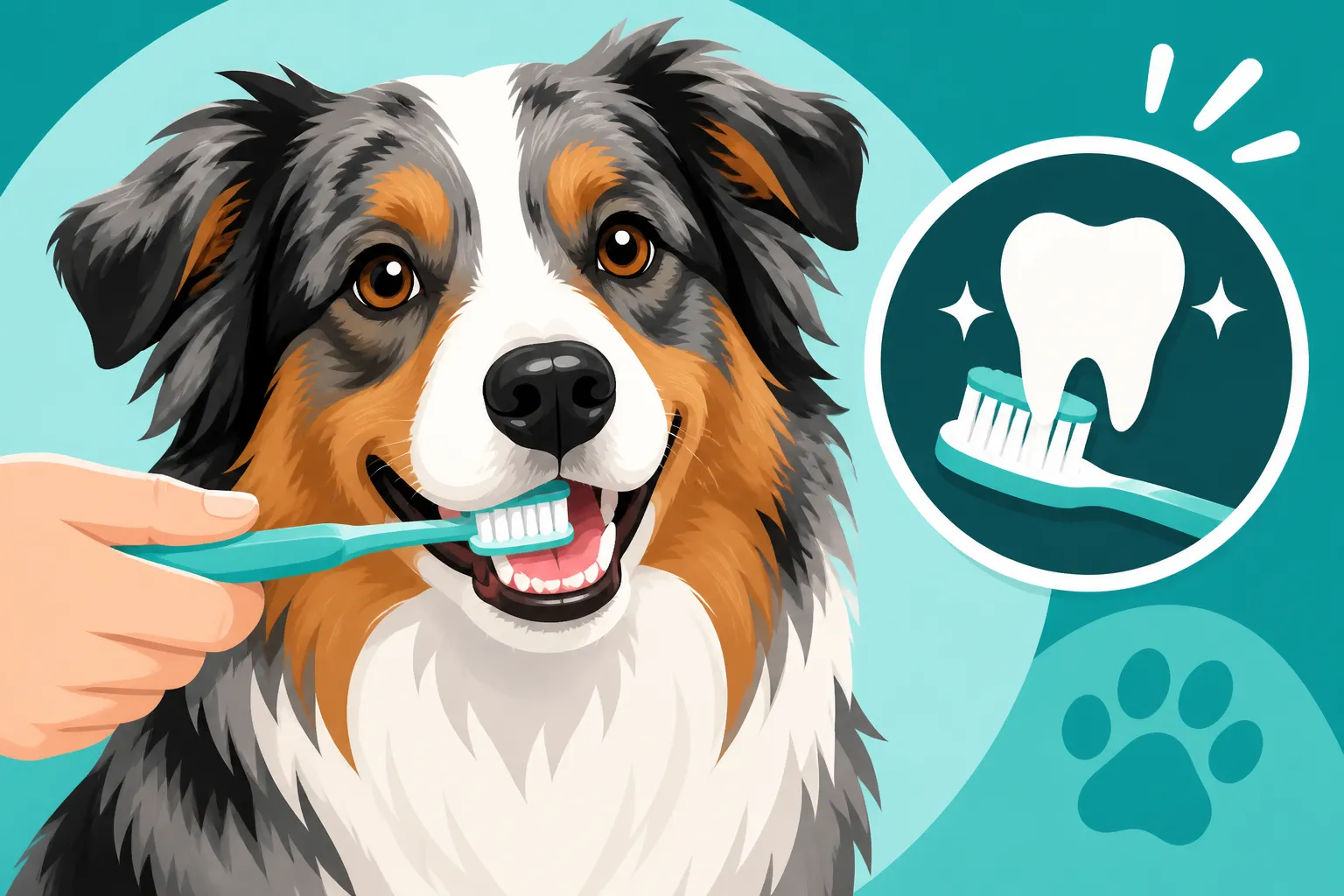
- Technique Matters: Gently lift your Aussie's lip to expose their teeth and gums. Hold the brush at a 45-degree angle to the gumline, using small, circular motions. Focus on each tooth for a few seconds, paying close attention to where the tooth meets the gum.
- Praise and Reward: After even a short brushing session, give them a treat and lots of enthusiastic praise. You want them to associate this activity with good things.
- Find Your Aussie's "Happy Place": Some Aussies are calmer after a good play session, while others prefer a quiet moment on the couch. Experiment to find a time and location where your dog is most relaxed and cooperative.
Consistency is key. Even if you miss a week, don't give up. Just pick up where you left off. Think of it as a small investment in their overall health and happiness, directly impacting their quality of life for years to come.
Overcoming Common Challenges and Maintaining Consistency
It's natural to encounter a few bumps in the road when starting a new routine with your Australian Shepherd, especially one that involves their mouth. Aussies are smart, but they're also sensitive, and some can be quite particular about having their mouths handled. Don't get discouraged if your first attempts don't look like a toothpaste commercial.
My Aussie Hates It: Tips for Reluctant Brushers
Many dogs aren't thrilled about tooth brushing at first, and an Aussie's strong will can make it feel like an uphill battle. But it’s not impossible! The key is desensitization and positive reinforcement:
- Go Back to Basics: If your Aussie is outright resisting, step back. Spend a few days just getting them comfortable with you touching their muzzle and lips without any brushing involved. Reward generously for calm acceptance.
- Introduce Flavored Toothpaste: Let them associate the yummy taste of dog-specific toothpaste with your fingers or the brush. Many dogs love the poultry or beef flavors. You can even smear a tiny bit on their favorite Ollie treat if they enjoy that type of fresh food, associating the flavor with something they already love.
- Short Bursts, High Rewards: Instead of aiming for a full mouth cleaning, aim for 10-15 seconds of brushing on just a few teeth, then immediately follow with their absolute favorite treat and enthusiastic praise. Gradually increase the duration as they become more comfortable.
- Vary Your Position: Some dogs are more tolerant if you brush from behind their head, while others prefer you to be kneeling in front of them. Experiment to see what makes your Aussie feel most secure.
- The Power of Tired: Try brushing after a long walk, a strenuous play session, or a training session when your Aussie is physically and mentally tired. A tired dog is often a more cooperative dog.
- Make it Predictable: Establish a routine. Doing it at the same time and place each week (or day) can help your Aussie anticipate it and potentially be less resistant.
Remember, the goal is to make it a calm, positive experience, not a battle. If you get frustrated, take a break and try again later. Your Aussie picks up on your emotions, and if you're stressed, they will be too.
Integrating Dental Care into Your Aussie's Routine
Once you've navigated the initial reluctance, the next step is consistency. Think of it like their weekly Australian Shepherd Grooming and Shedding Costs routine, or their regular Australian Shepherd Dental Tartar and Cleanings check-ups; it's just part of their comprehensive care.
- Schedule It: Pick a specific day and time each week and stick to it. Mark it on your calendar if you need to! Whether it's "Sunday Night Teeth" or "Wednesday Morning Molars," having a set time helps make it a habit for both of you.
- Beyond Brushing: Supplementary Aids: While brushing is primary, other tools can support good oral hygiene:
- Veterinary Dental Chews: Look for chews specifically designed to reduce plaque and tartar, often endorsed by the Veterinary Oral Health Council (VOHC). While they don't replace brushing, they can help mechanically clean teeth. Always supervise your Aussie when they're chewing to prevent choking.
- Water Additives: Some solutions can be added to your dog's drinking water to help reduce bacteria and freshen breath. These are usually a supplementary measure, not a standalone solution.
- Dental Diets: Specific kibbles are formulated with a unique texture that helps scrub teeth as your dog chews. Discuss with your vet if a dental diet is appropriate for your Aussie.
- Regular Vet Check-ups: Even with diligent home care, regular veterinary check-ups are essential. Your vet can assess your Aussie's overall oral health, identify any developing issues, and recommend professional cleanings under anesthesia when necessary. These comprehensive exams are a critical component of Australian Shepherd Dental Care.
By integrating brushing into a broader dental care strategy, you're building a strong foundation for your Australian Shepherd's long-term health, helping them avoid potentially painful and expensive issues down the line.
The Long-Term Payoff: A Lifetime of Healthy Aussie Smiles
Investing time in your Australian Shepherd's dental health might feel like a chore sometimes, but the rewards are truly invaluable. It’s about more than just avoiding bad breath; it’s about ensuring their comfort, extending their happy years, and saving yourself from unexpected challenges.
Recognizing Signs of Dental Trouble
Even with the best home care, it's crucial to be vigilant and recognize the signs that your Aussie might be developing dental problems. Sometimes, despite your best efforts, issues can arise, or they might simply need a professional cleaning. If you notice any of these symptoms, it’s time to call your veterinarian:
- Persistent Bad Breath: While some "dog breath" is normal, an overwhelmingly foul odor is a strong indicator of bacterial overgrowth and dental disease. This is literally What an Aussie's Breath Says About Its Teeth.
- Red, Swollen, or Bleeding Gums: These are classic signs of gingivitis and gum inflammation. You might notice blood on their chew toys or in their water bowl.
- Loose or Missing Teeth: This indicates advanced periodontal disease where the structures supporting the teeth have been severely damaged.
- Difficulty Eating or Chewing: Your Aussie might drop food, chew only on one side of their mouth, show reluctance to eat hard kibble, or stop playing with their favorite chew toys.
- Paw at Their Mouth or Rub Face: This behavior often suggests oral pain or discomfort.
- Excessive Drooling: Increased drooling can be a sign of pain or infection in the mouth.
- Changes in Behavior: An Aussie experiencing dental pain might become more withdrawn, irritable, or less enthusiastic about play or training, which can sometimes be confused with other issues. Sometimes, if an Aussie is experiencing pain, it can even lead to issues like An Aussie Snapping Because Its Hips Hurt, but dental pain can also be a cause for sudden behavioral shifts.
Don't wait for these symptoms to become severe. Early intervention is always best for both your Aussie's comfort and your wallet.
The Financial and Emotional Benefits of Proactive Dental Care
Thinking about how much a regular vet visit costs, let alone emergency surgery, can be daunting. But proactive dental care is truly one of the best investments you can make in your Australian Shepherd's health and happiness.
Consider the potential costs: a professional dental cleaning, which typically involves anesthesia, scaling, polishing, and potentially X-rays, can be a significant expense. If extractions are necessary due to severe disease, the costs can escalate dramatically. Compare this to the relatively small cost of a toothbrush and canine toothpaste, and the minimal time investment of weekly brushing. By committing to home dental care, you are actively working to prevent or at least minimize the need for these more expensive and invasive procedures. This can mean avoiding costly emergency vet bills and ensuring your Lifetime Vet Costs for an Australian Shepherd are more predictable and manageable.
Beyond the financial savings, there's the immeasurable benefit of your Aussie's well-being. A dog free from oral pain is a happier, more energetic companion. They'll enjoy their food more, be more engaged in play, and simply feel better overall. Regular brushing also gives you a hands-on opportunity to bond with your dog, checking in with them and reinforcing trust. It's a small act that contributes to a lifetime of shared joy and companionship, allowing your Australian Shepherd to live a full, comfortable life right by your side, whether they're working hard in the fields or just curled up on the couch. Every proactive step you take, like regular dental care, adds to their overall resilience and health, much like The Health Tests Every Australian Shepherd Parent Needs contribute to understanding their genetic predispositions.
| Dental Tool | Description | Pros | Cons |
|---|---|---|---|
| Finger Brush | Silicone or cloth brush that slips over your finger. | Great for beginners; gentle; direct tactile control. | Can be chewed; less reach for back teeth; can be messy. |
| Long-Handled Brush | Similar to human toothbrush but with dog-specific head and softer bristles. | Effective for reaching all teeth; good cleaning power. | Can be intimidating for some dogs; requires more technique. |
| Dental Wipes | Textured cloths impregnated with dental cleaning solution. | Quick and easy; good for travel; less invasive. | Less effective than brushing; doesn't get below gumline. |
Disclaimer
This article is for general informational purposes only and does not constitute professional advice. Laws, prices and regulations vary by location and change over time. Consult a qualified professional for guidance on your specific situation.