An Aussie Listing With No MDR1 Result
Finding an Australian Shepherd puppy listing that doesn't mention its parents' or even its own MDR1 status can feel like navigating a minefield blindfolded. It's a frustrating and frankly concerning omission, leaving you wondering if the breeder is unaware, unconcerned, or worse, hiding something vital. This guide is here to shed light on exactly what the MDR1 gene means for your potential Aussie, why its absence from a listing is a big deal, and the proactive steps you can take to ensure you're making an informed decision for your future furry family member.
Understanding the MDR1 Gene and Why It Matters
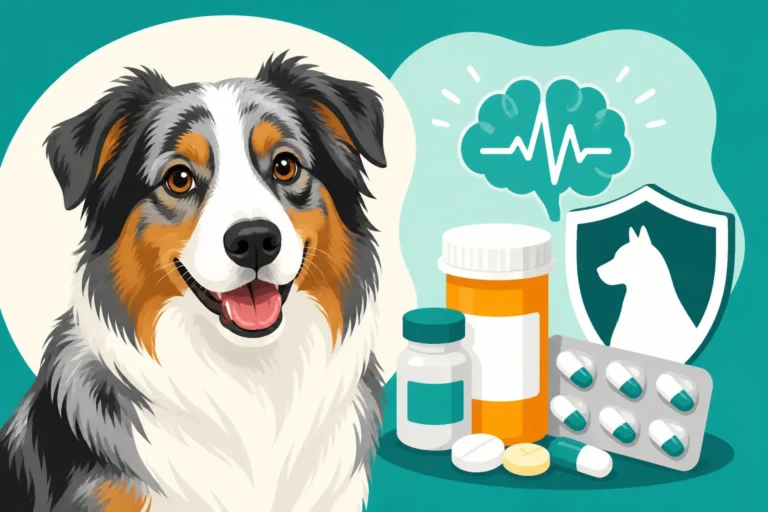
The MDR1 gene, or Multi-Drug Resistance 1 gene, is a hugely important piece of an Australian Shepherd's genetic puzzle, yet it's often overlooked by less experienced or less scrupulous breeders. This gene controls a protein called P-glycoprotein, which acts like a gatekeeper in the brain, keeping out harmful drugs and toxins. For certain breeds, including our beloved Aussies, a mutation in this gene can severely compromise this protective barrier, leading to life-threatening drug sensitivities. It's not just a minor health note; it’s a critical piece of information that can impact your dog's entire life, from routine vet visits to emergency care. Many owners have been caught off guard by unexpected reactions because they weren't informed about their dog's MDR1 status.
What the MDR1 Mutation Actually Does
When an Australian Shepherd inherits two copies of the mutated MDR1 gene (meaning they are "MDR1 affected"), their body produces a faulty P-glycoprotein, or sometimes none at all. This means that certain common medications, which would normally be pumped out of the brain, can accumulate to toxic levels. Imagine a leaky dam; instead of holding back the water, it lets it seep through, causing damage on the other side. That's essentially what happens with an MDR1 affected dog's blood-brain barrier. Even a single copy of the mutated gene (making a dog a "MDR1 carrier") can sometimes lead to milder sensitivities, though carriers typically show fewer severe symptoms than affected dogs. Understanding What MDR1 Does Inside an Australian Shepherd Brain is crucial for any owner.
The impact isn't just theoretical; it's a very real, tangible risk. Dogs with the MDR1 mutation can experience severe neurological symptoms ranging from disorientation and tremors to seizures, coma, and even death, from drugs that are perfectly safe for other breeds. This isn't an exhaustive list, but it highlights why this genetic detail is so vital for your Aussie’s well-being. Knowing your dog's status empowers you and your vet to make safe, informed decisions about their healthcare, preventing potentially fatal mistakes.
The Serious Risks of Unknown MDR1 Status
The most immediate and terrifying risk of not knowing your Australian Shepherd's MDR1 status comes during veterinary treatments. Routine procedures, deworming, or even emergency surgeries can turn deadly if the vet unknowingly administers a contraindicated drug. For instance, common parasite preventatives like ivermectin (at certain doses) or even anti-diarrhea medications like loperamide are extremely dangerous for MDR1 affected dogs. Without a clear genetic panel, every vet visit becomes a gamble. You, as the owner, carry the burden of this unknown, potentially having to make snap decisions about medication without the full picture.
Beyond the immediate drug reactions, there's the ongoing anxiety. What if your dog gets sick or injured? What if an emergency vet, unfamiliar with your specific dog's history, makes a critical error? This constant worry can be incredibly stressful. Furthermore, if you ever plan to breed your Australian Shepherd, not knowing their MDR1 status means you could unwittingly pass on this devastating gene, perpetuating the problem within the breed. Responsible breeding hinges on full transparency and genetic testing, a topic explored further in The Genetic Panel Every Australian Shepherd Needs. The financial burden of managing an MDR1-affected dog who has an adverse drug reaction can also be immense, often involving emergency vet visits, hospitalization, and specialized care.
Decoding a Listing That Lacks MDR1 Information
When you stumble upon an Australian Shepherd puppy listing—perhaps online, through a local ad, or even at a pet store (which is a red flag in itself)—and there's no mention of MDR1 results, it's a moment to pause and gather your thoughts. Your first instinct might be to assume the best, but it's essential to approach this with a critical and informed perspective. The absence of this vital information isn't always malicious, but it's rarely a good sign, especially for a breed so commonly affected by this mutation.
Common Reasons for Missing MDR1 Results
There are several reasons why a listing might lack MDR1 information, ranging from ignorance to negligence:
- Lack of Breeder Knowledge: Unfortunately, not all breeders are equally educated about breed-specific health concerns. A hobby breeder, or someone new to Australian Shepherds, might simply not be aware of the prevalence or severity of the MDR1 mutation in the breed. They might not realize that The MDR1 Mutation Half of Australian Shepherds Carry is a widely recognized issue. They might assume that because their dogs "seem healthy," there's no need for genetic testing.
- Cost Avoidance: Genetic testing, while relatively inexpensive in the grand scheme of dog ownership, does add to the breeder's overhead. Some breeders might choose to skip these tests to save money, either out of financial constraint or simply to maximize profit. They might rely on anecdotal evidence or simply hope for the best, rather than investing in verifiable health clearances.
- Hiding Undesirable Results: In more concerning cases, a breeder might intentionally omit MDR1 results if one or both parents (or the puppies themselves) tested "affected" or "carrier" and they fear it will deter buyers. This is unethical and irresponsible, putting the future well-being of the puppies at significant risk for personal gain. They might think that by just not mentioning it, it won't be an issue, which is a dangerous assumption.
- Rescue or Rehoming Situations: Sometimes, you might find an Aussie through a rescue organization or a private rehoming situation. In these cases, the dog's history might be entirely unknown, making it impossible for the current caregivers to provide MDR1 status. Rescues often do their best to gather information, but if the dog was a stray or surrendered without records, genetic details can be missing.
Red Flags and Green Lights in Aussie Listings
Learning to differentiate between a reputable listing and one that raises concerns is paramount. Here's what to look for:
Red Flags:
- No Mention of Health Testing at All: Not just MDR1, but if there's no mention of hip, elbow, or eye clearances (like OFA or CERF certifications), this is a major warning sign. Responsible breeders test for multiple hereditary conditions.
- "First Come, First Served" or "Cash Only" Mentality: Breeders focused solely on quick sales without vetting potential owners or providing health guarantees are often cutting corners elsewhere.
- Inability to Provide Parent Information: If you can't meet the parents, or at least see extensive documentation and photos, including their genetic test results, be wary. You should be able to verify The Test Results an Aussie Breeder Must Produce.
- Vague Answers to Specific Questions: When you ask directly about MDR1 and get evasive or dismissive responses, that's a huge red flag. A good breeder will be transparent and knowledgeable.
- Multiple Breeds or Puppies for Sale: Puppy mill operations or high-volume breeders often have many different breeds available, or multiple litters concurrently, with little attention paid to individual health.
- Unusually Low Price: While a higher price doesn't always guarantee quality, a significantly lower price for an Australian Shepherd puppy can often indicate corners have been cut on health testing, proper nutrition, or socialization. As the saying goes, "you get what you pay for."
Green Lights:
- MDR1 Status Clearly Stated: This is the gold standard. A listing that explicitly states the parents' and/or puppies' MDR1 status (e.g., "MDR1 N/N Clear," "MDR1 N/M Carrier," or "MDR1 M/M Affected") indicates a knowledgeable and responsible breeder.
- Comprehensive Health Clearances Listed: Beyond MDR1, look for mention of OFA (Orthopedic Foundation for Animals) clearances for hips and elbows, and CERF (Canine Eye Registration Foundation) or equivalent eye exams.
- Invites to Meet Parents and See Facilities: A breeder who is proud of their dogs and breeding environment will welcome visits and interactions.
- Thorough Buyer Screening: Expect to be asked a lot of questions about your lifestyle, experience, and home environment. A good breeder cares deeply about where their puppies go.
- Written Health Guarantee and Contract: A clear, written contract outlining health guarantees, return policies, and breeding restrictions demonstrates commitment to the puppies' long-term welfare.
- Active in Breed Clubs or Sports: Breeders involved in conformation, agility, herding, or other dog sports often have a deeper understanding of breed standards and health.
Proactive Steps When Facing a Missing MDR1 Result
It's tempting to fall in love with a cute puppy picture, but when MDR1 status is missing, your heart needs to listen to your head. Don't let emotion override due diligence. You have every right to ask questions and demand transparency. Your proactive investigation now can save you heartache and significant financial burdens down the road. This isn't about being overly cautious; it's about being a responsible pet parent.
Communicating With the Breeder or Seller
The first and most crucial step is direct communication. Don't be shy or feel like you're bothering them; a good breeder will appreciate your thoroughness.
- Politely Inquire About MDR1 Status: Start by asking, "Do you have the MDR1 genetic test results for the parents or the puppies?" Be specific. A good breeder will provide this information readily. They should ideally be able to show you a certificate from a reputable lab.
- Ask for Explanation of Omission: If they say they don't have it, ask why. Listen carefully to their explanation.
- "I didn't know about it." This indicates a lack of education. While perhaps not malicious, it's concerning for an Australian Shepherd breeder. You might then offer to educate them or suggest they get the test done, but proceed with caution.
- "My dogs are healthy, they don't need it." This is a dangerous misconception. A dog can be a carrier or even affected and show no symptoms until exposed to a problematic drug. This response shows a lack of understanding of basic genetics and risk.
- Evasive or Defensive Responses: If they get defensive, change the subject, or dismiss your concerns, it's a huge red flag. This might indicate they know something you don't or simply aren't ethical.
- Suggest Independent Testing (and Offer to Pay, if willing): You can offer to pay for a DNA test yourself if you're seriously considering the puppy, provided the breeder agrees. This is a common practice with some rescues or private rehoming situations where history is truly unknown. Explain that you want to be sure you can provide the best care.
- Gauge Their Reaction: Observe their willingness to engage and provide information. An ethical breeder will be happy to discuss health concerns and provide evidence. A breeder resistant to discussing health is usually one to avoid. If they claim to have done the test but "lost the paperwork," ask them to contact the lab for a copy or rerun the test. It's often possible for labs like Embark or Optimal Selection (now a part of Wisdom Panel) to retrieve results.
Taking Matters Into Your Own Hands: Testing Options
If a breeder is unwilling or unable to provide MDR1 results, but you're still considering a particular Australian Shepherd (perhaps through a rescue or a very compelling situation), you do have options to get the information yourself.
DNA Testing Kits:
Several reputable companies offer affordable and easy-to-use DNA tests for the MDR1 gene. These usually involve a simple cheek swab that you collect at home and mail back to the lab. Results typically come back within a few weeks.
- Embark Veterinary: Widely respected, Embark offers comprehensive genetic health screening, including MDR1, along with breed identification. Their panel covers over 200 genetic conditions. You can order a kit from their website or sometimes find them on Chewy.
- Optimal Selection / Wisdom Panel: These companies also offer robust genetic testing panels that include the MDR1 mutation, providing detailed health insights.
- Washington State University (WSU) Veterinary Clinical Pharmacology Lab: WSU's lab was a pioneer in MDR1 testing and still offers standalone MDR1 tests. They are highly reputable for this specific test.
How to Proceed with Testing:
- For a Puppy You Haven't Adopted Yet: If the breeder agrees, you can arrange for a swab to be taken by a vet or yourself (under vet supervision) before the purchase. Ensure the sample is properly identified as belonging to that specific puppy. Include the cost of this testing in your overall budget for bringing home an Aussie.
- For an Adopted Aussie with Unknown Status: If you've already brought home an Australian Shepherd and their MDR1 status is a mystery, order a test kit immediately. The peace of mind alone is worth the investment. Knowing is truly half the battle when it comes to safe care. The process for Testing an Australian Shepherd for MDR1 is straightforward and can be done by any owner.
Once you have the results, you'll see one of three outcomes:
- N/N (Clear): Your Aussie does not have the mutation.
- N/M (Carrier): Your Aussie has one copy of the mutation.
- M/M (Affected): Your Aussie has two copies of the mutation.
Understanding Reading an Aussie MDR1 Result Line by Line will help you interpret these findings correctly.
| MDR1 Result | Interpretation | Implications for Drug Sensitivity | Breeding Advice |
|---|---|---|---|
| N/N (Clear) | Does not carry the MDR1 mutation. | Generally safe with all standard medications, including those known to affect MDR1-mutant dogs, at appropriate doses. | Can be bred to any other Australian Shepherd without risk of producing affected puppies, regarding MDR1. |
| N/M (Carrier) | Carries one copy of the MDR1 mutation. | Typically less sensitive than affected dogs, but some may show mild reactions to high doses of certain drugs. Caution still advised. | Should only be bred to an MDR1 N/N (Clear) dog to avoid producing M/M (Affected) offspring. |
| M/M (Affected) | Carries two copies of the MDR1 mutation. | Highly sensitive to a range of common drugs; these drugs can cause severe, life-threatening neurological reactions. Strict avoidance needed. | Should not be bred, as all offspring would inherit at least one copy of the mutated gene, even if bred to a Clear. |
Living With an Aussie of Unknown MDR1 Status
Bringing home an Australian Shepherd whose MDR1 status is unknown doesn't mean you can't provide excellent care, but it does mean you need to operate with an abundance of caution. Until you have definitive results, assume the worst-case scenario: that your dog could be MDR1 affected. This approach, while perhaps overly conservative, prioritizes your dog's safety above all else. The goal is to minimize risk and ensure your beloved companion lives a long, healthy life.
Veterinary Care and Drug Safety Protocols
This is where assuming "affected" is absolutely critical. Inform every vet and vet tech you encounter that your Australian Shepherd's MDR1 status is unknown and that they should treat your dog as if they are MDR1 affected. This means a proactive conversation with your vet before any medication is prescribed or administered.
- Educate Your Vet (Gently!): While many vets are aware of MDR1, some might not be intimately familiar with the specific drug list or the high prevalence in Aussies. Provide them with information if necessary, or simply state your concerns clearly. Mentioning Telling Your Vet an Australian Shepherd Is MDR1 Positive can highlight the seriousness.
- Maintain a Comprehensive Drug List: Keep a list of drugs known to be problematic for MDR1 affected dogs handy. This includes:
- Ivermectin: While low doses in heartworm preventatives are generally considered safe even for affected dogs, higher doses used for other parasites are dangerous. Reassure yourself by reading Why Heartworm Doses Are Still Safe for an MDR1 Aussie.
- Loperamide (Imodium): A common anti-diarrhea medication.
- Acepromazine: A tranquilizer often used for sedation.
- Butorphanol: An opioid pain reliever.
- Selamectin, Moxidectin, Doramectin: Some flea/tick and deworming medications contain these, though often at levels safe for carriers. Always check with your vet.
- Vinblastine, Vincristine, Doxorubicin: Certain chemotherapy drugs.
- Erythromycin: An antibiotic.
- Cyclosporine: An immunosuppressant.
- Digoxin: A heart medication.
- Anesthetics: Some anesthetics may need adjusting. Understanding Anesthetics That Need Adjusting for an MDR1 Aussie is very important for surgical procedures.
- Opt for Safer Alternatives: Ask your vet for alternative medications that are known to be safe for MDR1 affected dogs. For example, Revolution (selamectin) or Advantage Multi (moxidectin) are generally considered safe at preventive doses, but Frontline or Bravecto for flea and tick control are typically non-MDR1 related concerns. Discuss The Flea Products Dangerous to an MDR1 Aussie to be fully informed.
- Emergency Preparedness: In an emergency, time is of the essence. Consider Putting MDR1 on an Australian Shepherd's Collar Tag and having a laminated card with your dog's assumed MDR1 affected status and a list of contraindicated drugs in your wallet and car. This information can be lifesaving if you're unconscious or unable to communicate with emergency personnel. Having clear Emergency Vet Instructions for an MDR1 Australian Shepherd could make all the difference.
Everyday Management and Peace of Mind
Managing an Aussie with unknown MDR1 status goes beyond just vet visits. It's about being vigilant in your everyday life to prevent accidental exposure and ensure your dog's overall well-being.
- Secure All Medications: Treat all human and pet medications in your home as potential toxins. Keep them securely stored and out of your dog's reach. Accidental ingestion is a common cause of poisoning.
- Careful With Over-the-Counter Products: Avoid giving your dog any over-the-counter medications without specific veterinary guidance, even common ones you might think are harmless. Many seemingly innocuous drugs can interact negatively.
- Monitor for Neurological Signs: Be attuned to any unusual behavior, particularly after a vet visit or if you suspect accidental ingestion of something. Signs like lethargy, disorientation, excessive drooling, tremors, or seizures could indicate a drug reaction. Recognising Neurological Signs an Aussie Is Reacting to a Drug early could save your dog's life.
- Consider Pet Insurance: While pre-existing conditions won't be covered, enrolling your Australian Shepherd in pet insurance like Healthy Paws before any issues arise can provide a financial safety net for unexpected illnesses or accidents not related to MDR1. If an MDR1-related reaction occurs, the subsequent treatments might be covered if the condition wasn't diagnosed prior to enrollment and waiting periods. This can ease the burden of potentially high emergency vet bills.
- Utilize Online Pharmacies with Caution: If you order prescriptions online from retailers like Chewy's pharmacy, always double-check the medication and dosage with your vet, especially if your dog has an unknown or affected MDR1 status. They often carry a wide range of medications, so ensuring the correct, safe option is paramount.
Long-Term Implications and Responsible Ownership
Choosing to bring an Australian Shepherd into your life is a significant commitment, and that commitment deepens when there are unknowns about their genetic health, particularly MDR1. While immediate safety is paramount, it's also important to consider the broader, long-term implications for your dog, your family, and even the breed as a whole. Being a responsible Aussie owner means looking beyond the puppy stage and thinking about their entire lifespan.
Breeding Decisions and Genetic Responsibility
If you acquire an Australian Shepherd with unknown MDR1 status, especially if they are unaltered, you face crucial decisions regarding their reproductive future. This is where genetic responsibility truly comes into play.
- Prioritize Testing Before Breeding: The absolute rule is: do not breed an Australian Shepherd of unknown MDR1 status. It is irresponsible and unethical. Before considering any breeding, both potential parents must be tested for MDR1. This ensures you do not inadvertently produce M/M (affected) puppies, who would suffer severe drug sensitivities, or even N/M (carrier) puppies, who would pass the gene down.
- Understand Carrier Risks: Even if an Aussie is a carrier (N/M), they still possess the mutation. Breeding two carriers together carries a 25% chance of producing affected (M/M) offspring. Therefore, a carrier should only ever be bred to a clear (N/N) dog. This eliminates the risk of producing affected puppies. More on this can be found in Whether an MDR1 Carrier Australian Shepherd Ever Reacts and Whether an MDR1 Australian Shepherd Should Be Bred.
- Impact on Future Generations: Every responsible breeder strives to improve the health of the breed. By making informed breeding choices based on genetic testing, you contribute to reducing the prevalence of the MDR1 mutation in future Australian Shepherd lines. Ignoring genetic status, on the other hand, actively harms the breed. This responsibility extends to all heritable conditions, not just MDR1, emphasizing the importance of comprehensive health screenings for all breeding dogs.
The Broader Impact on the Australian Shepherd Breed
The decisions made by individual owners and breeders collectively shape the health and future of the entire Australian Shepherd breed. The prevalence of MDR1 is a testament to the importance of genetic screening.
- Promoting Ethical Breeding Practices: By demanding MDR1 test results from breeders, you, as a prospective buyer, help drive the market towards more ethical and responsible breeding practices. When buyers insist on transparency and genetic health clearances, breeders are incentivized to provide them. This directly impacts the well-being of countless future puppies.
- Supporting Breed Health Initiatives: Organizations like the Australian Shepherd Health & Genetics Institute (ASHGI) work tirelessly to research and educate about genetic diseases in the breed. By staying informed and advocating for testing, you support their mission to reduce hereditary health problems. Being part of this informed community strengthens the breed.
- Reducing Suffering: Ultimately, understanding and acting on MDR1 status is about preventing unnecessary suffering in our beloved Australian Shepherds. Knowing their status allows for appropriate medical care, avoiding adverse drug reactions that can be painful, terrifying, and fatal. It's about giving every Aussie the best possible chance at a healthy and happy life. This commitment to their care starts even before they arrive home.
Disclaimer
This article provides general information and guidance regarding Australian Shepherds and the MDR1 gene. It is not a substitute for professional veterinary advice. Always consult with a qualified veterinarian for any health concerns or before making decisions about your dog's medical care, especially concerning medication or breeding.