Whether Merle Australian Shepherds Cost Extra
One of the most common questions swirling around the beautiful Australian Shepherd breed, especially for those new to their striking looks, often revolves around their price tag. You might see a stunning blue merle or red merle Aussie puppy and immediately wonder if that unique, mottled coat means you're going to pay a premium. It's a valid concern, and the market can be confusing, but understanding the actual factors behind an Australian Shepherd's cost goes far beyond just the color of their fur. This guide will walk you through what truly influences the price of an Australian Shepherd puppy, so you can make an informed decision without getting caught up in superficial trends.
Deconstructing the "Merle Premium" Myth
It's easy to look at a breathtaking blue merle Australian Shepherd with those intense blue eyes and assume that such a distinctive appearance automatically commands a higher price. Many people perceive merle coats as rarer or more desirable, leading to an expectation that breeders will charge more. While you might occasionally encounter a breeder who does try to inflate the price based solely on merle patterning, it's generally not the driving factor for ethical and responsible Australian Shepherd breeders. The true cost of a well-bred Aussie is tied to much more significant considerations than just coat color.
The Appeal and Perception of Merle Coats
Let's be honest, merle coats are absolutely captivating. The unique patterns, the splashes of color, and the potential for stunning blue or marbled eyes make merle Australian Shepherds truly stand out. This aesthetic appeal often leads to higher demand, and in some markets, increased demand can translate to higher prices. However, a reputable breeder understands that the merle gene is just one of many genetic traits and its presence doesn't inherently make a puppy healthier, more talented, or better-tempered. The perception of merle as "special" might make a puppy feel more valuable to a buyer, but it shouldn't be the basis for a significant price hike.
Think about it this way: a beautiful sunset is free, but a framed photo of one might cost money. The inherent beauty is there, regardless of the price. With merle Aussies, the coat is simply a natural expression of their genetics. While it's certainly eye-catching, it doesn't add to the breeder's foundational costs in a way that justifies a huge price difference compared to a solid black or red tri-color Aussie.
When Merle Does Impact Cost Indirectly
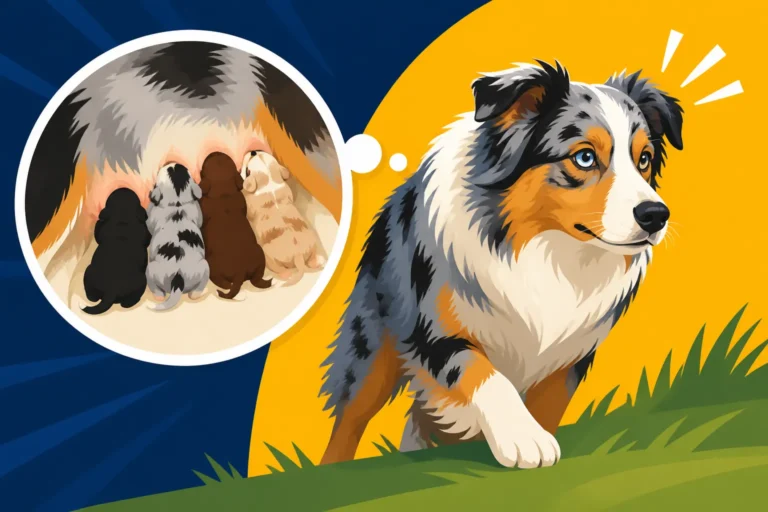
While the merle coat itself shouldn't directly add to the price, there are situations where it might indirectly factor in, especially concerning health. Breeding two merles together, known as a merle-to-merle cross, significantly increases the risk of producing "double merle" puppies. These puppies often suffer from severe health issues like deafness and various eye defects in a double merle Australian Shepherd, including microphthalmia (abnormally small eyes) or even complete blindness.
Ethical breeders go to great lengths to avoid these devastating outcomes. This means careful genetic testing to identify all merle carriers, including those with cryptic merle that might not be obvious to the eye. If a breeder is testing more extensively or even altering breeding plans to avoid merle-to-merle pairings, those responsible practices add to their overall costs. However, these costs are typically absorbed into the general price structure of all their puppies, not just selectively applied to merles. A breeder who knowingly breeds merle to merle and tries to sell "special" double merle puppies at a higher price for their unique (and often white) appearance is deeply unethical and should be avoided at all costs. You can learn more about Why Aussie Breeders Never Cross Merle to Merle.
The Actual Drivers of Australian Shepherd Puppy Prices
If not purely the merle coat, then what does determine how much an Australian Shepherd puppy costs? The answer lies in a combination of factors related to responsible breeding practices, the lineage of the parents, and the overall quality of care provided to the litter. These are the aspects that truly differentiate a well-bred puppy from a poorly bred one.
Health Testing and Genetic Clearances
This is arguably the most critical factor influencing a puppy's price. Reputable Australian Shepherd breeders invest heavily in health testing their breeding stock before they even consider mating them. This isn't just a basic vet check-up; it involves a comprehensive battery of genetic tests and certifications to screen for common breed-specific health issues. These tests can include:
- OFA (Orthopedic Foundation for Animals) certifications: For hips and elbows, screening for conditions like hip and elbow dysplasia, which are common in active, medium-to-large breeds.
- Eye certifications (CERF/OFA Eye): Performed by a veterinary ophthalmologist to check for hereditary eye diseases such as hereditary cataracts in an Australian Shepherd, Collie Eye Anomaly, and Progressive Retinal Atrophy.
- Genetic DNA panels: These tests screen for genetic mutations like the MDR1 mutation, which can cause severe reactions to certain common drugs, and others like Hereditary Cataracts (HSF4), Progressive Rod-Cone Degeneration (PRCD), and Canine Multifocal Retinopathy (CMR1).
Each of these tests costs money, and doing them thoroughly for both parents adds up. Breeders who skip these tests save money, but they pass on the risk and potential heartache (and massive vet bills) to the puppy buyer. When you see The Genetic Panel Every Australian Shepherd Needs, you're seeing a financial commitment from a responsible breeder. You can expect Aussie Puppy Prices Between $1,000 and $2,500 to reflect these investments.
Pedigree, Temperament, and Training Investment
A puppy's lineage plays a significant role in its price. Puppies from parents with proven working titles (herding, agility, obedience), conformation championships, or a strong history of producing healthy, stable offspring will naturally be more expensive. This isn't just about bragging rights; it indicates that the breeder is selecting for desirable traits like sound temperament, trainability, and genetic health. These traits are invaluable, especially in a breed as intelligent and active as the Australian Shepherd.
Breeders also invest time and resources into early socialization and training for their puppies. This might include early neurological stimulation (ENS), exposure to various sights and sounds, crate training introduction, and beginning house-training. All of these efforts contribute to a well-adjusted puppy, and they are reflected in the overall price. When you bring home a puppy that has had a great start, you save yourself a lot of potential headaches and training challenges down the line.
Here's a quick overview of what goes into an ethical breeder's costs:
| Cost Factor | Description | Impact on Puppy Price |
|---|---|---|
| Health Testing | OFA Hips/Elbows, Eye Exams, DNA Panels (MDR1, HSF4, PRA, etc.) for both parents. | High |
| Stud Fees | Payment for using a proven, health-tested male. | Moderate |
| Veterinary Care | Pre-natal check-ups for mother, whelping assistance, puppy first shots, deworming, microchipping. | High |
| Quality Nutrition | High-quality food for mother during pregnancy/lactation, and for puppies. | Moderate |
| Time & Socialization | Hours spent on daily care, early neurological stimulation, socialization, initial training. | High |
| Registration & Paperwork | AKC, ASCA, or other registry fees, pedigree generation, puppy packets. | Low |
| Facilities & Equipment | Clean whelping box, safe puppy pens, appropriate heating, cleaning supplies. | Moderate |
| Return Policy/Support | Ethical breeders offer lifetime support, take back dogs if needed, ensuring responsible placement. | Indirect |
Understanding Ethical Breeding Costs and Genetic Testing
The cost of a puppy from an ethical breeder is not just profit; it covers substantial investments made into the health, well-being, and future of the breed. These breeders are passionate about their dogs and commit significant resources to ensure they are producing the best possible puppies. This commitment goes far beyond simply putting two dogs together.
The Investment in Health and Soundness
An ethical breeder views their breeding program as a long-term commitment. This means selecting breeding dogs not just for their beauty, but for their health clearances, temperament, and adherence to the breed standard. They spend years studying pedigrees, attending dog shows, participating in performance events, and learning about canine genetics. When you're looking for The Test Results an Aussie Breeder Must Produce, you're essentially asking to see proof of this investment.
For example, beyond the initial purchase price of a breeding dog, an ethical breeder will pay for:
- Regular veterinary check-ups and vaccinations.
- Specialized genetic testing, such as the comprehensive panel offered by organizations like Embark or Canine HealthCheck. These panels can cost hundreds of dollars per dog, and a breeder will test all potential breeding stock.
- OFA certifications for hips and elbows, which involve expensive X-rays and specialist evaluations.
- Annual eye exams performed by a board-certified veterinary ophthalmologist.
- Appropriate nutrition and conditioning for their breeding dogs.
All of these costs are spread across the number of puppies in a litter. So, while a single puppy's price might seem high, it's a fraction of the total expenses incurred by the breeder to produce that healthy, well-adjusted companion.
The Crucial Role of Genetic Testing for Merle
Specifically regarding merle, responsible breeders take extra precautions. They will test their breeding dogs to confirm their merle status (e.g., M/m for merle, m/m for non-merle). This is vital to prevent accidental merle-to-merle breedings, which can occur if one parent carries a "cryptic merle" gene that doesn't visibly show the pattern. For breeders using outside stud dogs, they will require verifiable genetic test results. This ensures that even if one parent is merle, the other is non-merle, preventing the devastating health issues seen in double merles.
The commitment to understanding How Merle Works in an Australian Shepherd Coat is fundamental. Breeders ensure that they are not only avoiding obvious merle-to-merle pairings but also accounting for less obvious genetic presentations. This diligent approach is an investment in the health of all puppies, not just the merles.
Long-Term Costs Associated with Merle Australian Shepherds
While the initial purchase price of a merle Australian Shepherd shouldn't be significantly higher just for the coat, it's crucial to understand that specific health risks, particularly for double merles, can lead to substantial long-term veterinary expenses. This is where the true "cost" of a poorly bred merle can manifest itself.
The Added Financial Burden of Double Merle Health Issues
As discussed, double merle Australian Shepherds are prone to severe health problems due to the overwhelming presence of the merle gene. These issues include significant hearing impairment, often total deafness in a double merle Australian Shepherd, and severe ocular defects, ranging from microphthalmia (small, underdeveloped eyes) to blindness. Living with and caring for a dog with these profound disabilities requires immense dedication, time, and, critically, financial resources.
Imagine the costs associated with:
- Specialist veterinary ophthalmologist visits and potential surgeries for eye issues.
- BAER testing to confirm deafness, followed by ongoing support and training tailored for a deaf dog.
- Increased safety measures around the home and on walks.
- Potentially higher pet insurance premiums or exclusions for pre-existing conditions if issues aren't declared early.
If you somehow end up with a double merle puppy (often identifiable by excessive white markings, especially on the face and head, and frequently pink skin), be prepared for a lifetime of specialized care. This is why ethical breeders are so adamant about avoiding merle-to-merle pairings, because the true cost is the suffering of the animal and the financial strain on the owner.
Pet Insurance and Hereditary Conditions
When considering any Australian Shepherd, but especially being aware of merle genetics, pet insurance becomes a wise investment. Companies like Healthy Paws, for instance, offer comprehensive plans that can help mitigate unexpected veterinary costs. It's vital to enroll your Australian Shepherd in pet insurance as early as possible, ideally before any health issues arise, to ensure maximum coverage. If an issue is diagnosed before enrollment or during a waiting period, it's considered a pre-existing condition and won't be covered.
While a regular merle Aussie isn't inherently sicker than a tri-color, the risks associated with improper merle breeding underscore the importance of insurance. If a puppy from a questionable breeding develops conditions like Collie Eye Anomaly in an Australian Shepherd or Australian Shepherd Epilepsy Starting Between One and Five, insurance can be a lifesaver. However, if these issues are linked to known double merle risks and were present at birth, they might fall under The Aussie Conditions Insurers Exclude depending on the policy and timing of enrollment. Always read the fine print!
How to Identify Red Flags in Merle Aussie Pricing
Navigating the world of puppy sales can be tricky, and unfortunately, some individuals exploit the popularity of merle coats. Knowing what red flags to look for can protect you from unknowingly supporting irresponsible breeding practices or ending up with a puppy destined for health struggles.
Inflated Prices Solely for Coat Color
If a breeder specifically advertises "rare blue merle" or "designer red merle" puppies at a significantly higher price than their non-merle littermates, without any justification based on health testing, lineage, or proven quality, that's a major red flag. Ethical breeders understand that the merle gene is just one aspect of the dog. They focus on the overall quality of the puppy, encompassing health, temperament, and conformation, rather than putting a premium on a cosmetic trait.
A breeder who charges an extra $500 or $1000 simply because a puppy is merle, while skimping on health tests or offering vague answers about parentage, is often more interested in profit than in the welfare of their dogs. Always ask detailed questions about why a particular puppy is priced the way it is. If the answer doesn't include extensive health clearances, proven lineage, and a comprehensive socialization program, reconsider.
Lack of Genetic Testing or Transparency
This is perhaps the biggest red flag, especially with merle Australian Shepherds. Any breeder who cannot or will not provide clear, verifiable genetic test results for both parents is not someone you want to buy a puppy from. This includes documentation for the merle gene, OFA certifications, and DNA panels for breed-specific diseases. If they say, "Oh, the vet checked them, they're fine," or "We don't believe in all those expensive tests," walk away.
A responsible breeder will openly share The MDR1 and CEA Records to Keep on an Aussie and any other health clearances. They will be proud of their efforts to ensure healthy offspring. Be particularly wary if you see an Aussie listing with no MDR1 result, as this test is crucial for the breed. If a breeder is evasive or defensive when asked for these details, it suggests they have something to hide, potentially genetic issues or even a risky merle-to-merle breeding.
Budgeting for Your Australian Shepherd, Regardless of Coat Color
Bringing an Australian Shepherd into your life is a significant commitment, and it comes with financial responsibilities that extend far beyond the initial purchase price. Whether your Aussie is blue merle, red tri, or solid black, the core costs of care remain largely the same. Proper budgeting is essential for a happy, healthy life together.
Estimating Initial and Ongoing Expenses
Beyond the puppy's purchase price, you'll have a number of immediate costs. These include:
- Initial Vet Visit: Even if the puppy has had shots, a new vet visit is crucial for a baseline check-up.
- Gear: A crate (consider the size for a full-grown Aussie, like those found on Chewy), food bowls, a collar and leash, a comfortable bed, and an assortment of durable toys.
- Food: High-quality puppy food specifically formulated for their growth needs. Companies like Ollie offer fresh, personalized meal plans that can be a great option for growing puppies, ensuring they get all the necessary nutrients without fillers.
- Training: Puppy classes are highly recommended for socialization and basic obedience. Learn more about What Six Weeks of Aussie Puppy Class Costs.
On an ongoing basis, you'll need to budget for:
- Food: As an adult, an Australian Shepherd can eat a fair amount, so factor in monthly food costs.
- Veterinary Care: Annual check-ups, vaccinations, parasite prevention (flea, tick, heartworm). Remember to research flea and tick products safe for an MDR1 Aussie if your dog carries the gene.
- Grooming: Regular brushing, occasional baths, nail trims.
- Training/Enrichment: Dog sports, daycare (if needed), puzzle toys, and continued training.
- Pet Insurance: As mentioned, a plan from a provider like Healthy Paws can save you significant money on unexpected illnesses or accidents. Knowing you have coverage for major events, like potential surgeries or ongoing conditions, provides immense peace of mind.
Planning for the Unexpected
Even with the best breeding and care, unforeseen circumstances can arise. Australian Shepherds, like all breeds, can face health challenges later in life. Conditions such as Australian Shepherd Hip Dysplasia and Working Joints, epilepsy, or even cancer can lead to substantial veterinary bills. Having an emergency fund or robust pet insurance is not a luxury, but a necessity for any responsible dog owner.
Consider setting aside a dedicated savings account for your Aussie's potential medical needs, or ensure your pet insurance policy offers sufficient coverage for major events. Thinking long-term about your Australian Shepherd's health and financial needs means being prepared for anything, ensuring you can provide the best care throughout their Australian Shepherd Lifespan Across Twelve to Fifteen Years. It’s about being ready for The Aussie Cost Owners Never See Coming so you can focus on loving your companion, not stressing over bills.
Disclaimer
The information provided in this article is for general informational purposes only and is not a substitute for professional veterinary advice. Always consult with a qualified veterinarian or animal health professional for any questions or concerns about your Australian Shepherd's health, diet, or treatment.