Insuring an Australian Shepherd Before Its First Seizure
Bringing home a new Australian Shepherd puppy or even an adult rescue is such an exciting time, full of dreams of adventures and loyal companionship. But beneath all that joy, there's often a quiet, nagging worry about their health, especially with a breed known for certain genetic predispositions. The thought of unexpected vet bills, particularly for chronic conditions like epilepsy, can be truly daunting. This guide is here to walk you through the critical process of insuring your Australian Shepherd before any health issues arise, helping you protect both your beloved dog and your wallet from future financial strain.
Understanding the Importance of Early Insurance for Australian Shepherds
When you welcome an Australian Shepherd into your home, you're signing up for a loyal, intelligent, and often very active companion. What many new owners don't fully grasp, however, is the importance of thinking about their long-term health and the financial implications that can come with it. It’s not about expecting the worst, but about being realistically prepared for a journey that can span well over a decade.
Why Early Enrollment Protects Against Future Costs
The single biggest reason to get pet insurance for your Australian Shepherd as early as possible is the concept of pre-existing conditions. Every single pet insurance policy out there, from the biggest names to the smaller niche providers, has clauses about pre-existing conditions. Simply put, if your dog shows symptoms, gets diagnosed, or receives treatment for a condition before your policy starts or during its waiting period, that condition will almost certainly be excluded from coverage for the life of the policy.
Imagine getting your adorable Aussie puppy, perhaps named Jasper, at eight weeks old. You wait a year, thinking he’s healthy and you’ll get around to insurance later. But at 14 months, Jasper has his first seizure. Now, suddenly, you're scrambling to get insurance. The problem? Epilepsy is now a pre-existing condition. Any future veterinary care related to that epilepsy – diagnostics, medications, specialist visits – won't be covered. This could lead to massive out-of-pocket expenses for a condition that often requires lifelong management. By enrolling early, ideally before a single symptom emerges or even a minor health concern is noted, you create a safety net that covers those unexpected, potentially chronic, issues later down the line. It's truly about locking in coverage for their entire future health, safeguarding against the unknown.
Australian Shepherd Predispositions to Health Issues
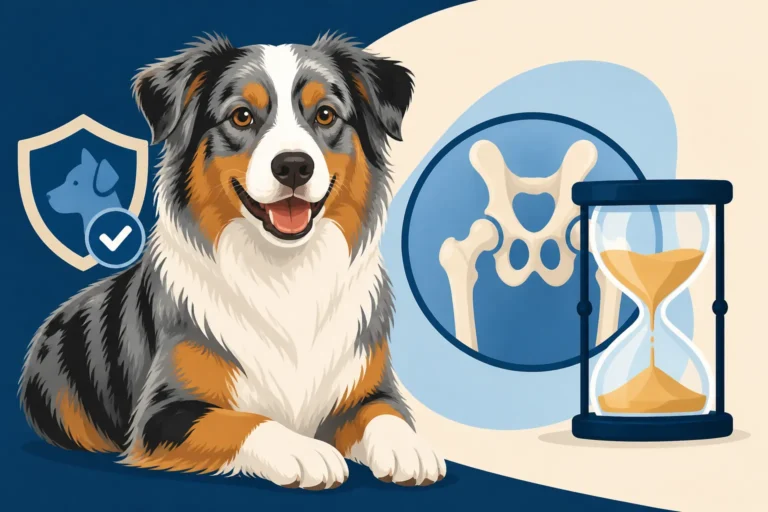
Australian Shepherds are generally robust dogs, but like many purebreds, they do have a genetic blueprint that can unfortunately include predispositions to certain health conditions. Being aware of these common issues isn't about fear-mongering, but about informed ownership. For instance, a significant concern for the breed is Australian Shepherd Epilepsy Starting Between One and Five. This idiopathic epilepsy can manifest as seizures, often beginning in young adulthood, and requires long-term medication and monitoring. If you wait until after your Aussie has its first seizure to get insurance, any treatment for that epilepsy will be considered pre-existing and won't be covered.
Beyond epilepsy, Aussies can be prone to orthopedic issues like Australian Shepherd Hip Dysplasia and Working Joints and elbow dysplasia. Eye conditions such as Collie Eye Anomaly (CEA) and hereditary cataracts are also seen in the breed. There's also the infamous MDR1 gene mutation, which makes them sensitive to certain common medications. While a DNA test can tell you if your Aussie carries the MDR1 gene, if they develop an adverse reaction to a drug before being insured, that specific reaction or sensitivity could be deemed pre-existing. Getting a comprehensive genetic panel is a great first step in understanding your pup's potential risks, but insurance acts as the financial backup for when those potentials become realities.
The Financial Burden of Unexpected Vet Bills
Let's be brutally honest: veterinary care, especially emergency or specialized care, is expensive. A single emergency vet visit could easily run you hundreds, if not thousands, of dollars. For chronic conditions, the costs can skyrocket over a dog's lifetime. Diagnosing epilepsy, for example, might involve blood tests, an MRI, and specialist consultations, easily pushing into the thousands. Ongoing anti-seizure medication, regular bloodwork, and follow-up visits can quickly add up to hundreds of dollars a month. Similarly, if your Aussie develops something like Australian Shepherd Cancer Risks With Age, the treatments, including chemotherapy or radiation, can cost tens of thousands.
Without insurance, you're faced with tough decisions, sometimes having to choose between your dog's health and your financial stability. Pet insurance aims to alleviate that burden, allowing you to focus on your Aussie's well-being rather than stressing over the bill. We've heard countless stories from owners who regret not getting insurance earlier, facing bills of Aussie Vet Bills Between $15,000 and $40,000 for conditions that could have been largely covered had a policy been in place before diagnosis. Early insurance enrollment isn't just a smart financial move; it's an act of love that prepares you for whatever health challenges your Aussie might face.
Navigating Pet Insurance Policy Types and Coverage
Choosing pet insurance can feel like navigating a maze, with so many different plans, coverages, and exclusions to wrap your head around. It's not a "one size fits all" situation, and what works for one dog or family might not be the best fit for another. Understanding the basic policy types and what they typically include or leave out is your first step to making an informed decision for your Australian Shepherd.
Accident-Only vs. Accident & Illness Policies
The two fundamental types of pet insurance policies you'll encounter are accident-only and accident & illness.
-
Accident-Only Policies: These are usually the most affordable option. As the name suggests, they cover veterinary expenses strictly related to accidents. Think broken bones, ingesting a foreign object, cuts, snake bites, or getting hit by a car. They will not cover illnesses, chronic conditions, genetic predispositions, or routine care. For an Australian Shepherd, while accidents can certainly happen, this type of policy leaves you completely exposed to the financial impact of common breed-specific illnesses like epilepsy, hip dysplasia, or autoimmune diseases. While it's better than nothing, it's generally not recommended as the primary choice for a young, healthy Aussie due to its limited scope.
-
Accident & Illness Policies: This is the comprehensive coverage most pet owners seek, and the one we strongly recommend for Australian Shepherds. These policies cover both accidents and a wide range of illnesses. This includes things like infections, digestive issues, cancer, diabetes, and crucially, breed-specific conditions like epilepsy and hip dysplasia, provided they are not pre-existing. They often cover diagnostics (X-rays, blood tests, MRIs), surgeries, hospitalizations, prescription medications, and specialist visits. While more expensive than accident-only plans, they offer far greater peace of mind and financial protection against the vast majority of veterinary emergencies and long-term health challenges.
What Comprehensive Policies Typically Cover
A good, comprehensive accident & illness policy for your Australian Shepherd will act as a safety net for a broad spectrum of veterinary needs. Here’s a typical breakdown of what you can expect to be covered:
- Accidents: Injuries like fractures, lacerations, ligament tears (like a cruciate tear from a sharp turn in agility), ingestion of foreign objects, poisonings, and vehicle-related injuries.
- Illnesses: Acute conditions such as ear infections, urinary tract infections, vomiting/diarrhea, skin conditions, as well as chronic and serious illnesses like diabetes, hypothyroidism, autoimmune diseases, and various forms of cancer.
- Genetic & Hereditary Conditions: This is absolutely crucial for Aussies. Policies typically cover conditions like hip and elbow dysplasia, hereditary cataracts, and epilepsy if they are not pre-existing. This is why early enrollment is paramount – to ensure these common breed-specific issues are covered if they arise.
- Diagnostics: Costs associated with figuring out what's wrong, including blood tests, urinalysis, X-rays, ultrasounds, MRIs (which can be very costly, especially for diagnosing conditions like idiopathic epilepsy), and CT scans.
- Treatments: This covers a wide range of care, from medications and antibiotics to surgeries, hospital stays, emergency care, and specialist consultations (e.g., with a veterinary neurologist for seizures or an orthopedic surgeon for joint issues).
- Prescription Medications: Drugs prescribed by a vet for covered conditions.
Many comprehensive plans also include coverage for alternative therapies like acupuncture or chiropractic care if recommended by a vet for a covered condition, as well as behavioral therapy for issues that stem from a covered illness. This robust coverage means that if your Aussie needs extensive medical intervention, you're not left to shoulder the entire financial burden alone.
Common Exclusions to Watch Out For
Just as important as knowing what’s covered is understanding what isn’t. Pet insurance policies come with exclusions, and these can vary significantly between providers. Always read the fine print!
- Pre-Existing Conditions: As discussed, this is the big one. Anything diagnosed or showing symptoms before coverage starts or during the waiting period is typically excluded. This is a non-negotiable across almost all providers.
- Routine & Preventive Care: Most standard accident & illness policies do not cover routine exams, vaccinations, flea/tick prevention, heartworm medication (though some, like those on The Flea Products Dangerous to an MDR1 Aussie might be considered), or spaying/neutering. Some providers, like Healthy Paws, focus purely on accident and illness, while others offer optional "wellness add-on" packages to cover these preventative items, though these additions come at an extra cost.
- Cosmetic Procedures: Tail docking, ear cropping (which is largely irrelevant for Aussies who often have natural bobtails), and dewclaw removal (unless medically necessary) are generally not covered.
- Grooming: Professional grooming, de-shedding treatments, or nail trims are usually excluded.
- Elective Procedures: Procedures like anal gland expression (unless there's an underlying medical issue) or some forms of dental care (beyond emergency extractions due to injury) might not be covered.
- Certain Behavioral Issues: While some behavioral symptoms stemming from a covered illness might be included, general behavioral problems that are not directly linked to a diagnosable medical condition are often excluded.
- Experimental Treatments: Any treatment not generally accepted by the veterinary community is unlikely to be covered.
Understanding these exclusions ensures you have realistic expectations for what your policy will cover. It's about finding a balance between comprehensive coverage for the unexpected and knowing where your out-of-pocket responsibilities will still lie.
Key Factors Influencing Australian Shepherd Insurance Premiums
The cost of pet insurance for your Australian Shepherd isn't a fixed price. It's a dynamic figure that changes based on a number of variables, much like human health insurance. Understanding these factors can help you make sense of different quotes and even allow you to customize a policy that fits both your Aussie's needs and your budget.
Age, Breed, and Location Impacts
These three factors are usually the primary determinants of your base premium.
- Age: This is arguably the biggest factor. A young Australian Shepherd puppy will generally have the lowest premiums because they are statistically less likely to have health issues. As your Aussie ages, their premiums will gradually increase to reflect the higher risk of developing age-related conditions like Australian Shepherd Arthritis After Years of Work or cancer. This is another compelling reason to insure early: you lock in lower rates when they're young and ensure coverage for conditions that might arise later. Trying to insure an older dog, especially a senior Australian Shepherd, can result in very high premiums and strict exclusions for any pre-existing conditions that have accumulated over their lifetime.
- Breed: Australian Shepherds, being a purebred, do have certain predispositions, as we've discussed. Insurers factor these breed-specific risks into their pricing models. A breed known for a higher incidence of expensive conditions (like large breed dogs prone to hip issues) will typically have higher premiums than a breed with fewer genetic health concerns. While Aussies aren't necessarily the most expensive breed to insure, their potential for conditions like epilepsy and hip dysplasia means they won't be among the cheapest either.
- Location: Where you live can significantly impact your premium. Veterinary costs vary widely across different states, cities, and even neighborhoods. If you live in an area with a higher cost of living and, consequently, higher veterinary fees (e.g., major metropolitan areas like New York City or Los Angeles), your pet insurance premium will reflect that. Conversely, those in more rural areas might see slightly lower rates for Australian Shepherd Insurance by Age and State. Insurers use local veterinary data to set their pricing, so a state with generally higher vet bills will mean higher premiums for you.
Deductibles, Reimbursement Levels, and Annual Limits
These are the policy features you choose that directly affect your out-of-pocket costs and, in turn, your monthly premium. They offer flexibility, allowing you to tailor a plan that suits your financial comfort level.
- Deductible: This is the amount you pay out of pocket before your insurance coverage kicks in each policy year. Common deductibles range from $100 to $1,000.
- Higher Deductible = Lower Premium: If you choose a $500 or $1,000 deductible, your monthly premium will be lower, but you'll pay more upfront before insurance starts paying. This is a good option if you have savings set aside for emergencies and prefer lower monthly payments.
- Lower Deductible = Higher Premium: A $100 or $250 deductible means you pay less out of pocket when a claim arises, but your monthly premium will be higher. This is ideal if you prefer predictable lower costs when your dog needs care.
- Reimbursement Level: This is the percentage of the covered veterinary bill that the insurance company will pay after your deductible is met. Typical options are 70%, 80%, or 90%.
- Higher Reimbursement (e.g., 90%) = Higher Premium: You'll get more money back per claim, reducing your out-of-pocket percentage, but your monthly premium will be higher.
- Lower Reimbursement (e.g., 70%) = Lower Premium: Your monthly premium will be lower, but you'll be responsible for a larger percentage of each bill. For example, with 70% reimbursement, you'd still pay 30% of the bill after your deductible.
- Annual Limit: This is the maximum amount the insurance company will pay out in covered expenses during a single policy year. Limits can range from $5,000 to unlimited.
- Lower Annual Limit = Lower Premium: Opting for a $5,000 or $10,000 limit will result in a lower premium. However, be aware that for major surgeries, long-term chronic illness management, or cancer treatment, you could potentially hit this limit, leaving you to pay the rest.
- Higher or Unlimited Annual Limit = Higher Premium: Choosing a $20,000, $30,000, or unlimited annual limit offers the most comprehensive protection against catastrophic medical costs, but it will come with a higher monthly premium. For a breed like the Australian Shepherd with potential for expensive conditions, an unlimited or very high annual limit can be a wise choice.
Discounts and Policy Customization
Don't just accept the first quote you see; many providers offer ways to customize your policy and potentially save some money.
- Multi-Pet Discounts: If you have more than one pet, many companies, like Healthy Paws, offer discounts when you insure multiple animals under the same policy. This can be a significant saving for multi-pet households.
- Annual Payment Discount: Some insurers give a small discount if you pay your premium annually rather than monthly.
- Wellness Add-ons: As mentioned, these are optional packages that cover routine care like annual exams, vaccinations, and sometimes even dental cleanings. While they increase your premium, they can help budget for predictable expenses. For an Aussie, ensuring regular check-ups is vital for catching any issues early.
- Employer or Group Discounts: Check if your employer or any clubs/associations you belong to offer pet insurance discounts through specific providers.
- Bundling: Occasionally, an insurance provider might offer a discount if you bundle pet insurance with other policies like home or car insurance, though this is less common than multi-pet discounts.
By playing with these variables – deductible, reimbursement, and annual limit – you can find a sweet spot that offers substantial coverage for your Aussie without breaking the bank. It's all about balancing your comfort with monthly payments against your willingness to absorb costs during a claim.
The Ins and Outs of Pre-Existing Conditions
The concept of pre-existing conditions is probably the most critical, and often most frustrating, aspect of pet insurance. It's the primary reason why delaying insurance for your Australian Shepherd can be a costly mistake. Understanding how insurers define and handle these conditions is paramount to ensuring your pup is adequately covered.
Defining Pre-Existing Conditions in Pet Insurance
At its core, a pre-existing condition is any illness or injury that your Australian Shepherd showed signs of, was diagnosed with, or received treatment for before the start date of your insurance policy or during its waiting periods. This definition is crucial because it's not just about a formal diagnosis from a vet. If your dog was limping before the policy started, even if hip dysplasia wasn't officially diagnosed until months later, that hip dysplasia would likely be considered pre-existing.
Here's where it gets a little nuanced:
- Curable vs. Incurable: Some companies differentiate between curable and incurable pre-existing conditions. A "curable" condition might be something like an ear infection that clears up entirely and doesn't recur for a specified period (e.g., 6-12 months). After that symptom-free period, it might become eligible for coverage if it reappears. However, this is rare for chronic conditions. "Incurable" conditions, like Australian Shepherd Epilepsy Starting Between One and Five or hip dysplasia, once identified as pre-existing, will almost certainly remain excluded for the life of the policy, no matter how long your Aussie goes without symptoms. This is a vital distinction, as Aussies are prone to several incurable conditions.
- Medical Records are Key: When you file a claim, the insurance company will request your dog's full veterinary history. They will meticulously review these records, going back several years, to look for any mention of symptoms, diagnoses, or treatments that occurred prior to your policy's effective date. This is why it's so important that your vet records are accurate and complete, and why early enrollment, when your Aussie has a clean bill of health, is your best bet.
The frustration often lies in the gray areas. Was that occasional cough a symptom of something serious that later became pneumonia, or just a one-off? This is why insurers rely heavily on vet notes, and why ensuring your Aussie is insured while truly healthy offers the clearest path to comprehensive coverage.
How Waiting Periods Impact Coverage for Australian Shepherds
Beyond the initial policy start date, waiting periods are another critical component of the pre-existing condition rules. A waiting period is a specific amount of time you must wait after purchasing a policy before certain coverages become active.
- Accident Waiting Periods: These are typically much shorter, often just a few days (e.g., 2-5 days) after your policy officially begins. This means if your Aussie breaks a leg a week after you sign up, it would likely be covered.
- Illness Waiting Periods: These are generally longer, ranging from 14 to 30 days. This means if your Australian Shepherd suddenly starts showing symptoms of an illness, like vomiting or lethargy, within that 14-30 day window after you enroll, any diagnosis and treatment for that illness will be considered pre-existing and excluded. This waiting period is designed to prevent people from signing up for insurance only after their pet is already sick.
- Orthopedic Waiting Periods: Some companies impose even longer waiting periods for specific orthopedic conditions, such as hip or elbow dysplasia – sometimes 6 months or even a year. This is particularly relevant for breeds like the Australian Shepherd. If your Aussie shows signs of limping or joint pain during this extended waiting period, those conditions will be excluded.
The moment you enroll your Australian Shepherd, these waiting periods begin. The clock starts ticking, and any health issue that emerges during these periods, even if it's the first time you've ever seen a symptom, will be deemed pre-existing. This highlights the urgency of getting insurance as soon as you bring your puppy home, ensuring they are covered for future conditions that might develop after these waiting periods expire. Remember that Epilepsy as a Pre-Existing Australian Shepherd Condition can be a harsh reality if you wait too long.
Specific Concerns: Epilepsy and Genetic Conditions
For Australian Shepherds, two types of conditions warrant particular attention regarding pre-existing clauses: epilepsy and other inherited/genetic diseases.
- Epilepsy: As a breed prone to idiopathic epilepsy, ensuring coverage for this condition is often a top priority for Aussie owners. If your Australian Shepherd has even one seizure before your policy's waiting period ends, it will almost certainly be considered a pre-existing condition. This means all subsequent diagnostics (like an Australian Shepherd MRI Cost for Seizures to rule out other causes), medication, and specialist visits will be out-of-pocket expenses. The average age for the first seizure in Aussies is between one and five years old, which is a prime age for them to be energetic and active, and often when owners might delay getting insurance. This makes insuring a young Aussie while healthy absolutely critical to cover potential future seizure disorders.
- Genetic and Hereditary Conditions: Beyond epilepsy, Aussies are susceptible to other genetic conditions. While a responsible breeder will perform The Genetic Panel Every Australian Shepherd Needs to screen for many of these, a negative test doesn't guarantee your dog won't develop a condition not on the panel or a milder form of one they're clear for. Conditions like hip and elbow dysplasia, certain eye diseases, or even some autoimmune disorders, if detected or symptomatic before insurance, will be considered pre-existing. It's heartbreaking to hear stories of owners whose young Aussies developed hip dysplasia at 18 months, only to find it wasn't covered because they waited until after the first limp to get insurance, or because of a long orthopedic waiting period they weren't aware of.
This complex landscape of pre-existing conditions and waiting periods underscores why the timing of your insurance purchase is so vital. By acting proactively when your Australian Shepherd is young and healthy, you maximize the chances that any future illness, especially those common to the breed, will be eligible for coverage.
Choosing the Right Insurance Provider for Your Aussie
With so many pet insurance companies out there, making the right choice for your Australian Shepherd can feel overwhelming. It’s not just about the cheapest premium; it's about finding a provider that offers reliable coverage, excellent customer service, and a policy that truly fits your needs and your dog's potential health trajectory.
Researching Reputable Companies
The pet insurance market has grown significantly, and while that means more options, it also means more homework for you. Don't just pick the first ad you see; dedicate time to thoroughly research providers.
- Check Reviews and Ratings: Look for independent review sites, consumer watchdog groups, and forums dedicated to pet owners. What are people saying about their claims process? How responsive is customer service? Companies like Healthy Paws consistently receive high marks for their comprehensive coverage and straightforward reimbursement process. Reading testimonials can give you a realistic picture of what to expect when you actually need to use your policy.
- Financial Stability: While less common, a financially unstable insurance company is a risk you don't want to take. Look for companies with a long track record and strong financial ratings from agencies like A.M. Best. You want assurance that they'll be around to pay out claims for your Aussie's entire lifespan.
- Customer Service and Communication: How easy is it to get in touch with them? Do they have a clear online portal for managing your policy and filing claims? Do they explain their policies clearly? A good customer service team can make all the difference when you're dealing with a sick pet and stressful vet bills. You want a provider that makes the process as smooth as possible.
Remember, it's not just about protecting your wallet; it's about reducing stress during difficult times. A reputable, supportive insurer is a true partner in your Aussie's health journey.
Comparing Quotes and Coverage Details
Once you have a shortlist of reputable companies, it's time to dig into the specifics. This is where you really need to compare apples to apples, or in this case, Aussies to Aussies.
- Get Multiple Quotes: Don't settle for just one quote. Use online comparison tools or go directly to the websites of several providers, like Healthy Paws, or even look through marketplaces like Chewy's pet insurance offerings, to get quotes based on your Australian Shepherd's age, breed, and your location.
- Scrutinize Policy Documents: This is the tedious but essential part. Don't just look at the monthly premium. Download and read the sample policy documents for each plan you're considering. Pay close attention to:
- Deductibles, Reimbursement, and Annual Limits: Make sure you're comparing policies with similar levels of these key features.
- Waiting Periods: Confirm the length of accident, illness, and especially orthopedic waiting periods.
- Exclusions: Are there any specific breed-related exclusions or unique clauses? Some policies might have specific limitations for certain conditions common in Aussies.
- Curable vs. Incurable Pre-existing Conditions: Understand how each company defines and handles these.
- Enrollment Age Limits: While you're looking to insure a young Aussie, some policies have maximum enrollment ages that could impact friends or family with older dogs.
- Consider Wellness Add-ons Separately: If you're interested in covering routine care, compare the cost of a wellness add-on from one provider against another. Sometimes, it's more cost-effective to pay for routine care out of pocket rather than through an add-on, depending on the benefits offered.
To help visualize the comparison process, here's a simplified table comparing hypothetical policy options for a young Australian Shepherd:
| Feature | Option A (Basic) | Option B (Standard) | Option C (Premium) |
|---|---|---|---|
| Monthly Premium | $35 | $55 | $75 |
| Annual Deductible | $750 | $500 | $250 |
| Reimbursement % | 70% | 80% | 90% |
| Annual Limit | $10,000 | $20,000 | Unlimited |
| Accident Waiting | 3 days | 3 days | 2 days |
| Illness Waiting | 14 days | 14 days | 14 days |
| Orthopedic Waiting | 6 months | 6 months | 6 months |
| Pre-Existing | Excluded | Excluded | Excluded |
| Wellness Add-on | No | Optional ($20/month) | Optional ($30/month) |
This table helps illustrate how adjusting the deductible, reimbursement, and annual limit directly impacts your monthly premium and potential out-of-pocket costs. For instance, if you anticipate high costs for something like Australian Shepherd Hip Surgery at $4,000 a Side, a higher reimbursement and annual limit (like Option C) would save you more in the long run, despite the higher monthly premium.
Understanding Reimbursement Processes and Payouts
Finally, before you commit, get a clear picture of how claims are processed and how you'll receive your payouts.
- "Pay the Vet First" Model: Most pet insurance companies operate on a reimbursement model. This means you pay the veterinary bill in full at the time of service, then submit your claim to the insurance company. They review it and, if approved, reimburse you for the covered portion. This is important to understand because you still need to have funds available to cover the vet bill upfront.
- Direct Vet Pay Options: A few providers, or some veterinary practices in partnership with specific insurers, might offer a direct pay option, where the insurance company pays the vet directly, and you only pay your portion (deductible and co-pay) at the time of service. This is less common but can be a huge help, especially for large bills. Ask your vet and potential insurers if this is an option.
- Claim Submission: How easy is it to submit a claim? Most companies now have online portals or mobile apps where you can upload your vet invoices and medical records. Some might require your vet to fill out a form.
- Payout Speed: How long does it typically take to get reimbursed? This varies greatly. Some companies pride themselves on fast payouts (e.g., within a few days), while others might take weeks. Timely reimbursement can be critical, especially if you're facing ongoing expenses.
Choosing the right policy is an investment in your Australian Shepherd's long-term health and your financial peace of mind. By researching thoroughly, comparing quotes diligently, and understanding the fine print, you can confidently select a plan that offers the best protection for your beloved companion. And remember, the best time to insure your Aussie is when they're young and healthy, well before any potential health issues, like that first seizure, even begin to cast a shadow. Companies like Ollie, while known for their fresh food, also emphasize proactive health, which goes hand-in-hand with securing early insurance.
Disclaimer
This article is for general informational purposes only and does not constitute professional advice. Laws, prices and regulations vary by location and change over time. Consult a qualified professional for guidance on your specific situation.