Australian Shepherd Preventive Medication and MDR1
It’s a truly frightening thought: giving your beloved Australian Shepherd a routine medication, only for it to cause a severe, life-threatening reaction. Many Aussie owners face this silent worry, knowing their breed is prone to the MDR1 gene mutation, which can turn common preventive drugs into dangerous toxins. This guide is here to shed light on this crucial genetic condition, explain which preventive medications pose a risk, and equip you with the knowledge to keep your Australian Shepherd safe and healthy.
Understanding the MDR1 Mutation in Australian Shepherds
The MDR1 gene mutation is a significant health concern that many Australian Shepherd owners live with, sometimes unknowingly. It's not just a fancy genetic term; it directly impacts how your dog's body handles certain medications, turning otherwise safe drugs into potential poisons that can cause neurological damage or even death. Understanding this mutation is the first, most critical step in protecting your furry family member.
What the MDR1 Gene Does
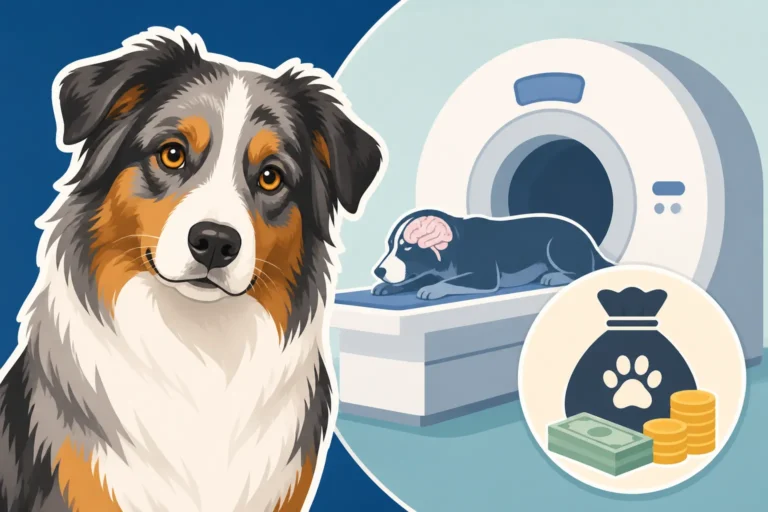
At its core, the MDR1 gene (which stands for Multi-Drug Resistance 1) is responsible for producing a protein called P-glycoprotein. Think of P-glycoprotein as a diligent bouncer at the exclusive club that is your dog's brain. Its job is to actively pump certain drugs and toxins out of brain cells and back into the bloodstream, effectively protecting the central nervous system from harmful substances. This crucial function forms part of what we call the "blood-brain barrier."
For an Australian Shepherd with a mutated MDR1 gene, this bouncer isn't doing its job properly. The genetic error means the P-glycoprotein is either dysfunctional or completely absent. When a drug that would normally be expelled by this protein enters the bloodstream, it can easily cross the compromised blood-brain barrier and accumulate in the brain. This buildup leads to neurotoxicity, causing a range of symptoms from tremors and disorientation to seizures, coma, and tragically, death. The severity of the reaction often depends on the specific drug, the dosage, and the individual dog's genetic status. You can learn more about What MDR1 Does Inside an Australian Shepherd Brain in detail.
How Australian Shepherds Inherit MDR1
The MDR1 mutation is inherited in what's called an autosomal recessive pattern. This might sound complicated, but it simply means that a dog needs to inherit two copies of the mutated gene – one from each parent – to be fully "affected" (M/M) and exhibit the highest risk of severe drug reactions. However, even Australian Shepherds who inherit just one copy of the mutated gene (M/N, or "carriers") can experience adverse reactions, although often less severe or only at higher drug dosages. They also, importantly, can pass the mutation on to their offspring.
This genetic quirk has become quite prevalent in Australian Shepherds, along with several other herding breeds like Collies, Shetland Sheepdogs, and Border Collies. It's believed to have spread widely through specific foundational lines within these breeds before the mutation was even identified. Because of its widespread nature, it's never safe to assume your Aussie is clear, even if their lineage is not explicitly known to have had issues. The only way to truly know your dog's status is through genetic testing, which we'll discuss later. Understanding the historical context of How MDR1 Spread Through Australian Shepherd Lines can give you even more insight into why this mutation is so common today.
Identifying Dangerous Preventive Medications for MDR1 Aussies
The biggest headache for Australian Shepherd owners with an MDR1-affected dog is navigating the minefield of everyday medications. Many common preventive treatments, especially those targeting parasites, contain active ingredients that can be toxic if your dog has the MDR1 mutation. It's not about avoiding all medications, but about knowing which ones are truly dangerous and which are safe to use.
Heartworm Preventatives
Heartworm disease is a serious threat, and prevention is absolutely non-negotiable for all dogs, including Australian Shepherds. The good news is that most monthly heartworm preventatives are generally considered safe for MDR1-affected Aussies, even though many contain macrocyclic lactones like ivermectin or milbemycin oxime. This often comes as a surprise to owners who have heard the warnings about ivermectin and MDR1.
The key lies in the dosage. The amount of ivermectin or other macrocyclic lactones present in standard, once-a-month heartworm preventatives is incredibly low – far below the threshold that typically causes toxicity in MDR1-affected dogs. For instance, a common preventative like Heartgard Plus uses a minuscule dose of ivermectin. It's the much higher doses of these drugs, often used to treat things like mites, intestinal worms, or other parasites, that pose the real danger. So, when your vet prescribes a standard heartworm chew, you can generally breathe a sigh of relief. If you’re curious about the specifics, you can dive deeper into Why Heartworm Doses Are Still Safe for an MDR1 Aussie to understand the science behind this critical distinction. Always discuss your specific product with your veterinarian, especially if you have concerns or your dog has an M/M (affected) result.
Flea and Tick Treatments
This is where things can get a bit trickier, as the landscape of flea and tick preventatives is vast and ever-changing, with many different active ingredients. Some flea and tick products contain macrocyclic lactones, similar to heartworm medications, but often at higher concentrations or in combinations that can be problematic for MDR1 Aussies. Others use different classes of chemicals that may or may not be safely metabolized by a dog with the mutation.
For example, certain older products containing ingredients like spinosad (e.g., in Comfortis) or some pyrethroids, especially in concentrated forms or in combination, have historically raised flags for MDR1 dogs. Conversely, many of the newer generation oral and topical flea and tick preventatives, such as those in the isoxazoline class (like Bravecto, NexGard, Simparica, and Credelio), are generally considered safe for MDR1-affected dogs. These drugs work differently by targeting the insect nervous system rather than relying on the P-glycoprotein pump for excretion from the brain. However, it's still absolutely crucial to verify with your vet and always double-check product information against your dog's MDR1 status. The list of The Flea Products Dangerous to an MDR1 Aussie can be extensive and changes as new medications come to market, so ongoing vigilance is key. Never apply or administer a product without confirming its safety for your specific dog.
Other Common Parasite Control
Beyond heartworm and flea/tick preventatives, Australian Shepherds with the MDR1 mutation can also be sensitive to other dewormers and medications used for various parasitic infections. For example, some deworming protocols involve higher doses of macrocyclic lactones, or other drugs like emodepside (used in products like Profender for cats, but sometimes misused off-label) that can be problematic.
Whenever your Australian Shepherd needs treatment for intestinal parasites, ear mites, or other less common parasitic infestations, it’s imperative to remind your veterinarian of their MDR1 status. They may need to select an alternative medication or adjust the dosage of a standard drug to ensure it's safe. It's not just about what you give your dog at home; any treatment administered at the vet's office, from an injection for giardia to a prescription for ear mites, needs to be vetted through the lens of their MDR1 status. This constant communication ensures that your Aussie receives effective treatment without risking a dangerous drug reaction.
Safe Alternatives and Management Strategies
Living with an MDR1-affected Australian Shepherd means being proactive and prepared. It’s not about fear, but about knowledge and careful management. Thankfully, there are many safe alternatives and robust strategies you can employ to ensure your Aussie stays protected from parasites and other health issues without compromising their well-being due to their genetic mutation.
Consulting Your Veterinarian
This cannot be stressed enough: your veterinarian is your primary partner in managing an MDR1-affected Australian Shepherd. They are the frontline defense and the most knowledgeable resource you have. The moment you confirm your Aussie's MDR1 status, or even suspect it, you need to have a detailed conversation with your vet. Many vets are highly aware of MDR1, especially if they practice in areas with high populations of herding breeds, but it's your responsibility as an owner to ensure they know your specific dog's status.
Bring your dog's test results with you to every appointment. Don't just mention it once; reiterate it for any new medication, procedure, or when seeing a new vet or specialist. For example, when your Aussie needs an anesthetic for a dental cleaning, or a painkiller after a minor injury, ensure they double-check the drug protocol. There's an entire list of The Drugs an MDR1 Australian Shepherd Cannot Take that extends far beyond just parasite control, including certain anesthetics, chemotherapy agents, and even anti-diarrheal medications like loperamide. A good practice is to ask for a printout of safe medications for your dog's specific MDR1 status, or confirm that your vet has it noted prominently in their chart. This open and consistent communication is the cornerstone of safe care.
Choosing Tested and Approved Products
The good news is that the veterinary pharmaceutical world is well aware of the MDR1 mutation, and many manufacturers explicitly test their products for safety in MDR1-affected dogs. This means there are numerous excellent, safe options for heartworm, flea, and tick prevention.
For heartworm, most products containing milbemycin oxime (e.g., Sentinel, Trifexis – though Trifexis also has spinosad which can be problematic for M/M dogs) or pyrantel are generally safe at standard preventive doses. Similarly, as mentioned, many of the newer isoxazoline-class flea and tick preventatives are widely considered safe. Always read labels carefully, but more importantly, rely on your vet's current recommendations. If you’re ordering medications online, platforms like Chewy often have product descriptions that might mention safety for MDR1 dogs, but still, verify with your vet first.
It's also worth considering pet insurance, like a plan from Healthy Paws, which can help cover unexpected veterinary costs, especially if a mistake happens or if your Aussie develops other health issues. While insurance generally doesn't cover pre-existing conditions like MDR1 itself, it can be invaluable for managing the ripple effects of potential drug reactions or ensuring you can afford the safest, albeit sometimes more expensive, alternatives if needed. Always check policy details regarding genetic conditions.
Non-Pharmacological Prevention Methods
While medications are often the most effective, combining them with non-pharmacological methods can offer an extra layer of protection and sometimes even reduce the reliance on chemical preventatives. For fleas and ticks, environmental control is crucial. Regularly vacuuming your home, especially carpets, pet bedding, and upholstered furniture, can remove flea eggs, larvae, and adult fleas. Washing pet bedding in hot water weekly is also very effective.
For those who live in areas with heavy tick populations, performing thorough tick checks after every outdoor excursion, especially after walks in tall grass or wooded areas, is paramount. You can also explore yard treatments that target fleas and ticks, but be mindful of the ingredients in these products as well, ensuring they are safe for your dog and other pets. Some owners also opt for ultrasonic pest repellents or dietary supplements, but it’s important to understand that the efficacy of these methods varies greatly and they should generally not be relied upon as the sole form of prevention. Remember, while these methods are helpful, they are usually supplementary to vet-recommended preventatives.
Navigating an MDR1 Diagnosis and Daily Life
Getting an MDR1 diagnosis for your Australian Shepherd isn't a life sentence, but it does mean a lifetime of informed decisions and careful attention. It's about empowering yourself with knowledge and building a robust support system around your dog's health.
Getting Your Australian Shepherd Tested
If you haven't already, the very first step in proactively managing MDR1 is to get your Australian Shepherd tested. This isn't just a "nice to know" piece of information; it's a critical safety measure. The testing process is remarkably simple and minimally invasive, usually involving a quick cheek swab that you can often perform at home or have your vet do. You can send these samples to specialized labs, such as Washington State University's Veterinary Clinical Pharmacology Lab (VCPL), which pioneered much of the research, or various reputable commercial DNA testing companies like Embark or Wisdom Panel. Many breeders already test their breeding stock, but even if your puppy's parents were tested, it’s a good idea to confirm your dog's individual status.
Once tested, you'll receive a result indicating your dog's genotype:
- N/N (Normal/Normal or Clear): Your Aussie has two normal copies of the gene and is not affected by MDR1.
- M/N (Mutant/Normal or Carrier): Your Aussie has one normal and one mutated copy. They may show sensitivity to certain drugs, especially at higher doses, and can pass the mutation to their offspring.
- M/M (Mutant/Mutant or Affected): Your Aussie has two mutated copies and is at high risk for severe reactions to problematic drugs.
Understanding Reading an Aussie MDR1 Result Line by Line is essential, as some reports may use different nomenclature, but the core meaning remains the same. This knowledge will guide every future medical decision.
Emergency Preparedness for MDR1 Aussies
Accidents happen, and in an emergency, quick action is vital. Imagine you're at an emergency vet clinic, and your regular vet isn't available. In such a high-stress situation, you need to ensure the attending vet is immediately aware of your Australian Shepherd's MDR1 status. It's heartbreaking to think of your dog receiving a life-threatening drug simply because of miscommunication.
To prevent this, prepare an "MDR1 Emergency Kit." This should include a laminated card or a clear note in your dog's carrier that prominently states "MDR1 Affected – Consult Drug List!" Attach a copy of your dog's genetic test results. Even better, consider investing in a special collar tag or an embroidered collar that clearly identifies your dog as MDR1-affected. Some tags even list the website for the WSU VCPL or a similar resource. You should also carry a printed list of common drugs that are dangerous for MDR1 dogs, and those that are generally safe. This proactive step can literally be a lifesaver. Knowing Emergency Vet Instructions for an MDR1 Australian Shepherd could make all the difference when seconds count.
Everyday Care Considerations
The MDR1 mutation isn't just about parasite control; it impacts a broader range of medications your Australian Shepherd might encounter throughout their life. From routine surgeries to unexpected illnesses, vigilance is required. For instance, certain anesthetics and sedatives, like acepromazine, might need dosage adjustments for MDR1-affected dogs. Even common anti-diarrheal medications or certain cancer treatments fall into the 'caution' category.
This means you need to be an active advocate for your Aussie's health. Whenever a new medication is prescribed or administered, don't hesitate to ask your vet, "Is this safe for an MDR1-affected dog?" or "Does this medication require a dosage adjustment for MDR1?" This proactive questioning creates a necessary safeguard. Beyond medication, providing a healthy lifestyle with proper nutrition, perhaps with balanced fresh food options like those offered by Ollie, can support overall health and potentially reduce the need for certain medications in the long run. By staying informed and consistently communicating with all pet care providers, you can ensure your Australian Shepherd lives a long, healthy, and reaction-free life, despite their genetic predisposition.
Common Preventive Medications and MDR1 Safety
Here’s a quick overview of common preventive medication types and their general safety for Australian Shepherds with the MDR1 mutation. Always confirm with your veterinarian and refer to your dog's specific test results before administering any medication.
| Medication Type | Common Active Ingredients | General MDR1 Safety | Notes |
|---|---|---|---|
| — | — | — | — to "The Australian Shepherd is a really common breed in the United States, yet many owners still feel left in the dark about how to deal with the tricky and often frightening reality of the MDR1 gene mutation. This genetic vulnerability means certain commonplace medications, often prescribed as preventatives, can actually be toxic for your loyal companion. This guide will walk you through everything you need to know about preventing dangerous drug interactions, ensuring your Australian Shepherd stays healthy and thriving." |
The MDR1 Gene: A Critical Look for Australian Shepherd Owners
The MDR1 gene mutation, while not unique to Australian Shepherds, is a particularly prevalent and concerning issue within the breed. It’s not an illness in itself, but a genetic predisposition that makes your beloved Aussie susceptible to serious adverse reactions to common veterinary drugs. Understanding what this gene does and how it's inherited is fundamental to keeping your dog safe and well.
How the MDR1 Gene Works in Your Aussie's Body
Imagine your dog’s brain as a fortress, protected by a highly selective gate known as the blood-brain barrier. In dogs with a healthy MDR1 gene, this barrier is equipped with special proteins, specifically P-glycoprotein, that act as vigilant guards. Their job is to actively pump out various drugs and toxins that might try to sneak into the brain, effectively protecting the sensitive central nervous system from harm. These guards are constantly working, ensuring that only necessary substances pass through, while potentially dangerous ones are ejected.
For Australian Shepherds carrying the mutated MDR1 gene, this crucial defense mechanism is compromised. The genetic error means that the P-glycoprotein either isn't produced correctly, or it's completely missing. When certain drugs, which would normally be escorted out of the brain by P-glycoprotein, enter the system of an MDR1-affected Aussie, they encounter no resistance. Instead of being pumped out, these drugs accumulate in the brain at toxic levels. This buildup can lead to a range of severe neurological symptoms, including tremors, blindness, disorientation, seizures, coma, and even death. The severity of the reaction is a terrifying roll of the dice, influenced by the specific drug, the dosage, and the dog’s individual genetic makeup. It's a silent threat that emphasizes why early knowledge and constant vigilance are so important.
Unpacking MDR1 Inheritance: Clear, Carrier, or Affected?
The MDR1 mutation is passed down through what scientists call an autosomal recessive inheritance pattern. In simpler terms, this means that for an Australian Shepherd to be fully "affected" (often labeled M/M or homozygous mutant), they must inherit one mutated copy of the gene from each parent. These M/M dogs are at the highest risk for severe and potentially fatal drug reactions because they completely lack the functional P-glycoprotein.
However, the picture isn't always so clear-cut. Dogs that inherit only one copy of the mutated gene (M/N or heterozygous carrier) are also important to consider. While they may have some functional P-glycoprotein, their system is still compromised compared to a "clear" dog (N/N or homozygous normal). Carrier Aussies can still experience adverse reactions, especially if given higher doses of problematic drugs or when multiple drugs are administered concurrently. They can also, critically, pass on the mutated gene to their puppies, contributing to the continued prevalence of MDR1 in the breed. This widespread genetic issue underscores why reliable testing is non-negotiable for any Australian Shepherd owner. You can learn much more about The Genetic Panel Every Australian Shepherd Needs to cover this and other vital health screenings.
Essential Preventive Medications and MDR1 Considerations
Navigating the world of preventive medications with an Australian Shepherd, particularly one with an MDR1 mutation, can feel like walking a tightrope. These medications are vital for your dog's health, protecting them from dangerous parasites, but selecting the right ones requires careful consideration to avoid harmful drug interactions.
Heartworm Preventatives: Generally Safe, But Vigilance is Key
Heartworm disease is a deadly threat, and consistent prevention is absolutely non-negotiable for every Australian Shepherd, regardless of their MDR1 status. This often leads to a common point of confusion and worry for owners, as many heartworm preventatives contain drugs like ivermectin or milbemycin oxime, which are on the list of problematic MDR1 medications. However, there's a crucial distinction to understand.
The vast majority of monthly heartworm preventatives, such as Heartgard Plus, Interceptor Plus, or Tri-Heart Plus, use extremely low doses of these macrocyclic lactones. These dosages are specifically formulated to be effective against heartworm larvae but are generally well below the threshold that causes neurotoxicity in even fully MDR1-affected (M/M) Australian Shepherds. So, while the active ingredient might sound alarming, the concentration is typically safe. It’s the much higher doses of these drugs, often prescribed for treating other parasites like mites or severe intestinal worm burdens, that pose a significant danger. Always confirm the specific product and dosage with your veterinarian, explaining your Aussie’s MDR1 status. This will alleviate your worries and ensure your dog is protected without risk. If you're looking for more peace of mind, we have a detailed piece on Why Heartworm Doses Are Still Safe for an MDR1 Aussie that explains the science behind these low-dose medications.
Flea and Tick Treatments: A Landscape of Choices and Cautions
The world of flea and tick preventatives is constantly evolving, with a wide array of active ingredients and formulations. This means that unlike heartworm medications, the safety profile for MDR1 Aussies can vary significantly between products. Some ingredients are problematic, while others are generally considered safe.
Historically, certain older systemic treatments containing spinosad (e.g., in Comfortis or Trifexis) or some concentrated pyrethroids in topical products have been a concern for MDR1-affected dogs, especially those that are M/M. These ingredients can interact negatively with the compromised P-glycoprotein pump. On the brighter side, many of the newer oral flea and tick preventatives, which belong to the isoxazoline class (think Bravecto, NexGard, Simparica, and Credelio), are widely accepted as safe for MDR1 Australian Shepherds. These drugs work by targeting specific receptors in insects, and their metabolism and excretion pathway doesn't typically rely on the MDR1 gene's function in a way that causes toxicity in dogs. However, even with these generally safe options, it is absolutely essential to speak with your veterinarian, verify your dog's MDR1 status, and carefully review the product information. Never make assumptions; always prioritize confirming safety. For a deeper dive into the specific ingredients to watch out for, our article on The Flea Products Dangerous to an MDR1 Aussie offers critical insights.
Other Parasite Control and Routine Medications
The precautions for MDR1 Australian Shepherds extend beyond just monthly preventatives. Any medication used to control parasites, or for that matter, any drug administered for other health issues, must be considered with your dog’s MDR1 status in mind. For instance, specific dewormers, especially those used for stubborn infections or in higher-than-usual doses, might contain macrocyclic lactones or other drugs that are poorly tolerated by MDR1-affected Aussies.
It’s not just about what you give at home. If your Australian Shepherd requires treatment for an ear infection, a skin issue, or needs medication during or after surgery, the attending veterinarian or specialist must be made aware of their MDR1 status. Drugs like certain anesthetics, tranquilizers (e.g., acepromazine), anti-diarrheals (like loperamide), and even some chemotherapy drugs are known to be problematic for MDR1-affected dogs. This constant need for vigilance means you become the primary advocate for your dog's safety. Always keep a comprehensive list of medications to avoid, and never hesitate to ask detailed questions about any new prescription or treatment your Aussie might need. This diligent approach ensures that their unique genetic makeup is always considered in their treatment plan.
Proactive Strategies for MDR1 Management
An MDR1 diagnosis, or even the possibility of it, can feel overwhelming. But it doesn't have to be. By adopting proactive strategies, from thorough testing to careful communication, you can confidently manage your Australian Shepherd's health and minimize the risks associated with the MDR1 gene mutation.
The Absolute Necessity of Genetic Testing
For any Australian Shepherd owner, getting your dog genetically tested for the MDR1 mutation isn't just a recommendation – it's a critical act of responsible pet ownership. Assuming your dog is "clear" because their parents were tested, or simply because you haven't seen any issues, is a dangerous gamble. The testing process itself is incredibly simple and non-invasive: usually, a quick and painless cheek swab is all that's needed. You can often order kits directly from reputable genetic testing companies like Embark or Wisdom Panel, or your veterinarian can perform the swab and send it to a specialized lab, such as the Veterinary Clinical Pharmacology Lab (VCPL) at Washington State University, which has been at the forefront of MDR1 research.
The results you receive will clearly indicate whether your Aussie is N/N (clear), M/N (a carrier), or M/M (affected). This information is your roadmap for all future medical decisions. It eliminates guesswork and provides concrete data to share with every veterinarian, specialist, or groomer your dog encounters. Understanding The Cheek Swab That Tests Australian Shepherd MDR1 will guide you through the straightforward process of getting this vital information. This simple test is the single most important step you can take to safeguard your Australian Shepherd from potentially fatal drug reactions.
Empowering Your Vet: Communication is Key
Once you have your Australian Shepherd's MDR1 test results, your next crucial step is to ensure your veterinarian is fully informed and has this information prominently recorded in your dog's medical file. Don't assume they already know or will remember – even the best vets see many patients daily. At every single veterinary appointment, for every new medication, and especially if you're seeing a new vet or an emergency vet, verbally remind them of your Aussie's MDR1 status.
Carry a physical copy of your dog's test results with you to appointments, and perhaps even have a digital copy easily accessible on your phone. A fantastic preventative measure is to ask your vet to flag your Aussie’s chart so that an MDR1 warning appears prominently whenever a medication is considered. This level of communication is critical, as many medications beyond just parasite control can be problematic, including certain sedatives, pain relievers, and even anti-emetics. Our detailed guide on Telling Your Vet an Australian Shepherd Is MDR1 Positive provides actionable steps and conversation starters to make this process seamless and effective. By being your dog's strongest advocate, you create a vital safety net against adverse drug reactions.
Emergency Preparedness: When Every Second Counts
Even with the best planning and communication with your regular vet, emergencies can happen when you least expect them – perhaps on a weekend, late at night, or while traveling. In these situations, your Australian Shepherd might be seen by an unfamiliar veterinarian or team who doesn't know their medical history. This is where emergency preparedness becomes absolutely vital for an MDR1-affected Aussie.
Create an emergency information packet: a brightly colored card or laminated sheet that clearly states "MDR1 AFFECTED!" Include your dog's name, your contact information, your regular vet's contact information, and a concise list of the most critical drugs to avoid. Keep this packet in your car, with your dog's leash, and attach a copy to their collar or harness. You can also get specialized tags that say "MDR1 POSITIVE" or "MDR1 SENSITIVE" to immediately alert anyone handling your dog. This immediate, visible alert can prevent accidental administration of a dangerous drug in a chaotic emergency situation. It truly could be the difference between life and death. Knowing exactly what to do for Emergency Vet Instructions for an MDR1 Australian Shepherd can reduce panic and ensure your dog gets the safest care possible.
Living a Full Life with an MDR1 Australian Shepherd
An MDR1 diagnosis might add a layer of complexity to your Australian Shepherd’s care, but it absolutely doesn't mean a diminished quality of life. With awareness and proactive management, your Aussie can enjoy a vibrant, healthy existence.
Beyond Preventatives: Other Medication Considerations
While preventive medications are often the first thing people think of with MDR1, the reality is that the mutation impacts a much broader spectrum of drugs your Australian Shepherd might need throughout their life. From minor injuries to more serious health conditions, almost any prescription or over-the-counter medication warrants a careful check. For example, some anti-inflammatory drugs, certain anti-cancer medications, and even basic sedatives or anesthetics used for routine procedures like dental cleanings or minor surgeries, can be problematic. This is why the comprehensive discussion with your vet about all potential drugs is so critical.
Imagine your Aussie developing a common ailment, like a bout of diarrhea. A human reflex might be to grab an over-the-counter anti-diarrheal like Imodium (loperamide), which is commonly found in most homes. However, loperamide is a known MDR1 problematic drug because it too relies on the P-glycoprotein pump. If given to an MDR1-affected dog, it can cross into the brain and cause severe neurological signs. This highlights why every medication, even those you might not consider "major," needs to be vetted. Your ongoing vigilance and communication with your vet are the most powerful tools you have to protect your Australian Shepherd from an accidental drug reaction.
The Power of Dietary Support and Overall Wellness
While an MDR1 mutation is a genetic reality that cannot be cured, supporting your Australian Shepherd’s overall health and immune system through excellent nutrition and lifestyle choices can be beneficial. A strong, healthy body is generally better equipped to handle any challenge, including navigating medication sensitivities. Providing a balanced, high-quality diet tailored to your Aussie’s activity level and age ensures they receive all the necessary nutrients for optimal organ function, a healthy immune response, and overall vitality.
Consider fresh food options, like those from Ollie, which prioritize whole, human-grade ingredients, often with fewer fillers or artificial additives that might stress a sensitive system. While diet won't "fix" MDR1, minimizing potential inflammatory ingredients and ensuring robust nutrient intake can contribute to a stronger baseline of health. Regular exercise tailored to your Aussie’s specific needs, mental enrichment activities, and consistent preventive care (like dental cleanings and regular vet check-ups, always with MDR1 in mind) are all part of a holistic approach. This comprehensive care helps reduce the likelihood of illnesses that might require problematic medications in the first place, allowing your MDR1 Australian Shepherd to thrive.
Advocating for Your Aussie: A Lifelong Commitment
Living with an MDR1-affected Australian Shepherd means taking on the role of their most important health advocate for their entire life. It’s a responsibility that requires ongoing education, attention to detail, and confident communication with veterinary professionals. As new medications emerge, or as your Aussie ages and develops new health needs, you’ll need to remain informed and proactive.
Don’t be afraid to ask questions, even if you feel like you're asking the same thing repeatedly. A good vet will appreciate your diligence and commitment to your dog's safety. Keep a file with all your Aussie's medical records, including their MDR1 test results, vaccination history, and a list of all current medications. This comprehensive record will be invaluable in any situation, from routine visits to emergencies or when consulting a specialist. By being vigilant, informed, and communicative, you can ensure your Australian Shepherd lives a long, happy, and reaction-free life, enjoying all the adventures and companionship they were bred for.
Disclaimer
The information provided in this article is for general informational purposes only and does not constitute veterinary medical advice. Always consult with a qualified veterinarian for any health concerns or before making any decisions about your Australian Shepherd's medical care, especially regarding medications and their MDR1 status. Drug safety information can change, and individual dogs may react differently.