Saving Ahead of an Aussie Hip Surgery
Finding out your beloved Australian Shepherd might need hip surgery can feel like a punch to the gut. The immediate worry isn't just for their comfort and future mobility, but often, the sheer financial weight of such a procedure. It’s a terrifying prospect, staring down potential vet bills that can easily reach into the thousands, leaving many owners feeling overwhelmed and desperate for a way to make it work. This guide is here to walk you through understanding these costs, exploring genuine saving strategies, and preparing for the financial realities of Australian Shepherd hip surgery.
Understanding Australian Shepherd Hip Dysplasia
Hip dysplasia is a disheartening condition that many Australian Shepherd owners become all too familiar with. It's not just a fancy medical term; it's a structural abnormality in the hip joint that can cause significant pain and impact your dog's quality of life. Understanding what it is and why Aussies are prone to it is the first step in preparing for potential treatment.
What Hip Dysplasia Actually Is
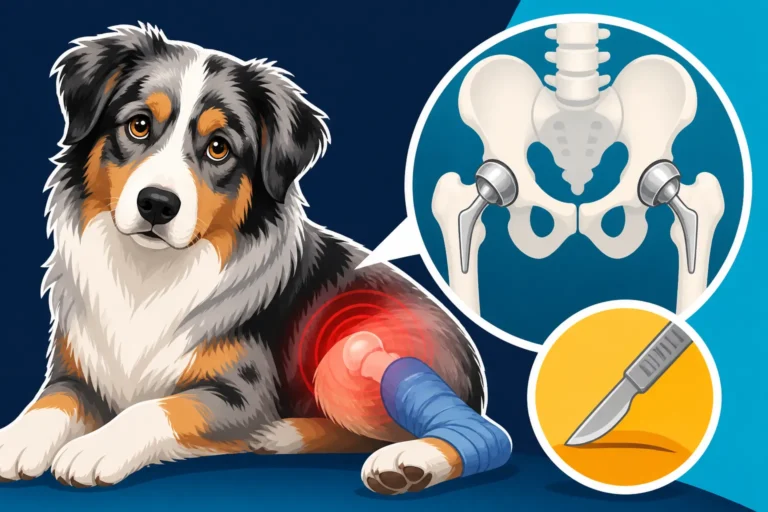
At its core, hip dysplasia is a malformation of the hip joint, where the ball (the femoral head) and socket (the acetabulum) don't fit together perfectly. Instead of a smooth, congruent fit that allows for fluid movement, there's a looseness or laxity. Over time, this abnormal friction and movement cause the cartilage to wear down, leading to inflammation, pain, and eventually, degenerative joint disease or osteoarthritis. It’s a progressive condition, meaning it often gets worse over time if left unmanaged.
Imagine a door hinge that's loose and rusty; it squeaks, it grinds, and eventually, it might seize up entirely. That's essentially what happens with a dysplastic hip, but with constant discomfort for your furry friend. The degree of laxity can vary widely, from mild cases that might only cause discomfort after intense exercise to severe malformations that lead to debilitating lameness at a young age. Early detection is really crucial here because interventions can often slow the progression and improve comfort.
Why Aussies Are Prone to This Condition
It’s a cruel irony that such an active, athletic breed like the Australian Shepherd is particularly susceptible to a joint condition like hip dysplasia. Their genetics play a huge role, making it one of the most common inherited orthopedic diseases in the breed. While responsible breeders actively screen their breeding dogs through evaluations like those from the Orthopedic Foundation for Animals (OFA) or PennHIP, the genes for hip dysplasia can be complex and sometimes skip generations, meaning even pups from well-screened parents aren't entirely immune. You might find it useful to delve into topics like Australian Shepherd Hip Dysplasia and OFA Scoring to understand the nuances of genetic screening.
Beyond genetics, environmental factors can exacerbate the inherited predisposition. Rapid growth in puppies, excessive or inappropriate exercise during critical developmental stages, poor nutrition, and even maintaining an unhealthy weight can all contribute to the expression or severity of hip dysplasia. For instance, allowing a young Aussie puppy to jump excessively off furniture or engage in high-impact activities before their growth plates have closed can put undue stress on developing joints. It’s a delicate balance, trying to provide enough exercise for a high-energy breed without overdoing it.
Recognizing the Early Signs
Catching hip dysplasia early can make a significant difference in managing the condition and planning for potential surgery. Many owners, especially those with their first Aussie, might miss the subtle signs. They're often attributed to a "growth spurt" or just a puppy being clumsy. However, watch for a reluctance to run, jump, or climb stairs, a decrease in activity levels, or a general stiffness, particularly after resting or in the morning.
Another common sign is a "bunny hopping" gait, where your Aussie uses both back legs together when running, almost like a rabbit. You might also notice lameness in one or both hind legs, a swaying gait, or a change in how they sit (sometimes called a "lazy sit," with one leg splayed out). They might yelp or show discomfort when their hips are touched, or even exhibit behavioral changes due to chronic pain. Don't dismiss these signs; they are your dog trying to tell you something. If you see any of these, a vet visit is paramount to get a proper diagnosis. You can learn more about Australian Shepherd Hip Dysplasia Symptoms Before Two for detailed insights.
The True Cost of Aussie Hip Surgery
When you hear "hip surgery," it's easy to just think of one big number. But the reality is that the total cost is a mosaic of different procedures, consultations, medications, and rehabilitation. Breaking down the expenses can help you understand what you're truly saving for. These procedures vary greatly, from a relatively simple FHO to the more complex and costly Total Hip Replacement (THR).
Pre-Surgical Diagnostics
Before any talk of surgery, your vet needs to confirm the diagnosis and assess the severity. This initial phase involves several diagnostic tests. It usually starts with a thorough physical examination, where your vet will manipulate your dog's hips to check for pain, laxity, and range of motion. Following this, radiographs (X-rays) are essential. These X-rays often require sedation to get clear, accurate images, adding to the cost. The vet will look for signs of subluxation (partial dislocation), degenerative changes, and the overall structure of the hip joint.
A specialist consultation with a board-certified veterinary orthopedic surgeon might be recommended, especially for complex cases or to discuss surgical options. These consultations typically involve their own fees, as you're paying for specialized expertise and their time. Additionally, before any surgery, your Aussie will need pre-operative blood work to ensure they are healthy enough to undergo anesthesia and surgery, checking organ function and blood clotting abilities. All these steps, while vital, can quickly accumulate costs ranging from a few hundred to over a thousand dollars before a single incision is even made.
The Surgery Itself
The cost of the actual hip surgery varies dramatically depending on the specific procedure recommended, the surgeon's fees, and your geographic location. There are generally three main surgical options for hip dysplasia:
- Femoral Head Ostectomy (FHO): This procedure involves removing the head of the femur (the ball of the hip joint). The body then forms a "false joint" with scar tissue. It's typically recommended for smaller dogs or those with less severe disease, and it's generally the least expensive surgical option, often ranging from $1,500 to $3,500 per hip.
- Triple Pelvic Osteotomy (TPO) / Double Pelvic Osteotomy (DPO): These procedures are usually performed on younger dogs (under 10-12 months) before significant osteoarthritis has developed. The pelvis is cut in several places and rotated to improve the fit of the femoral head in the socket. These are more invasive and costly, often between $3,000 to $6,000 per hip.
- Total Hip Replacement (THR): This is considered the "gold standard" and involves replacing both the ball and socket with prosthetic implants, much like in humans. It offers the best chance for full, pain-free mobility but is also the most complex and expensive option, frequently costing $6,000 to $9,000 per hip, or even more in some metropolitan areas.
It's important to remember that these figures are per hip. If your Australian Shepherd has bilateral hip dysplasia, meaning both hips are affected, the cost can easily double. This is why many owners are looking at figures that make Aussie Vet Bills Between $15,000 and $40,000 a very real possibility, especially if complications arise or multiple surgeries are needed over their lifetime.
Post-Operative Care and Rehabilitation
The surgery isn't the finish line; it's just the beginning of a long recovery journey. Post-operative care and rehabilitation are crucial for a successful outcome and can add a significant chunk to your total expenses. Immediately after surgery, your Aussie will need pain medication, anti-inflammatory drugs, and possibly antibiotics, which will be prescribed for several weeks. Follow-up vet visits, typically involving bandage changes, staple removal, and checking healing progress, are also part of this phase.
Beyond immediate medication, rehabilitation therapy is often recommended, especially after a THR, to rebuild muscle strength, restore range of motion, and ensure proper healing. This can include hydrotherapy (swimming or underwater treadmill), therapeutic exercises, massage, and even cold laser therapy. A full rehabilitation program can last several months and involve multiple sessions per week, with each session costing anywhere from $50 to $150. You might also need special equipment, such as harnesses for support, orthopedic beds, or ramps, which you can often find through online retailers like Chewy or your local pet supply store. This entire recovery period, including medications and physical therapy, can add another $1,000 to $5,000 or more to the overall cost, depending on the intensity and duration of the program.
Here's a simplified breakdown of potential costs for a single hip, recognizing these are broad averages and can vary greatly:
| Cost Category | FHO (per hip) | TPO/DPO (per hip) | THR (per hip) |
|---|---|---|---|
| Pre-Surgical Diagnostics | $500 – $1,000 | $500 – $1,000 | $500 – $1,000 |
| Surgical Procedure | $1,500 – $3,500 | $3,000 – $6,000 | $6,000 – $9,000 |
| Post-Op Meds & Follow-ups | $200 – $500 | $300 – $700 | $400 – $1,000 |
| Rehabilitation Therapy (Months) | $500 – $2,000 | $1,000 – $3,000 | $2,000 – $5,000 |
| Estimated Total (per hip) | $2,700 – $7,000 | $4,800 – $10,700 | $8,900 – $16,000 |
Financial Planning and Savings Strategies
Faced with these daunting figures, it’s easy to feel defeated. But proactive financial planning and smart saving strategies can make a significant difference. It's about empowering yourself to provide the best care for your Australian Shepherd without plunging into overwhelming debt.
Setting Up a Dedicated Pet Savings Account
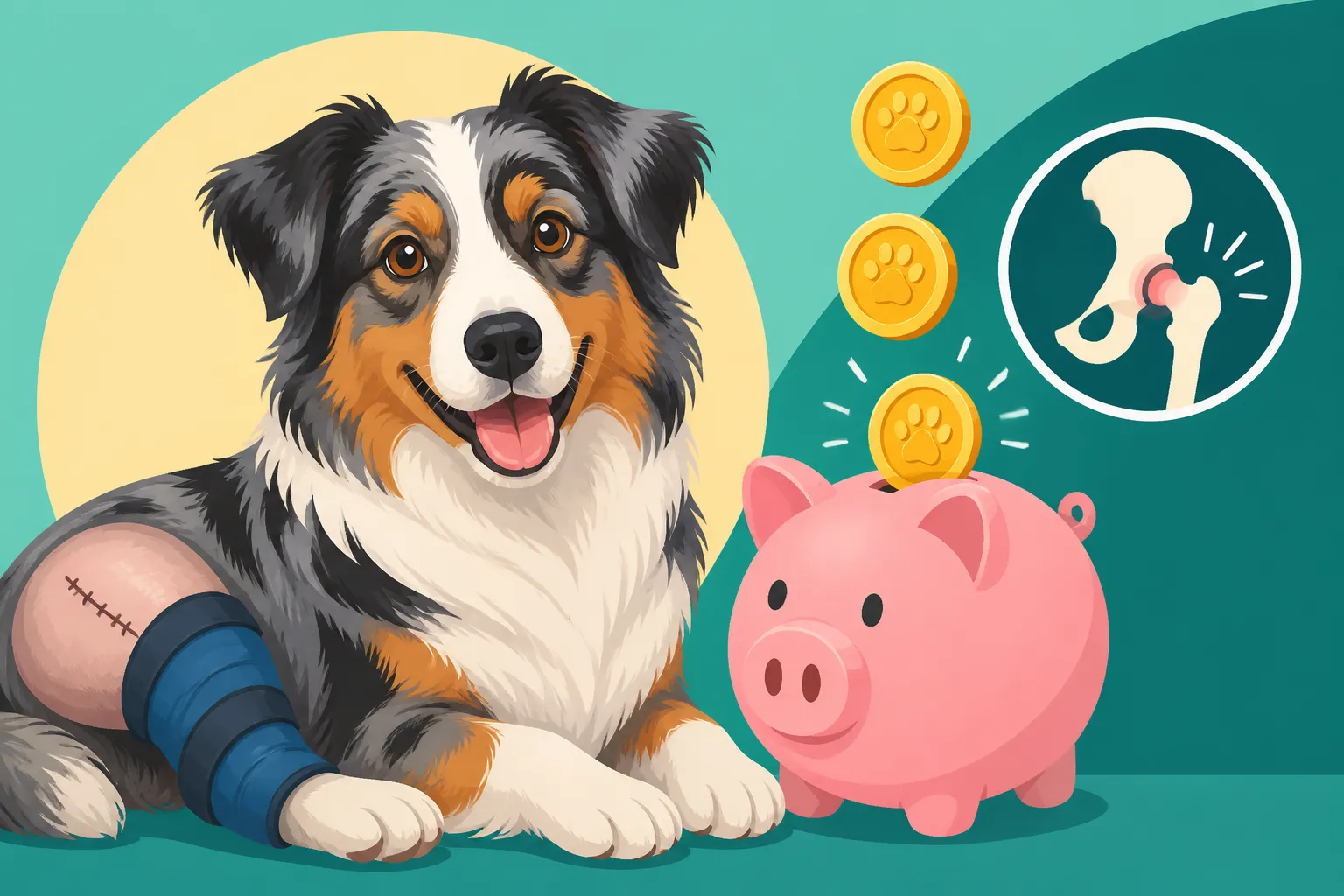
One of the most straightforward and effective strategies is to set up a dedicated savings account specifically for your dog's potential medical needs. This isn't just for hip surgery; it's for any unexpected illness or injury that might arise during their lifetime. Treat it like a separate emergency fund, just for your Aussie. Many banks allow you to easily create sub-accounts or separate savings accounts online, often with no additional fees.
The key is consistency. Even if you can only put away a small amount each week or month, it will accumulate over time. Think about redirecting funds from less critical expenses – perhaps skipping a few takeout meals, brewing coffee at home, or cutting back on impulse purchases. If you have an Aussie puppy, starting this habit early means you have years for the fund to grow before orthopedic issues typically manifest. Even if your Aussie is older, every little bit helps. The peace of mind that comes with knowing you have a financial cushion for your beloved companion is invaluable.
Budgeting for Unexpected Vet Expenses
Beyond a dedicated savings account, it’s wise to integrate potential emergency vet costs into your overall household budget. This means taking a hard look at your current spending and identifying areas where you can trim back. Could you save on your own groceries by meal prepping? Are there subscriptions you rarely use that you could cancel? This isn’t about deprivation, but about prioritization. Your Aussie's health is a priority.
Consider the ongoing costs of owning an Australian Shepherd. They need good quality food, regular grooming, and preventive medications. Ensuring your Aussie is on a high-quality, balanced diet can support overall health, including joint health, and perhaps even delay the onset of some issues. Brands like Ollie offer fresh, human-grade food that some owners choose for its perceived health benefits. Reducing unnecessary expenses in other areas can free up funds to either save or directly contribute to any unexpected veterinary bills. Remember, budgeting is a marathon, not a sprint, and consistency is key to seeing real results.
Pet Insurance as a Safety Net
For many Australian Shepherd owners, pet insurance can feel like a financial lifeline, especially when faced with the potential for costly procedures like hip surgery. It's not a magic bullet, but it can significantly reduce the out-of-pocket burden, provided you choose the right policy and understand its limitations.
Choosing the Right Policy for Orthopedic Issues
When shopping for pet insurance, it’s crucial to scrutinize policies specifically for their coverage of orthopedic conditions like hip dysplasia. Not all policies are created equal, and the fine print can make a huge difference. Look for plans that cover hereditary and congenital conditions, as hip dysplasia often falls into these categories. Pay close attention to waiting periods for orthopedic issues, which can sometimes be longer than for other accidents or illnesses. Some insurers might have a 6-month or even 12-month waiting period specifically for hip dysplasia to prevent people from signing up only when they suspect a problem.
Compare deductibles, reimbursement percentages, and annual limits. A higher deductible will mean lower monthly premiums but more out-of-pocket cost before coverage kicks in. Reimbursement percentages (e.g., 70%, 80%, 90%) dictate how much of the covered vet bill the insurer will pay. An annual limit sets the maximum amount the policy will pay out in a given year. Companies like Healthy Paws are often highly rated for comprehensive coverage that includes hereditary conditions, making them a popular choice for breeds like Australian Shepherds prone to specific health issues. It's always a good idea to get quotes from multiple providers and read customer reviews, especially those from owners of similar breeds. Understanding Australian Shepherd Insurance at $35 to $55 a Month is a good starting point for budgeting.
Pre-Existing Conditions and Waiting Periods
This is often where pet insurance can get tricky and cause significant frustration for owners. Almost universally, pet insurance policies do not cover pre-existing conditions. A pre-existing condition is any illness or injury that your pet showed signs of before your policy's enrollment date or during its waiting periods. If your Australian Shepherd shows any lameness, stiffness, or other symptoms of hip dysplasia before you purchase a policy, or within the waiting period, that condition will likely be excluded from coverage.
This is why enrolling your Australian Shepherd in pet insurance as a young puppy, ideally before any signs of illness emerge, is highly recommended. For hip dysplasia, there’s usually a specific waiting period that can be longer than general accident/illness waiting periods. Some policies might also require an orthopedic exam or a waiver for hip dysplasia coverage after a certain age or if there’s a history of lameness. Be honest about your pet's medical history when applying, as any misrepresentation could void your policy when you need it most. You might want to consider Enrolling an Australian Shepherd Before Age One to maximize your coverage options.
Alternative and Conservative Management Costs
While surgery offers the most definitive solution for severe hip dysplasia, it's not always the first or only option. For some Australian Shepherds, especially those with milder forms of the disease or if surgery is not feasible, conservative management can provide significant relief and quality of life. However, even these approaches come with their own set of ongoing costs.
Non-Surgical Treatment Options
Conservative management focuses on reducing pain, minimizing inflammation, and improving joint function without invasive procedures. This often involves a multi-modal approach:
- Medication: Non-steroidal anti-inflammatory drugs (NSAIDs) are commonly prescribed to manage pain and inflammation. Other pain relievers or joint supplements, such as glucosamine, chondroitin, and omega-3 fatty acids, can also be beneficial in supporting joint health and reducing inflammation. These medications and supplements represent an ongoing monthly expense.
- Weight Management: Maintaining a lean body weight is absolutely critical. Excess weight puts significantly more stress on compromised joints, exacerbating pain and accelerating degeneration. This means careful portion control and choosing appropriate low-calorie treats.
- Controlled Exercise: High-impact activities should be replaced with controlled, low-impact exercise like swimming, leash walks, and short, frequent play sessions. The goal is to build muscle around the hip joint for support without causing further damage or pain.
- Physical Therapy and Rehabilitation: Similar to post-surgical rehab, these therapies can be invaluable for conservative management. They help improve muscle strength, flexibility, and overall mobility.
These non-surgical options don’t have a single "cost" like surgery, but rather represent consistent, recurring expenses. For an Australian Shepherd experiencing chronic joint pain, these monthly costs for medication, supplements, and occasional physical therapy sessions can easily add up to $100-$300 or more each month, indefinitely. This long-term financial commitment needs to be factored into your budget. You can learn more about Starting Joint Support on a Young Working Aussie as a proactive measure.
Quality of Life Considerations
Deciding between surgery and conservative management, or simply managing progressive hip dysplasia, isn't just a financial decision; it's deeply tied to your Australian Shepherd's quality of life. For some dogs, conservative management might keep them comfortable and active for many years, offering a good quality of life. For others, especially those with severe dysplasia, persistent pain despite medication might mean surgery is truly the kindest option.
The decision often involves balancing the pain your dog is experiencing, their overall health, your financial capacity, and the recommendations of your veterinary team. It's a heavy burden, weighing the best interests of your beloved companion. Sometimes, the frustration comes from knowing what could be done, but feeling limited by what can be afforded. Open and honest conversations with your vet about prognoses, costs, and quality of life expectations for each treatment path are essential. It's not just about treating the disease, but about ensuring your Aussie can enjoy their life as much as possible, whether they're a working dog or a cherished family companion. This often leads to difficult discussions, sometimes about Deciding for an Australian Shepherd at Fourteen when faced with compounding health issues in their senior years.
The Emotional and Logistical Burden
Beyond the sheer financial strain, facing Australian Shepherd hip surgery carries a significant emotional and logistical burden. It's not just about writing checks; it's about the time, stress, and dedication required to navigate this challenging journey with your furry family member.
Time Commitment for Recovery and Care
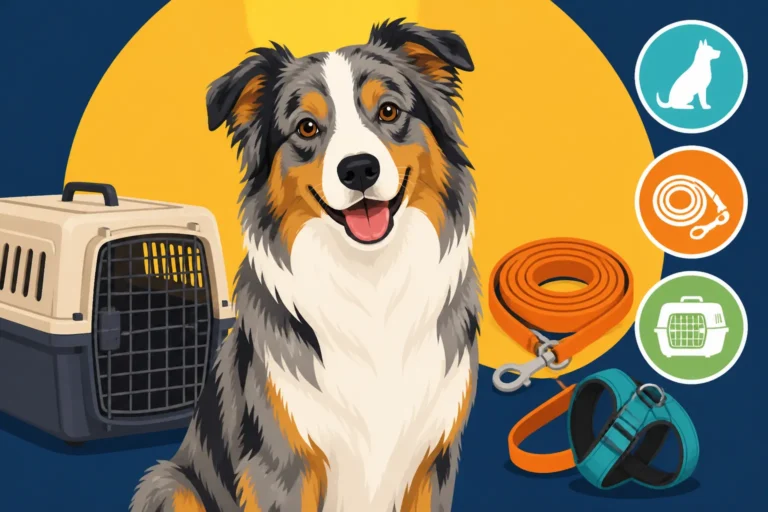
The recovery period for hip surgery, especially total hip replacement, is extensive and demands a substantial time commitment from you. Your Australian Shepherd will need strict activity restriction for weeks, sometimes months, which means no running, jumping, or even unsupervised movement. This often requires crating your dog or keeping them confined to a small, safe area. Leash walks for bathroom breaks will be slow and carefully controlled, often with the aid of a sling or harness.
If your Aussie typically thrives on rigorous exercise and mental stimulation, this period of forced rest can be incredibly challenging for both of you. You'll need to find creative ways to keep their minds engaged without putting stress on their recovering joint, such as puzzle feeders, scent games, or gentle trick training. Attending physical therapy appointments, administering medications on schedule, and simply being present to monitor their progress and comfort takes a lot of time and patience. For working individuals or families, this can mean taking time off work, adjusting schedules, or enlisting the help of friends or family.
Stress and Worry for Your Aussie's Future
The emotional toll of watching your active Australian Shepherd suffer from hip dysplasia, and then undergo major surgery, cannot be overstated. There's the worry about the surgery itself – the risks of anesthesia, potential complications, and whether it will truly be successful in alleviating their pain. You'll likely spend countless hours researching, questioning, and hoping for the best outcome. The stress of managing their pain, keeping them comfortable, and preventing them from re-injuring themselves during recovery is constant.
Beyond the immediate recovery, there's the long-term anxiety about their future mobility and quality of life. Will they be able to hike with you again? Will they be able to play fetch without discomfort? Will they develop arthritis in their other joints? These are the real, raw fears that Australian Shepherd owners grapple with. It’s a profound testament to the bond we share with our dogs, and recognizing these feelings is important for your own well-being during this tough time. Coping with something like An Aussie Stiff After a Career in Agility highlights the bittersweet reality of these athletic dogs nearing their physical limits.
Disclaimer
The information provided in this article is for general informational purposes only and does not constitute veterinary advice. Always consult with a qualified veterinarian or veterinary specialist for any medical concerns or before making any decisions about your Australian Shepherd's health or treatment plan. Costs are estimates and can vary significantly based on location, specific veterinary practice, and individual patient needs.