Deciding for an Australian Shepherd at Fourteen
The moment you realize your once tireless Australian Shepherd, who used to herd dust bunnies with the intensity of a working sheepdog, is truly slowing down, can hit you like a ton of bricks. It’s a gut-wrenching realization, and when your beloved companion hits fourteen, the decisions you face can feel overwhelming and fraught with guilt. This guide aims to walk you through recognizing the signs, assessing their quality of life, and navigating the difficult choices that come with the final chapters of your Aussie’s journey.
Recognizing the Subtle Signs of Decline in an Aging Aussie
It's easy to miss the gradual changes in a senior Australian Shepherd, especially when they've always been so full of life and energy. Aussies are incredibly stoic, often masking discomfort, which makes it even harder for us, their devoted human companions, to truly gauge how they're feeling. But at fourteen, the physical and behavioral shifts become more pronounced, and it's our responsibility to observe them closely.
Physical Changes That Indicate Discomfort
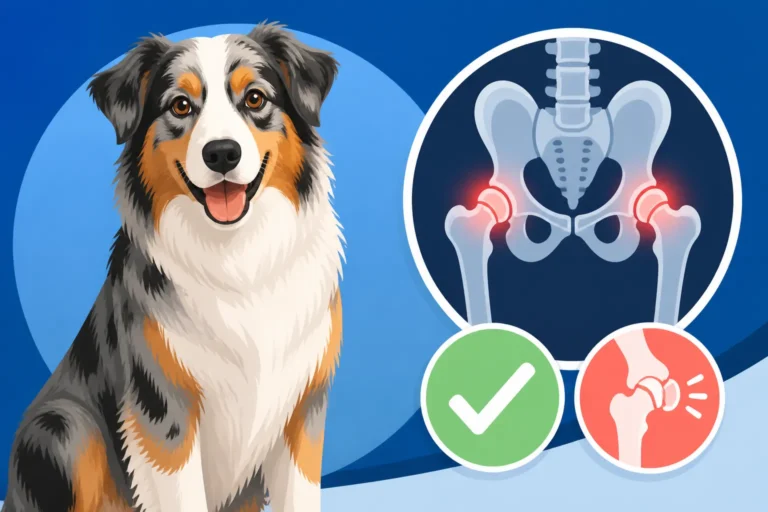
One of the first things you might notice is a change in their mobility. Where they once bounded across the yard, they might now walk with a stiff gait, especially after a nap or in the morning. This is often a tell-tale sign of Australian Shepherd Arthritis After Years of Work. Their joints, after years of running, jumping, and herding, simply aren't as flexible or pain-free as they once were. You might see them struggling to get up on the couch, climb stairs, or even just adjust their position comfortably. They might resist going for their usual long walks, or cut them short, flopping down sooner than before.
Beyond mobility, look at their eating and drinking habits. A decrease in appetite, or a sudden pickiness, can be a red flag. Are they drinking more water than usual? This could indicate kidney issues or even diabetes. Changes in urination or bowel movements – more accidents in the house, straining, or changes in stool consistency – are also important to note. Their coat, which was once a vibrant shield, might become duller, drier, or thinner, sometimes even feeling greasy. You might also notice their weight fluctuating, either gaining weight due to decreased activity or losing it due to underlying health issues. Be sure to check their body condition regularly by feeling their ribs; a thick coat can easily hide changes.
Behavioral Shifts and Cognitive Decline
Beyond the physical, behavioral changes can be incredibly heartbreaking and often indicate cognitive decline, sometimes referred to as canine cognitive dysfunction (CCD). Your Aussie might seem disoriented in familiar surroundings, pacing aimlessly, or getting stuck in corners. They might start staring blankly at walls or appearing confused by simple commands they've known their whole life. This is what we often refer to as An Aussie That Stops Reading the Room. Their sleep-wake cycles can reverse, leading to restless nights where they wander or vocalize, and excessive sleeping during the day.
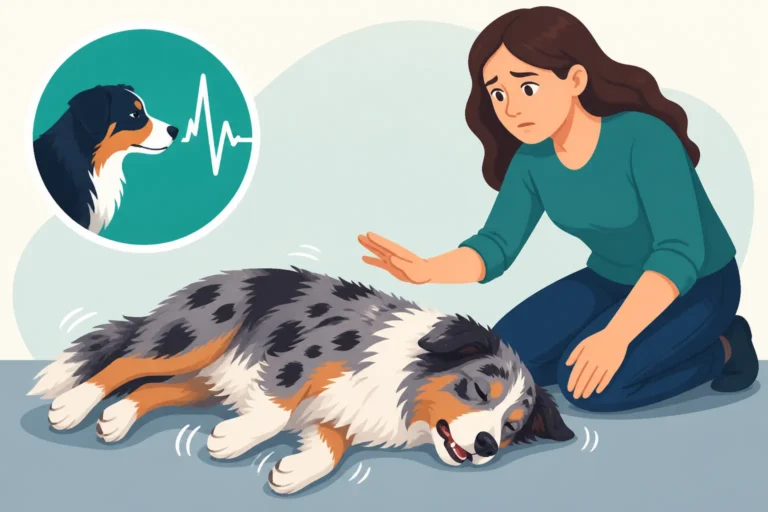
You might also observe changes in their social interactions. An Australian Shepherd who was once the life of the party, greeting everyone with enthusiasm, might now be withdrawn, avoiding interaction, or even becoming irritable when approached. They might be less tolerant of other pets or children. House-training might regress, with accidents happening indoors despite years of perfect behavior. Sometimes, increased anxiety or fear can manifest as panting, trembling, or excessive clinging. These aren't just "old dog quirks"; they are often genuine indicators that your beloved Aussie is struggling and needs your compassion and medical assessment.
Assessing Your Australian Shepherd’s Quality of Life
This is arguably the hardest part of caring for a senior Australian Shepherd. We want them to be with us forever, and it’s natural to cling to every good day, sometimes overlooking the bad ones. But at fourteen, objectivity becomes crucial. It’s not about extending life at all costs, but about ensuring that the life they have is still meaningful and free from undue suffering.
The HHHHHMM Quality of Life Scale
To help owners make this difficult assessment, veterinarians often recommend using a structured quality of life scale. One popular and helpful tool is the HHHHHMM scale, which stands for Hurt, Hunger, Hydration, Hygiene, Happiness, Mobility, and "More good days than bad."
- Hurt (Pain): This is paramount. Is your Aussie in chronic, unmanageable pain? Are they on medication that no longer seems to alleviate their discomfort? Can they find a comfortable position to rest? Pain is often insidious and can significantly impact their well-being.
- Hunger: Are they still interested in food and able to eat comfortably? Or do they refuse meals, seem nauseous, or have difficulty chewing or swallowing?
- Hydration: Are they drinking enough water? Are they dehydrated? This can be difficult to assess at home, but sticky gums are one sign.
- Hygiene: Can they keep themselves clean? Are they having frequent accidents, lying in their own waste, or developing painful bedsores? Can you keep them clean without causing additional stress?
- Happiness: This is about their emotional well-being. Do they still engage with you? Do they show interest in their favorite activities, even if modified? Do they still wag their tail, or greet you at the door? Do they experience joy?
- Mobility: Can they move around on their own? Can they get up and lie down without extreme effort or pain? Do they need constant assistance to relieve themselves? Mobility Aids for an Old Australian Shepherd can certainly help, but at some point, even these might not be enough.
- More Good Days Than Bad: This is often the clincher. It’s easy to focus on the good moments, but honestly evaluate the balance. Are the good days truly outweighing the bad, both in frequency and intensity?
This scale provides a framework for an honest conversation with yourself and your veterinarian, helping you to see the bigger picture rather than just isolated moments. It’s a tool to empower you to make an informed, compassionate choice for your Australian Shepherd.
Weighing Daily Joys Against Enduring Suffering
Beyond the objective scale, consider the subjective experiences that make your Aussie your Aussie. Does your old friend still enjoy their favorite blanket? Do they still light up at the sight of a familiar face or a special treat? Perhaps they can no longer chase a frisbee, but do they still love a gentle roll in the grass or a quiet cuddle on the couch? These small moments of joy are incredibly important.
Conversely, what constitutes suffering? Is it just physical pain, or also fear, anxiety, or confusion? A dog that is constantly restless, confused, or expressing anxiety despite medication is suffering. One that can no longer participate in any of the activities that defined its life – even just walking to the mailbox or greeting the family – is likely experiencing a significant loss of quality of life. It’s a delicate balance, and there’s no right or wrong answer that applies to every dog or every family. What’s crucial is being honest about their reality, not just our desire for them to remain with us. This is where having candid conversations with your vet and trusted family members becomes invaluable.
Navigating Medical Decisions and Palliative Care
When your Australian Shepherd is fourteen, the conversation with your veterinarian often shifts from curative treatments to managing comfort and preserving dignity. It's a tough transition, moving from "how can we fix this?" to "how can we make them as comfortable as possible?"
When Treatment Becomes Futile
There comes a point where aggressive medical interventions may cause more stress and discomfort than benefit. For example, extensive surgeries that require a long, painful recovery for a dog whose body is already frail might not be the kindest path. Diagnostic tests, like an MRI for unexplained seizures in a very elderly dog, might not change the outcome if the goal is purely comfort. It's important to ask your vet: "Will this treatment truly improve their quality of life, or just extend their suffering?"
Sometimes, we push for more treatments out of love, fear, or guilt. This is a common, understandable human reaction. Your vet can provide an objective perspective, discussing the prognosis with and without certain treatments, and outlining the potential side effects and recovery times. It's a conversation that requires immense bravery from you, the owner, to truly listen and prioritize your Aussie's well-being above your own emotions. Many pet insurance providers, like Healthy Paws, cover a wide range of conditions for senior pets, but it's important to understand what falls under "curative" versus "palliative" care as policies vary. Still, having insurance can ease the burden of exploring all reasonable options.
Effective Pain Management and Comfort Care
The focus for an aging Australian Shepherd often shifts heavily to pain management. Arthritis is rampant in senior Aussies, and there are many options to help. Non-steroidal anti-inflammatory drugs (NSAIDs) like Rimadyl or Galliprant are common, but these often require regular Liver Monitoring on Australian Shepherd Seizure Drugs (if they are on other medications) and general bloodwork to ensure kidney and liver function remain stable. Other pain medications, such as gabapentin, tramadol, or amantadine, can be added to create a multi-modal pain relief plan. Joint supplements containing glucosamine and chondroitin, along with fish oil, can also support joint health, though they won't stop existing pain.
Beyond medication, comfort care is crucial. This includes soft, orthopedic beds to relieve pressure points, ramps to avoid stairs, and even slings or harnesses to help them move around. Ensuring easy access to food and water bowls, elevated if necessary, and managing their environment to minimize steps or obstacles can make a huge difference. Regular, gentle grooming, especially for an arthritic Aussie, can prevent painful matting and help you check for skin issues or growths.
Exploring Veterinary Hospice Care
Just like human hospice, veterinary hospice care focuses on providing comfort, support, and specialized care for pets in their final stages of life, typically when a terminal illness has been diagnosed and curative treatments are no longer effective or desired. It's about maximizing comfort and minimizing stress in a familiar home environment.
Hospice teams usually include veterinarians and veterinary technicians who make house calls, providing pain management, fluid therapy, nutritional support, and hygiene assistance. They also offer invaluable emotional support and guidance to families navigating this difficult time. This option allows your Aussie to spend their last weeks or months surrounded by loved ones, in the comfort of their own home, which can be immensely reassuring for both pet and owner. It ensures continuous monitoring of their condition, allowing adjustments to pain protocols as needed, and prepares families for the ultimate decision.
The Emotional Toll on Devoted Owners
Making decisions for a beloved fourteen-year-old Australian Shepherd isn't just about their physical health; it's an intensely emotional journey for you. The bond you share is deep, and facing their decline can bring a tidal wave of difficult feelings.
Grappling with Guilt and Anticipatory Grief
One of the most profound emotions owners experience is guilt. Guilt about not noticing signs sooner, guilt about whether you've done enough, or guilt about even thinking about euthanasia. This is often compounded by anticipatory grief – grieving for your Aussie while they are still with you. You see their decline, you know what's coming, and that foreknowledge can be agonizing. It's a strange, painful limbo where you're simultaneously cherishing every moment and dreading the inevitable end.
It's crucial to understand that these feelings are normal and valid. You’ve shared years of your life with this amazing creature, who has been a constant source of joy, challenge, and companionship. To not feel these emotions would be unnatural. Try to replace guilt with compassion – compassion for your Aussie, and compassion for yourself. You are doing your best in an incredibly tough situation. Leaning on support systems, whether friends, family, or pet loss support groups, can provide a much-needed outlet for these heavy emotions.
Communicating with Family Members and Loved Ones
Deciding for an Australian Shepherd, especially one who has been a central part of the family for so long, affects everyone. Children, partners, and even other pets will feel the shift and eventually the loss. Open and honest communication, tailored to each family member's age and understanding, is vital.
For children, explain what is happening in simple, gentle terms, emphasizing that their pet is ill and in pain, and that euthanasia is a way to stop their suffering. Let them express their feelings and ask questions. For adults, ensure everyone is on the same page regarding the quality of life assessment and the timeline for making decisions. It’s important that this decision isn’t shouldered by one person alone, if possible. Everyone who loves the Aussie deserves to be part of the conversation and to say their goodbyes. This shared understanding can help mitigate future disagreements or unresolved grief.
Planning for the Inevitable: Making the Final Arrangements
While heartbreaking, proactive planning for your Australian Shepherd's euthanasia can bring a surprising amount of peace. It allows you to make calm, thoughtful decisions during a time that will undoubtedly be filled with intense emotion, ensuring your Aussie's final moments are as peaceful and loving as possible.
Discussing Euthanasia with Your Veterinarian
This conversation is never easy, but it’s one of the most important you’ll have with your vet. Be open about your observations of your Aussie’s quality of life, using the HHHHHMM scale or your personal notes. Your vet will offer their professional assessment, confirming whether euthanasia is indeed the most humane option. They can explain the process in detail, from sedation to the final injection, so you know exactly what to expect.
Don't hesitate to ask questions: Will my dog feel any pain? How long will it take? Can I be present? These are all valid concerns. Your vet will guide you through the logistics, including payment and aftercare options like cremation or burial. This discussion should also cover the specific timing – is it better to wait for a "bad day," or to make the decision when they still have some good moments, so their last experience isn't one of pure suffering?
Choosing the Setting for Peaceful Farewell
The environment in which your Australian Shepherd says goodbye can significantly impact the experience for both them and you. Many veterinary clinics offer a quiet, private room for euthanasia, sometimes separate from the bustling waiting area. This provides a calm space for you and your family to say farewell.
Increasingly, pet owners are opting for in-home euthanasia services. This allows your Aussie to remain in their most comfortable and familiar surroundings, perhaps on their favorite bed, in the garden, or nestled in your arms. It removes the stress of a car ride and a clinic visit, which can be particularly traumatic for an anxious or painful senior dog. Many mobile veterinarians specialize in this service, recognizing the immense benefit it offers. While these services may cost a bit more, some pet insurance plans, like those offered by Healthy Paws, might provide some coverage for these compassionate end-of-life choices, making it a more accessible option for families. Whatever you choose, the goal is to create a peaceful, loving atmosphere where your Australian Shepherd feels safe and cherished in their final moments.
| Quality of Life Indicator | Good Sign (Positive) | Concerning Sign (Negative) | Critical Sign (Severe) |
|---|---|---|---|
| Pain | Comfortable, active, responsive to meds | Stiff, slow, occasional vocalization, needing increasing meds | Unrelieved pain, restlessness, constant panting, unable to settle |
| Appetite/Hydration | Eats and drinks normally, enthusiastic | Picky eater, slight decrease in thirst, occasional vomiting | Refusing food/water, severe dehydration, persistent vomiting |
| Mobility | Walks with ease, can get up/down independently | Struggles with stairs, slow to rise, needs minor assistance | Unable to stand/walk, frequent falling, incontinence due to immobility |
| Happiness | Engages, responsive, enjoys treats/attention | Less playful, withdrawn, fleeting moments of joy, sleeps more | Disoriented, unresponsive, anxious, fearful, no joy |
| Hygiene | Self-sufficient, clean, no accidents | Occasional accidents, some matting, needs more grooming help | Frequent accidents, lying in waste, painful sores, severe matting |
| Overall Balance | More good days than bad, still "present" | Equal good and bad days, some discomfort, periods of confusion | Predominantly bad days, chronic suffering, disengagement |
Supporting Your Senior Aussie's Final Chapter
As you navigate the last months with an Australian Shepherd, your role shifts to one of ultimate comfort and unwavering love. It's about making every remaining moment count, not just for them, but for you too.
Creating a Comfort Care Plan
Once you've made the difficult decision to focus on comfort, work with your vet to create a comprehensive plan. This isn't just about medication; it's about holistically addressing your Aussie's needs. This plan might include:
- Medication Schedule: A clear plan for pain relief, anti-nausea drugs, or anti-anxiety medications, ensuring consistent administration. You might need to adjust Anesthetics That Need Adjusting for an MDR1 Aussie if your dog has this common genetic mutation.
- Nutritional Adjustments: Offering highly palatable foods, warming meals, or hand-feeding if necessary to maintain calorie intake. For Aussies with specific issues, a vet might recommend Joint Diets for a Retired Working Aussie or other therapeutic options.
- Environmental Modifications: Ensuring easy access to outdoor potty areas, ramps for beds/couches, soft bedding, and non-slip mats on floors.
- Gentle Exercise: Continuing short, comfortable walks if possible, or gentle stretching and massage.
- Mental Enrichment: Simple puzzle toys or scent games can still provide engagement without physical strain.
- Hygiene Support: Regular, gentle brushing, wiping after accidents, and checking for sores.
- Regular Vet Check-ins: Even if curative treatment isn't sought, regular visits or phone calls can help monitor their comfort level and adjust the plan as needed. How Often a Ten Year Old Aussie Needs Checking is still very important, even more so when they are fourteen.
This plan aims to minimize discomfort and maximize peace for your dog, allowing them to truly enjoy their remaining time with you, even if it's just quiet moments together.
Remembering Your Beloved Companion
The grief that follows the loss of an Australian Shepherd is profound. They are family, and their absence leaves a huge void. It’s important to allow yourself to grieve and to find ways to honor their memory.
Consider creating a memorial: a photo album, a special garden stone, a framed paw print, or a charitable donation in their name to an Australian Shepherd rescue. Many people find comfort in sharing stories and memories with friends and family. Acknowledging their life and the joy they brought you is a crucial part of the healing process. Some families choose to plant a tree, a lasting tribute to a loyal companion. Remember that your grief is a testament to the incredible love you shared, and that love never truly ends. Your Aussie may be gone, but the paw prints they left on your heart will remain forever.
Disclaimer
This article is intended for informational purposes only and does not constitute veterinary advice. Always consult with a qualified veterinarian for any health concerns or before making any decisions about your pet's care.