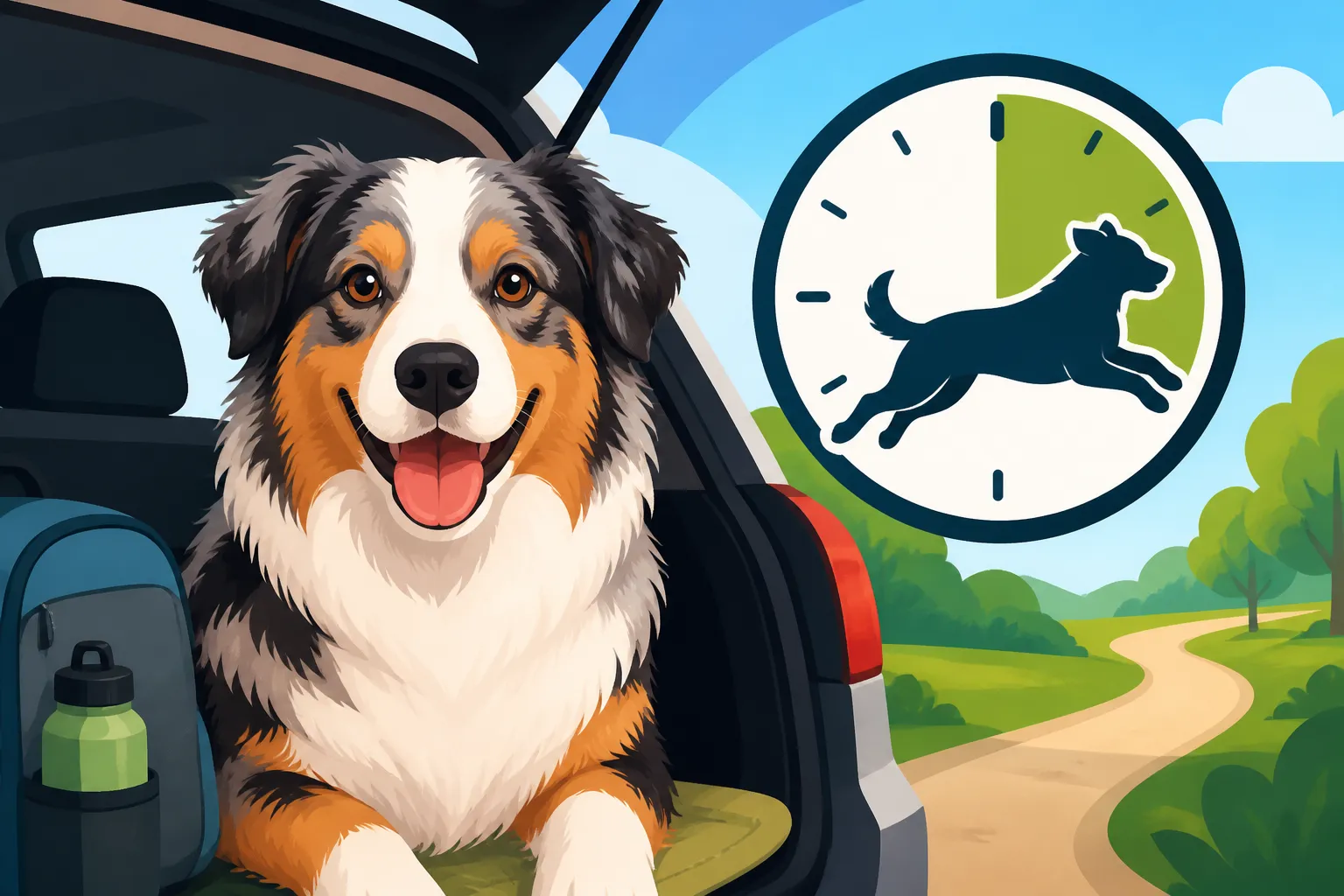
Traveling With an Aussie That Needs Two Hours
Traveling with an Australian Shepherd isn't just about finding a pet-friendly hotel; it’s about meticulously planning around a furry, highly intelligent, and incredibly energetic creature that genuinely needs a solid two hours of engagement every single day. The frustration is real when you want to explore new places but feel tethered to your dog's demanding routine, knowing that a bored Aussie is often a destructive or anxious one. This guide will walk you through realistic strategies and essential tips to make traveling with your high-energy Australian Shepherd not just possible, but enjoyable for both of you.
Planning Your Trip Around Your Aussie's Needs
Before you even think about booking that first night, take a deep breath and truly consider what your Australian Shepherd requires to thrive, especially when you’re away from the comforts of home. It’s not just about physical exercise; it’s about their mental engagement and consistent routine. Skimping on this planning phase almost guarantees a stressful trip for everyone involved, often leaving you feeling guilty and your Aussie exhibiting less-than-ideal behaviors.
Realistic Expectations for Travel Time and Stops
One of the biggest pitfalls for Aussie owners when planning travel is underestimating the sheer amount of time their dog needs to expend energy. Thinking you can just do a quick potty break every few hours and your Aussie will be fine with a long car ride is a recipe for disaster. These dogs are bred to work, to move, and to think. A simple walk on a leash at a rest stop often won't cut it. You need to factor in dedicated, off-leash (if safe and permissible) exercise periods where they can really run, sniff, and decompress. This might mean significantly extending your travel time or breaking up your journey into shorter segments.
For example, if you’re driving for eight hours, instead of two short breaks, plan for one longer stop – perhaps an hour or more – at a dog park or a large, quiet field where you can throw a frisbee or practice some obedience commands that require mental effort. Look for places that offer safe, enclosed spaces, or at least wide open areas away from traffic and distractions where you can use a long line length for an Australian Shepherd. These extended breaks allow your Aussie to burn off that pent-up energy, making the next leg of the journey much calmer. Remember, an Australian Shepherd's daily energy requirement isn't just about physical exertion, but also about mental stimulation.
Pre-Trip Exercise and Mental Prep
Getting your Aussie ready for travel starts well before you pack your own bags. The day of travel, especially if it’s a long one, should begin with an extra-long, high-intensity exercise session. This might mean an extended fetch session, a vigorous run, or a solid hour of mentally challenging training. The goal is to start with a "drained" dog, not one brimming with anticipation and unspent energy. A tired Aussie is a well-behaved Aussie, and this is never more true than when they’re cooped up in a car or crate.
Beyond physical exertion, consider mental preparation. If your Aussie isn't used to car rides, gradually increase the duration of short trips in the weeks leading up to your departure. Practice being calm in their travel crate or designated car space. Use positive reinforcement to associate these spaces with good things. Puzzle toys filled with high-value treats can be a fantastic way to introduce a sense of calm and routine to their travel setup. Brands like Chewy offer a fantastic selection of durable puzzle feeders and interactive toys that can really come in handy for this kind of preparation. This proactive approach helps reduce anxiety and establishes positive associations with the travel experience itself.
Packing Essentials for a Nomadic Aussie
Packing for an Australian Shepherd means packing for a small, furry, four-legged athlete who also happens to have a luxurious double coat and specific needs. You’ll need more than just food and a leash. Think about their comfort, safety, and hygiene. A sturdy travel crate that’s the right size, as discussed in The Crate a Fifty Pound Aussie Needs, is non-negotiable for car safety and providing a secure space in unfamiliar surroundings. Don’t forget their favorite bed or blanket from home to provide a familiar scent and comfort.
Hydration is key, so bring plenty of water and a portable bowl. For food, pack enough of their regular kibble to avoid stomach upsets from sudden changes. If you feed fresh food, services like Ollie can deliver pre-portioned, human-grade meals directly to some destinations, which can be a lifesaver for maintaining their diet on the road. Beyond the basics, consider a grooming brush for their coat, especially if you're traveling during twice-yearly coat blow in an Australian Shepherd. Also pack a first-aid kit, copies of vaccination records, and a recent photo in case they get lost. Having a collar tag with your current cell number is essential, but also consider microchipping if you haven't already.
Transportation Strategies for a High-Energy Aussie
Navigating the logistics of travel with an Australian Shepherd often feels like a masterclass in problem-solving. Each mode of transport presents its own set of challenges, especially when you're trying to accommodate a dog that thrives on constant activity and mental engagement. The key is preparation, understanding limitations, and prioritizing your Aussie's comfort and safety.
Car Travel: Managing Energy and Comfort
Car travel is arguably the most common way Aussies hit the road, and while it offers flexibility, it also demands careful management of their energy. The golden rule is frequent, meaningful stops. As mentioned, short potty breaks aren't enough. Aim for at least one 30-60 minute stop every 3-4 hours, dedicated to vigorous exercise and mental games. Find safe spots away from traffic where your Aussie can run, play fetch, or engage in some scent work. These activities help them burn off the physical and mental steam that builds up, making them much calmer in the car.
Inside the vehicle, safety is paramount. An Australian Shepherd, even a calm one, can become a projectile in an accident. A crash-tested crate is ideal, or a harness designed for car safety that attaches to the seatbelt. Ensure their space is comfortable; a familiar bed or blanket can make a huge difference. Avoid feeding a large meal right before or during long drives to prevent car sickness. Instead, offer small, easily digestible treats if needed, and always have water readily available. Remember, an Aussie who is safely contained is less likely to become anxious or disruptive, and it keeps everyone safer on the road.
Air Travel: Navigating Regulations and Stress
Air travel with an Australian Shepherd is a much more complex undertaking, and frankly, often quite stressful for both owner and dog. Their size and high energy levels often mean they'll need to fly as cargo, which comes with significant risks and regulations. Before even considering this option, consult your veterinarian to discuss your dog's temperament, health, and any potential risks. Some Aussies are simply not cut out for the stress of flying in cargo. Airlines have strict rules regarding crate size, breed restrictions, temperature embargoes, and health certificates, so researching this extensively is critical.
If air travel is unavoidable, prepare your Aussie meticulously. Acclimate them to their airline-approved travel crate well in advance, making it a positive, comfortable space. Practice short periods inside the crate, gradually increasing the duration. On the day of travel, ensure they get a good, long exercise session before heading to the airport. Avoid sedation unless absolutely necessary and prescribed by a vet who understands Anesthetics That Need Adjusting for an MDR1 Aussie. While some Aussies might handle air travel with minimal fuss, for many, it's an incredibly stressful experience that should be approached with extreme caution and only when absolutely necessary.
Public Transportation and Aussie Etiquette
Taking an Australian Shepherd on public transport – think trains, buses, or ferries – requires a different kind of preparation: impeccable manners and a solid understanding of local rules. Many public transport systems have strict rules about pet size, carriers, and muzzle requirements. Always check the specific regulations for each leg of your journey well in advance. For example, some city buses might allow smaller dogs in carriers, while regional trains might have dedicated pet carriages or require tickets for larger dogs.
Your Aussie needs to be calm, quiet, and comfortable in confined, potentially noisy spaces. This means extensive socialization and training are key. Practice "place" commands, "settle," and walking calmly on a loose leash in busy environments. A muzzle might be required by law or a good idea for peace of mind in crowded spaces, so introduce it positively long before your trip. While some highly trained Aussies can be fantastic public transport companions, for many, the noise, crowds, and lack of space can be overwhelming and overstimulating, potentially leading to Australian Shepherd Reactivity and Overarousal. Weigh the benefits against the potential stress for your individual dog.
Keeping Your Australian Shepherd Engaged on the Go
A common misconception is that simply taking your Aussie to new places will automatically keep them entertained. While novelty can be stimulating, without intentional engagement, that high-octane energy will inevitably find its own (often destructive) outlet. The trick to successful travel with an Australian Shepherd lies in consistently meeting their needs for both physical exertion and mental stimulation, even when you’re away from your usual routine.
Structured Exercise Breaks During Travel
We've talked about the importance of exercise breaks, but let's dive into what "structured" really means. It's not just a quick dash around a patch of grass. A structured exercise break involves intent and engagement. This means bringing a frisbee or ball for a game of fetch in a safe, open area, or working on some obedience commands like "stay" or "come" in a distracting environment. If your Aussie is prone to chasing moving objects, practicing Australian Shepherd Recall Off a Squirrel or An Australian Shepherd Chasing Cars in a controlled environment can be a great way to burn energy and reinforce critical skills.
Consider incorporating different types of movement. Instead of just running, find a place where they can climb a small hill, navigate some uneven terrain, or even do some short bursts of agility-inspired movements if appropriate and safe. The goal is to engage their body and their brain, tapping into that natural working dog drive. Remember, Australian Shepherd exercise at one to two hours a day is a minimum, and during travel, you might need to creatively break this up throughout the day to prevent an accumulation of restless energy.
Mental Stimulation to Prevent Boredom
Physical exercise alone, as we know, often isn't enough to truly tire out an Australian Shepherd. Why two hours of running never settles an Aussie is a common lament among owners. Their intelligent minds need challenges too. This is where mental stimulation becomes your best friend on the road. Pack a variety of puzzle toys, enrichment feeders, and chew items. Kongs stuffed with peanut butter or wet dog food and frozen can provide long-lasting mental engagement in a crate or hotel room. Brands like Chewy often have sales on these types of durable toys.
Beyond toys, integrate short training sessions throughout the day. Practice new tricks, review old commands in novel environments, or try some scent work games in your accommodation. Hide treats around the room and let your Aussie use their nose to find them; this is an incredibly tiring activity for dogs. Even a 10-15 minute session of focused mental work can be as tiring as a much longer physical workout for an Aussie. Keeping their brains busy prevents them from inventing their own "jobs," which usually involve barking, whining, or destroying furniture.
Adapting Daily Routines in New Environments
Australian Shepherds thrive on routine. While travel inherently disrupts this, establishing a modified, predictable schedule can greatly reduce stress. Try to keep meal times consistent, even if the location changes. Aim for exercise breaks at roughly the same times they would normally have them. For example, if your Aussie normally gets a big run first thing in the morning, make an effort to find a suitable space for that even when on vacation.
Creating a "safe space" within your temporary accommodation is also crucial. This might be their travel crate, a specific bed, or a corner of the room where they know they can relax without being disturbed. Use calming aids like diffusers or calming chews if your vet recommends them. The more you can maintain elements of their home routine – even small ones – the faster your Australian Shepherd will adjust to new surroundings and feel secure, allowing them to relax and truly enjoy the adventure with you.
Accommodations and Destinations That Welcome Active Aussies
One of the biggest hurdles for Aussie owners on the road is finding places that don't just "tolerate" dogs, but genuinely welcome and cater to their active nature. It takes a bit more research and sometimes a little extra cost, but finding the right environment can make or break your travel experience.
Finding Dog-Friendly Lodging with Space
When searching for accommodation, look beyond the simple "pet-friendly" label. Many hotels consider a small dog on a leash to be pet-friendly, but an Australian Shepherd needs more. You need space – ideally, a room not too cramped, and access to outdoor areas for quick potty breaks without a major trek. Hotels or rentals that have direct outdoor access, or are situated near parks and trails, are often a better bet. Websites like BringFido or Airbnb with pet filters are good starting points, but always, always call the specific property to confirm their pet policies. Ask about breed restrictions, size limits, and any additional fees. Sometimes properties have unlisted restrictions or specific rules about leaving dogs unattended, which is a big consideration for an Aussie that an Aussie that cannot be left with nothing to do.
Consider staying in cabins, vacation rentals with fenced yards, or even designated "dog-friendly" resorts that cater to active breeds. These types of accommodations often understand the needs of larger, more energetic dogs and may provide amenities like dog beds, bowls, or even on-site dog runs. Be prepared for potential Pet-Friendly Hotels and Australian Shepherd Deposits, and always be a responsible pet owner by cleaning up after your dog and ensuring they cause no damage.
Exploring Aussie-Approved Outdoor Destinations
Your Australian Shepherd's ideal travel destination will almost certainly involve the great outdoors. Look for national or state parks, hiking trails, and beaches that specifically allow dogs and have space for them to explore safely. Always check the park's rules regarding leashes; many places require dogs to be on a leash at all times, which is important to respect. However, even on-leash walks through stimulating new environments can be wonderfully enriching for an Aussie.
Research dog parks in the areas you'll be visiting, as these can be invaluable for burning off steam, especially after long stretches of travel. Look for well-maintained, large parks with separate areas for large and small dogs. Ensure your Aussie is well-socialized and has good recall before letting them off-leash in unfamiliar parks. If you're planning activities that are physically demanding, such as long hikes, ensure you understand Australian Shepherd exercise in summer heat or Australian Shepherd exercise in snow and cold and pack appropriate gear like cooling vests or paw protection.
Navigating Pet Policies and Local Regulations
Beyond lodging, every destination has its own mosaic of pet policies and local regulations that you need to be aware of. What's acceptable in one town might be forbidden in another. This includes leash laws, access to public spaces (like restaurants or shops), and even specific waste disposal rules. A quick search for "dog laws [destination city/state]" before your trip can save you from fines or awkward situations.
In some areas, certain breeds might be restricted, or there might be health certificate requirements for crossing state or international borders. Always carry your Aussie's vaccination records and any necessary health certificates. Being a responsible and informed traveler not only ensures a smoother trip for you and your dog but also helps maintain positive perceptions of dog owners in general, making it easier for all of us to travel with our beloved companions in the future.
Post-Travel Recovery and Routine Adjustment
After the excitement and disruption of travel, it's easy to overlook the transition period once you're back home. For an Australian Shepherd, returning to their familiar environment doesn't always mean an immediate return to normal. They might be tired, overstimulated, or even a little out of sorts. Giving them a smooth transition back into their regular routine is just as important as the planning and execution of the trip itself.
Easing Back into the Home Routine
The first few days back home should be dedicated to a gentle reintegration into your Aussie's normal schedule. Resist the urge to jump right back into a full two hours of intense activity if they seem exhausted. Instead, focus on familiar routines: regular feeding times, designated potty breaks, and comforting rituals. Their travel crate or bed, still carrying familiar scents, can provide a sense of security during this adjustment. You might find your Aussie is extra sleepy or a bit restless initially. Allow them to decompress at their own pace.
Reintroduce their favorite toys and activities slowly. Short, familiar walks around the neighborhood can be a good way to ease back into exercise. If you've been eating on the go, transitioning back to their regular food, perhaps from Chewy, is important. A fresh, clean water bowl and ample rest in a quiet space will go a long way in helping them shake off any travel fatigue and get back to their happy, energetic selves.
Addressing Travel-Related Stress or Behavioral Changes
Even the most well-traveled Australian Shepherd can experience some lingering stress or temporary behavioral changes after a trip. They might be more clingy, more vocal, or even a bit destructive if they're struggling to settle. Increased barking, house-soiling (if they were perfectly house-trained before), or anxiety when left alone are all possible signs of stress. Don't punish these behaviors; instead, try to understand the underlying cause.
Increase calm, positive interactions and provide plenty of mental stimulation to redirect their energy. Short, focused training sessions can help rebuild confidence and routine. If they're showing signs of separation anxiety, revisit crate training or engage a dog walker for short periods. If the behavioral changes are severe or persistent, don't hesitate to consult your veterinarian or a certified professional dog trainer. Sometimes, what looks like "bad behavior" is just an overtired, overstimulated Aussie trying to communicate their needs.
Health Checks After a Long Journey
A post-travel health check for your Australian Shepherd is always a good idea, particularly if your trip involved long hours in the car, exposure to new environments, or potential contact with other animals. Pay close attention to their appetite, water intake, energy levels, and bathroom habits. Any significant changes could indicate a problem. Check their paws for any abrasions or foreign objects, especially if you've been hiking on varied terrain, considering Australian Shepherd Paw Pads After Rough Ground. Their ears should also be clean and free of redness or discharge, especially if they've been swimming or playing in dusty areas; learn about Australian Shepherd Ear Cleaning.
If your Aussie seems unwell, lethargic, or develops symptoms like diarrhea (which can be a concern, as covered in Australian Shepherd Puppy Diarrhea After Homecoming), vomiting, or unusual coughing, contact your vet. Travel can sometimes expose dogs to new pathogens or exacerbate existing conditions. Having pet insurance, like Healthy Paws, can provide significant peace of mind if an unexpected vet visit or emergency arises while traveling or upon your return. A quick check-up can catch minor issues before they become major problems, ensuring your beloved travel companion is truly back to full health and ready for their next adventure.
Disclaimer
This article is for general informational purposes only and does not constitute professional advice. Laws, prices and regulations vary by location and change over time. Consult a qualified professional for guidance on your specific situation.