The Gap Between a $1,000 and $2,500 Aussie
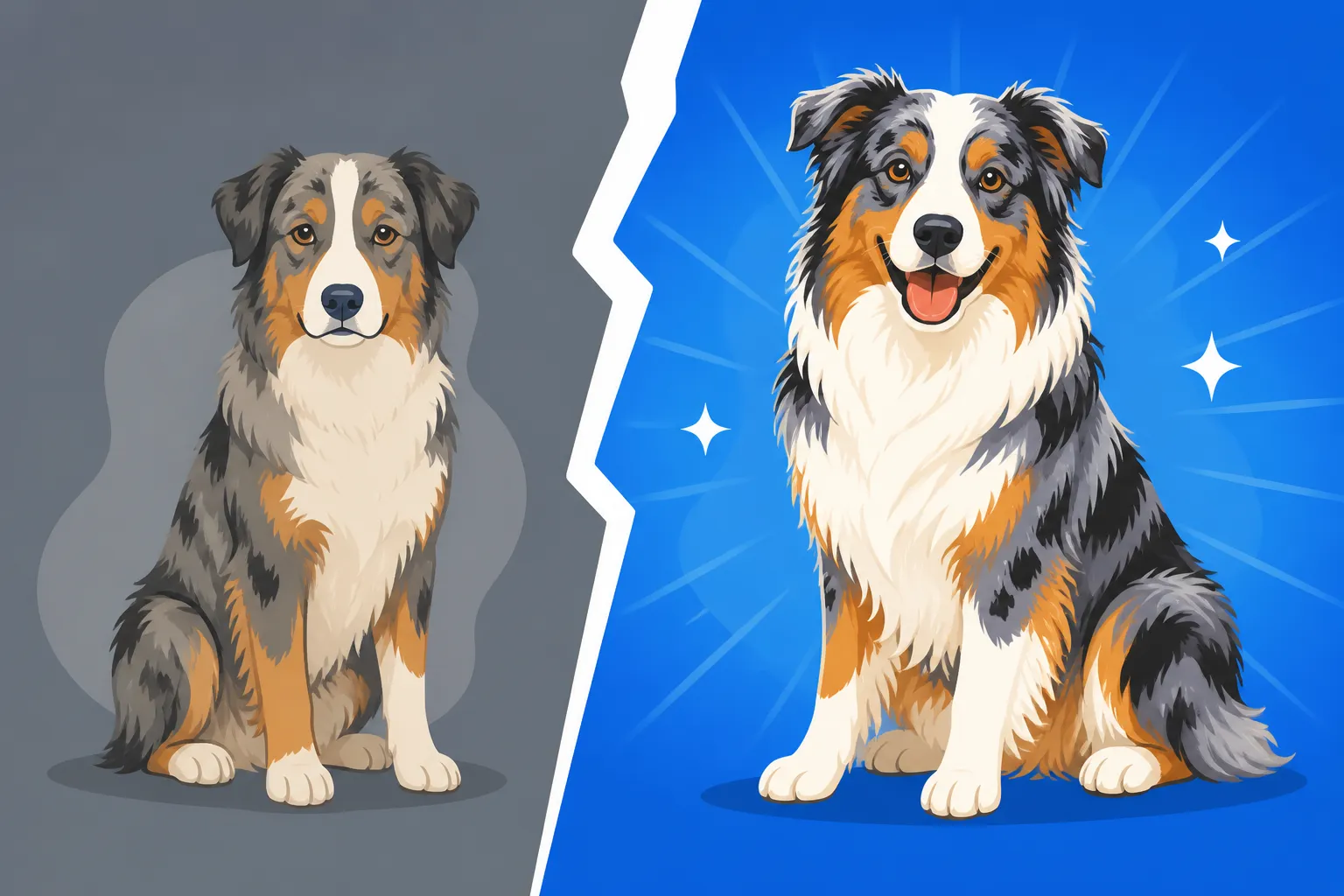
Bringing home an Australian Shepherd puppy is an incredibly exciting prospect, but as you start looking, you quickly realize there's a pretty wide range in what breeders are asking for. It can be really confusing to see puppies advertised for $1,000 while others from seemingly similar backgrounds are hitting the $2,500 mark, or even higher. This guide is here to demystify that significant price gap, helping you understand what factors contribute to the cost and what you're really paying for when you invest in a new furry family member.
Understanding the Australian Shepherd Price Spectrum
When you’re first searching for an Australian Shepherd puppy, that sticker shock can be real. One minute you're scrolling through adorable photos, the next you're doing mental math trying to figure out how someone could ask $2,500 for a tiny fluffball. It's not just about the cuteness, though; a multitude of factors, often hidden to the untrained eye, contribute to a breeder's pricing strategy. These elements are what really create the gap between a seemingly "good deal" and a price that reflects significant investment in health, temperament, and responsible breeding practices.
What Influences a Breeder's Pricing Decisions
Reputable breeders don't just pull a number out of thin air. Their prices reflect the considerable financial and time investment they pour into their breeding program. This often starts long before puppies are even conceived. They're investing in high-quality breeding stock – dogs with proven pedigrees, excellent health, and stable temperaments. This might mean traveling to find the right stud dog, paying stud fees, and consistently feeding and caring for their adult dogs. Beyond that, there are extensive health clearances, which are non-negotiable for anyone serious about the breed. We're talking about thorough genetic testing, OFA certifications for hips and elbows, and regular eye exams. These aren't cheap tests, and they're crucial for minimizing the risk of passing on preventable diseases.
Then, once a litter arrives, the work truly begins. There's round-the-clock care for the mother and puppies, high-quality food, deworming, initial vaccinations, and veterinary check-ups for each puppy. Early socialization is also paramount, exposing puppies to various sights, sounds, and experiences to help them develop into well-adjusted adults. A breeder who dedicates this kind of time and resources into each litter will naturally have higher overheads, which are then reflected in the puppy's price. When you are asking yourself, "What an Australian Shepherd Puppy Costs", these are the underlying factors.
The Typical Price Range You'll Encounter
Generally, you'll find Australian Shepherd puppies ranging from $800 to $3,000, with working line or highly sought-after show line puppies potentially pushing higher. The "sweet spot" for a well-bred companion Australian Shepherd often falls into the $1,500 to $2,500 range. This median price typically indicates that the breeder is doing their due diligence. Prices on the lower end, say below $1,000, should always raise a red flag and prompt further investigation. Conversely, prices well above $2,500 might indicate a very specific demand for certain pedigrees, proven working ability, or unique colorations, but even then, all the same foundational health and care expectations should apply. It’s not just about what you pay, but what that payment guarantees in terms of future health and happiness.
What a $1,000 Australian Shepherd Might Offer
It's tempting to jump on a lower-priced puppy, especially when every picture makes them look equally adorable. Who doesn't love a bargain, right? But with Australian Shepherds, a lower price tag often comes with hidden risks and unspoken compromises that can end up costing you far more in the long run. It's crucial to understand what you might be sacrificing when you opt for a puppy at the bottom of the price spectrum.
Potential Red Flags and "Backyard Breeder" Scenarios
A $1,000 Australian Shepherd puppy might seem like a steal, but it often signals a "backyard breeder" or even a puppy mill situation. These individuals or operations often cut corners to minimize their costs, which directly impacts the health and well-being of their puppies. One of the biggest red flags is a lack of comprehensive health testing on the parent dogs. Reputable breeders screen for conditions like hip and elbow dysplasia, various eye diseases (such as those that cause "Hereditary Cataracts Clouding an Aussie Eye" or "Collie Eye Anomaly in an Australian Shepherd"), and genetic markers like MDR1. These tests are expensive, but they're critical for preventing suffering in puppies and heartbreak for their future families. A breeder who skips these tests isn't saving you money; they're offloading potential veterinary bills onto you.
Another common issue is a lack of proper pedigree or registration. While not everyone needs a show dog, a verifiable pedigree indicates a traceable lineage, allowing for insights into potential health issues or temperament traits that run in the lines. Backyard breeders often don't provide this, or their "papers" might be questionable. You might also find that these puppies come with little to no socialization, meaning they haven't been exposed to different sounds, people, or environments in their critical early weeks. This can lead to significant behavioral problems down the road, which can be far more costly and challenging to address than the initial savings on the puppy.
The Importance of Asking Questions, Even at a Lower Price Point
Even if you're leaning towards a more budget-friendly option, you absolutely must ask the tough questions. Don't be shy! A responsible breeder, regardless of price, will be happy to share information and even grill you to ensure their puppies are going to good homes. Ask about the parents' health clearances: "Can I see the OFA certificates for hips and elbows?" or "What were the results of the "The Genetic Panel Every Australian Shepherd Needs"?" Specifically, inquire about MDR1 status, as many Australian Shepherds carry this gene, which can affect their reaction to common medications.
Also, ask about the puppy's early care. Were they raised indoors or out in a kennel? What kind of socialization have they received? How many litters does the breeder produce per year? A breeder with too many litters might not be able to provide adequate individual care and attention. If a breeder is evasive, unwilling to show you where the puppies are raised, or pressures you for a quick sale, consider that a giant red flag. Trust your gut. A lower price isn't worth years of potential health issues or behavioral challenges.
Rescue Options: A Different Path to Ownership
It’s worth noting that if your primary concern is cost, and you're prepared for the unique journey of adoption, rescuing an Australian Shepherd can be a wonderful, often more affordable alternative. Rescue organizations typically have an adoption fee, usually ranging from $250 to $600, which covers a portion of their vetting expenses, including spay/neuter, vaccinations, and microchipping. While you might not get a puppy, many fantastic adult Aussies and mixes are in need of homes. These dogs often come with a known history, and the rescue will have assessed their temperament and health, giving you a clearer picture of what you're getting. Reputable rescues like those listed on Petfinder, or breed-specific rescues, are often very transparent about a dog's needs and background. This path is less about a "gap" in price and more about finding a loving companion through a different, often very rewarding, route.
The Value Behind a $2,000-$2,500 Australian Shepherd Puppy
While the initial outlay for an Australian Shepherd puppy in the $2,000-$2,500 range might feel substantial, it's generally an investment in peace of mind, future health, and a well-adjusted companion. This price point typically reflects a breeder's commitment to responsible practices, comprehensive health screening, and extensive early care and socialization, all of which significantly reduce the risks and potential long-term costs for you, the owner.
Comprehensive Health Clearances and Genetic Testing
The most significant portion of that higher price often goes directly into ensuring the health of your puppy's lineage. Reputable breeders meticulously screen their breeding dogs for a host of genetic and orthopedic conditions common in Australian Shepherds. This isn't just a simple vet check-up; it involves specialized testing. For instance, they'll have their dogs' hips and elbows evaluated by the Orthopedic Foundation for Animals (OFA) to assess for "Australian Shepherd Hip Dysplasia and OFA Scoring" and elbow dysplasia, obtaining passing scores that indicate healthy joints. These evaluations are usually done when the dogs are at least two years old.
Beyond orthopedic checks, extensive genetic testing is performed for conditions like the MDR1 mutation, hereditary cataracts (HSF4), progressive retinal atrophy (PRA), and other eye anomalies. For example, a thorough breeder will ensure that an "Aussie Puppy Eye Check at Six Weeks" has been performed by a veterinary ophthalmologist, and they can provide certification for these. This proactive approach significantly reduces the likelihood of you facing devastating and expensive health issues down the line, such as blindness or chronic joint pain. When a breeder invests hundreds, sometimes thousands, of dollars per breeding dog in these screenings, it's reflected in the puppy price, but it's money well spent to avoid future heartaches and massive vet bills.
Reputable Breeders: Experience, Mentorship, and Selective Breeding
A higher price also signifies that you're dealing with a reputable breeder who prioritizes the welfare of their dogs and the integrity of the breed. These aren't just people who happen to have two Aussies; they are enthusiasts who often participate in dog sports like agility, obedience, or herding, proving their dogs' abilities and temperaments. They've usually spent years learning about genetics, health, and behavior, often under the mentorship of other experienced breeders. They practice selective breeding, carefully choosing mates not just for looks, but for health, temperament, and conformity to the breed standard. This means they are actively working to improve the breed, not just produce puppies.
They will openly discuss their breeding philosophy, show you health certifications, and be transparent about any known issues in their lines. Many will also have waiting lists, as their puppies are in high demand due to their ethical practices. They consider themselves lifelong resources for their puppy buyers, offering advice and support for years to come. This kind of experience and dedication is invaluable and is certainly built into the price.
Early Socialization, Puppy Curriculum, and Guarantees
The early weeks of a puppy's life are crucial for its development. A breeder charging a higher price is typically providing an enriched environment for their litter. This includes early neurological stimulation (ENS), exposure to various textures, sounds, and people, and beginning crate training and house-training foundations. Many follow structured puppy curricula designed to build confidence and resilience. Puppies from these breeders often come home better adjusted, more confident, and with a head start on basic manners, making the transition to your home much smoother.
Furthermore, these breeders often offer health guarantees against specific genetic conditions, sometimes for the first year or two of the puppy's life. They also typically require a spay/neuter contract for pet-quality puppies and will insist that if for any reason you can't keep the dog, it must be returned to them. This commitment shows their dedication to their dogs for their entire lives, not just until they're sold. When you consider the value of a confident, healthy, and well-started puppy, the $1,000 to $2,500 Aussie price difference starts to make a lot more sense.
Beyond the Initial Purchase Price: Long-Term Costs to Consider
While the upfront cost of an Australian Shepherd puppy is significant, it's truly just the beginning of your financial commitment. A responsible owner understands that the price tag on the puppy is a small fraction of what you'll spend over their lifetime. Planning for these ongoing expenses is crucial for providing your Aussie with a happy, healthy life.
Veterinary Care: Routine to Emergency
Even with the best breeding and health clearances, veterinary care is an undeniable and often unpredictable expense. In the first year alone, you'll have multiple puppy vaccinations, deworming, microchipping, and your spay or neuter surgery. These initial vet bills can easily run into hundreds of dollars. As your Aussie grows, you'll need annual check-ups, booster shots, and parasite prevention (like heartworm and flea/tick medication). Many Australian Shepherds, for example, can start to experience "Australian Shepherd Epilepsy Starting Between One and Five", which can lead to ongoing medication and specialist costs.
Then there are the unexpected emergencies – a sudden illness, an injury, or even just an ear infection. These can quickly rack up hundreds to thousands of dollars. It's not uncommon for "Aussie Vet Bills Between $15,000 and $40,000" over their lifespan. This is where pet insurance comes in handy. Companies like Healthy Paws offer various plans that can cover a significant portion of unexpected veterinary costs. Considering "Australian Shepherd Insurance at $35 to $55 a Month" can be a wise decision to buffer against these surprises.
Food, Supplies, and Grooming Essentials
A high-energy breed like the Australian Shepherd thrives on quality nutrition. Feeding a fifty-pound Aussie isn't cheap, especially if you opt for premium kibble, fresh food, or specialized diets. Expect to spend $50-$100 per month on food alone, plus treats for training. Online retailers like Chewy offer convenient delivery services and often competitive pricing on a wide range of food and supplies. For those interested in fresh dog food, services like Ollie deliver pre-portioned, human-grade meals directly to your door, though this often comes at a higher price point.
Beyond food, you'll need a sturdy crate, bowls, a leash, collar, toys that can withstand their chewing power, and grooming tools for their beautiful double coat. Australian Shepherds are known for shedding, especially during their twice-yearly "coat blow," so a good deshedding brush is a must. These initial supplies can easily add another few hundred dollars to your budget, with replacements and new toys adding up over the years.
Training, Enrichment, and Exercise Outlets
One of the biggest misconceptions about Australian Shepherds is that they are content with just a daily walk. These are intelligent, working dogs who need mental and physical stimulation to thrive. Without it, you're looking at potential behavioral issues. Therefore, investing in training classes, dog sports, or enrichment activities is essential. Puppy classes are a great start, usually costing $150-$250 for a multi-week course. Beyond that, many Aussies excel in "Australian Shepherd Training and Sport Costs" like agility, obedience, flyball, or even herding lessons, each coming with its own set of fees for classes, equipment, and competition entries.
Even if you don't pursue formal sports, you'll need to dedicate time and resources to provide mental enrichment, such as puzzle toys, scent work, or trick training. Engaging their minds is just as important as physical exercise. Over their lifespan, these activities contribute significantly to their overall well-being and prevent boredom-induced destruction, which, let's face it, is a cost in itself! Always remember that "The Aussie Bills Nobody Warns You About" often stem from inadequate planning for these ongoing needs.
| Cost Category | $1,000 Puppy Scenario (Potential) | $2,500 Puppy Scenario (Potential) |
|---|---|---|
| Initial Purchase | $1,000 | $2,500 |
| Health Clearances | Parents likely not tested; higher risk of genetic diseases (hip dysplasia, eye issues, MDR1 sensitivity). | Parents extensively tested (OFA, genetic panel); lower risk of common genetic diseases. |
| Breeder Support | Limited or no ongoing support; focus on quick sale. | Lifelong support, guidance, and a take-back clause if rehoming is needed. |
| Socialization | Minimal to none; puppy may be shy, fearful, or undersocialized, potentially leading to behavioral issues. | Comprehensive early socialization (ENS, exposure to sights/sounds/people); more confident, adaptable puppy. |
| Guarantees | Often none, or vague "health guarantee" that may be difficult to enforce. | Clear health guarantee against specific genetic conditions, sometimes for 1-2 years. |
| Early Vet Bills | Basic vaccinations, deworming. Higher likelihood of needing treatment for parasites or common puppy ailments due to poor care. | Vaccinations, deworming, initial health check. Lower likelihood of preventable early health issues. |
| Long-Term Vet Costs | Potentially much higher due to genetic diseases (e.g., hip replacement, epilepsy management, expensive drug reactions). | Generally lower, though no guarantee against all health issues. Preventative testing significantly reduces risk of known genetic problems. |
| Behavioral Training | Potentially more required due to poor socialization, leading to higher costs for professional trainers or behaviorists. | May still need training, but often starts with a better foundation, potentially reducing intensity/cost of initial training. |
| Food & Supplies | Consistent across price points, but choice of quality food is essential regardless. (e.g., using Chewy for delivery) | Consistent across price points, but choice of quality food is essential regardless. (e.g., considering Ollie for fresh food) |
| Pet Insurance | Highly recommended to offset potential high vet bills. (e.g., Healthy Paws) | Still recommended, but possibly less urgent initially for preventable genetic conditions. (e.g., Healthy Paws) |
| Overall Value | Lower upfront cost, but higher risk of significant future expenses, stress, and heartbreak. | Higher upfront cost, but a greater likelihood of a healthy, well-adjusted dog, potentially saving money and emotional stress in the long run. |
Conclusion: Making an Informed Decision
Choosing an Australian Shepherd puppy is a deeply personal decision, and the price is just one piece of a much larger puzzle. It's easy to be swayed by a lower price tag, but understanding the significant difference in what that money actually buys you is critical. A $2,000-$2,500 puppy from a reputable breeder isn't just a higher-priced animal; it's an investment in extensive health testing, dedicated early care, careful genetic selection, and ongoing support that dramatically increases your chances of bringing home a healthy, well-adjusted companion.
Conversely, a $1,000 puppy often comes with hidden costs – not just potential vet bills for preventable genetic conditions, but also the emotional toll and financial burden of managing behavioral issues stemming from poor socialization. Before you commit, do your homework, ask rigorous questions, and prioritize the long-term well-being of your future Australian Shepherd over a tempting upfront discount. In the end, the "cheapest" puppy can often turn out to be the most expensive over its lifetime.
Disclaimer
This article is intended for informational purposes only and does not constitute veterinary advice. Always consult with a qualified veterinarian or certified canine professional for personalized guidance regarding your Australian Shepherd's health, training, or behavior. Pricing information is an estimate and can vary widely based on location, breeder reputation, and individual circumstances.