Hip Dysplasia Waiting Periods on an Aussie Policy
It’s a truly frustrating reality that just when you think you’ve made a responsible decision to protect your beloved Australian Shepherd with pet insurance, you run headfirst into a brick wall of waiting periods, especially for conditions like hip dysplasia. You want to ensure your energetic companion gets the best care, but understanding the nuances of insurance policies can feel like decoding an ancient language. This guide is here to walk you through exactly what those hip dysplasia waiting periods mean for your Aussie and how you can navigate them.
Understanding Pet Insurance Waiting Periods for Australian Shepherds
When you sign up for a pet insurance policy, it’s not like human health insurance where coverage often starts immediately for most conditions. Pet insurance, especially for orthopedic issues like hip dysplasia, comes with specific waiting periods. These are crucial to understand because they directly impact when your policy will actually start paying out for certain veterinary expenses.
What Exactly Is a Waiting Period?
A waiting period is simply a set amount of time that must pass after you purchase your pet insurance policy before your Australian Shepherd's coverage for specific conditions can begin. It's the period during which, even if you're paying premiums, the insurer won't reimburse you for treatment related to certain illnesses or injuries. Think of it as a cooling-off period designed to prevent people from buying insurance only after their pet has already developed an expensive condition. For accidents, these periods are usually very short, perhaps just a few days. But for illnesses, they can stretch much longer, sometimes up to a month or more. When it comes to something as prevalent and costly as hip dysplasia in breeds like the Australian Shepherd, these waiting periods become even more significant.
Why Hip Dysplasia Has Specific Waiting Periods
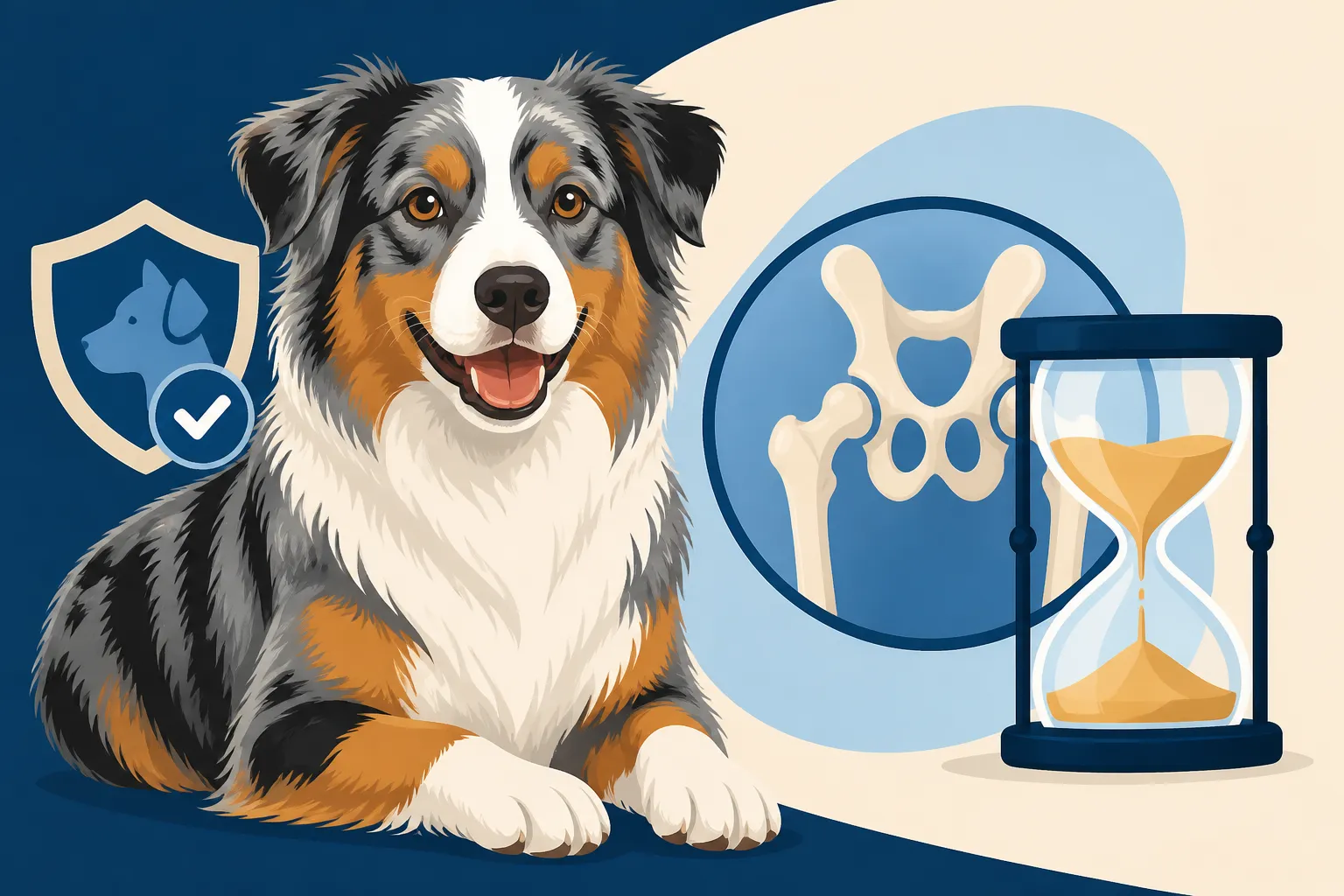
Hip dysplasia is a notoriously common condition in many large, active breeds, and our amazing Australian Shepherds are certainly on that list. It's a developmental condition where the hip joint doesn't form correctly, leading to looseness, pain, and eventually arthritis. Because it's a known hereditary issue and often develops over time, pet insurance companies are very cautious about covering it. They want to ensure that the condition wasn't already present or showing symptoms before you enrolled your dog. This is why many policies have extended waiting periods specifically for orthopedic issues, ranging from six months to a year, or even longer in some cases, before any hip dysplasia claims will be considered. It's a tough pill to swallow when you're trying to be proactive, but it's how insurers manage their risk against expensive, pre-existing conditions. Many Aussie parents find themselves wondering if it's even worth it when faced with these terms, but understanding them is the first step.
Common Waiting Period Lengths for Orthopedic Conditions
The exact length of waiting periods can vary wildly between different pet insurance providers and even different plans. For accidents, you might see waiting periods as short as 24 to 48 hours. For general illnesses, it might be 14 to 30 days. However, for orthopedic conditions like hip dysplasia, patellar luxation, or cruciate ligament tears, these waiting periods are often significantly longer. It’s not uncommon to see a 6-month or even a 12-month waiting period for these types of conditions.
For example, a policy from a provider like Healthy Paws, which is known for its comprehensive coverage, might have a standard 15-day waiting period for accidents and illnesses, but a 6-month waiting period for orthopedic conditions. Other providers might have similar structures, some requiring even longer. It’s absolutely essential to read the fine print of any policy you're considering. Don't just look at the monthly premium; dig into the waiting periods, especially for conditions your Australian Shepherd might be predisposed to. This is where you realize the true value of early enrollment.
Here’s a general idea of how waiting periods often break down:
| Condition Type | Typical Waiting Period Range | Specific Considerations for Aussies |
|---|---|---|
| Accidents | 1-5 days | Generally quick coverage for acute injuries. |
| Illnesses | 14-30 days | Covers things like ear infections, skin allergies. |
| Orthopedic Conditions (e.g., Hip Dysplasia, Cruciate Ligament Issues) | 6-12 months | Critical for breeds like Australian Shepherds; often the longest waiting period. |
| Wellness Plans (if offered) | None (coverage for routine care often immediate) | Can cover vaccinations, routine check-ups; separate from illness/accident. |
This table provides a simplified view. Always verify with the specific insurance company, as policies and terms are subject to change and vary by state.
Navigating Waiting Periods and Pre-Existing Conditions
The concept of a waiting period is intimately linked with what insurance companies refer to as "pre-existing conditions." This is where things can get truly murky and frustrating for pet parents. A pre-existing condition is generally defined as any illness or injury that your Australian Shepherd had before the start of your insurance policy, or that occurred during the waiting period. Even if your Aussie wasn't formally diagnosed, if symptoms were observed by a vet (or even just noted in their records) before the waiting period ended, it could be considered pre-existing and therefore excluded from coverage. This is especially relevant for conditions like Australian Shepherd Hip Dysplasia and Working Joints This can lead to serious heartbreak and unexpected vet bills.
The "Curable" vs. "Incurable" Pre-Existing Condition Loophole
It's not always a black-and-white situation. Some pet insurance providers offer a glimmer of hope with what they call "curable" pre-existing conditions. For instance, if your Australian Shepherd had a urinary tract infection (UTI) before you got coverage, and then was symptom-free for a certain period (e.g., 180 days to a year), some policies might then cover future UTIs. This is far less common for chronic or degenerative conditions like hip dysplasia, however, which are typically classified as "incurable" pre-existing conditions.
For hip dysplasia, if your Aussie shows any signs or symptoms – even a slight limp, stiffness after rest, or difficulty getting up – before or during the orthopedic waiting period, it will almost certainly be considered pre-existing and will be excluded for the life of the policy. This means any related treatments, surgeries like a total hip replacement (which can cost a fortune, as seen in Australian Shepherd Hip Replacement Cost Per Hip), or medications for arthritis due to hip dysplasia would not be covered. This distinction is critical and can make or break your ability to get financial help for these often debilitating conditions.
Strategies for Insuring a Young Aussie
The absolute best strategy for dealing with hip dysplasia waiting periods – and the whole pre-existing condition conundrum – is to enroll your Australian Shepherd when they are a puppy. The younger your Aussie is when you get pet insurance, the less likely they are to have any pre-existing conditions on their vet record. For many policies, you can enroll puppies as young as 8 weeks old, right after their initial vet check-ups. By doing so, you're essentially getting ahead of most of these long orthopedic waiting periods before any potential symptoms of hip dysplasia even have a chance to appear.
Imagine you get your Australian Shepherd puppy at 8 weeks old. You enroll them immediately. While there might still be a 6-month orthopedic waiting period, by the time your Aussie is 8 months old, that waiting period is typically over, and most puppies won't show definitive signs of hip dysplasia before that age. This proactive approach ensures that if hip dysplasia does develop later in their life, it won't be considered a pre-existing condition, and treatment will be covered (minus your deductible and co-pay). This is a vital piece of advice for anyone considering bringing home an Aussie, especially since What an Australian Shepherd Puppy Costs often includes the cost of initial vet checks.
What to Do if Your Aussie Already Shows Symptoms
If your Australian Shepherd is already showing symptoms of hip dysplasia before you've enrolled them in pet insurance, or if they develop symptoms during the waiting period, you're unfortunately in a difficult spot. As mentioned, the condition will almost certainly be deemed pre-existing. This means that particular condition, and often any related conditions (like secondary arthritis in that hip), will not be covered by that policy.
In this scenario, your options are limited:
- Proceed with treatment without insurance coverage: You'll be responsible for 100% of the veterinary costs. This is why having an emergency fund is so crucial for pet owners.
- Look for an insurer with a shorter orthopedic waiting period: While rare, some policies might have slightly shorter periods, but the pre-existing condition clause will still likely apply if symptoms were noted.
- Consider an accident-only policy: While it won't cover hip dysplasia, it would at least provide coverage for unforeseen accidents like broken bones or toxin ingestion.
- Focus on managing the condition: Work closely with your vet on a management plan, which might include pain medication, physical therapy, and joint supplements. You could also explore special food delivery services like Ollie which can be tailored for weight management, a key factor in joint health. This is a tough pill to swallow, and it really underscores why early enrollment is so vital for breeds like the Aussie.
Choosing the Right Policy for an Aussie Prone to Hip Dysplasia
Selecting the right pet insurance policy for an Australian Shepherd, a breed known for its energy and potential orthopedic challenges, requires a bit more foresight than just picking the cheapest option. You’re not just looking for general coverage; you’re looking for a policy that specifically addresses the risks your Aussie faces, and hip dysplasia is high on that list. Understanding policy intricacies, like those related to Australian Shepherd Hip Dysplasia and OFA Scoring, is key to making an informed decision.
Comparing Insurers and Their Orthopedic Waiting Periods
This is where you need to put on your detective hat. Don't assume all insurance companies are the same. Start by researching providers that are known for good orthopedic coverage. Healthy Paws, for instance, is often praised for its comprehensive coverage that includes hip dysplasia once the waiting period is met, and they have a straightforward policy. However, always check their current terms. Other providers like Trupanion also offer excellent coverage, often with slightly different waiting periods or options.
When comparing, specifically ask or look for:
- Length of orthopedic waiting periods: Is it 6 months, 12 months, or something else?
- Bilateral conditions clause: Some policies treat conditions that can affect both sides of the body (like hip dysplasia) differently. If one hip becomes dysplastic before the waiting period ends, they might exclude the other hip too, even if symptoms haven't appeared there yet.
- Vet exam requirements: Most policies require a full vet exam within a certain timeframe (e.g., 12 months) before enrollment to establish a baseline of health. Make sure your Aussie has one.
- Customer reviews: Look for reviews specifically mentioning claims for hip dysplasia or other orthopedic issues. This can give you insight into the claims process and whether people felt supported.
Websites like Chewy, beyond being a great source for pet supplies, also offer pet insurance comparison tools or directly partner with insurance providers, allowing you to easily compare options in one place. This can be a helpful starting point to quickly assess various plans against your Aussie's specific needs.
The Importance of Early Enrollment
I cannot stress this enough: early enrollment is your best defense against pre-existing condition exclusions for hip dysplasia. By getting your Australian Shepherd insured when they are a puppy – ideally between 8 weeks and 6 months old – you significantly increase the chances that any future hip dysplasia diagnosis will be covered. During this young age, most Aussies haven’t developed clear symptoms of hip dysplasia, and their vet records are usually clean.
Consider the scenario:
- Late Enrollment: You wait until your Aussie is 2 years old. They've been a bit stiff after long walks for a few months, but you just thought they were tired. You get insurance, but during the waiting period or shortly after, a vet officially diagnoses hip dysplasia. Because symptoms were likely present before or during the waiting period, it's considered pre-existing. No coverage.
- Early Enrollment: You enroll your 10-week-old Aussie. The 6-month orthopedic waiting period passes. At 2 years old, your Aussie starts showing the exact same stiffness, and hip dysplasia is diagnosed. Because the condition manifested after both the enrollment date and the waiting period, it's covered.
This difference can literally save you thousands of dollars in vet bills over your Aussie's lifetime, giving you peace of mind that you can afford the best care for them. Think about it, the Australian Shepherd Lifetime Across Twelve to Fifteen Years is a long time to manage an expensive chronic condition without help.
Beyond Waiting Periods: Deductibles and Annual Limits
While waiting periods are critical, they're just one piece of the pet insurance puzzle. To truly understand your Australian Shepherd's coverage, you also need to factor in deductibles and annual limits.
- Deductible: This is the amount you pay out-of-pocket before your insurance company starts to reimburse you. You usually choose a deductible amount (e.g., $250, $500, $1,000) when you enroll. A lower deductible means higher monthly premiums, and vice-versa. For a chronic condition like hip dysplasia, you might only pay this once per condition per policy year, or once per year regardless of the condition, depending on the policy.
- Reimbursement Percentage: After your deductible is met, the insurance company will reimburse you a certain percentage of the eligible vet bill (e.g., 70%, 80%, 90%).
- Annual Limit: This is the maximum amount your policy will pay out in a single policy year. Some policies have unlimited annual payouts, which is fantastic for very expensive, chronic conditions. Others might cap it at $5,000, $10,000, or more. For an Australian Shepherd, especially one with a condition like hip dysplasia that might require surgery, rehabilitation, and long-term medication, an adequate annual limit is crucial.
Understanding these variables, alongside the waiting periods, allows you to pick a policy that fits both your budget and your Australian Shepherd's potential health needs. Considering that Australian Shepherd Insurance at $35 to $55 a Month is a recurring cost, balancing these factors is key.
Actionable Steps to Protect Your Australian Shepherd
Given the complexities and potential costs associated with hip dysplasia in Australian Shepherds, taking proactive steps is not just smart, it's essential. You want to give your beloved Aussie the best possible chance at a long, healthy, and active life, minimizing the impact of potential genetic predispositions and maximizing the benefits of any insurance you choose.
Proactive Joint Health from Puppyhood
It's never too early to start thinking about your Australian Shepherd's joint health. This isn't just about insurance; it's about physical well-being.
- Responsible Breeding: If you're getting a puppy, choose a reputable breeder who performs The Health Tests Every Australian Shepherd Parent Needs, including OFA or PennHIP evaluations for hip and elbow dysplasia on both parent dogs. This significantly reduces the likelihood of inheriting severe hip issues.
- Controlled Exercise: While Aussies are bundles of energy, intense, high-impact exercise (like jumping off high objects, excessive stair climbing, or very long runs) should be limited during puppyhood while their growth plates are still open. Their joints are still developing, and too much stress can contribute to orthopedic problems later. Understanding Australian Shepherd Growth Plates and When They Close is crucial here.
- Maintain a Healthy Weight: This is paramount. Excess weight puts incredible strain on joints, exacerbating any underlying predisposition to hip dysplasia. Work with your vet to ensure your Australian Shepherd maintains a lean body condition throughout their life. Even a few extra pounds can make a huge difference in joint pain and progression of arthritis. This is also where balanced nutrition comes in, and fresh food options from brands like Ollie can help with precise portion control for maintaining ideal weight.
- Joint Supplements: Talk to your vet about starting your Australian Shepherd on joint supplements, such as glucosamine and chondroitin, or fish oil, even before symptoms appear. Many owners begin Starting Joint Support on a Young Working Aussie to be proactive. These can help support cartilage health and reduce inflammation.
The Role of Regular Vet Checks and Documentation
Regular veterinary check-ups are important for several reasons beyond just general health. They create a continuous medical record for your Australian Shepherd, which is invaluable for pet insurance claims.
- Baseline Health: During puppy checks and annual exams, your vet documents your Aussie's health status. This provides a clear timeline for your insurance company, showing when conditions developed.
- Early Detection: Your vet can often spot subtle signs of orthopedic issues long before they become obvious to you. Early detection can allow for earlier intervention, potentially slowing the progression of conditions like hip dysplasia.
- Strong Claims: A well-documented medical history supports your insurance claims. If your Aussie is diagnosed with hip dysplasia after the waiting period, clear vet records demonstrating no previous symptoms will strengthen your case for coverage. Be sure to discuss any lameness or stiffness with your vet, no matter how minor it seems, and ensure it's recorded.
Considering Accident-Only or Wellness Plans in the Interim
If you find yourself with an adult Australian Shepherd who either already has a pre-existing condition, or for whom a comprehensive illness plan with long waiting periods feels overwhelming, don't despair entirely. You still have options to protect your dog financially:
- Accident-Only Plans: These policies are generally much cheaper and have very short waiting periods (often just 1-3 days). While they won't cover hip dysplasia, they will cover unforeseen injuries like broken bones, lacerations, car accidents, or ingesting something toxic. Given how active Aussies are, accidents are always a possibility, and this provides a safety net for those emergencies.
- Wellness Plans: Offered as an add-on or stand-alone, wellness plans cover routine preventative care like annual exams, vaccinations, heartworm tests, and sometimes dental cleanings. These are not insurance in the traditional sense but can help you budget for predictable care costs. They do not have waiting periods for the services they cover.
- Building an Emergency Fund: Regardless of your insurance choices, always strive to have a dedicated emergency fund for your pet. This cash reserve can cover deductibles, co-pays, or even the entire cost of treatment for excluded pre-existing conditions. Many people find that Aussie Vet Bills Between $15,000 and $40,000 can be a reality over a dog's lifetime, so being prepared is crucial.
Ultimately, protecting your Australian Shepherd from the financial burden of hip dysplasia involves a multi-faceted approach: proactive care, informed insurance choices made early, and diligent veterinary partnership.
Disclaimer
This article is intended for informational purposes only and does not constitute veterinary advice or a recommendation for any specific pet insurance product. Always consult with a qualified veterinarian for any health concerns regarding your Australian Shepherd and review specific policy details directly with pet insurance providers to understand their terms, conditions, exclusions, and waiting periods.