A Century of Basque Herding Behind the Aussie
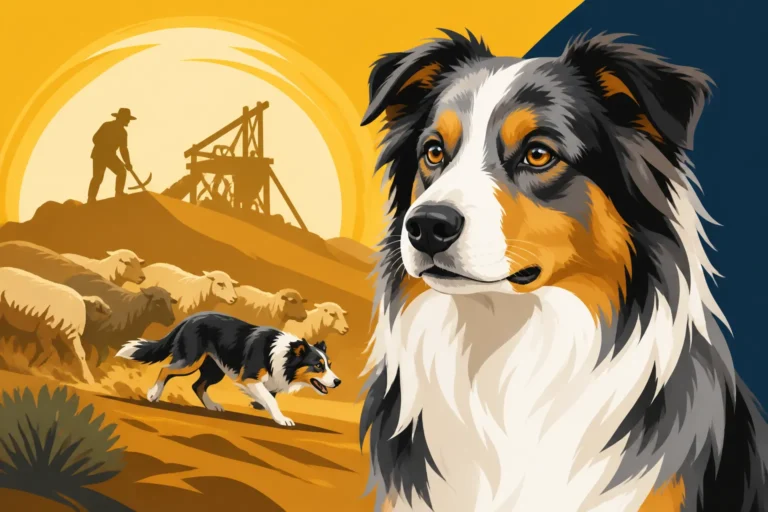
It’s a common misconception, isn't it? The name "Australian Shepherd" conjures images of sun-drenched sheep stations Down Under, but the truth is, this incredible breed didn't originate there at all. In fact, a deep dive into their history reveals a fascinating journey rooted in the hardworking traditions of Basque shepherds, whose dedicated efforts over a century in the American West truly shaped the Aussie we know and love today. This guide will take you through the incredible story of how these resilient herding dogs came to be, far from Australia's shores.
Dispelling the "Australian" Myth: A Tale of Western America
The name "Australian Shepherd" is probably the biggest red herring in the breed's history. So many new owners or even seasoned dog enthusiasts scratch their heads, wondering why this unmistakably American breed carries such an international moniker. It's a source of genuine confusion, especially when you're trying to learn about their background and find yourself searching for Australian origins that simply don't exist.
The True Cradle of the Australian Shepherd
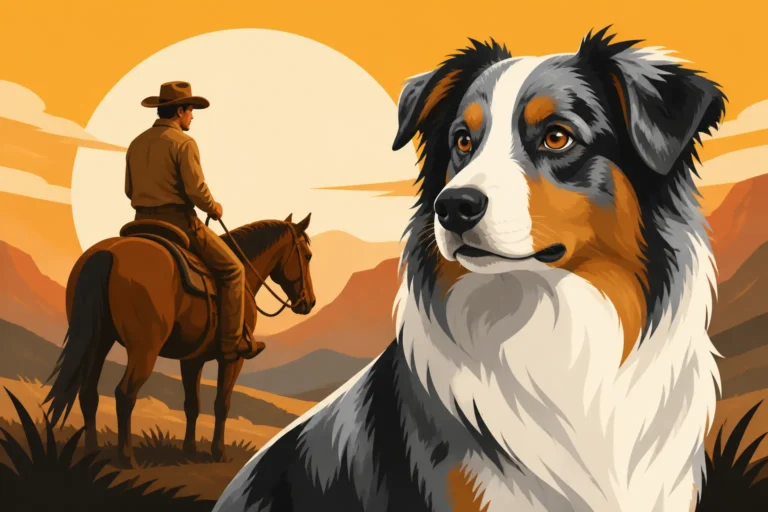
The real story of the Australian Shepherd begins not in Australia, but firmly in the American West. Think vast, open rangelands, cattle drives, and flocks of sheep dotting rolling hills – this was the environment where the breed truly coalesced and developed its distinctive traits. It was a rugged landscape demanding a rugged, intelligent, and tireless canine partner. The ranchers and farmers in states like California, Oregon, Idaho, and Nevada needed dogs that could handle diverse terrain, extreme weather, and clever livestock.
The breed’s lineage is a melting pot of European herding dogs, primarily brought over by immigrants. These were the dogs that proved their worth day in and day out, selectively bred for their working ability rather than their looks or pedigree. The "type" of dog that became the Australian Shepherd was forged in the crucible of necessity, with each generation refined by the demands of the working ranch and farm. It’s a testament to the practical, no-nonsense approach of those early Western settlers who valued function above all else.
The Unsung Heroes: Basque Sheepherders
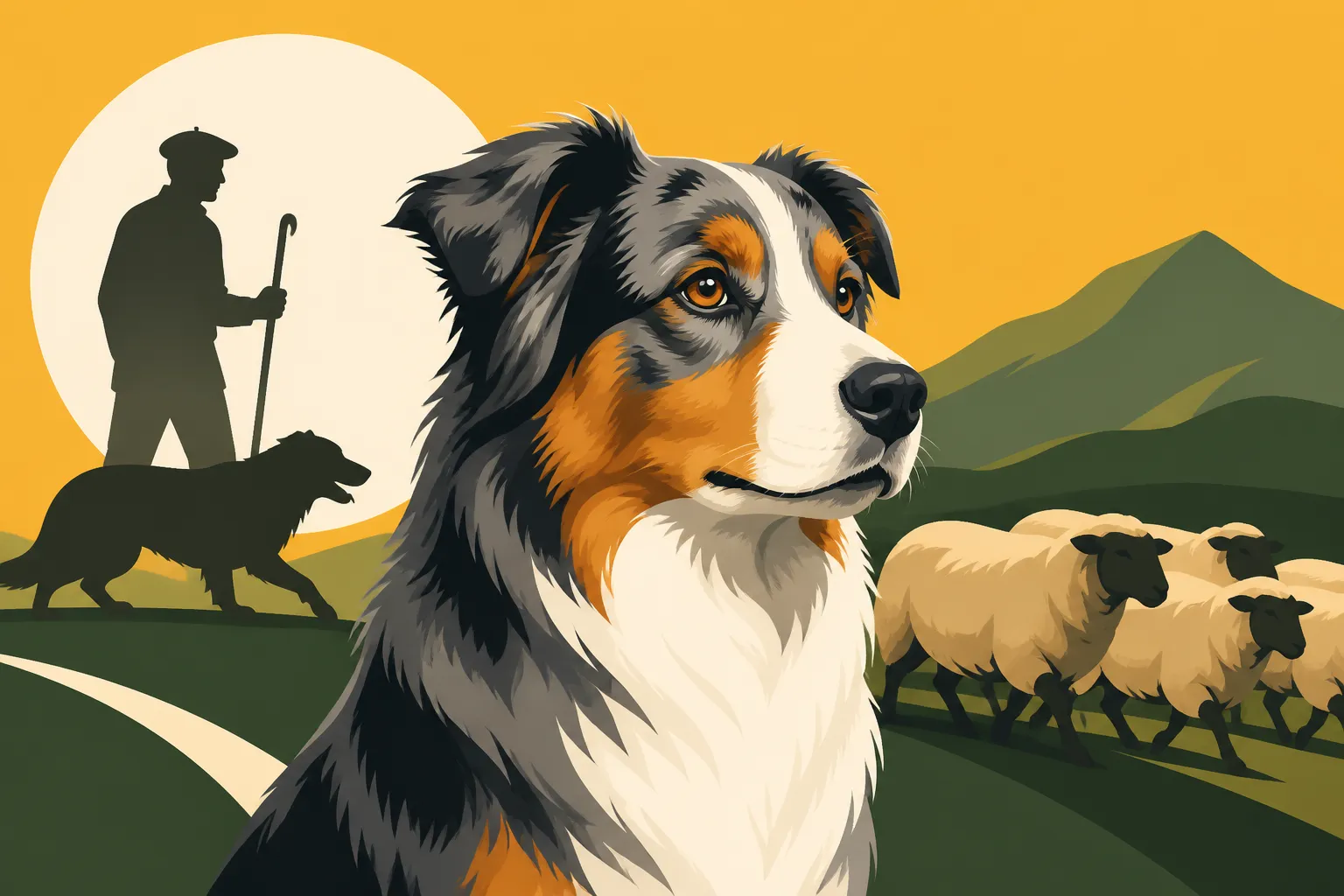
Central to the story of the Australian Shepherd are the Basque people. These skilled shepherds, hailing from a unique cultural region spanning the border of Spain and France, played an absolutely critical role in bringing the ancestral dogs to the Americas. They were renowned for their expertise with sheep and their incredible work ethic, often migrating across continents in search of new opportunities.
As these Basque shepherds moved, they brought their most valuable assets with them: their dogs. These were not show dogs, but indispensable partners in their arduous trade. They understood intimately the challenges of managing large flocks and recognized the intelligence and drive required in a good herding dog. Without their tireless work and their carefully selected canine companions, the foundation for the Australian Shepherd simply wouldn't have been laid. Their legacy is etched into the very DNA of the breed, a testament to a century of dedicated herding. The Basque Shepherds Behind the Australian Shepherd is a fascinating read that delves even deeper into their invaluable contribution.
The Journey West: How Basque Dogs Arrived in America
Understanding the journey of these dogs helps clarify that puzzling "Australian" name. It wasn't a direct trip from the Pyrenees mountains to the American West, but rather a circuitous route that involved a stopover. The history of migration is rarely a straight line, and the path of the Aussie's ancestors is a perfect example of that.
From the Pyrenees to the Pacific Coast
Many Basque shepherds, facing economic hardship in their homeland, initially migrated to Australia in the 19th century, taking their superior sheep and working dogs with them. They found opportunities in the burgeoning sheep industry there. However, later waves of migration, particularly around the time of the California Gold Rush in the mid-1800s, saw many of these same Basque shepherds, often with their flocks and dogs, move from Australia to the booming American West. Imagine the arduous journey, crossing oceans, herding livestock, and ensuring the health and safety of their precious working dogs.
These dogs, often simply referred to as "Little Blue Dogs" or "Pastor Dogs" by the Basque, were hardy, intelligent, and possessed an innate herding ability. They were ideally suited for the challenging landscapes of places like California, Oregon, and Nevada. Their ancestry likely included dogs similar to Pyrenean Shepherds or other traditional European herding breeds, selected for their resilience and instinct. When you're looking for gear for these robust dogs, even today, you can find a wealth of options online; a quick search for durable training equipment for herding breeds on platforms like Chewy will show you how much the practical needs of these dogs still influence product development.
The "Australian" Connection Explained
So, why did they end up being called "Australian Shepherds" in America? The most widely accepted theory is quite simple: when these Basque shepherds arrived in the American West from Australia, their dogs were often perceived as "the dogs from Australia" by the American ranchers. It wasn't that the dogs originated in Australia, but that they had passed through Australia with their Basque handlers and flocks.
The dogs often worked with Merino sheep, a breed that had also been imported to the United States from Australia. This further cemented the association in the minds of American ranchers. The label wasn't an official breed name, but more of a descriptive identifier based on the dogs' most recent point of origin before arriving in the American sheep camps. It was a practical, albeit geographically misleading, way for people to identify the excellent working dogs that accompanied the successful Basque shepherds. If you've ever heard of Why the Australian Shepherd Carries That Name, you'll know this historical detail is often a delightful surprise to new Aussie owners.
Forging the Aussie: Blending Old World Instinct with New World Needs
The Basque dogs provided the essential genetic foundation, but the Australian Shepherd breed as we know it today was refined and shaped by the specific demands of the American West. It was a process of natural selection and intentional breeding by practical people seeking the best working partners for their lives.
Early Breeding Goals on American Ranches
American ranchers and shepherds had very clear objectives for their dogs. They needed an animal that could:
- Handle various types of livestock: Not just sheep, but also cattle, which require a different approach to herding.
- Exhibit immense stamina: To cover vast distances over varied terrain for hours on end.
- Possess keen intelligence and biddability: To quickly learn and execute complex commands, often from a distance.
- Demonstrate a strong, but controllable, herding instinct: To gather and move animals without being overly aggressive or scattering the flock.
- Be resilient to harsh weather: From scorching summers to freezing winters, the dogs needed to thrive outdoors.
These traits were paramount. Breeders weren't initially concerned with uniform appearance or official pedigrees; their focus was purely on working ability. Dogs that excelled in the fields and on the ranches were the ones chosen to breed, ensuring that the critical working characteristics were passed down through generations. This created a highly adaptable and intelligent herding dog, perfectly suited for the diverse and challenging tasks of Western ranching. This fierce working character is a core part of The Australian Shepherd Temperament and Working Character.
The Influence of Other Breeds
While the Basque dogs provided the core foundation, it’s highly likely that other working collies and local herding dogs present in the American West contributed to the developing Australian Shepherd type. The genetic landscape of working dogs in the 19th and early 20th centuries was fluid, with cross-breeding often occurring to enhance specific working traits. Ranchers would have bred their most capable dogs, regardless of strict lineage, to produce the next generation of effective helpers.
This blending would have introduced genetic diversity and potentially reinforced desirable traits like keen eyesight, agility, and a strong work ethic. It’s important to remember that formal breed registries and strict genetic purity were not the priority for these working animals. The priority was simply a dog that could do the job, and do it well. For those curious about the broader genetic history, exploring resources like the genetic testing kits available on Chewy can offer a modern perspective on the diverse ancestry of many breeds, and help current owners understand their Aussie's unique makeup.
Solidifying the Breed Type and Recognition
Over time, as the practicality and consistent abilities of these "Australian Shepherds" became widely recognized, a more distinct type began to emerge. Ranchers and rodeo performers, who often showcased these intelligent dogs in their acts, played a significant role in popularizing them. This growing popularity eventually led to a desire for more formal recognition and the establishment of a breed standard.
In the mid-20th century, dedicated enthusiasts began working to formalize the breed. The Australian Shepherd Club of America (ASCA) was founded in 1957, and later, the breed gained recognition with the American Kennel Club (AKC) in 1993. This formalization allowed for the establishment of pedigrees, health testing guidelines, and a defined breed standard, moving the Australian Shepherd from a strictly working "type" to a recognized breed. This journey is further explored in Ranch Bred Against Ring Bred Australian Shepherds, highlighting the transition from purely utilitarian dogs to those also excelling in conformation rings.
Here’s a quick summary of the journey:
| Aspect | Common Misconception | Historical Reality |
|---|---|---|
| Origin Country | Australia | Western United States (California, Oregon, Idaho) |
| Primary Ancestry | Indigenous Australian dogs | European herding dogs, mainly from Basque shepherds |
| Migration Path | Direct from Australia to US | Basque shepherds and dogs went to Australia, then US |
| Why the Name | Developed in Australia | Arrived in US from Australia with Basque shepherds |
| Driving Force | Australian ranching needs | American West ranching and rodeo needs |
The rich history of the Australian Shepherd is a story of migration, adaptation, and the enduring bond between humans and their working dogs. From the Pyrenees to the vast ranches of America, these dogs, guided by their Basque handlers, carved out a unique and unforgettable legacy.
Disclaimer
This article is for general informational purposes only and does not constitute professional advice. Laws, prices and regulations vary by location and change over time. Consult a qualified professional for guidance on your specific situation.