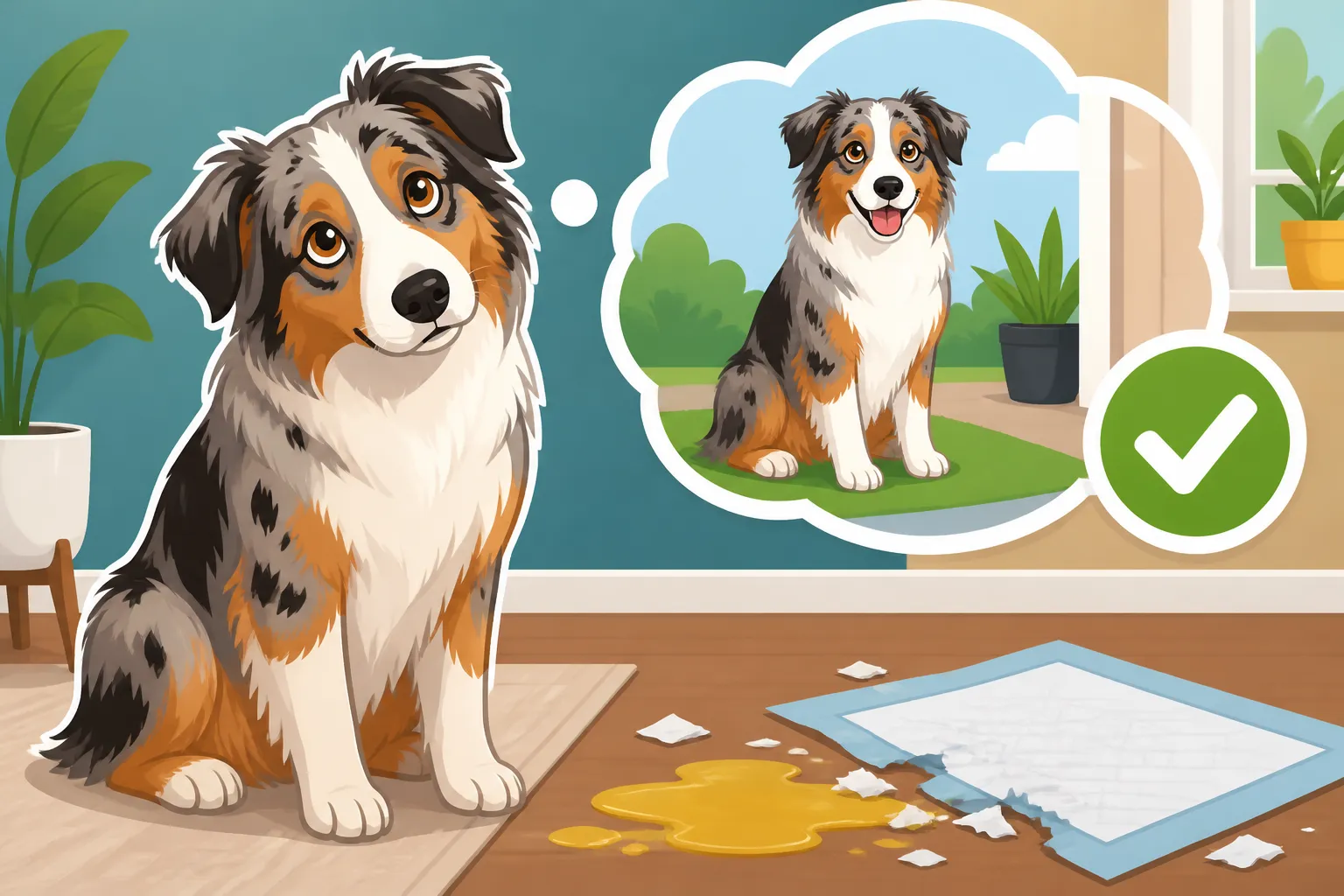
An Aussie Backsliding on House Training
It's incredibly frustrating, and honestly, a little disheartening, when your Australian Shepherd, who has been perfectly house-trained for months or even years, suddenly starts having accidents indoors. You might find yourself scratching your head, wondering if they've forgotten everything they learned, or if something more serious is going on. This guide is here to walk you through the common reasons behind house-training regression in Aussies and provide actionable steps to help your furry friend (and your floors) get back on track.
Why Your House-Trained Aussie Might Be Having Accidents
When a dog that's been reliably house-trained starts having accidents inside, the first thing on your mind might be, "Are they doing this on purpose?" But more often than not, there's a clear, understandable reason for the change in behavior. It's rarely out of spite. For Aussies, with their intelligence and sensitivity, these reasons can range from physical ailments to emotional distress or a simple breakdown in routine.
Unseen Medical Conditions and Pain
Before you jump to any behavioral conclusions, the absolute first step when your Aussie starts having accidents is a trip to the vet. Many medical conditions can cause a dog to lose control of their bladder or bowels, and these are often not obvious until the accidents start. It's not about them forgetting; it's about their body failing them.
Common culprits include urinary tract infections (UTIs), bladder stones, or kidney issues, all of which can increase the urgency and frequency of urination, making it impossible for your dog to hold it until they get outside. They might even feel discomfort when trying to urinate, leading them to associate the act with pain, or simply make it harder to empty their bladder fully when they do go out. This is why a urinalysis and sometimes blood work are crucial first steps.
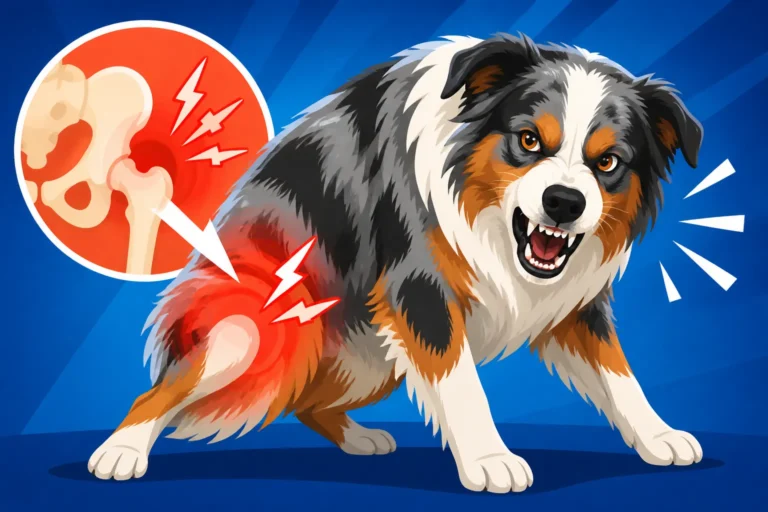
Beyond urinary system problems, other physical ailments can contribute. Joint pain, such as that caused by Australian Shepherd Arthritis After Years of Work, can make it difficult for your dog to get up quickly, go down the stairs, or even walk to the door in time. They might be in pain and simply unable to physically make it outside, or perhaps the discomfort makes them reluctant to move as much. Older Aussies might experience cognitive decline, much like dementia in humans, where they genuinely forget their house-training rules or where the door even is. Additionally, certain medications, especially those that increase thirst or have diuretic effects, can lead to more frequent urination. Conditions like diabetes can also cause increased thirst and urination. A thorough veterinary check-up, including blood tests and possibly imaging, is indispensable to rule out these possibilities.
Behavioral and Environmental Stressors
Once medical causes have been ruled out, it's time to consider what might be happening in your Aussie's world emotionally and environmentally. Australian Shepherds are incredibly sensitive and intelligent dogs, and changes in their environment or routine can have a significant impact on their behavior. What might seem like a small shift to you could be a huge source of stress for them.
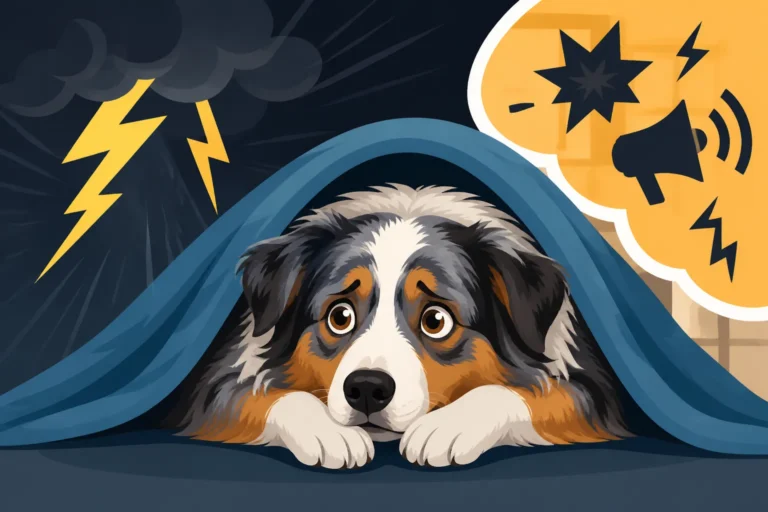
Emotional upheaval is a big one. Has there been a new baby or pet introduced into the home? Have house guests been staying for an extended period, disrupting their space or your attention? Even something as seemingly positive as moving to a new house can be incredibly stressful for an Aussie, leading them to regress in their training while they adjust to unfamiliar surroundings. Your dog might be feeling anxious, insecure, or even jealous, and these emotions can manifest as accidents indoors. It’s their way of communicating that something is off, even if it's not a conscious decision to be "naughty."
Changes in your daily schedule can also be a major factor. If your work hours have shifted, or if there's been a change in who takes them out or how often, your Aussie might not be getting the consistent potty breaks they need. For a young Aussie entering adolescence, The Aussie Teenage Months and What Changes can sometimes bring a temporary lapse in otherwise solid training as they test boundaries and their bodies mature. Furthermore, separation anxiety is a significant concern for many Aussies. If they are left alone for longer periods than they're comfortable with, or if they're particularly stressed by your absence, they might have accidents as a direct result of their anxiety, not because they've forgotten where to go. Sometimes, sheer boredom and a lack of mental and physical stimulation can also lead to attention-seeking behavior, which unfortunately can include accidents.
Resetting the Foundation: Back to Basics
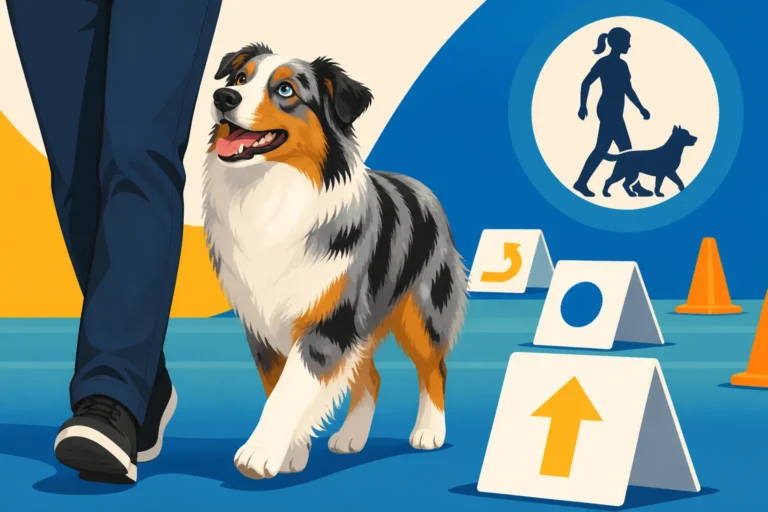
Once you've ruled out medical issues, it's time to approach house-training regression as if your Aussie were a puppy again. This might feel like a step backward, but it’s the most effective way to re-establish good habits and remind them of the rules. Patience and consistency are your two most powerful tools here.
Re-establishing a Strict Potty Schedule
The cornerstone of successful house-training, whether for a puppy or a dog experiencing regression, is a rigid and predictable potty schedule. You need to eliminate any opportunities for accidents by taking your Aussie out frequently and consistently. Think of it as hitting the reset button completely. This means taking them outside first thing in the morning, immediately after every meal or drink, after every nap, before bedtime, and every hour or two in between. Yes, it's a lot, but it helps identify their true bladder and bowel patterns and minimizes the chance of an indoor mistake.
When you take them out, always go to the same designated "potty spot" if possible. This helps them associate that specific area with relieving themselves. Use a clear, consistent potty command like "Go potty!" or "Do your business!" every single time. The moment they successfully go, heap on the praise and offer a high-value treat immediately. The treat needs to be given within a few seconds of them finishing their business so they make the direct connection: "Going potty outside earns amazing rewards!"
Crucially, these initial outdoor trips should be purposeful. Don't let them get distracted by sniffing every bush or chasing butterflies. Go out, encourage them to relieve themselves, reward, and then you can take a longer walk for exercise or play time. This differentiation helps them understand that the immediate trip outside is for business, not just fun. Over time, as they become more reliable, you can gradually increase the time between potty breaks, but always err on the side of going out too often rather than not enough.
Utilizing Crate Training and Supervision Effectively
For an Australian Shepherd experiencing house-training regression, returning to strict supervision and strategic use of a crate can be incredibly effective. The goal is to prevent any accidents from happening indoors, as every accident reinforces the bad habit and makes the task harder.
A crate, when used correctly, is not a punishment tool but rather a safe, comfortable den where dogs naturally don't want to soil their living space. They instinctively try to hold it. Ensure the crate is the correct size: just large enough for your Aussie to stand up, turn around, and lie down comfortably. If it's too big, they might use one end as a bathroom and the other as a bed, defeating the purpose. Many durable and appropriately sized crates are available on Amazon, offering various styles to suit your home. The crate becomes your dog’s safe space when you can’t actively supervise them, such as overnight or when you need to leave the house for short periods. Always ensure they've had a chance to relieve themselves right before crating.
When your Aussie is out of the crate, they should be under constant supervision. This might mean keeping them tethered to you with a leash, or ensuring they are always in the same room as you. This vigilance allows you to immediately spot signs that they need to go out – sniffing around, circling, or suddenly heading towards a quiet corner. The moment you see these signs, calmly and quickly usher them outside to their designated potty spot. This phase of strict supervision is vital for preventing "silent" accidents that happen when you're not looking, which can undermine all your efforts. Consistency in preventing accidents by either crating or supervising closely will swiftly re-teach your Aussie where the appropriate place to relieve themselves truly is.
Addressing Specific Challenges and Ensuring Success
Sometimes, regression isn't just about forgetting. There can be specific behavioral patterns or environmental factors that need a targeted approach. Understanding these nuances can make a big difference in your success.
Distinguishing True Accidents from Marking Behavior
It’s crucial to understand that not all indoor peeing is the same. There's a significant difference between a true house-training accident and marking behavior, and addressing them requires different strategies. A true accident usually involves your dog emptying their bladder in an inappropriate spot, often in a more secluded area, indicating they either couldn't hold it or genuinely forgot the rules. These tend to be larger puddles.
Marking, on the other hand, is usually characterized by smaller amounts of urine, often sprayed on vertical surfaces like furniture legs, walls, or even human belongings. It’s a territorial behavior, a way for dogs to communicate their presence and claim their space. While A Male Australian Shepherd Marking Indoors is a common issue, even females can mark, especially when they are intact or during certain hormonal cycles. Neutering can sometimes reduce marking behavior, but it's not a guaranteed fix, especially if the habit has become deeply ingrained in an adult dog.
If you suspect marking, management is key. This could include using belly bands for male dogs (essentially a diaper that prevents urine from reaching surfaces) while you work on retraining and reducing the underlying territorial or anxiety drivers. Continued vigilance is necessary to catch your dog in the act (or just before) and redirect them outside. If they are marking out of anxiety, addressing that anxiety through behavioral modification techniques, increased exercise, and mental stimulation will be more effective than just treating it as a house-training lapse. It’s a message your dog is sending, and you need to figure out what that message is to truly solve the problem.
The Critical Role of Thorough Cleaning
This might sound obvious, but effective cleaning is absolutely non-negotiable when dealing with house-training regression. Dogs are incredibly scent-driven creatures. If an accident spot isn't cleaned thoroughly, the lingering odor – even if undetectable to the human nose – acts as a powerful beacon, telling your Aussie, "Hey, this is a perfectly acceptable place to pee again!" It’s a self-perpetuating problem.
Standard household cleaners might remove the visible stain and even smell good to you, but they often don't break down the uric acid crystals found in dog urine. These crystals remain in carpets, upholstery, or even floorboards, and once they're reactivated by humidity or subsequent moisture, the odor comes back, and so does the attraction for your dog. It's like leaving a neon sign for them.
This is where enzymatic cleaners become your best friend. These specialized cleaners contain enzymes that break down the urine at a molecular level, truly eliminating the odor and the attractant. You can find excellent enzymatic cleaners at most pet stores and even on Amazon. It's vital to follow the product instructions carefully, often meaning soaking the area generously and allowing it to air dry completely. Don't just dab at the surface. For deep penetration, especially in carpets or porous surfaces, you might need to use a significant amount of cleaner and potentially multiple applications. Treating every single accident spot, even those you think are clean, is paramount to breaking the cycle of re-soiling.
Consistent Positive Reinforcement and Training Resources
The way you react to accidents and successes during this retraining period is vital. Never, ever punish your Australian Shepherd for an accident they've had indoors. Punishment, especially if it happens after the fact (even a few minutes later), doesn't teach them not to pee inside. Instead, it teaches them to fear you, to hide their accidents, or to simply associate your presence with negative experiences. This can break down trust and make the whole process much harder. You want your Aussie to be comfortable going potty in front of you, just outside.
Instead, focus entirely on consistent positive reinforcement. Make going potty outside the most rewarding experience possible. As soon as they finish relieving themselves outdoors, immediately offer enthusiastic verbal praise ("Good potty! Yes!"), followed by a high-value treat. This treat should be something truly special they don't get at other times, like a piece of cheese or cooked chicken. The timing is crucial: the reward needs to happen within seconds of the act so they can clearly connect the behavior with the positive outcome. The goal is to build such a strong positive association with outdoor potty breaks that they actively seek to go outside.
For ongoing support and structured guidance, especially if you're feeling overwhelmed, utilizing professional training resources can be a game-changer. Online training platforms, like those offered by BAXTER & Bella, can provide step-by-step programs, expert advice, and a community of support for various behavioral challenges, including house-training refreshers. They often emphasize positive reinforcement techniques that work well with intelligent breeds like Aussies. Additionally, reflecting on The First Year Mistakes Aussie Owners Make can offer insights into areas where consistency might have slipped, helping you reinforce foundational behaviors. Remember, every successful potty break outside is a step forward, and your consistent positive reinforcement is what builds that success.
Common Causes of House-Training Regression & Solutions
| Potential Cause | Signs to Look For | Recommended Solution |
|---|---|---|
| Medical Issue (UTI, pain, etc.) | Increased frequency, straining, small amounts, lethargy | Immediate Vet Visit: Rule out any underlying health problems first. This is non-negotiable. |
| Stress/Anxiety | New environment, new people/pets, clinginess, destructive behavior | Identify stressor, provide safe space, consistent routine, possibly consult a professional trainer/behaviorist. |
| Change in Routine | Owner schedule shift, less frequent potty breaks | Establish a strict, consistent potty schedule, similar to puppy training. |
| Lack of Supervision | Accidents happen when you're not actively watching | Supervise constantly (tethering), use a crate when not directly supervised. |
| Incomplete Cleaning | Re-soiling the same spots indoors | Use enzymatic cleaner thoroughly on all accident spots to eliminate odors. |
| Marking Behavior | Small amounts of urine on vertical surfaces | Use belly bands (for males), reinforce outdoor marking, consider re-evaluation of neutering status if applicable. |
| Age-related Cognitive Decline | Confusion, staring, forgetting commands, altered sleep cycle | Consult vet for management options, increased potty breaks, consistent routine, easy access to outdoor areas. |
It might feel like a big challenge to re-establish house-training with an adult Australian Shepherd, but with patience, consistency, and a clear understanding of the underlying causes, you absolutely can get back to a clean home. Your Aussie is counting on you to be their guide and advocate, and by following these steps, you'll strengthen your bond while solving the problem.
Disclaimer
This article is for general informational purposes only and does not constitute professional advice. Laws, prices and regulations vary by location and change over time. Consult a qualified professional for guidance on your specific situation.