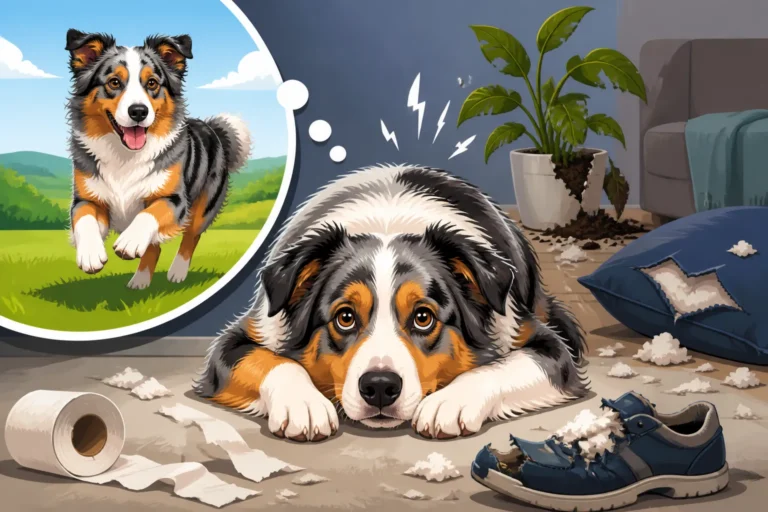
The Aussie Teenage Months and What Changes
It’s a tale as old as time for Australian Shepherd owners: you bring home this adorable, fuzzy little land shark who, with consistent training and love, slowly but surely becomes a well-mannered, delightful companion. You breathe a sigh of relief, thinking you’ve cracked the code. Then, almost overnight, your sweet pup seems to transform into a furry, defiant teenager who has suddenly forgotten every cue, started testing every boundary, and acts as if they’ve never heard the word “no” in their life. This guide is here to walk you through those often-frustrating Australian Shepherd teenage months, explaining what changes and offering realistic strategies to navigate this challenging but temporary phase.
Understanding the Australian Shepherd Adolescent Phase
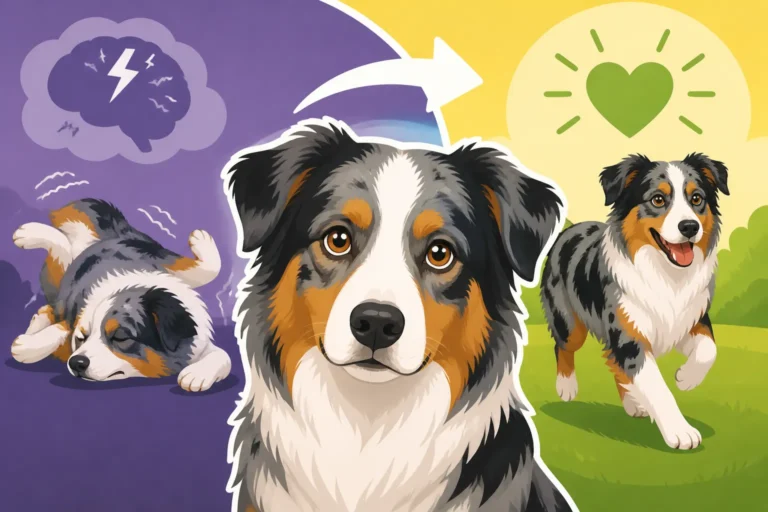
Just like human teenagers, adolescent Australian Shepherds are going through a whirlwind of physical and mental development. This isn't just a phase; it's a critical period that shapes the adult dog they will become, often marked by a frustrating regression in manners and a sudden surge in confidence (or defiance, depending on your perspective!).
When the Teenage Phase Hits Your Aussie
For most Australian Shepherds, the adolescent phase typically kicks in around 6 months of age and can last until they are 18 months to even 2 or 2.5 years old. This is a pretty wide window, I know, and it can feel even longer when you’re in the thick of it! Smaller dogs tend to hit adolescence earlier and mature faster, while larger breeds might stretch it out a bit longer. Aussies, being a medium-to-large, highly intelligent working breed, usually fall somewhere in the middle, often leaning towards the longer end of that spectrum due to their intense mental and physical development.
You might notice subtle shifts first: a little less eagerness to please, a slight hesitation on a recall they once aced, or a new interest in things they previously ignored. Then, often, it hits with full force. One day, your puppy is attentive; the next, they're suddenly deaf to your commands, preferring to explore the fascinating smells under a bush rather than come when called. Their body is growing, hormones are surging, and their brain is literally rewiring itself, making them more independent and exploratory, which translates to a whole lot of "questioning authority" in your living room or at the dog park.
Why This Stage Feels Like a Setback
It’s completely normal to feel like you’ve taken ten steps backward in your training journey. You've poured hours into positive reinforcement, puppy classes, and socialization, only for your Australian Shepherd to seemingly "forget" it all. The truth is, they haven't forgotten; their brain is just prioritizing new things. They're like a human teenager whose frontal lobe is still developing, making impulse control and long-term consequences a foreign concept.
During this time, your Aussie is actively pushing boundaries, testing what they can get away with, and exploring their place in the world. This can manifest as increased nipping, barking, jumping, or simply ignoring commands that were once solid. They might suddenly be more reactive to other dogs, people, or noises, even if they were perfectly socialized as a young puppy. This isn't a sign of bad training on your part, but rather a natural, albeit frustrating, stage of development. Understanding this can help you approach the situation with more patience and less personal frustration. It’s not a personal attack; it’s just dog adolescence!
Hormonal Surges and Their Impact on Behavior
The adolescent period is heavily influenced by a surge of hormones. For intact dogs, this means grappling with sexual maturity, but even for spayed or neutered Aussies, their bodies are undergoing significant changes that affect their perception and reactions to the world around them.
The Role of Neutering and Spaying Timing
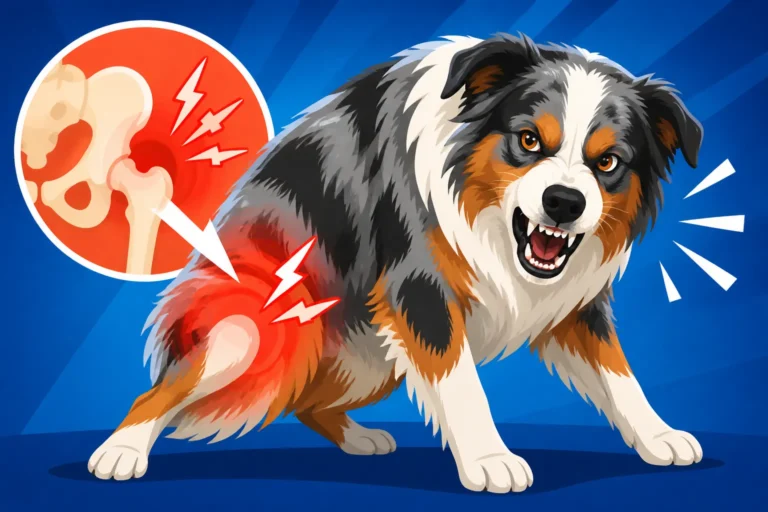
The decision of when to spay or neuter an Australian Shepherd is a really personal one, and it's something many owners agonize over, and for good reason. There’s a lot of evolving research on the topic, with some suggesting that waiting until an Aussie is more physically mature (around 18-24 months) can be beneficial for joint development, especially for a breed prone to Australian Shepherd Hip Dysplasia and Working Joints. Allowing those growth plates to fully close before major hormonal changes occur is often cited as a key factor.
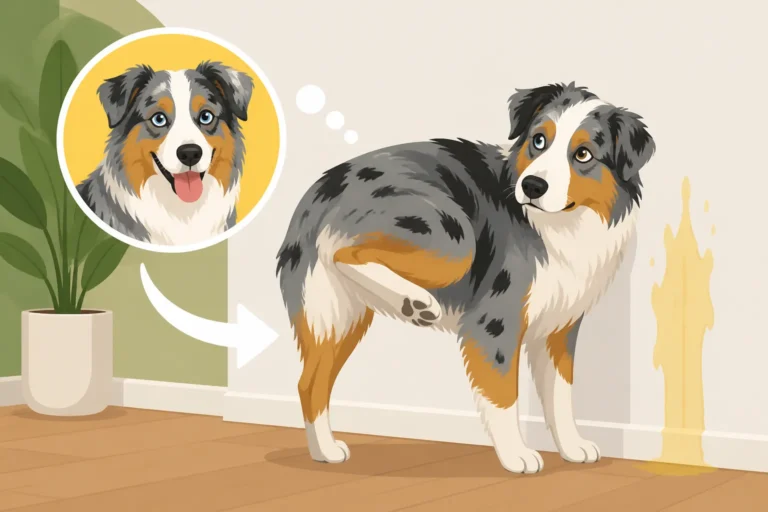
However, leaving an Aussie intact through adolescence can also bring its own behavioral challenges. Intact males might be more prone to marking, roaming, and displaying increased territoriality or competition with other intact males. Intact females will go through heat cycles, which come with their own set of behavioral shifts, including increased attraction from males, restlessness, and sometimes irritability. My advice here is always to have a really open and honest conversation with your vet. Discuss your Aussie's individual temperament, your lifestyle, and weigh the pros and cons carefully, considering factors like Neuter Timing Around Aussie Growth Plates for their long-term health. There's no one-size-fits-all answer, but understanding the hormonal landscape is crucial.
Heightened Reactivity and Sensitivity
One of the most common and challenging aspects of Aussie adolescence is the sudden increase in reactivity and sensitivity. Your once-confident puppy might become wary of strangers, bark at things they used to ignore, or even develop new fears. This is partly due to a natural "fear period" that often coincides with adolescence, combined with the hormonal changes making their senses more acute and their responses more intense.
A seemingly benign object, like a trash can on the curb that’s been there for weeks, might suddenly be terrifying, leading to barking or lunging. Other dogs, especially those that trigger their herding instinct, can become a huge source of Australian Shepherd Reactivity and Overarousal. This isn’t usually aggression; it’s often an overwhelmed or anxious response. They might become more prone to "startle" reactions, jumping at sudden noises or movements. Your role here is to be their calm, consistent leader, helping them navigate these new sensitivities without reinforcing fear or reactivity. Creating positive experiences and gradually exposing them to triggers from a safe distance can help them build confidence again.
The Resurgence of Herding Instincts
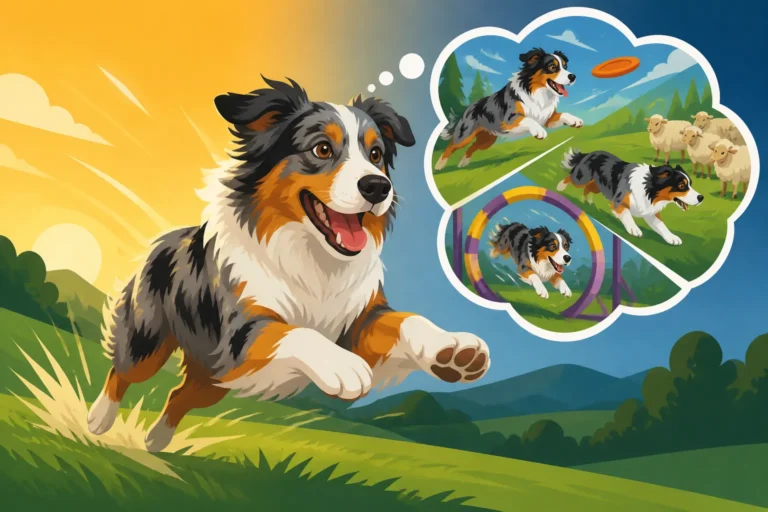
If you thought your Australian Shepherd's herding tendencies were a puppy phase, adolescence is often when they truly blossom (or explode, depending on the situation!). This deep-seated instinct, which is the very essence of the breed, becomes much more pronounced as they mature and feel more confident in their abilities.
Nipping, Chasing, and Boundary Testing
It's common for owners to report a sudden increase in behaviors like heel nipping, rounding up children or other pets, and an intense fixation on anything that moves. Those little nips that were somewhat cute (or at least tolerable) as a puppy might now be harder, more persistent, and aimed directly at ankles. Your Aussie might start to "manage" the family, trying to gather everyone into one room, or become obsessed with chasing bikes, joggers, or even cars outside the window. This isn’t them being naughty for the sake of it; it’s their ingrained desire to herd at play.
This phase is where managing their environment becomes absolutely paramount. You might find yourself needing to re-establish boundaries that were previously respected. For instance, if your Aussie suddenly decides the kids are sheep, you’ll need to intervene immediately and consistently. Australian Shepherd Heel Nipping and How to Redirect It often involves stepping in before the nip happens and redirecting that energy. Likewise, if your Aussie is trying to herd people or vehicles, you'll see them An Australian Shepherd Circling Joggers and Cyclists – a clear sign that their instincts are in full swing and need careful management.
Redirecting and Managing Drive
Since you can't train out a deeply ingrained instinct, your goal is to redirect it into appropriate and safe outlets. This means providing plenty of opportunities for your Australian Shepherd to engage their herding drive in ways that are acceptable and enjoyable for everyone. Tug games are fantastic for this; they allow your dog to use their mouth and body in a controlled, energetic way. Teach them that when they feel the urge to "herd" your ankles, they can grab a specific tug toy instead. Tug as a Legal Outlet for Aussie Herding Drive can save your shins and build a stronger bond.
Flirt poles, which simulate the chase and capture of prey, can also be a wonderful outlet, especially in a fenced yard. You're giving them a job, even if it's just a game, which is what these clever dogs crave. Structured play, rather than just letting them run wild, is key. Think about specific cues for starting and stopping play, teaching them an "off switch" so they don't get over-aroused and out of control. Consistent redirection and plenty of appropriate "jobs" are your best tools here.
Training Challenges and Strategies for Success
The adolescent period is perhaps the most challenging time for training, but it's also where your patience and consistency will truly pay off. It’s not about giving up, but adapting your methods to meet your Aussie where they are developmentally.
Dealing with Selective Hearing and Regression
Ah, selective hearing – the bane of every Australian Shepherd owner's existence during adolescence! One day, your recall is golden; the next, you might as well be talking to a brick wall when your Aussie catches sight of a squirrel or another dog. This isn't usually deliberate defiance, though it certainly feels that way. Their environment is suddenly brimming with more fascinating stimuli than ever before, and their developing brain is easily distracted. It’s common for owners to say The Month an Aussie Stops Answering when called.
The key here is to go back to basics, but with a twist. Increase the value of your rewards significantly. Forget dry kibble; pull out the high-value cheese, hot dogs, or cooked chicken. Practice commands in low-distraction environments first, then gradually introduce distractions. Don't set them up for failure by asking for a perfect recall off a chasing deer right away. Reinforce every success, no matter how small. It also means being more proactive; if you see a potential distraction, call them before they notice it and reward them heavily. It's about rebuilding that foundation with the understanding that they're operating on a different wavelength right now.
Reinforcing Recall and Impulse Control
Building a rock-solid recall is crucial for an Australian Shepherd at any age, but especially during their independent adolescent phase. Their herding instincts mean they are prone to bolting after movement, and their newfound confidence might make them more likely to explore. Start practicing recall in a securely fenced area or, even better, on a long line. A 30-foot or even 50-foot line allows them freedom to explore while still keeping them safe and giving you control to practice that "come" cue. You can learn more about Long Line Length for an Australian Shepherd to make sure you have the right tool.
Practice what's called an "emergency recall" – a unique word or whistle only used for urgent situations, always rewarded with the absolute best treats. This command should be reserved for those critical moments when you need them to come back, no matter what. Impulse control exercises are also vital: "leave it," "wait," and teaching them to defer to you before getting what they want. This strengthens their ability to make good choices even when their instincts are screaming otherwise. Consistent, positive reinforcement for these behaviors will pay dividends down the line. It really helps when you realize that Australian Shepherd Recall Around Moving Things is an advanced skill that needs to be built up in stages.
Mental Enrichment Over Physical Exhaustion
Many Aussie owners, myself included, have fallen into the trap of thinking that more physical exercise is the answer to an adolescent Australian Shepherd's boundless energy. While physical exercise is absolutely necessary for this active breed (think 1-2 hours a day for an adult!), it's often not enough to truly tire out their brilliant minds. In fact, over-exercising a physically immature Aussie can actually be detrimental to their developing joints, and simply running them until they drop can sometimes just make them fitter and more restless.
This is where mental enrichment becomes your secret weapon. For an Australian Shepherd, Mental Work That Actually Tires an Australian Shepherd is often far more effective at settling them down than an extra mile on the leash. Scent work, for example, engages their nose and brain in a deeply satisfying way. Hide treats around the house or yard and let them sniff them out. Puzzle feeders, especially those from brands like Amazon which offer a huge variety, can turn mealtime into a mental game. Trick training not only builds a stronger bond but also gives them a "job" to do with their minds. Even just taking them to a new place for a walk, where they can sniff and process new smells and sights, can be more mentally stimulating than the same old route.
| Behavior Aspect | Puppy (8-16 Weeks) | Adolescent (6-24 Months) | Owner Strategy |
|---|---|---|---|
| Attention Span | Short, easily distracted, eager to please. | Highly distractible, "selective hearing," more independent. | Go back to basics, high-value rewards, low-distraction practice, proactive calls. |
| Herding Drive | Mild nipping, playful chasing. | Stronger nipping, intense chasing, rounding up people/pets. | Redirect with tug/flirt pole, structured play, consistent boundaries. |
| Reactivity | Generally curious, some fear periods. | Heightened sensitivity, new fears, barking, lunging. | Positive exposure, manage distance from triggers, build confidence. |
| Recall | Learning, often good in low distraction. | Can regress significantly, easily ignore cues. | Long line practice, emergency recall, high-value rewards, proofing distractions. |
| Impulse Control | Developing, easy to manage. | Challenged by hormones and distractions. | "Leave It," "Wait," controlled greetings, rewarding calm behavior. |
| Socialization | Critical window for positive exposure. | May become wary of strangers/dogs, less tolerant. | Continue positive experiences, don't force interactions, advocate for your dog. |
Socialization and Environmental Management
Even if you aced puppy socialization, adolescence often brings new challenges regarding how your Australian Shepherd interacts with the world. Their environmental management needs also evolve as they grow into a powerful, high-drive dog.
Navigating New Fears and Wariness
Just when you thought you had a well-adjusted, confident pup, the adolescent phase can introduce a whole new level of wariness. Your Aussie might suddenly be suspicious of strangers, even those they previously met. They might bark at people wearing hats, or become hesitant in new environments that they would have happily explored as a puppy. This is part of their natural development, as they mature into watchful, discerning guardians of their "flock" (which is your family and home). Australian Shepherd Suspicion of Strangers is a common trait, and adolescence can amplify it.
It's crucial not to force interactions during this time. Allow your Australian Shepherd to approach new people or situations at their own pace. Advocate for them by telling well-meaning strangers not to rush in or reach over their head. Focus on positive associations: if a new person offers a high-value treat, that helps build a good connection. Continue to expose them to various sights, sounds, and experiences, but always from a distance where they feel safe and comfortable. The goal isn't necessarily for them to be best friends with everyone, but to be neutral and confident.
Managing Energy and Preventing Destructive Behaviors
An under-exercised, under-stimulated adolescent Australian Shepherd is a recipe for disaster. With their increased energy and independent streak, they are more likely to find their own "jobs" around the house, and these jobs usually involve chewing your furniture, digging up the yard, or reorganizing your shoe collection. This is a classic sign of Australian Shepherd Behavior Problems From Under-Exercise.
Consistent, structured exercise is paramount. This isn't just about walks around the block; it's about engaging their body and mind. Think long hikes, fetching games in a secure area, or even exploring dog sports like agility or frisbee. Combine this with mental enrichment, as discussed earlier. Crate training, which you hopefully established during puppyhood, becomes even more important during adolescence. It provides a safe, comfortable space for them to decompress and prevents destructive behaviors when you can't actively supervise them. Make sure you have a crate that is appropriately sized and secure, like a sturdy wire crate that can accommodate The Crate a Fifty Pound Aussie Needs to stand, turn around, and lie down comfortably. Always provide safe chew toys or a puzzle feeder in the crate to keep them occupied and happy.
Support and Resources for Australian Shepherd Parents
Navigating the Australian Shepherd teenage months can feel isolating, but remember you’re not alone. There are tons of resources and support systems available to help you and your Aussie through this phase.
Finding the Right Professional Help
Sometimes, despite your best efforts, you might feel overwhelmed or that certain behaviors are spiraling out of control. This is where professional help can be invaluable. Look for trainers who specialize in positive reinforcement and force-free methods. These trainers understand canine behavior and can help you implement strategies that build your Aussie's confidence and your bond, rather than relying on punitive measures that can damage trust. A good trainer will help you understand why your Australian Shepherd is behaving a certain way and guide you in modifying the environment and your responses. Before committing, ask about their experience with herding breeds and their philosophical approach to training. Vetting a Trainer Before Booking an Aussie is a crucial step to ensure you find a good match.
Online courses can also be a fantastic resource, offering flexibility and detailed instruction. Programs like those offered by BAXTER & Bella provide comprehensive puppy and adolescent training guides that you can follow at your own pace, often with access to trainers for personalized advice. These resources can be especially helpful for consistent reinforcement of good habits and addressing specific challenges that arise during this turbulent period.
Essential Gear for the Teenage Aussie
Having the right tools on hand can make a world of difference when managing an adolescent Australian Shepherd. First and foremost, durable chew toys are non-negotiable. Their jaws are stronger now, and they need to chew. Invest in high-quality, long-lasting options, which you can often find a great selection of on Amazon. Look for toys designed for heavy chewers to save your shoes and furniture! Chew Toys That Last With an Australian Shepherd are worth the investment.
A good harness or head halter can provide better control on walks, especially if your Aussie is reactive or strong on the leash. A long line, as mentioned earlier, is essential for safe recall practice in open spaces. And don't forget mental stimulation toys! Snuffle mats, treat-dispensing toys, and puzzle feeders are excellent for keeping their minds engaged and preventing boredom-induced destructive behaviors. These tools aren't a substitute for training, but they are incredibly helpful aids in guiding your energetic, intelligent Aussie through their teenage years successfully.
Disclaimer
This article is for general informational purposes only and does not constitute professional advice. Laws, prices and regulations vary by location and change over time. Consult a qualified professional for guidance on your specific situation.