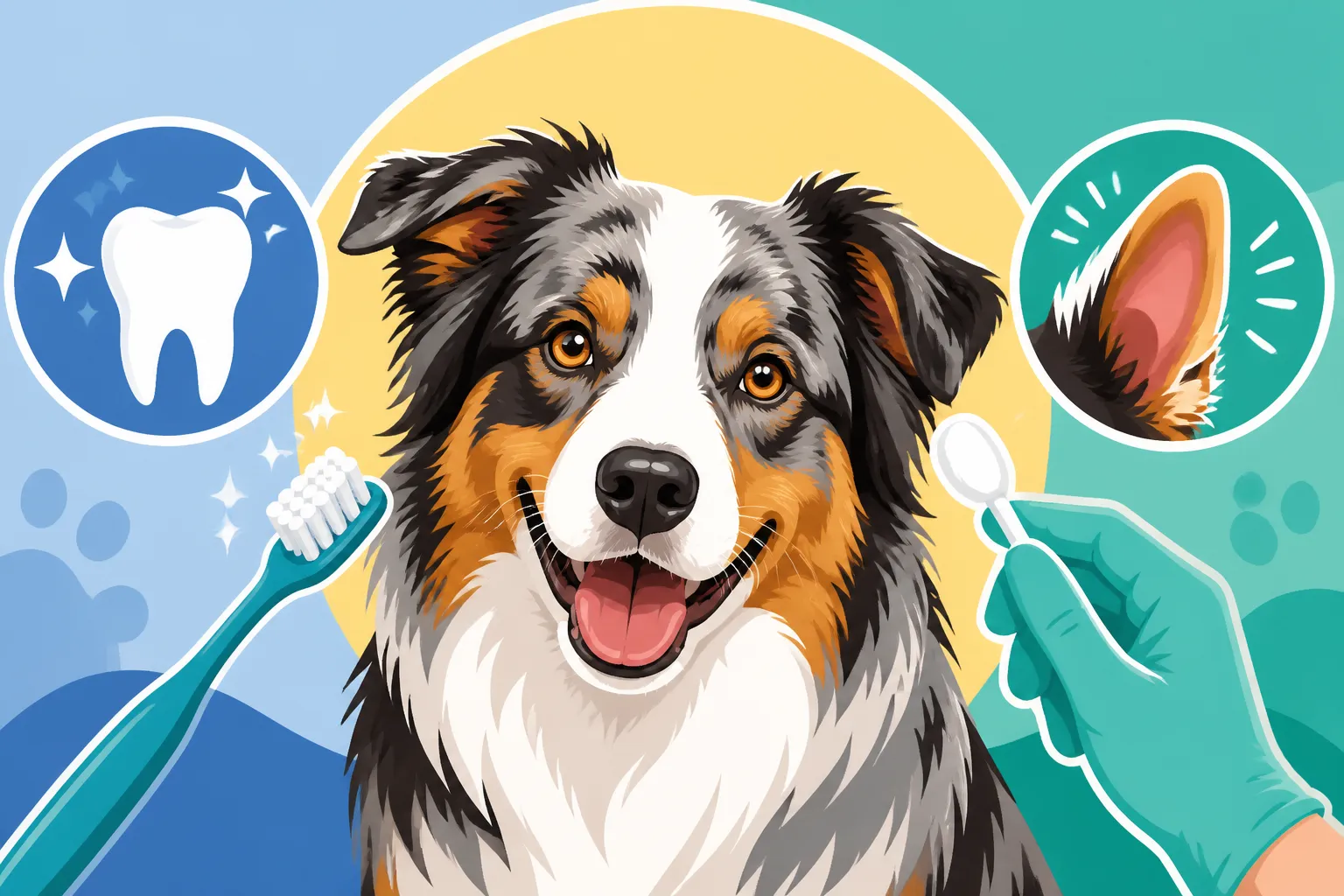
Australian Shepherd Dental and Ear Routine
It's incredibly frustrating to see your beloved Australian Shepherd in discomfort, especially when it comes to issues like bad breath that sneak up on you, or ear scratching that seems relentless. We all want our Aussies to be happy and healthy, but dental and ear care often feel like a battleground – trying to get them to tolerate a toothbrush or a swab can be a real challenge. You're not alone in feeling overwhelmed by the sheer volume of information out there, or just plain tired after a long day of keeping up with an Aussie's energy. This guide is here to cut through the noise, offering you a realistic, empathetic, and comprehensive approach to maintaining your Australian Shepherd's dental and ear health, helping you prevent painful problems and costly vet visits down the line.
Understanding Your Aussie's Dental Needs
When you think about keeping your Australian Shepherd healthy, diet and exercise usually jump to mind first. But dental care? It often takes a backseat until bad breath becomes unbearable or you notice something truly wrong. The truth is, your Aussie's oral health is a cornerstone of their overall well-being, influencing everything from their appetite to their heart health. Neglecting it can lead to a cascade of painful and expensive issues, which is something no devoted Aussie parent wants.
Why Dental Health Matters More Than You Think
Many of us simply accept "dog breath" as a fact of life, but it’s actually a huge red flag. That foul odor is typically caused by bacteria thriving in plaque and tartar buildup. Beyond the smell, these bacteria don't just stay in the mouth; they can enter the bloodstream through inflamed gums, traveling to vital organs like the heart, kidneys, and liver, causing serious secondary infections or aggravating existing conditions. Imagine the silent battle happening inside your Aussie's body, all stemming from something as seemingly innocuous as dirty teeth. It's a wake-up call that dental care is preventive medicine, not just cosmetic.
Think about the sheer joy your Australian Shepherd gets from chewing – on toys, on treats, on anything. If their mouth is sore, if their teeth hurt, that joy is severely diminished. They might become reluctant to play, drop food, or even become irritable. Early intervention and consistent care mean a happier, more comfortable dog for longer, contributing significantly to their Australian Shepherd Lifespan Across Twelve to Fifteen Years. It's about preserving their quality of life, allowing them to truly enjoy every fetch and every meal without a nagging ache.
Beyond the immediate comfort, good dental hygiene can also save you a significant amount of money in the long run. While regular brushing and dental chews require an initial investment, they pale in comparison to the potential costs of extensive dental surgeries, extractions, or treatments for organ damage caused by oral bacteria. It’s an investment in their health that pays dividends in both their well-being and your wallet, preventing those unexpected, heart-dropping emergency vet bills.
The Anatomy of an Aussie Mouth
An Australian Shepherd's mouth is built for work, with strong jaws and 42 adult teeth designed for gripping, tearing, and chewing. Their canine teeth are long and pointed, perfect for holding, while their molars and premolars are adapted for grinding. This powerful setup means they can make quick work of a chew toy or a meal, but it also means that plaque and food particles have plenty of nooks and crannies to accumulate, especially along the gum line. The constant use and varied textures of their diet also mean wear and tear, which can lead to other issues over time.
The gums themselves are critical. Healthy gums should be pink and firm, tightly surrounding each tooth. When plaque builds up, it irritates these gums, leading to inflammation – a condition known as gingivitis. If left unchecked, gingivitis can progress to periodontal disease, where the inflammation spreads beneath the gum line, weakening the support structures of the teeth. This is where things get really serious, potentially leading to tooth loss and exposing the bone to infection. Your Aussie's saliva also plays a role, naturally helping to wash away some food particles, but it's rarely enough on its own to counteract plaque formation.
Understanding this anatomy helps us grasp why certain dental care methods are effective. Brushing physically removes plaque before it hardens into tartar, targeting those vulnerable gum lines. Dental chews can help scrape teeth surfaces, and water additives aim to reduce bacteria in the mouth. It’s a multi-faceted approach because the mouth itself is a complex environment, always under attack from the food we feed and the bacteria that naturally reside there.
Common Dental Problems in Australian Shepherds
Australian Shepherds, like many breeds, are susceptible to a range of dental problems. The most pervasive issue is the accumulation of plaque, a sticky film of bacteria and food particles. If not brushed away daily, this plaque mineralizes into hard, yellowish-brown tartar, which adheres firmly to the teeth and cannot be removed by brushing alone. Tartar acts as a rough surface, inviting more plaque and bacteria to cling to it, creating a vicious cycle.
From plaque and tartar, gingivitis inevitably follows. You might notice your Aussie's gums look red, swollen, or even bleed slightly when they chew on something hard. While gingivitis is reversible with diligent brushing and professional cleaning, ignoring it is a dangerous path. It progresses to periodontal disease, where the infection delves deeper, destroying the bone and ligaments that hold teeth in place. This stage is incredibly painful for your dog and can lead to abscesses, loose teeth, and eventually tooth loss. Imagine living with that kind of constant, throbbing pain in your mouth; it’s a misery we need to spare our dogs.
Beyond gum disease, Aussies can also suffer from broken or chipped teeth, especially if they’re avid chewers of hard objects like antlers, real bones, or rocks. A fractured tooth exposes the sensitive pulp, leading to intense pain and requiring immediate veterinary attention. Some Aussies might also develop oral masses or growths, which could be benign or cancerous, underscoring the importance of regular oral examinations by both you and your vet. Being aware of these common pitfalls helps you spot issues early and take preventative steps, keeping your Aussie's smile bright and healthy.
Building a Daily Dental Routine for Your Aussie
The idea of brushing your Australian Shepherd's teeth might sound daunting, especially if you have a high-drive dog that's always on the go. But trust me, with patience and the right approach, it's entirely doable. Think of it less as a chore and more as a bonding exercise that prevents a whole lot of pain and expense down the road. Consistency is key here, and starting slow is the secret to success.
Introducing Toothbrushing: A Gentle Approach
The most effective way to combat plaque and tartar is through daily brushing, but you can’t just shove a toothbrush in your Aussie’s mouth on day one. Start by simply getting your dog used to having their mouth handled. Gently rub your finger along their gums and teeth for a few seconds, praising them calmly and offering a high-value treat afterwards. Do this for a few days, gradually increasing the duration and the area you touch. The goal is for them to associate mouth handling with positive reinforcement, not with a stressful experience.
Once they're comfortable with your finger, introduce dog-specific toothpaste. Never use human toothpaste, as it contains ingredients toxic to dogs. Let them lick a tiny bit of the dog toothpaste off your finger. Most dog toothpastes come in appealing flavors like chicken or peanut butter, which can make the experience more palatable. Again, praise and reward generously. After a few sessions of just licking the toothpaste, try putting a tiny amount on your finger and gently rubbing it on their outer teeth. Focus on the gum line, where plaque tends to accumulate most. Keep these early sessions extremely short – literally just a few seconds – and end on a positive note.
The next step is to introduce the toothbrush itself. Let them sniff it, perhaps even lick a dab of toothpaste off it. For the first few brushing attempts, aim for just 10-20 seconds, focusing on the outer surfaces of the upper canine teeth and molars, as these are often the most problematic areas. Use small, circular motions, gently angling the brush towards the gum line. Don't worry about getting every tooth perfectly at first. The aim is consistency and building a positive association. If your Aussie resists, back off, revert to a previous comfortable step, and try again later. Remember, patience is your most powerful tool in this process.
Choosing the Right Tools: Brushes, Pastes, and Wipes
Selecting the correct tools is crucial for an effective and stress-free dental routine. For toothbrushes, you have a few options. A finger brush, which slips over your index finger, can be great for beginners as it offers good tactile control and feels less invasive to some dogs. However, its bristles aren't always as effective at cleaning. A small, soft-bristled toothbrush designed for dogs, often with an angled head, is usually the most effective choice. For Australian Shepherds, you might need a medium-sized dog toothbrush to adequately reach all their teeth. You can find a good variety of these on platforms like Chewy or Amazon, making it easy to experiment and find what works best for your dog.
When it comes to toothpaste, as mentioned, always use a dog-specific enzymatic toothpaste. These are formulated to be safe if swallowed and often contain enzymes that help break down plaque. The appealing flavors are a bonus, making the experience more pleasant for your Aussie. Avoid any human toothpaste containing xylitol, fluoride, or other ingredients that are toxic to dogs. If regular brushing proves too difficult, dental wipes are another option. While not as effective as a brush for removing plaque from the gum line, they are better than nothing and can help maintain general oral hygiene, especially for pups who absolutely refuse the brush.
Consider where you'll be brushing your Aussie's teeth. A comfortable, well-lit space where your dog feels secure is ideal. Some owners prefer to have their Aussie lie down, while others find it easier with the dog standing or sitting between their legs. Having all your supplies – brush, paste, treats – within easy reach before you start will minimize fumbling and keep the session smooth. Investing in quality, dog-specific products makes a difference, not just in efficacy but in making the process more agreeable for your Australian Shepherd.
Making Brushing a Positive Experience
The key to long-term success with toothbrushing is to make it a positive ritual, not a battle. This means associating the toothbrushing process with rewards and praise, turning it into something your Australian Shepherd looks forward to. Start and end every session with upbeat encouragement and a high-value treat – something they absolutely adore. This reinforces the idea that "brushing time" means good things happen. If you can pair it with a specific, calming command like "teeth," they'll soon understand the routine.
Consistency in timing can also help. Try to brush their teeth around the same time each day, perhaps after a walk when they're a bit calmer, or before a meal. Dogs thrive on routine, and knowing what to expect can reduce anxiety. Keep the sessions short and sweet, especially in the beginning. It's better to have a successful 30-second brush every day than to have a 5-minute struggle once a week. If you notice signs of stress, like yawning, lip licking, or pulling away, take a break. Push too hard, and you risk creating a negative association that will be difficult to overcome.
Remember, your calm demeanor will go a long way. If you're stressed or frustrated, your Aussie will pick up on that energy. Approach the task with patience and a gentle touch, celebrating every small victory. Over time, many Australian Shepherds learn to not only tolerate but even enjoy their daily dental routine, especially when they know a tasty reward is waiting. It’s a wonderful way to reinforce your bond while safeguarding their health.
Beyond the Brush: Supplementary Dental Care
While daily toothbrushing is the gold standard for maintaining your Aussie's oral health, it's not the only tool in your arsenal. Sometimes, busy schedules or a particularly stubborn pup mean brushing isn't always perfectly consistent. That's where supplementary dental care products can really shine, offering additional layers of protection against plaque and tartar buildup. These methods aren't replacements for brushing, but they can be incredibly helpful additions to a comprehensive dental hygiene plan.
Dental Chews and Rawhides: Are They Safe and Effective?
Dental chews can be a fantastic way to supplement brushing, provided you choose them carefully and supervise their use. The mechanical action of chewing helps scrape away plaque from the surface of the teeth. Look for chews that are specifically endorsed by veterinary dental organizations or have the Veterinary Oral Health Council (VOHC) seal of approval, which indicates they meet certain standards for plaque and tartar reduction. Popular brands often offer a range of sizes and textures, so you can find something appropriate for your Australian Shepherd’s chewing style.
However, not all chews are created equal, and some can even be dangerous. Rawhides, for example, can be problematic. While they do offer a good chewing workout, some types can pose choking hazards or cause gastrointestinal blockages if large pieces are swallowed. Always supervise your Aussie when they're enjoying a rawhide, and discard any pieces that become too small or soft. Harder chews like antlers or bones (cooked or raw) should generally be avoided, as they can lead to painful tooth fractures, especially in a dog with strong jaws like an Australian Shepherd. A good rule of thumb: if you can't indent it with your fingernail, it's probably too hard for your dog's teeth.
When selecting a dental chew, consider your Aussie's chewing intensity. Some dogs will decimate a chew in minutes, while others will savor it. For vigorous chewers, look for more durable options that aren't excessively hard. Always ensure the chew is appropriately sized for your dog to prevent swallowing it whole. Regularly offering safe, effective dental chews can make a noticeable difference in reducing plaque, but remember they work best when combined with regular brushing.
Water Additives and Dental Sprays
Water additives are another convenient tool that can contribute to your Aussie’s oral hygiene, especially if daily brushing is a struggle. These products are typically added to your dog's drinking water, where they work by releasing active ingredients that help to reduce plaque bacteria and freshen breath. The idea is that with every sip, your dog is getting a dose of bacteria-fighting power. They are generally tasteless and odorless, so most dogs don't even notice them in their water bowl.
However, it's important to understand that water additives are generally considered a supplementary measure, not a standalone solution. They are excellent for reducing bacterial load and often improve breath, but they usually don't have the same mechanical scrubbing action as a toothbrush or even some dental chews. Think of them as an extra layer of defense against the accumulation of plaque. As with dental chews, look for products with the VOHC seal for assurance of efficacy.
Dental sprays work in a similar fashion, delivering active ingredients directly to the teeth and gums. These are usually sprayed onto your dog's teeth daily, often after meals. For an Aussie who is resistant to brushing, a spray can be an easier, less intrusive option. You might find it easier to administer by spraying it onto a dental wipe or a piece of gauze and gently rubbing it onto their teeth. Again, these sprays can help reduce bacteria and freshen breath, but they don't replace the physical removal of plaque. Many owners find a combination of brushing, quality chews, and a water additive or spray provides the most comprehensive approach to at-home dental care.
Dietary Considerations for Dental Health
What your Australian Shepherd eats can also play a role in their dental health, though it's often a more subtle effect than direct cleaning methods. For years, the conventional wisdom was that crunchy kibble helped scrape plaque off teeth. While some kibble designs do offer a minor abrasive action on the outer surfaces of teeth, it's generally not sufficient to prevent significant plaque and tartar buildup, especially along the crucial gum line. The texture of regular kibble simply isn't designed to provide a deep clean.
Some premium dog food brands, however, offer "dental diets" specifically formulated with larger, fibrous kibble pieces that encourage more chewing, or with coatings that help reduce plaque formation. These can be beneficial, particularly for Aussies prone to rapid tartar buildup. If you're considering a specialized dental diet, discuss it with your veterinarian, as they can recommend options best suited for your dog's overall health needs. Remember, even with a dental diet, supplementary brushing and chews are still highly recommended.
For those who feed fresh food or raw diets, the dental benefits are often debated. While some proponents argue that chewing raw bones or larger chunks of meat can naturally clean teeth, this comes with risks like fractured teeth, choking, and bacterial contamination. If you opt for a fresh food diet, such as those offered by services like Ollie, ensure it's nutritionally complete and discuss dental care strategies with your vet, as the texture alone may not prevent plaque. Ultimately, regardless of the diet, active and consistent dental care – primarily brushing – remains the most reliable way to maintain your Australian Shepherd's oral hygiene.
Professional Dental Care: The Vet's Role
Even with the most diligent at-home dental routine, most Australian Shepherds will eventually need professional dental care from their veterinarian. Just like with humans, there are some things that only a professional can do, and ignoring these needs can lead to serious discomfort and health complications for your beloved companion. It’s a critical part of their preventative healthcare, just as important as vaccinations and regular check-ups.
Recognizing When It's Time for a Professional Cleaning
Knowing when your Aussie needs a professional dental cleaning can sometimes feel like a guessing game, especially with their fantastic ability to hide discomfort. However, there are several key indicators that it's time to schedule that vet appointment. The most obvious sign is persistent bad breath – not just "dog breath," but a truly foul, often fishy or rotting odor that doesn't go away with brushing. This usually signals a significant bacterial buildup. Another clear sign is visible tartar accumulation; if you see yellowish or brownish crusts on your Aussie's teeth, especially along the gum line, it's time for a professional intervention.
Beyond visual cues, observe your Aussie's behavior. Are they reluctant to chew on their favorite toys or hard treats? Do they drop food more often? Are they eating on one side of their mouth? Pain can manifest as subtle changes in eating habits. You might also notice red, swollen, or bleeding gums, especially when they chew or when you try to brush. In more advanced cases, you might see loose teeth, pus around the gums, or even swelling on one side of their face, indicating an abscess. These are all urgent signals that your Australian Shepherd is in pain and needs immediate veterinary attention.
Regular check-ups also play a crucial role. Your veterinarian will examine your Aussie's mouth during their annual wellness visits and can often spot early signs of dental disease that you might miss. They can assess the overall health of the gums, check for any suspicious growths, and recommend a cleaning schedule based on your dog's individual needs and the progression of any dental issues. Don't wait until the problem is severe; earlier intervention is always better for your Aussie's comfort and your wallet.
The Professional Dental Cleaning Process
A professional dental cleaning for your Australian Shepherd is much more involved than what you can do at home, primarily because it requires general anesthesia. This allows the veterinary team to thoroughly clean every tooth, both above and below the gum line, without causing pain or stress to your dog. It's understandable to be concerned about anesthesia, but for many Aussies, it's a necessary step to ensure a complete and safe cleaning. Prior to anesthesia, your vet will conduct a thorough physical exam and often recommend pre-anesthetic blood work to ensure your Aussie is a good candidate and to identify any underlying health issues.
Once under anesthesia, the real work begins. The vet or a veterinary technician will use specialized ultrasonic scalers, similar to those your own dentist uses, to remove plaque and tartar from the tooth surfaces. Crucially, they also clean under the gum line, where much of the problematic bacteria resides and where plaque can cause the most damage. This subgingival cleaning is impossible to do on an awake dog and is a major reason why professional cleanings are so effective. Following scaling, each tooth is polished to smooth the enamel surface, making it harder for plaque to adhere in the future.
During the procedure, the vet will also perform a comprehensive oral examination, probing gum pockets, checking for loose teeth, fractures, and any signs of periodontal disease. Dental X-rays are often taken to assess the health of the tooth roots and the bone beneath the gums, revealing problems that aren't visible to the naked eye. If extractions are necessary due to severe disease or fractured teeth, these are performed carefully. After the cleaning, your Aussie will be monitored closely as they recover from anesthesia. The peace of mind knowing their mouth is completely clean and pain-free is invaluable.
Costs and Frequency of Vet Dental Care
The cost of professional dental care for an Australian Shepherd can vary significantly depending on your location, the veterinary clinic, and the extent of the work required. A routine cleaning, which includes anesthesia, scaling, and polishing, can be a few hundred dollars. However, if your Aussie has advanced periodontal disease, needs dental X-rays, or requires multiple tooth extractions, the cost can easily climb into the thousands. It's often one of those "hidden" expenses that catches owners off guard, but it's a direct result of the comprehensive nature of the procedure and the specialized equipment and expertise involved. Knowing the potential Australian Shepherd Dental Cleaning Cost upfront allows you to plan.
Many vets recommend annual dental check-ups, and for some Aussies, annual or bi-annual professional cleanings might be necessary, particularly if they are prone to rapid plaque buildup or have pre-existing dental issues. Other Aussies with excellent home care might only need a cleaning every few years. Your vet will advise on the ideal frequency for your individual dog based on their breed, age, genetics, and how well you maintain their oral hygiene at home. Investing in pet insurance might seem like an extra expense, but it can be a lifesaver for unexpected vet bills, including extensive dental work, though it's important to understand what a policy covers regarding pre-existing conditions.
Proactive care is always more cost-effective than reactive care. Regular brushing, dental chews, and water additives can help extend the time between professional cleanings and reduce the likelihood of needing expensive extractions or advanced treatments. Think of the cost of a cleaning as an investment in your Aussie's long-term health and comfort, rather than a burden. A healthy mouth contributes to a healthy life, saving you money on other potential health issues down the road that might be linked to poor oral hygiene.
Understanding Your Aussie's Ear Structure and Vulnerabilities
Just like their sparkling teeth, your Australian Shepherd’s ears need regular attention. While their expressive ears are certainly charming, they can also be a magnet for trouble, trapping moisture, debris, and leading to uncomfortable infections. It's not enough to simply admire them; understanding their unique structure and vulnerabilities is the first step in providing them with the care they need.
The Aussie Ear: Drop or Semi-Prick?
One of the defining characteristics of an Australian Shepherd is their expressive ears, which can vary quite a bit in carriage. Typically, an Aussie's ears are either "drop" (hanging down by the side of the head) or "semi-prick" (where the ear folds over at the top, but the base stands erect). Unlike breeds with fully erect ears, like German Shepherds, or long, heavy drop ears, like Basset Hounds, the Aussie's ear type falls somewhere in between, and this middle-ground can contribute to unique challenges.
Aussie ears, regardless of whether they are drop or semi-prick, often have a good amount of hair growing on the inside of the ear flap and within the ear canal itself. This hair, while insulating, can also act as a trap, catching debris, dirt, and moisture. The folded nature of the semi-prick ear, or the hanging nature of the drop ear, restricts airflow into the ear canal. This creates a warm, dark, and often humid environment – essentially a perfect breeding ground for bacteria and yeast, which are the primary culprits behind most ear infections.
Understanding your individual Aussie’s ear set is important for how you approach their care. Dogs with ears that hang tighter to their head or have more internal hair may require more frequent cleaning and inspection than those with slightly more open ear canals. This isn't just about aesthetics; it's about predicting where problems might arise and being proactive in your preventative measures. You're trying to counteract the natural design flaws that make ear problems so common in many breeds.
Why Australian Shepherds Are Prone to Ear Issues
Beyond their specific ear carriage, several factors make Australian Shepherds particularly susceptible to ear issues. Their active, outdoor lifestyle is a primary contributor. Whether they're herding, hiking, or just playing in the backyard, Aussies love to explore. This means their ears are constantly exposed to environmental elements like dirt, dust, pollen, and water from swimming or damp grass. All of these can easily get trapped in the ear canal, especially in those slightly folded or haired ears.
Another key factor is their double coat. While magnificent, this thick coat often extends into the ear area, providing even more insulation and trapping more heat and moisture within the ear canal. During shedding seasons, loose hair can also work its way down into the ear, creating blockages and additional irritants. For Aussies who are enthusiastic swimmers, the combination of water in the ear and limited airflow due to their ear structure creates an almost ideal environment for bacterial or yeast growth. The moisture cannot easily evaporate, leading to a damp, warm canal.
Finally, Australian Shepherds can be prone to allergies, which often manifest as skin and ear problems. Australian Shepherd Skin Allergies by Season can lead to itchy, inflamed ears, making them more susceptible to secondary infections. If your Aussie is constantly scratching their ears, shaking their head, or rubbing their ears on furniture, it might not just be dirt; it could be an allergic reaction. This chronic inflammation can weaken the ear's natural defenses, opening the door for opportunistic infections. Addressing underlying allergies is often a crucial step in managing recurrent ear issues.
Common Ear Problems: Infections, Mites, and Allergies
Ear problems in Australian Shepherds can range from minor irritations to severe infections that cause significant pain and can lead to hearing loss if left untreated. The most common issue is otitis externa, an inflammation of the external ear canal, which is usually caused by bacterial or yeast infections. You'll recognize this by symptoms like excessive scratching, head shaking, a foul odor emanating from the ear, redness, swelling, and sometimes a discharge that can be waxy, dark, or pus-like. The inner ear canal might look red and irritated, and your dog might shy away if you try to touch their ears, indicating pain.
Ear mites are another common culprit, especially in puppies or dogs who spend time with other animals. These tiny parasites cause intense itching, often resulting in a dark, crumbly discharge that resembles coffee grounds. While less common in adult, well-cared-for Aussies, they are highly contagious and can cause significant discomfort. If you suspect ear mites, a vet visit is essential for diagnosis and appropriate treatment. Don't try to treat mites with home remedies, as they often require specific parasiticides.
As mentioned, allergies can also significantly impact ear health in Australian Shepherds. Seasonal Allergies in an Australian Shepherd can cause chronic inflammation, making the ears itchy, red, and swollen, which then creates a perfect environment for secondary bacterial or yeast infections to take hold. Sometimes, food allergies can also present with recurrent ear infections. If your Aussie has persistent ear issues that don't seem to clear up easily, or recur frequently, it's worth exploring potential underlying allergies with your veterinarian. A comprehensive approach that addresses the root cause is vital for long-term ear health and comfort.
Establishing a Regular Ear Cleaning Routine
Just like dental care, a consistent ear cleaning routine is paramount for your Australian Shepherd, helping to prevent the painful infections and irritations they are so prone to. It doesn't have to be a major chore, but it does require patience, a gentle touch, and the right tools. Making it a positive experience will ensure your Aussie is cooperative and comfortable with the process.
Gathering Your Supplies: Cleaners, Cotton, and Treats
Before you even think about cleaning your Aussie's ears, it's essential to gather all your supplies. This minimizes fumbling and keeps the process smooth and quick, which is always a bonus when working with a wiggly dog. First and foremost, you'll need a high-quality, vet-approved ear cleaning solution designed for dogs. Never use rubbing alcohol, hydrogen peroxide, or human ear drops, as these can be irritating or even harmful to your dog's sensitive ear canal. Look for solutions that are gentle, pH-balanced, and designed to break down wax and debris. Brands like Epi-Otic, TrizUltra, or Zymox are often recommended by vets. These are readily available at pet supply stores or online through Amazon or Chewy.
Next, you'll need plenty of cotton balls or gauze pads. Avoid using cotton swabs (Q-tips) for cleaning deep inside the ear canal, as these can push debris further in, potentially damage the eardrum, or cause irritation. Cotton balls or gauze are perfect for wiping the visible parts of the ear and absorbing excess cleaner. You might also want a clean towel, as things can get a little messy when your Aussie shakes their head. Finally, and perhaps most importantly, have a generous supply of high-value treats ready! These are crucial for positive reinforcement, making the experience pleasant for your dog.
A good light source can also be incredibly helpful, especially if your Aussie has dense ear hair or darker pigmentation inside their ears. This allows you to clearly see what you're doing and inspect for any signs of redness, discharge, or irritation. Make sure your Aussie is in a comfortable position, perhaps on your lap or on a sturdy table, where they feel secure and you have good access to their ears. Being prepared makes the entire process less stressful for both of you.
The Step-by-Step Ear Cleaning Process
Once you have all your supplies ready, approach your Australian Shepherd calmly and reassuringly. Start by gently folding back their ear flap to expose the inner ear. Take a moment to inspect the ear visually. Look for any redness, swelling, excessive wax, discharge, or any unusual odors. This initial inspection is vital, as it tells you if the ear needs cleaning or if it might be indicative of an infection needing vet attention. If you see signs of infection, hold off on cleaning and consult your vet first.
Next, take your dog-specific ear cleaning solution and carefully fill the ear canal. Don't be shy; you want enough liquid to really flush out debris. Most bottles have a long nozzle that makes this easy. After applying the solution, gently massage the base of the ear for 20-30 seconds. You should hear a squishing sound, which means the cleaner is working its way down and loosening wax and debris. Your Aussie might find this a bit odd, but if you continue with gentle encouragement, they will usually tolerate it. This massage helps the solution penetrate and dislodge gunk.
After massaging, allow your Aussie to shake their head. This is where that towel comes in handy! The head shake helps to dislodge and expel the cleaning solution and loosened debris. Finally, use a clean cotton ball or gauze pad to gently wipe out the visible parts of the ear canal and the inner ear flap. Go only as far as your finger can comfortably reach; never push anything deep into the ear canal. Repeat the process with a fresh cotton ball until no more visible dirt or wax comes out. Finish with plenty of praise and those high-value treats! Remember, Australian Shepherd Ear Cleaner and Grooming Supplies can make this easier.
What to Avoid When Cleaning Aussie Ears
While establishing an ear cleaning routine is essential, knowing what not to do is equally important to prevent injury or exacerbating existing problems. One of the biggest no-nos is using cotton swabs (Q-tips) inside your Australian Shepherd's ear canal. As tempting as it might be to try and "dig out" ear wax, Q-tips can actually push debris deeper into the ear canal, creating impactions that are harder to remove. Worse, they can rupture the eardrum, causing significant pain, infection, and potentially permanent hearing damage. Stick to cotton balls or gauze pads for cleaning only the visible outer ear.
Another critical mistake is using inappropriate cleaning solutions. Never use rubbing alcohol, hydrogen peroxide, or human ear cleaning products. Rubbing alcohol can be very drying and irritating, especially if your Aussie has inflamed skin, and can cause a painful stinging sensation. Hydrogen peroxide, while it bubbles and seems to clean, can also be irritating and potentially damage delicate ear tissues, especially if used repeatedly. Always opt for a veterinarian-approved, dog-specific ear cleaner that is formulated to be gentle and effective without causing harm.
Lastly, don't over-clean your Aussie's ears. While regular cleaning is good, excessive cleaning can strip the ear canal of its natural protective oils, leading to dryness, irritation, and potentially making it more susceptible to infection. For most healthy Australian Shepherds, a cleaning every 1-2 weeks is sufficient, or after swimming. If your Aussie has chronically dirty ears or frequent infections, consult your vet to determine the underlying cause rather than simply increasing the frequency of cleaning. They might have allergies or another condition that needs specific medical attention beyond routine cleaning.
When to Seek Veterinary Help for Ear Issues
Despite your best efforts with a regular ear cleaning routine, there will inevitably be times when your Australian Shepherd's ears require professional veterinary attention. Knowing when to stop your at-home care and pick up the phone to schedule an appointment can make all the difference in preventing minor irritations from escalating into severe, painful infections. Always err on the side of caution when it comes to your dog's comfort and health.
Signs of an Ear Infection or Other Problem
Recognizing the signs of an ear infection early can prevent a lot of pain and complications for your Australian Shepherd. The most obvious indicator is persistent scratching or pawing at the ears. If your Aussie is constantly rubbing their head on the carpet or furniture, or shaking their head excessively, these are strong signals. You might also notice a foul odor emanating from one or both ears; a healthy ear should have little to no smell. Visually inspect the inside of their ear flap and the opening of the canal: redness, swelling, or crusting are clear signs of inflammation.
A discharge from the ear is another definite red flag. This discharge can vary in appearance: it might be dark and waxy (often associated with yeast or mites), yellow and pus-like (indicating a bacterial infection), or even greenish. If your Aussie cries out when you touch their ear, or if they seem generally withdrawn, lethargic, or have a decreased appetite in conjunction with ear symptoms, this indicates significant pain and discomfort. Sometimes, dogs with severe ear infections may even develop a head tilt, lose their balance, or walk in circles, which could signal a middle or inner ear infection, a much more serious condition requiring immediate veterinary care.
Don't ignore these symptoms, hoping they'll resolve on their own. Ear infections are painful and tend to worsen without appropriate treatment. If you notice any of these signs, put a pause on your regular cleaning routine and contact your veterinarian. Attempting to clean an already inflamed or infected ear can cause more pain and potentially push infection deeper. Early veterinary intervention is key to a swift and successful recovery.
Diagnosis and Treatment Options
When you take your Australian Shepherd to the vet for an ear issue, the first step will be a thorough examination. Your veterinarian will carefully inspect the outer ear and use an otoscope to look deep inside the ear canal, checking for inflammation, discharge, foreign bodies, mites, or any damage to the eardrum. This visual inspection helps them determine the extent of the problem and if the eardrum is intact, which is crucial for choosing appropriate medications.
Often, the vet will take a swab of the ear discharge for microscopic examination. This simple test is invaluable as it helps identify the specific culprit – whether it's bacteria (and what type), yeast, or ear mites. Knowing the exact pathogen allows the vet to prescribe the most effective medication. For example, a yeast infection requires antifungal drops, while a bacterial infection needs antibiotics. In some complex cases, a bacterial culture and sensitivity test might be necessary to determine which specific antibiotic will be most effective against resistant bacteria.
Treatment typically involves a combination of thorough professional cleaning (sometimes under sedation if the ear is very painful) and topical ear medications, which are usually drops or ointments that you'll administer at home for a specified period. Oral antibiotics or anti-inflammatory medications might also be prescribed, especially for severe infections or if there's pain and swelling. It's incredibly important to complete the full course of medication, even if your Aussie's ears seem better, to prevent a relapse. Follow-up appointments are often necessary to ensure the infection has completely cleared and to address any underlying causes. Prompt and accurate diagnosis is critical for effective treatment of Australian Shepherd Ear Infections.
Preventative Measures Against Recurrent Ear Problems
For Australian Shepherds prone to recurrent ear issues, a multi-faceted preventative approach is essential. Simply treating each infection as it arises is like putting a band-aid on a deeper wound. One of the most common underlying causes of chronic ear infections in Aussies is allergies. If your vet suspects environmental or food allergies, exploring diagnostic testing and management strategies is crucial. This might involve an elimination diet to identify food sensitivities, or allergy medications and immunotherapy for environmental allergens. Addressing the root cause can significantly reduce the frequency and severity of ear flare-ups.
Another vital preventative measure is consistent, but not excessive, ear cleaning. Establish a regular schedule for cleaning your Aussie's ears, typically every 1-2 weeks or immediately after swimming or playing in muddy or dusty environments. Use a vet-approved ear cleaner that helps maintain a healthy pH balance and discourages pathogen growth. For Aussies with very hairy ear canals, some vets or groomers might recommend gently plucking excess hair to improve airflow. However, this is a debated topic, as plucking can also cause micro-trauma and inflammation, so discuss this option with your vet before attempting it.
Finally, integrating overall health practices can also contribute to preventing recurrent ear problems. A strong immune system, supported by a high-quality, balanced diet (which might include joint support supplements if they have Australian Shepherd Hip Dysplasia and Working Joints), can help your Aussie fend off infections. Regularly checking your dog's ears, performing a quick visual inspection every few days, especially if you notice them scratching, allows for early detection of potential problems. Remember, consistency in care and a proactive partnership with your veterinarian are your best defenses against those frustrating, painful recurrent ear infections.
Putting It All Together: A Comprehensive Schedule
Creating a consistent routine for your Australian Shepherd's dental and ear care can feel like a lot to juggle, especially on top of their significant exercise and training needs. But by breaking it down into manageable tasks and integrating it into your existing schedule, you’ll find it becomes second nature. Think of it as a small, daily investment that pays huge dividends in your Aussie's long-term health and happiness.
Weekly, Monthly, and Annual Checklists
To simplify things, let's create a straightforward schedule for your Aussie's dental and ear care. This isn't just about doing tasks; it's about building habits that support their well-being.
| Frequency | Dental Care Task | Ear Care Task | Notes |
|---|---|---|---|
| Daily | Brush teeth (aim for 1-2 min) | Quick visual ear check | Use dog-specific toothpaste & brush. Look for redness, discharge, odor. Praise & treat! |
| Weekly | Inspect teeth & gums | Thorough ear cleaning | Look for tartar buildup, inflamed gums. Use vet-approved cleaner, cotton balls. After swims/mud, clean more often. |
| Monthly | Check dental chews/supplies | Trim ear hair (if recommended) | Restock dental chews, water additives. If vet advised, carefully trim hair around ear canal entrance to improve airflow. |
| Annually | Vet dental exam | Vet ear exam | Part of regular wellness check. Vet assesses for dental disease. Discuss any recurring ear issues and potential underlying causes. |
| As Needed | Professional dental cleaning | Vet visit for infection/pain | If significant tartar, pain, or infection signs appear. Australian Shepherd Dental Cleaning Cost can be significant. |
This table provides a good framework, but remember to be flexible. If your Aussie goes swimming in a lake, clean their ears that day, regardless of the weekly schedule. If they're a super chewer, check their teeth for fractures more frequently. This checklist is a guide, not a rigid rule.
Integrating Grooming Into the Routine
Your Australian Shepherd's grooming routine is a perfect opportunity to incorporate dental and ear care. Aussies require regular brushing for their double coats anyway, and this is a fantastic time to also address their oral and aural health. When you're brushing their coat, take a few extra minutes to gently lift their ear flaps and give them a quick visual inspection. If you notice any budding issues, you can then schedule a full ear cleaning.
Similarly, during a full grooming session, after you’ve tackled their magnificent coat, you can easily transition to teeth brushing. Many dogs are calmer after a good brushing, making them more amenable to other forms of handling. Consider making "grooming day" also "dental and ear care day." This consolidates tasks and helps your Aussie understand the full routine. You might also find that some Australian Shepherd Ear Cleaner and Grooming Supplies can serve multiple purposes, like a good quality grooming spray that also helps detangle hair around the ears.
For older Australian Shepherds, integrating these tasks into their overall senior care becomes even more crucial. As they age, they might become more susceptible to dental disease or have a harder time fighting off ear infections. Senior Australian Shepherd Care After Ten often includes more frequent checks for discomfort, and a well-established dental and ear routine will contribute significantly to their comfort and quality of life in their golden years. A consistent, gentle routine also helps you spot other issues, like The Lymph Nodes to Check on an Aussie or suspicious lumps, as you handle them regularly.
The Long-Term Benefits of Consistent Care
The effort you put into your Australian Shepherd's dental and ear routine truly pays off in the long run. The most immediate benefit is preventing pain and discomfort for your dog. Untreated dental disease and ear infections are incredibly painful conditions that can significantly diminish your Aussie's quality of life. By being proactive, you ensure they can eat, play, and interact without chronic aches. Happy Aussie, happy life, right?
Beyond comfort, consistent care prevents more serious health problems. We've talked about how oral bacteria can travel to vital organs, contributing to issues like heart and kidney disease. A clean mouth reduces this risk, potentially extending your Aussie's healthy lifespan. Similarly, preventing recurrent ear infections means preserving their hearing and preventing chronic changes to the ear canal that can be irreversible. It’s an investment in their overall systemic health, not just isolated parts of their body.
Finally, think about the financial benefits. While initial dental cleanings and ear medications cost money, they are generally far less expensive than emergency surgeries for abscesses, extensive tooth extractions due to advanced periodontal disease, or complex treatments for chronic, resistant ear infections. Being proactive saves you from those heart-stopping, high-cost vet bills down the road. More importantly, it ensures your intelligent, loyal Australian Shepherd remains comfortable, vibrant, and ready for whatever adventure you tackle together, for as many years as possible.
Disclaimer
This article is for general informational purposes only and does not constitute professional advice. Laws, prices and regulations vary by location and change over time. Consult a qualified professional for guidance on your specific situation.