Australian Shepherd Ear Cleaner and Grooming Supplies
Anyone who shares their home with an Australian Shepherd knows the sheer volume of hair these beautiful dogs can produce, and the unique challenges their glorious double coats and sometimes floppy ears present. It’s not just about aesthetics; regular grooming and diligent ear care are crucial for your Aussie's health and comfort, preventing painful mats, skin issues, and stubborn infections that can lead to costly vet visits. This guide will walk you through everything you need to know about keeping your Australian Shepherd clean, comfortable, and healthy, from the right tools to the best ear care practices.
Understanding the Australian Shepherd Coat and Ears
Living with an Australian Shepherd means embracing a lifestyle filled with energy, loyalty, and, let's be honest, a fair bit of shedding. Their physical traits, particularly their coat and ear set, are charming, but they also come with specific care requirements that can be overwhelming if you're not prepared. Understanding these characteristics is the first step to proactive care.
The Australian Shepherd's Double Coat: A Grooming Challenge
That magnificent coat that makes your Aussie look so striking is actually a marvel of natural engineering, designed to protect them from the elements when they were working livestock. It consists of two distinct layers: a soft, dense undercoat that provides insulation, and a coarser, water-resistant outer coat. This dual layer is fantastic for keeping them warm in winter and surprisingly cool in summer, but it's also the source of almost constant shedding, particularly during seasonal "coat blows." You'll find yourself wondering how such a large volume of hair can come off one animal, and then you'll spot them on the couch, the carpet, and sometimes even your dinner plate!
During these twice-yearly coat blows, often in spring and fall, your Australian Shepherd will shed an incredible amount of their undercoat to adapt to the changing temperatures. This isn't just a minor nuisance; if this dead hair isn't removed, it can quickly form dense, painful mats close to the skin. These mats can pull, restrict movement, and create breeding grounds for skin infections because air can't circulate properly. Even outside of coat blows, consistent brushing is non-negotiable to manage the daily shedding and keep their skin healthy. It's a commitment, but one that pays off in a happier, healthier dog and a slightly less hairy home. You'll want to read more about The Australian Shepherd Double Coat Explained.
Why Australian Shepherds are Prone to Ear Issues
Beyond the glorious coat, an Aussie's ears also demand attention. Australian Shepherds typically have medium-sized ears that are either "semi-prick" (standing up but with tips folded forward) or "rose" (small, folded ears). Unlike dogs with fully erect ears, these ear types create a warm, enclosed environment that can be a perfect incubator for bacteria and yeast, especially if moisture gets trapped inside. A dog that loves to swim, or just gets a good soaking during a rainy walk, is particularly susceptible.
Dirt, debris, and wax can also accumulate easily in the folds and canals, leading to irritation and infection. Signs like head shaking, scratching at the ears, a foul odor, or discharge are all red flags that your Aussie might be developing an ear infection, which can be incredibly uncomfortable and painful for them. Ignoring these signs can lead to chronic issues and even impact their hearing over time. Regular inspection and cleaning are your best defense against these common, yet preventable, problems.
Essential Grooming Tools for Your Aussie
Grooming an Australian Shepherd effectively requires more than just a quick brush. It's an investment in the right tools and a commitment to a consistent routine. Having the correct equipment makes the job easier, more efficient, and far more comfortable for your dog.
Brushes and Rakes: Your First Line of Defense
When it comes to tackling that dense Australian Shepherd coat, you'll need an arsenal of brushes. A good slicker brush is essential for general brushing, removing loose topcoat hair, and working out minor tangles. Look for one with fine, bent wire bristles that can penetrate the topcoat without scratching the skin. You'll use this regularly, perhaps every other day, to keep the coat tidy and prevent surface mats.
However, the real workhorse for an Aussie's double coat is the undercoat rake or a de-shedding tool. These specialized tools are designed to reach through the topcoat and pull out the loose, dead undercoat that would otherwise cause mats and excessive shedding. Using an undercoat rake can dramatically reduce the amount of hair floating around your house, especially during seasonal coat blows. I swear by mine! A good quality undercoat rake, like those available on Chewy, makes a noticeable difference in the health and manageability of my Aussie's coat. Remember to always brush gently, never pulling, and to work in sections. For deeper insights, check out The Rake That Reaches an Aussie Undercoat. Finally, a pin brush can be useful for longer feathering on legs and tail, and for a final fluffing, but it won't do the heavy lifting of de-shedding.
Shampoos, Conditioners, and Drying Aids
Bathing an Australian Shepherd is an event, not just a quick rinse. Because of their thick double coat, it's vital to use shampoos and conditioners specifically formulated for dogs. Avoid human products, as they can strip your dog's skin of natural oils and cause irritation. Look for a gentle, moisturizing shampoo, perhaps one designed for sensitive skin if your Aussie has allergies, or a de-shedding shampoo during coat blow season.
A good conditioner is equally important to help detangle the coat and keep it soft and manageable. After shampooing, make sure to rinse thoroughly—any shampoo residue left behind can cause skin irritation. Drying is perhaps the most critical part of the bath. That dense undercoat can hold moisture for an incredibly long time, creating a perfect environment for mildew and hot spots. A high-velocity pet dryer is a game-changer, pushing water out of the coat and fluffing it up, ensuring it's completely dry down to the skin. If you don't have one, diligent towel drying followed by air drying in a warm, well-ventilated area is essential, but it will take much longer. Never let your Aussie air dry fully if their coat isn't properly fluffed and dried near the skin. For detailed bathing tips, see Bathing an Aussie Without Stripping the Coat and Why an Aussie Must Be Dried to the Roots.
Nail Trimmers and Paw Care
Don't forget the paws! Long nails can be incredibly uncomfortable for your Aussie, affecting their gait and potentially leading to foot problems. You have a few options for nail trimming: guillotine-style clippers, scissor-style clippers, or a Dremel-style rotary tool. Many Aussies are sensitive about their paws, so start early and make it a positive experience with lots of praise and treats (Ollie treats are fantastic for this because they're so high-value). If you're using clippers, be careful not to cut into the "quick," the sensitive part of the nail that contains blood vessels and nerves. This is painful and can cause bleeding. If you do accidentally nick the quick, styptic powder can help stop the bleeding quickly.
Beyond nail length, pay attention to the paw pads. Active Aussies can develop dry, cracked pads, especially if they spend a lot of time on rough terrain. Applying a paw balm can help keep their pads moisturized and protected. Also, regularly check between their toes for burrs, foxtails, or other debris that can become embedded and cause irritation or infection, especially after outdoor adventures. For more on keeping those paws healthy, consider Australian Shepherd Paw Pads After Rough Ground.
The Nitty-Gritty of Australian Shepherd Ear Care
Ears are often an overlooked part of grooming, but for an Australian Shepherd, consistent attention to ear hygiene can prevent a lot of discomfort and vet visits. Their ear structure, as we discussed, makes them susceptible to trapping moisture and debris, leading to infections.
Choosing the Right Ear Cleaner
Selecting an effective and gentle ear cleaner is key. You'll want a cleaner that is pH-balanced, so it doesn't irritate the delicate skin inside the ear canal. Many good quality dog ear cleaners also contain drying agents, which are essential for Aussies who love water, helping to prevent the moist environment where yeast and bacteria thrive. Look for ingredients like witch hazel, aloe vera, and mild antiseptics. Avoid cleaners with alcohol, as these can be too harsh and drying.
There are many excellent options available on the market, from brands you might find at your local pet store to those readily available online through retailers like Chewy. If your Aussie has a history of ear infections, your vet might recommend a specific medicated cleaner. Always read the label carefully and, when in doubt, consult with your veterinarian about the best product for your dog, especially if they have sensitive skin or a known allergy. Being proactive with the right product can save you a lot of hassle and your dog a lot of pain.
Step-by-Step Ear Cleaning Routine
Cleaning your Australian Shepherd's ears doesn't have to be a wrestle match. With a calm approach and consistent routine, it can become a perfectly manageable part of their care.
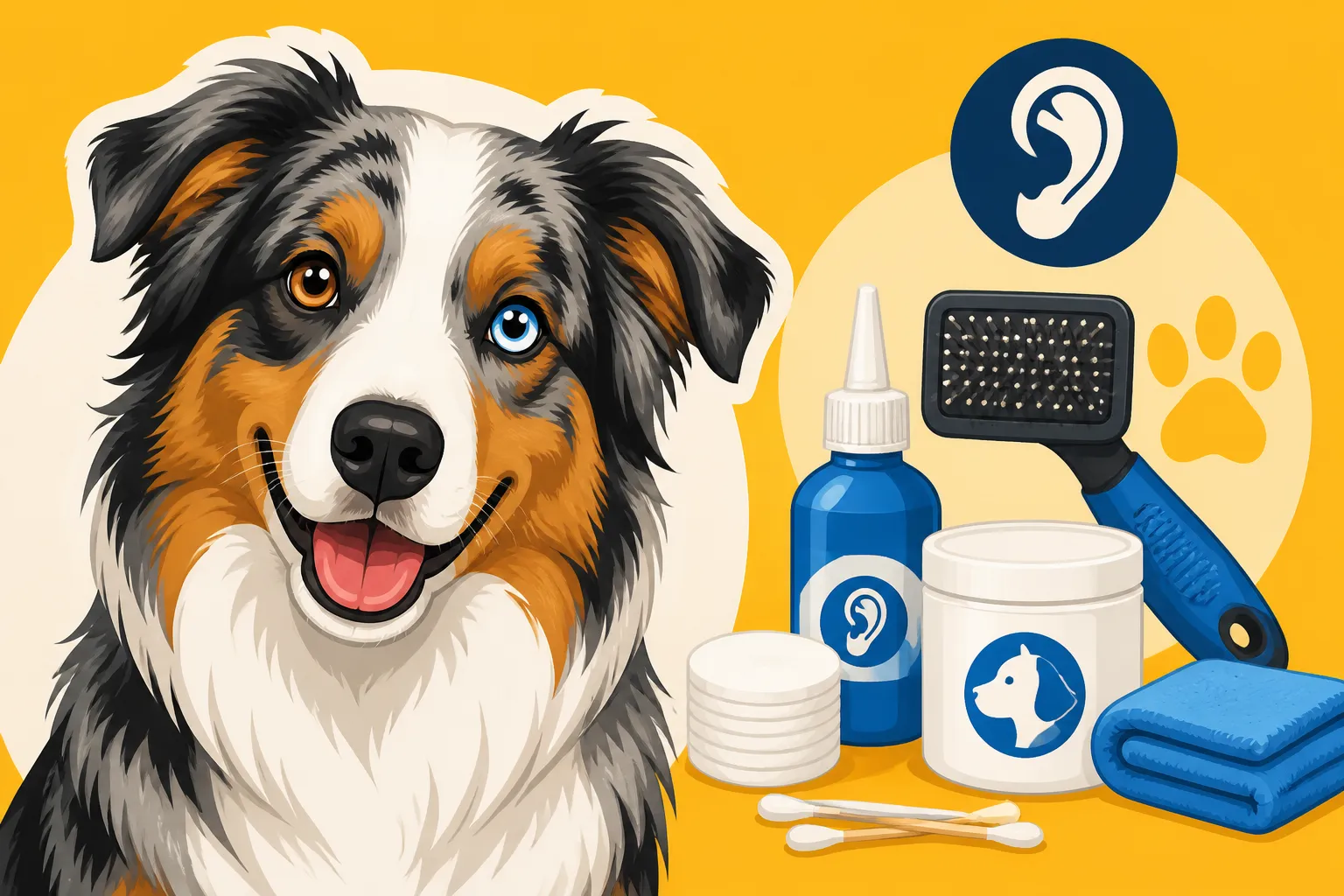
- Gather Your Supplies: You'll need your chosen ear cleaner, cotton balls or gauze pads (avoid Q-tips, as they can push debris further into the canal), and plenty of high-value treats.
- Position Your Aussie: Have your dog sit or lie down comfortably. If they're wiggly, a second person to help hold them gently can be useful.
- Apply the Cleaner: Gently lift your Aussie's ear flap. Squeeze a generous amount of ear cleaner directly into the ear canal until it's visibly full. Don't be shy; you want to flush the canal thoroughly.
- Massage the Base of the Ear: With the cleaner in, gently massage the base of the ear for about 30 seconds. You should hear a squishy sound, which means the cleaner is working its way down and loosening debris.
- Let Them Shake: Stand back and let your Aussie shake their head. This is a crucial step as it helps dislodge all the loosened gunk from deeper in the ear.
- Wipe the Visible Parts: Use a cotton ball or gauze pad wrapped around your finger to gently wipe away any visible dirt, wax, and excess cleaner from the inner ear flap and the top part of the ear canal. Never insert anything deep into the ear canal, as you could cause damage.
- Reward Generously: Praise your Aussie and offer a tasty treat immediately after. This positive reinforcement helps them associate ear cleaning with good things.
Aim to clean your Aussie's ears every 2-4 weeks, or more frequently if they're prone to infections, swim often, or if you notice any unusual odor or discharge. This consistent routine will go a long way in preventing more serious issues. If you need a more detailed schedule, check out Cleaning an Australian Shepherd's Ears Monthly.
When to See the Vet for Ear Concerns
While regular cleaning is fantastic for preventative care, there are times when ear issues escalate beyond what home care can handle, and a vet visit becomes absolutely necessary. You know your Aussie best, so trust your gut if something seems off.
Here are some signs that warrant a trip to the veterinarian:
- Persistent Head Shaking or Scratching: While an occasional shake is normal, continuous head shaking or frantic scratching at the ears indicates significant discomfort.
- Foul Odor: A strong, yeasty, or otherwise unpleasant smell coming from the ear is a classic sign of infection.
- Redness or Swelling: The skin inside the ear flap might look inflamed, red, or swollen.
- Discharge: Any discharge that is yellow, brown, black, or bloody, especially if it resembles coffee grounds (which can indicate ear mites), needs professional attention.
- Pain or Sensitivity: If your Aussie yelps, recoils, or acts aggressively when you try to touch their ear, it's likely very painful.
- Lethargy or Behavioral Changes: Sometimes, severe ear infections can make a dog feel generally unwell, leading to a drop in energy or changes in their usual demeanor.
- Loss of Balance or Hearing: In severe cases, an inner ear infection can affect balance or cause noticeable hearing loss.
Don't try to self-diagnose or treat a suspected infection with home remedies, as this can worsen the problem or delay proper treatment. A vet can accurately diagnose the cause, whether it's bacteria, yeast, mites, or even a foreign body, and prescribe the appropriate medication. Ignoring these signs can lead to chronic ear problems, pain, and even permanent damage. Sometimes, chronic ear issues may even be covered by pet insurance like Healthy Paws if enrolled before the condition began, so it's good to be aware of what your policy entails. For more on what to look for, read Australian Shepherd Ear Infections.
Maintaining a Full Grooming & Ear Care Routine
Consistency is truly the secret ingredient to keeping your Australian Shepherd looking and feeling their best. It's not about sporadic, intense grooming sessions, but rather a regular schedule that integrates into your life and becomes second nature to your dog.
Establishing a Regular Schedule
A detailed grooming schedule helps ensure no aspect of your Aussie's care is overlooked. Here's a general guideline, but remember that individual Aussies might need slight adjustments based on their coat type, activity level, and any specific health concerns.
Daily:
- Quick Brush: A swift pass with a slicker or pin brush, especially around areas prone to matting like behind the ears, armpits, and feathering on legs. This catches loose hair before it forms tangles.
- Eye and Mouth Check: A quick look for any discharge from the eyes or mouth that might need wiping.
Weekly:
- Thorough Brush: A full session with an undercoat rake and slicker brush, systematically working through their entire coat to remove dead hair and prevent mats. This is the big one!
- Ear Check: Inspect ears for redness, odor, or discharge. If anything looks amiss, or if your Aussie has been swimming, a quick cleaning is in order. You'll want to consistently refer back to How Often an Aussie Needs Its Ears Checked.
- Nail Trim: Trim nails as needed. If you hear them clicking on hard floors, they're too long.
Monthly (or as needed, depending on activity):
- Full Bath: Use appropriate shampoo and conditioner, ensuring thorough rinsing and drying. For more context on the frequency of brushing, consider Brushing an Australian Shepherd Twice a Week.
- Dental Care: If you're not brushing daily, aim for a more thorough dental clean every few weeks.
Every 3-6 Months:
- Professional Groomer Visit: Even if you do most of the grooming yourself, a professional groomer can offer specialized services like de-shedding treatments, thorough sanitary trims, and an overall tidy-up that's hard to achieve at home. They often have high-velocity dryers and tools that make the job faster and more efficient, especially during major coat blows.
This schedule might seem like a lot, but breaking it down into smaller, manageable tasks makes it less daunting. Plus, consistent grooming means less time dealing with huge, matted messes down the line.
Making Grooming a Positive Experience
Let's be real: not every Australian Shepherd jumps for joy at the sight of clippers or ear cleaner. Many dogs find grooming procedures stressful or even scary, but it doesn't have to be that way. By approaching grooming with patience, positive reinforcement, and a gentle touch, you can transform it into a bonding experience.
Start early, especially with puppies. Introduce tools gradually, letting them sniff and investigate without any pressure. Turn on clippers or the Dremel for a moment without actually touching them, so they get used to the sound. Reward calm behavior immediately with praise, petting, and high-value treats. I've found that high-quality, delicious treats, like those from Ollie, can be a game-changer for distracting and rewarding an anxious Aussie during a nail trim or ear cleaning.
Keep sessions short initially, especially for puppies or dogs new to grooming. Even five minutes of calm brushing, followed by a reward, is a win. Gradually extend the time as your Aussie becomes more comfortable. Always remain calm and confident; your dog picks up on your energy. If you get frustrated, take a break and come back to it later. Never punish your dog for being fearful or uncooperative during grooming, as this will only worsen their anxiety and make future sessions even harder. The goal is to build a positive association, so they see grooming as a time for treats and gentle attention, rather than something to be endured. This foundation of trust makes all the difference in the long run.
Budgeting for Supplies and Professional Help
Owning an Australian Shepherd, as wonderful as it is, comes with financial responsibilities, and grooming is a significant part of that. It's smart to budget for both the initial supplies and ongoing care, whether you do it yourself or seek professional help.
DIY Grooming Costs:
The initial outlay for quality grooming tools can seem steep, but they are a one-time purchase that will last for years.
- Brushes/Rakes: A good slicker brush, undercoat rake, and pin brush might cost anywhere from $15 to $50 each, depending on the brand and quality.
- Shampoo/Conditioner: Expect to spend $10-$30 per bottle, though these last a while.
- Ear Cleaner: $10-$25 per bottle.
- Nail Trimmers/Dremel: Clippers are $10-$25, while a Dremel can be $30-$50 or more.
- High-Velocity Dryer: This is the big investment, potentially $100-$250, but it pays for itself in time and coat health.
Over time, these costs level out, mainly revolving around replenishing shampoo, conditioner, and ear cleaner.
Professional Grooming Costs:
If DIY isn't your thing, or you just need a helping hand during coat blow season, professional grooming is an option. The cost varies widely based on your location, the groomer's experience, and your Aussie's size and coat condition.
- Full Groom: Typically ranges from $60 to $100+ per session, which usually includes bathing, drying, brushing, nail trim, and ear cleaning.
- De-shedding Add-on: Many groomers offer special de-shedding treatments for an additional fee, often $15-$30, which can be invaluable during heavy shedding.
For many owners, a combination approach works best: doing daily/weekly brushing and ear checks at home, and taking your Aussie to a professional groomer every few months for a thorough de-shed or trim.
Unexpected Costs & Pet Insurance:
It's also wise to consider the "what ifs." Ear infections, skin allergies, or injuries from matting can lead to unexpected vet bills. This is where pet insurance, like a policy from Healthy Paws, can offer peace of mind. While routine grooming isn't typically covered, unexpected issues like severe ear infections requiring medication or even surgery for chronic problems might be, depending on your plan and if the condition wasn't pre-existing. Always check policy details carefully to understand what is and isn't included. Budgeting for both routine care and potential emergencies will ensure your Aussie always gets the care they need.
Here's a quick reference table of essential grooming tools:
| Grooming Tool | Primary Use | Frequency of Use | Key Considerations |
|---|---|---|---|
| Slicker Brush | General brushing, detangling, removing loose topcoat hair | Daily/Every Other Day | Fine, bent wire bristles; gentle application; good for surface tangles |
| Undercoat Rake | Removing dead undercoat, preventing mats, reducing shedding | Weekly (more during coat blow) | Designed to reach deep; use with care to avoid skin irritation; essential for double coats |
| Pin Brush | Fluffing coat, finishing brush, detangling longer feathering | As needed | Good for sensitive areas; less effective for heavy de-shedding |
| Dog-Specific Shampoo | Cleaning coat, maintaining skin health, addressing specific concerns (e.g., shedding, sensitive skin) | Monthly/As needed | pH-balanced; avoid human products; rinse thoroughly |
| Dog-Specific Conditioner | Moisturizing coat, detangling, improving manageability | Monthly/As needed | Helps with brushing after bath; prevents dryness |
| High-Velocity Pet Dryer | Thoroughly drying double coat, preventing hot spots and mildew | After every bath | Significantly speeds drying; powerful airflow; can be noisy initially |
| Ear Cleaner (pH-balanced) | Flushing ear canal, dissolving wax, preventing infections | Every 2-4 weeks/As needed | Contains drying agents; gentle, non-irritating formula; consult vet for medicated options |
| Cotton Balls/Gauze Pads | Wiping visible dirt/cleaner from outer ear; avoid Q-tips | With ear cleaner | Soft, absorbent; safer than inserting into ear canal |
| Nail Clippers/Dremel | Trimming nails to prevent discomfort and foot issues | Weekly/Bi-weekly | Guillotine or scissor style clippers; Dremel for grinding; learn where the quick is to avoid injury |
| Paw Balm | Moisturizing and protecting paw pads, especially for active dogs | As needed | Natural ingredients; soothes cracks and dryness |
Taking care of an Australian Shepherd's coat and ears might seem like a lot of work at first, but with the right tools, a consistent schedule, and a patient, positive approach, it quickly becomes a routine that benefits both you and your beloved companion. You'll not only keep them looking their best but, more importantly, ensure their comfort and prevent many common health issues. A well-groomed Aussie is a happy, healthy Aussie, ready for any adventure you throw their way.
Disclaimer
This article is for general informational purposes only and does not constitute professional advice. Laws, prices and regulations vary by location and change over time. Consult a qualified professional for guidance on your specific situation.