Australian Shepherd Puppy Nipping That Draws Blood
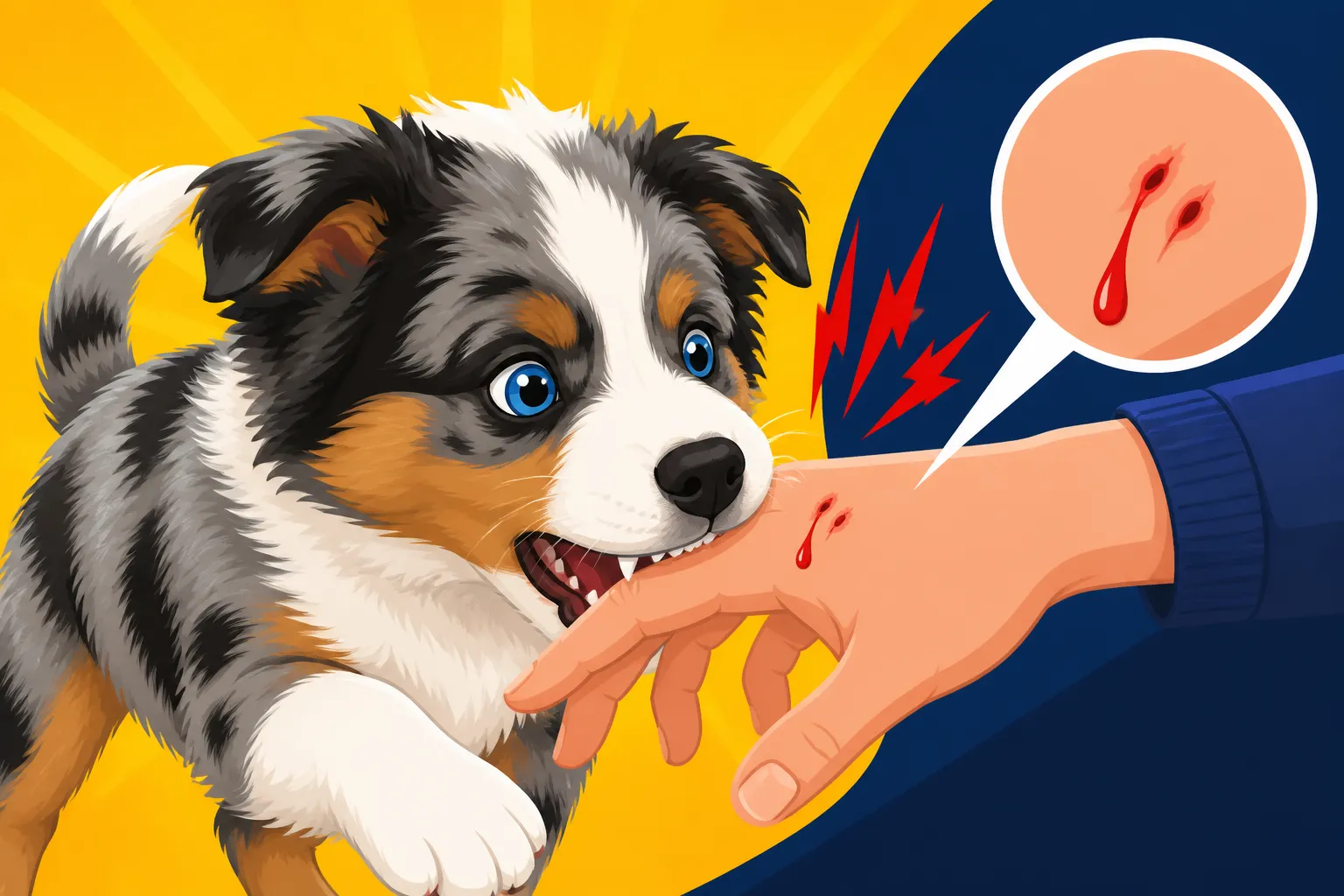
Few things are more disheartening than a sweet Australian Shepherd puppy, full of zest and curiosity, whose playful nips are escalating to the point of drawing blood. It’s alarming, painful, and often leaves you wondering if you've done something wrong or if your energetic little herder is destined to be an aggressive adult. You're not alone in this struggle; many Aussie owners face this exact challenge, especially given their breed's natural instincts. This guide is here to walk you through understanding why your puppy is nipping so hard, and more importantly, how to teach them better bite inhibition so those sharp puppy teeth become a distant, non-bleeding memory.
Understanding Why Your Australian Shepherd Puppy Nips So Hard
When your adorable Australian Shepherd puppy comes home, they're basically a tiny, fluffy shark with a strong instinct to explore the world with their mouth. Nipping and biting are completely normal puppy behaviors. They don't have hands, so everything goes into the mouth. It's how they play with their littermates, how they learn about their environment, and how they communicate. The problem arises when these normal puppy behaviors become excessive, painful, or are directed at humans in a way that causes injury.
The Herding Instinct and Those Sharp Puppy Teeth
Australian Shepherds, by their very nature, are bred to herd. This means they have a strong instinct to chase, nip at heels, and "control" movement. In a litter, puppies nip at each other, and if one bites too hard, the other will yelp, stopping the play and teaching a valuable lesson about bite pressure. When a puppy comes to your home, they often haven't fully learned this "bite inhibition" lesson, or they're trying to herd you – your moving feet, your flowing clothes, your hands that are always in motion. These aren't malicious acts; they're instinctual expressions of their breed characteristics. Their needle-sharp puppy teeth are perfectly designed for delivering a quick, startling nip to a stubborn sheep, but they are absolutely not suited for human skin. A playful nip from a four-month-old Aussie can easily break the skin, leading to frustration and sometimes even fear for owners.
Overarousal and Undersocialization
Often, persistent, hard nipping isn't just about herding instinct; it can be a sign of an overtired or overstimulated puppy. Just like human toddlers, puppies can get cranky and prone to acting out when they're past their bedtime or overwhelmed. An Aussie puppy, with its high energy and intelligence, can quickly become overaroused in new situations or during extended play sessions, leading to a frantic, harder style of biting. They might be trying to communicate that they're overwhelmed but don't know how else to express it. Conversely, a puppy that hasn't had enough appropriate socialization with other well-adjusted dogs might not have learned those crucial lessons in bite inhibition from their littermates. If they were removed from their mother and siblings too early, they missed out on a critical period of learning how hard is too hard. This is where consistent, gentle guidance from you becomes paramount.
Teaching Bite Inhibition and Redirection Techniques
The goal isn't to stop your Australian Shepherd puppy from ever putting their mouth on you, as that's unrealistic for a dog. Instead, it's about teaching them that human skin is fragile and that they need to control the pressure of their bite – a concept known as bite inhibition. It's also about redirecting their natural instincts onto appropriate outlets. This takes consistency, patience, and understanding.
The "Ouch!" and Withdraw Method
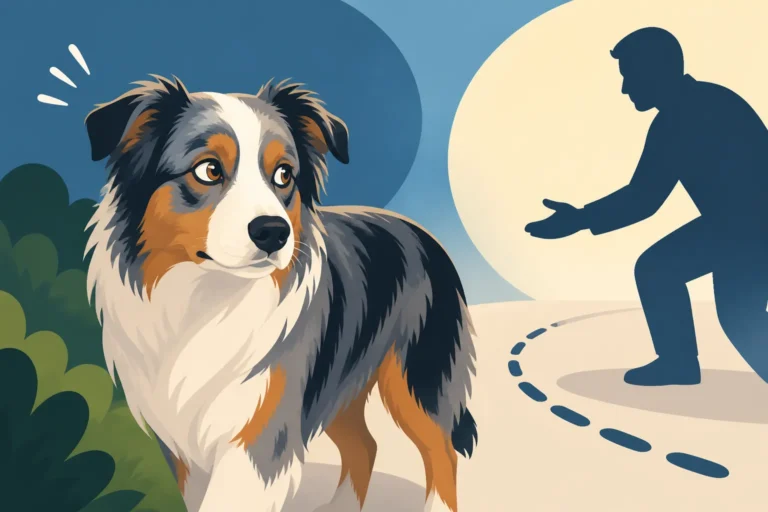
This is a classic technique that mimics how puppies learn from each other. The moment your Aussie puppy's teeth make contact with your skin, even if it doesn't hurt much, let out a sharp, high-pitched "Ouch!" or "Yipe!" Immediately withdraw your hand or body part from their mouth and turn away, ignoring them for a few seconds. If they calm down, you can re-engage with a toy. If they continue to nip, you might need to leave the room for 30-60 seconds. The key is to consistently teach them that hard biting ends the fun. They quickly learn that gentle play continues, but painful play results in isolation or the loss of attention. This needs to be applied by everyone in the household, so your puppy gets a consistent message.
Offering Appropriate Chew Outlets
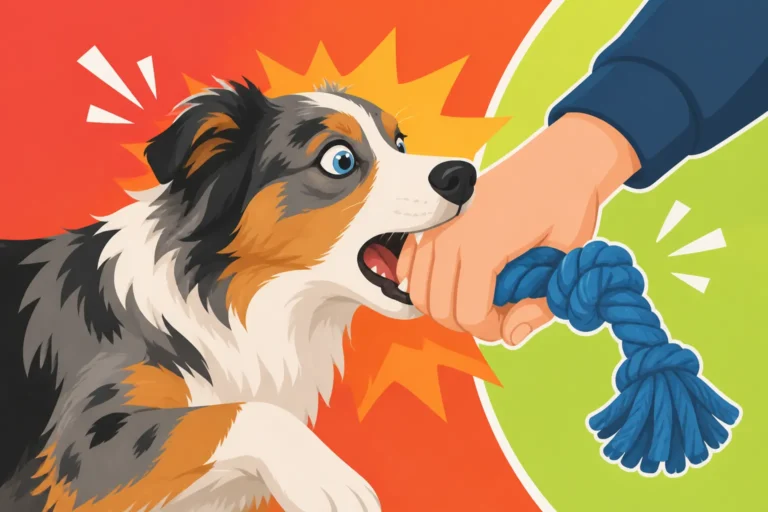
Your Australian Shepherd puppy needs outlets for their chewing and nipping desires. Having a variety of appropriate chew toys readily available is essential. When your puppy starts to nip at you, immediately offer them a toy as a substitute. If you're petting them and they mouth your hand, slide a chew toy into their mouth. This teaches them, "Not my hand, but this is okay!" Look for durable chew toys that can stand up to an Aussie's strong jaws. Interactive toys, such as Kongs filled with peanut butter or frozen treats, can also provide mental stimulation and redirect their chewing drive. You can find a fantastic array of these on platforms like Amazon. Remember, the goal is to redirect the behavior, not just punish it. Redirecting Aussie Puppy Teeth Onto a Toy is a critical skill for them to learn.
Management and Controlled Interactions
Prevention is a huge part of managing severe nipping. If you know your Australian Shepherd puppy tends to get overstimulated and bite harder during certain times of day (like the "witching hour" in the evening), plan for structured activities or enforced naps. Sometimes, a puppy just needs to settle down, and a brief period in their crate with a chew toy can work wonders. Consider using a long line during walks or in the yard if your puppy is prone to nipping at your heels or pant legs, giving you a way to gently disengage without physical contact. For those moments when you simply need to interact without being nipped, consider wearing long sleeves or even gloves temporarily. This isn't a long-term solution but can save your skin while you work on training. Learning The Aussie Puppy Curriculum Month by Month will give you a good idea of what to expect behaviorally.
Here's a quick comparison of redirection methods:
| Redirection Method | Description | Pros | Cons |
|---|---|---|---|
| "Ouch!" and Withdraw | Vocalize pain, immediately remove attention/self. | Mimics littermate interaction; clear consequence. | Requires consistency from all family members; can be overused. |
| Toy Substitution | Offer an appropriate chew toy the moment nipping starts. | Teaches what is acceptable; channels natural drive. | Requires constant availability of toys; puppy may prefer your hand. |
| Enforced Naps/Time-Outs | Place overtired/overstimulated puppy in a crate for quiet time. | Prevents escalation; teaches self-soothing. | Puppy might protest loudly; needs to be a calm space, not punishment. |
| Flirt Pole Play | Use a pole with a lure to redirect chasing/nipping away from body. | Excellent for burning energy and satisfying chase drive. | Can wind up some puppies; requires active human participation. |
| "Reverse Time-Out" | You leave the room for 30-60 seconds if nipping persists after "Ouch!". | Very clear consequence; puppy learns their action ends interaction. | Requires a safe space for puppy; can be frustrating for owner. |
Addressing Herding Nips and Overtired Biting
Australian Shepherds are incredibly intelligent and driven dogs, and sometimes their nipping isn't just about teething; it's about their inherent desire to herd. This often manifests as nipping at ankles, calves, or the backs of legs, especially when you're moving.
Providing Appropriate Herding Outlets
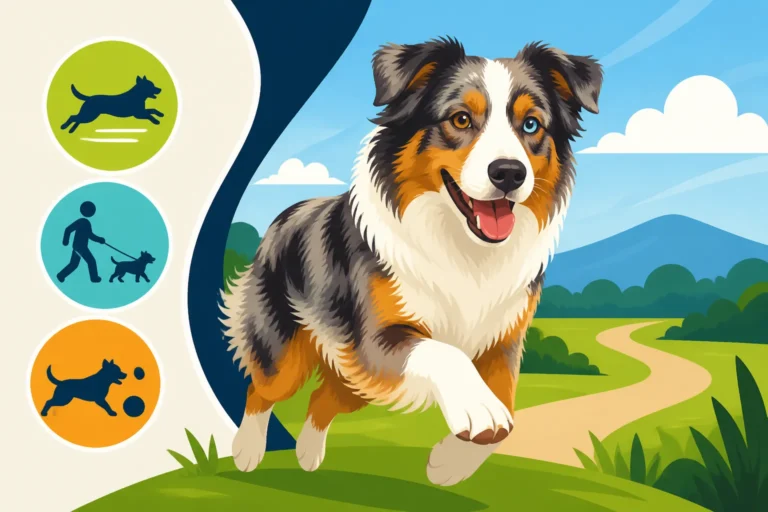
Since you can't train out the herding instinct, you must provide appropriate, safe outlets for it. A large, durable herding ball (like a jolly ball) can be fantastic for an Aussie. They can push it, chase it, and "herd" it around the yard without actually nipping a living thing. This satisfies their natural urges in a constructive way. Tug-of-war is another excellent game that allows your puppy to use their mouth and engage their drive in a controlled manner. Teach a "drop it" command firmly during these games, ensuring you have control. Remember, Tug as a Legal Outlet for Aussie Herding Drive is a powerful tool.
Another great strategy for those "zoomies" or periods of high energy, which often lead to overtired nipping, is to initiate a structured play session with a flirt pole. This allows them to chase and "catch" a lure, using up mental and physical energy in a safe, directed way that doesn't involve your body. Afterward, they're much more likely to settle down.
The Power of Enforced Naps
I can't stress this enough for an Aussie puppy: enforced naps are gold. So many instances of frantic, painful nipping happen because a puppy is simply overtired and overstimulated. They don't know how to self-regulate, and their brain tells them to keep going, often leading to undesirable behaviors. If your puppy is getting bitey, zooming around uncontrollably, or becoming increasingly frantic, it's often a sign they need a break. Gently guide them to their crate (which should be a comfortable, positive space) with a puzzle toy or a long-lasting chew. Cover the crate if it helps them settle. An hour or two of quiet rest can completely reset their demeanor. This is particularly useful for puppies who seem to have An Australian Shepherd That Cannot Switch Off.
For those times when your puppy needs to learn to be calm but isn't quite ready for a full nap, consider a "place" command or mat training. Teach them to settle on a mat, rewarding them for calm behavior. This gives them a designated quiet spot and helps them learn to manage their excitement levels, reducing the likelihood of impulse biting.
When to Seek Professional Guidance
While much of Australian Shepherd puppy nipping can be managed with consistent training, there are times when seeking professional help is the best course of action. Don't hesitate or feel embarrassed; getting expert guidance early can make a world of difference for both you and your puppy.
Recognizing Persistent, Ineffective Training
If you've been diligently applying all the techniques – the "ouch!" method, redirection with toys, enforced naps, and providing plenty of appropriate exercise and mental stimulation – for several weeks, and the nipping is still drawing blood, or seems to be getting worse, it's time to call in the cavalry. Sometimes, it's not the technique itself, but the nuances of how it's applied, or a deeper underlying issue, that needs a professional eye. A certified professional dog trainer, especially one experienced with working breeds like Australian Shepherds, can observe your interactions, identify subtle cues you might be missing, and tailor a plan specific to your puppy's temperament and your household.
Online resources can also be a fantastic support. Programs like BAXTER & Bella offer comprehensive puppy training guides and live support that can help you navigate common puppy challenges, including nipping. Their structured approach can provide the consistency some owners need. However, for truly stubborn or escalating issues, in-person help is often invaluable.
Escalating Nipping or Unexplained Aggression
Pay close attention if the nipping seems to escalate beyond playful (albeit hard) puppy biting. Are there growls, snarls, or stiff body language accompanying the bites? Does your puppy guard resources (food, toys, you) with their mouth? Does the biting seem to be driven by fear or anxiety rather than just play? If the nipping is accompanied by intense lunging, persistent biting without release, or is directed with unusual intensity at certain individuals or children (such as An Australian Shepherd Nipping a Toddler's Ankles), these could be signs of something more serious than normal puppy exuberance. In these cases, it's not just about teaching bite inhibition but addressing potential underlying behavioral issues. A veterinary behaviorist is often the best choice for these complex cases, as they can rule out medical causes and prescribe behavioral medication if necessary, in conjunction with a training plan.
Choosing the right professional is important. Look for trainers who use positive reinforcement methods and understand the unique drive of an Australian Shepherd. Ask about their experience with herding breeds and their approach to bite inhibition. A good starting point is often reading reviews and asking for recommendations. Vetting a Trainer Before Booking an Aussie is a crucial step to ensure you get the best fit for your family and your puppy. Remember, investing in professional guidance early can prevent bigger behavioral problems down the road and help your Aussie grow into a well-adjusted, gentle companion.
Disclaimer
This article is for general informational purposes only and does not constitute professional advice. Laws, prices and regulations vary by location and change over time. Consult a qualified professional for guidance on your specific situation.