Presenting a Toy the Second an Aussie Nips
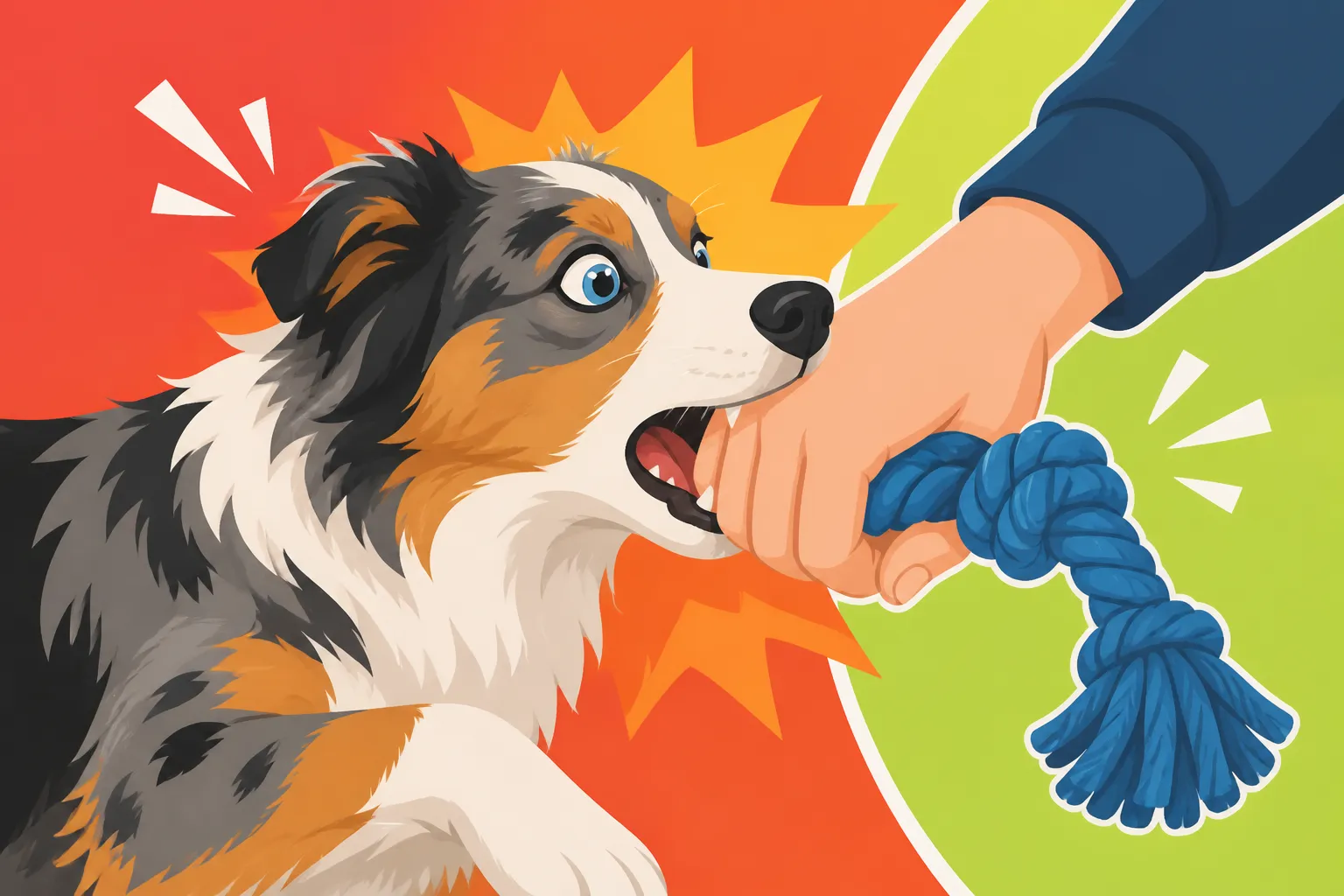
If you're living with an Australian Shepherd, especially a spirited puppy or a young adult, you know the struggle: those sharp little teeth that seem to find human skin far too often. It’s a common frustration, feeling like your lovable, intelligent Aussie just can’t keep its mouth to itself, whether it’s playful nips, insistent tugging on clothing, or attempts to "herd" your ankles. This guide dives deep into understanding why your Australian Shepherd nips and provides a step-by-step approach to effectively redirecting that mouthing behavior onto appropriate toys, helping you build a more harmonious relationship with your furry companion.
Understanding Why Your Australian Shepherd Nips
Before we can effectively address nipping, it's crucial to understand why your Australian Shepherd is doing it. Aussies are complex, intelligent creatures with deep-seated instincts, and their mouthing isn't usually out of malice. It’s often a combination of breed-specific traits, developmental stages, and sometimes, a lack of appropriate outlets.
The Herding Instinct and Mouthing
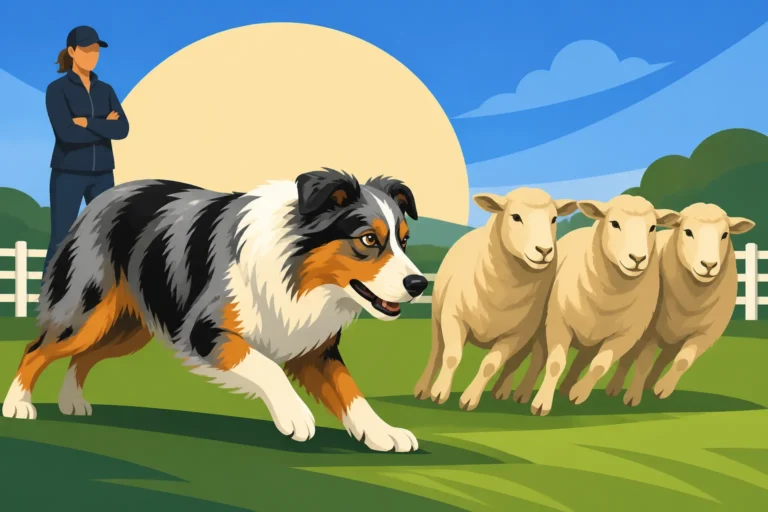
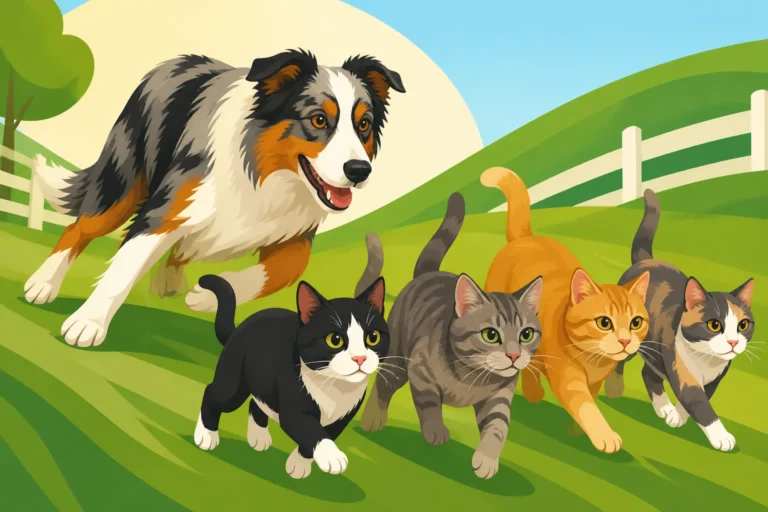
The number one reason your Australian Shepherd uses its mouth so much is its innate herding drive. These dogs were bred for centuries to gather and move livestock, and that job heavily relies on their mouths, whether it's giving a gentle nip to a wayward sheep or using their muzzle to guide. This instinct doesn't just disappear because they live in your living room instead of on a ranch. Instead, it often manifests as them trying to "herd" you, other pets, or even inanimate objects.
When an Aussie nips at your heels or ankles, it’s a direct callback to how their ancestors would manage stubborn sheep. They’re trying to move you, direct you, or get your attention. It's a hardwired behavior, and it feels perfectly natural to them. Understanding that this isn't personal, but rather genetic, can shift your perspective from frustration to a more proactive training approach. For a deeper dive into this behavior, you might find Why an Australian Shepherd Nips at Heels helpful.
Puppy Teething and Exploration
Like all puppies, Australian Shepherd pups experience intense teething phases. From about three weeks to six months, their baby teeth fall out, and their adult teeth come in. This process causes discomfort and an overwhelming urge to chew on anything and everything to relieve the pressure on their gums. Your hands, feet, and even clothing are prime targets because they're conveniently located and provide satisfying resistance.
Beyond teething, puppies explore the world with their mouths. It's how they learn about textures, temperatures, and how much pressure they can exert before something (or someone) reacts. This oral exploration is vital for their development, but it needs to be channeled appropriately from day one. If a puppy learns that mouthing people gets a reaction, even a negative one, it might inadvertently reinforce the behavior.
Overarousal and Frustration
Sometimes, nipping isn't just about instinct or teething; it's a symptom of an overstimulated or frustrated Australian Shepherd. Aussies are incredibly intelligent and high-energy dogs. If they aren't getting enough physical exercise, mental stimulation, or simply don't know how to "switch off," they can become overaroused. This often leads to frantic, uncontrolled play, zoomies, and yes, increased nipping.
Think about a toddler who's overtired and starts lashing out, or an athlete who's been benched and is bursting with unused energy. Your Aussie can feel similarly. When they're over threshold, their impulse control goes out the window, and those ingrained herding nips might become more frequent and harder to redirect. This is particularly true if they're frustrated by a lack of activity or social interaction. Learning more about Australian Shepherd Overarousal and Frustration can give you additional strategies here.
The "Toy-for-Teeth" Strategy: Immediate Intervention
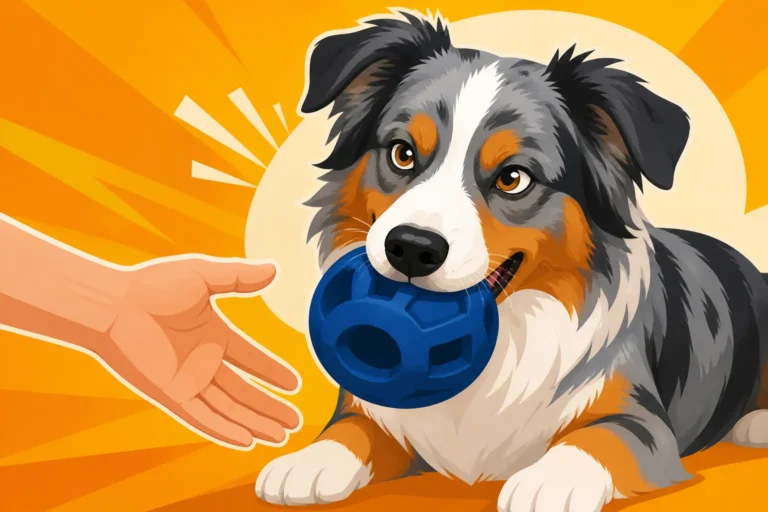
The core of managing an Australian Shepherd's nipping is the "toy-for-teeth" strategy. It's simple in concept: every time your Aussie's mouth makes contact with your skin or clothing, immediately redirect that impulse onto an appropriate toy. The key is consistency, timing, and making the toy far more appealing than your appendages.
The Importance of Immediate Intervention
Timing is everything when you're redirecting a behavior. If you wait even a few seconds after your Aussie nips before offering a toy, they might not connect their action (nipping you) with your reaction (providing a toy). The moment those teeth touch your skin, your response needs to be instant. This creates a clear association in their mind: "My mouth on human skin equals the fun toy appearing."
This isn't about punishment; it's about clear communication. A sharp "ouch!" or a yelp can sometimes work, especially with young puppies, as it mimics the sound another puppy would make. However, some Aussies, especially those with high drive, can get even more excited by a yelp, thinking it's part of the game. The most effective approach is to consistently and immediately present a toy.
Choosing the Right Redirect Toy
Not just any toy will do. The toy you use for redirection needs to be highly appealing, durable, and readily available.
Here are some characteristics of ideal redirect toys:
- Durable: Aussies have strong jaws. Fluffy or easily destroyed toys won't last and could pose a choking hazard. Look for toys made from tough rubber, reinforced fabric, or solid nylon.
- Texturally Interesting: Different textures can be more satisfying than your smooth skin. Knobby toys, braided ropes, or even toys with squeakers (if your Aussie responds well without becoming overstimulated) can be excellent.
- Size-Appropriate: The toy should be large enough that your Aussie can't swallow it but small enough for them to comfortably mouth and carry.
- Interactive Potential: Toys that you can hold and engage with, like tug ropes or flirt poles, are often more effective than static chew toys, especially in the moment of redirection. They turn the interaction into a shared game, further diverting attention from your skin.
When considering options, you'll find a vast selection on platforms like Amazon. Look for highly-rated durable chew toys or tug toys from reputable brands. Keep several of these "go-to" toys strategically placed around your home – near the couch, by your desk, in the kitchen – so you can grab one at a moment's notice.
Consistency and Repetition
This strategy only works if you are absolutely consistent. Every single nip, every single time, needs to be met with a toy. If sometimes you offer a toy, and other times you pull your hand away or scold, your Aussie will get confused, and the behavior will be harder to extinguish.
Think of it like teaching a new command. You wouldn't expect your Aussie to "sit" reliably if you only asked them to sit sometimes, or if you rewarded them inconsistently. The same applies to nipping. Everyone in the household needs to be on board with this approach. If a child, partner, or guest allows the nipping, it undermines all your hard work.
Here’s how consistency plays out:
- Be a broken record: Every time you feel teeth, "Oops! Here's your toy!"
- Reinforce success: When your Aussie takes the toy, praise them calmly and continue the play with the toy.
- Remove yourself if necessary: If the nipping is frantic and your Aussie isn't taking the toy, calmly stand up and walk away, ending the interaction for a few seconds. This teaches them that nipping makes the fun stop. Then re-engage when they are calm.
This consistent repetition, over weeks and months, teaches your Australian Shepherd that their mouth on a toy is rewarding, and their mouth on you gets the opposite reaction. You can also explore Redirecting Aussie Puppy Teeth Onto a Toy for more specific examples.
Beyond the Nip: Proactive Management and Training
While immediate redirection is critical, a truly successful long-term strategy involves proactive management and teaching your Australian Shepherd better impulse control. It’s about creating an environment where nipping is less likely to occur and providing plenty of appropriate outlets for their natural drives.
Managing the Environment
Prevention is always easier than correction. Take a look at your home environment and daily routine. Are there triggers that consistently lead to nipping?
Consider these environmental management tips:
- Enrichment-Rich Zones: Ensure your Aussie has access to a variety of appropriate chew toys, puzzle feeders, and safe spaces. If they have engaging activities available, they're less likely to seek out inappropriate "chewables" (like your hands).
- Tethering and Crating: For puppies or particularly mouthy adolescents, a short tether to your belt or a nearby piece of furniture can prevent them from accessing your ankles. When you can’t actively supervise, using a crate can be invaluable. A large enough crate, like The Crate a Fifty Pound Aussie Needs, provides a safe den where they can relax without being able to practice nipping behaviors.
- Supervised Play: Always supervise play with children or other pets, especially if nipping is an issue. Intervene before the play gets too rough or overstimulating.
- Remove Temptation: Don't wear flowy clothing, long scarves, or dangling shoelaces that might invite a playful nip.
Teaching Bite Inhibition
Beyond redirecting to toys, you also want to teach your Aussie bite inhibition. This means teaching them how much pressure their jaws can exert without causing harm. Even if they accidentally nip, you want it to be a soft, inhibited bite, not a painful one. This is especially important for puppies.
Here's how to foster bite inhibition:
- The "Ouch!" or Yelp Method: When a puppy's teeth make painful contact, let out a sharp, high-pitched "ouch!" or yelp. Immediately withdraw your hand. The puppy should be startled and stop. After a few seconds, calmly re-engage. If they nip hard again, repeat. If they nip softly, praise them.
- Ending Play: If the "ouch" doesn't work, immediately end the play session by standing up and walking away for 30-60 seconds. This teaches them that hard biting makes the fun disappear.
- Consistency is Key: Again, everyone interacting with the puppy needs to do this. The goal is for them to learn that human skin is fragile and requires a soft mouth.
This process can take time and patience, but it's a vital life skill, especially for a dog with an active mouth like an Australian Shepherd.
Incorporating Structured Play
Aussies thrive on having a job, and structured play can be an excellent way to channel their herding drive and mental energy into appropriate outlets, reducing unwanted nipping. Instead of just letting them chew on a toy aimlessly, engage them in games that require their focus and mouth-work.
Consider these options:
- Tug-of-War: This is a fantastic way to engage an Aussie's mouth and build a strong bond. Teach "take it" and "drop it" commands. A good game of tug, following rules, allows them to use their strong jaws on an appropriate object. More information can be found in Tug as a Legal Outlet for Aussie Herding Drive.
- Fetch: A classic for a reason! Fetch allows them to run, use their mouth to retrieve, and practice impulse control if you teach them to wait for the "go" command.
- Flirt Poles: A flirt pole is essentially a giant cat toy for dogs. It's a long pole with a lure (a toy or rag) attached to a rope. This allows you to safely simulate chase and capture, tapping into their prey drive and herding instincts without them having to chase you.
- Puzzle Toys and Scent Work: These engage their minds and noses, providing mental fatigue that is often more effective than pure physical exercise for an Aussie. Scent Games That Tire an Australian Shepherd can be a great resource for ideas.
Many online training platforms, such as BAXTER & Bella, offer structured puppy and dog training programs that include how to manage nipping and incorporate appropriate play. These programs often provide step-by-step guidance and support, which can be invaluable for consistent training.
Common Pitfalls and Troubleshooting
Even with the best intentions, you might run into bumps in the road. Australian Shepherds are smart, and sometimes their nipping can be persistent.
When the Toy Doesn't Work
"I offer the toy, but they just ignore it and go back to nipping me!" This is a common complaint. If your Aussie isn't taking the toy, it could be for a few reasons:
- Toy isn't appealing enough: Is the toy exciting? Does it move? Does it taste good? Sometimes a bland chew toy just isn't as stimulating as a moving human hand. Try a different texture, a squeaky toy, or even a toy smeared with a tiny bit of peanut butter.
- You're not engaging enough: Simply presenting a toy isn't always enough. Wiggle it, squeak it, or initiate a game of tug. Make the toy irresistible.
- Overarousal: If your Aussie is too worked up, they might not be able to focus on the toy. In these cases, it's best to calmly disengage. Walk away, turn your back, or briefly put them in a crate for a short "calm down" period before re-engaging.
- Lack of consistency: If the rule isn't 100% "teeth on toy, never on skin," then your Aussie will keep testing the boundaries.
The Adolescent Nips
Just when you think you've conquered puppy nipping, adolescence hits. Around 6-18 months, your Australian Shepherd enters their "teenage" phase, and you might see a regression in training. They test boundaries, become more independent, and sometimes, those nipping behaviors return with a vengeance. This is a normal part of development.
During this period:
- Double Down on Consistency: This is not the time to slack off. Be even more diligent with your "toy-for-teeth" strategy.
- Increase Mental and Physical Exercise: Adolescent Aussies have a ton of energy. Ensure they're getting sufficient appropriate exercise – not just running around, but structured walks, training sessions, and mental games. How Much Daily Exercise an Australian Shepherd Needs can help you assess if your Aussie is getting enough.
- Manage Frustration: Adolescents can get easily frustrated. If you notice them getting mouthy out of frustration, take a break or redirect them to a calming activity like a frozen Kong.
- Don't give up: This phase passes. Keep working on it, and you'll see progress. For more insights on this period, check out The Aussie Teenage Months and What Changes.
Addressing Underlying Issues
Sometimes, persistent nipping isn't just a behavioral issue; it could be a sign of something deeper.
Consider these possibilities:
- Pain or Discomfort: If nipping starts suddenly or becomes more aggressive, especially when touched in certain areas, your Aussie might be in pain. A trip to the vet is crucial. Dogs often communicate discomfort through changes in behavior, and snapping or nipping can be a warning sign. An Australian Shepherd Snapping Because Its Hips Hurt is an example of a physical issue manifesting as behavioral change.
- Anxiety or Fear: A fearful or anxious Aussie might nip as a defensive mechanism. This requires a different approach than playful nipping and often benefits from professional positive reinforcement training.
- Lack of Sleep/Over-tiredness: Just like children, overtired puppies or dogs can become cranky and mouthy. Ensure your Aussie is getting adequate rest, especially puppies who need a lot of sleep. Some Aussies struggle with an "off switch"; if yours is An Australian Shepherd That Cannot Switch Off, that's something to address.
If you suspect an underlying issue, consult your veterinarian first to rule out any medical problems. Then, consider working with a certified professional dog trainer or veterinary behaviorist. They can help identify the root cause of the nipping and develop a tailored plan.
By understanding the "whys" behind your Australian Shepherd's nipping, consistently applying the "toy-for-teeth" strategy, and proactively managing their environment and training, you can transform a frustrating behavior into a manageable one, fostering a happier, healthier relationship with your intelligent and energetic companion.
Australian Shepherd Nipping: Quick Reference Guide
| Behavior Type | Common Cause | Immediate Action | Long-Term Strategy | Key Considerations |
|---|---|---|---|---|
| Play Nipping | Herding instinct, puppy exploration/teething | Offer highly engaging toy immediately | Consistent redirection, bite inhibition, structured play | Ensure toy is always more fun than your hands. |
| Ankle/Heel Nipping | Herding instinct (trying to "move" you) | Interrupt, redirect to tug toy/flirt pole | Engage in active herding games (flirt pole, Treibball) | Avoid wearing long, flowing clothing. |
| Frantic/Overaroused Nipping | Too much energy, lack of mental stimulation | Calmly disengage, crate for short reset | Increase mental work (puzzles, scent games), structured naps | Identify and avoid triggers for overarousal. |
| Adolescent Regression | Testing boundaries, increased energy/hormones | Double down on all previous strategies | Consistent exercise, advanced training, clear boundaries | This phase will pass with consistency and patience. |
| Sudden/Aggressive Nipping | Pain, fear, anxiety | Stop interaction, consult vet | Address underlying medical/behavioral issues with professional help | Never punish fear-based nipping; it makes it worse. |
Disclaimer
This article is for general informational purposes only and does not constitute professional advice. Laws, prices and regulations vary by location and change over time. Consult a qualified professional for guidance on your specific situation.