Why Some Aussie Breeders Fought AKC Recognition
Australian Shepherd breeders opposed AKC recognition to preserve working traits and prevent the prioritization of show aesthetics.
Is this the right one for you?
Origins and temperament, size and coat, what living with one is actually like, and how it compares to the breeds people weigh against it.
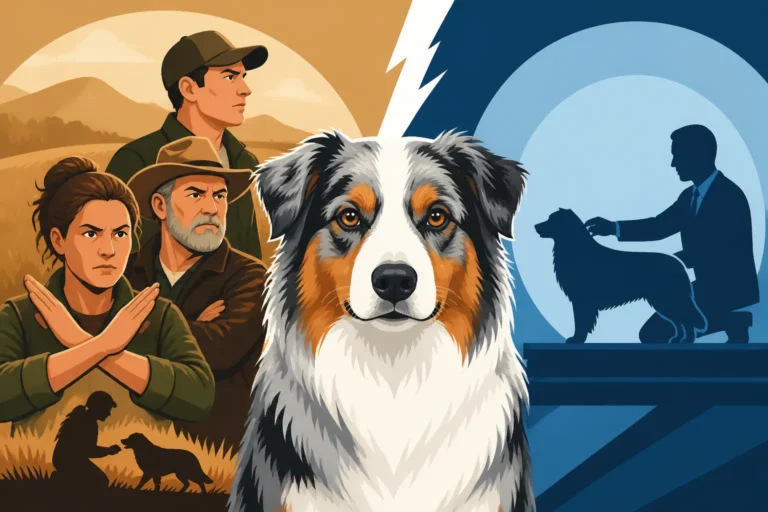
Australian Shepherd breeders opposed AKC recognition to preserve working traits and prevent the prioritization of show aesthetics.
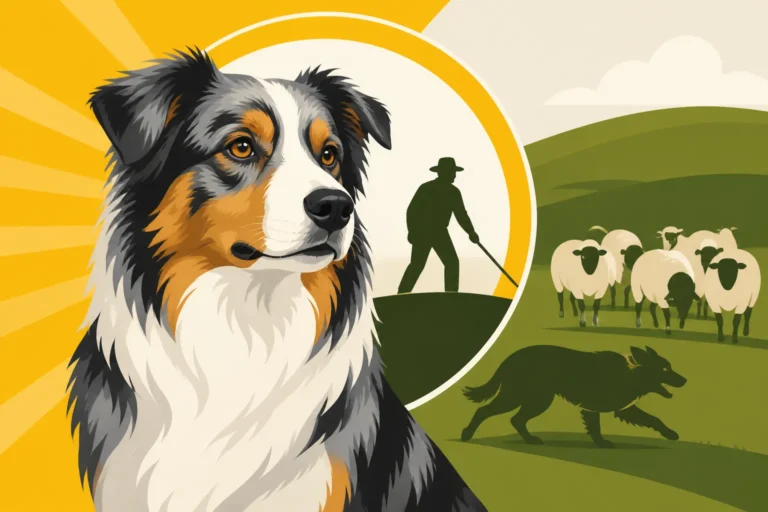
The 1993 American Kennel Club recognition of Australian Shepherds explains their official entry into the Herding Group.

The history of the Australian Shepherd explains why the popular ranch working breed waited decades for American Kennel Club recognition.

The Australian Shepherd history explains how Basque sheepherders and rodeo arenas spread the breed nationwide.

Australian Shepherds in films and television reveal how media portrayals contrast with the reality of owning this high-drive breed.
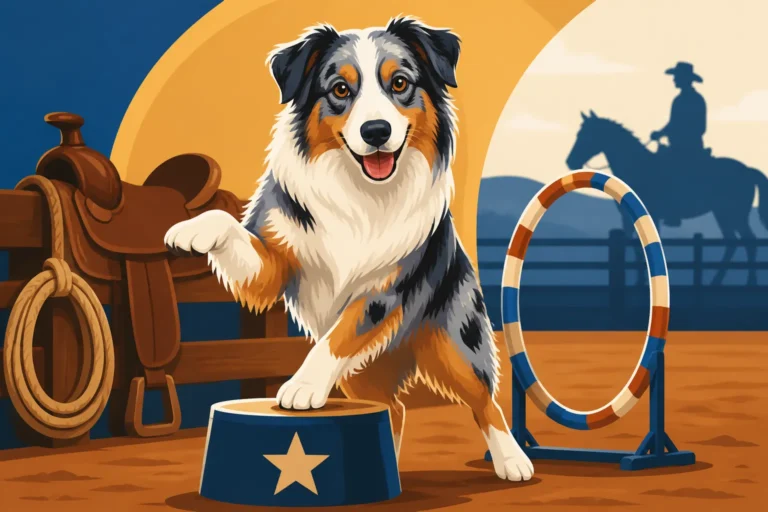
Australian Shepherd trick routines performed during mid-century rodeos showcased the incredible intelligence and versatility of early ranch dogs.
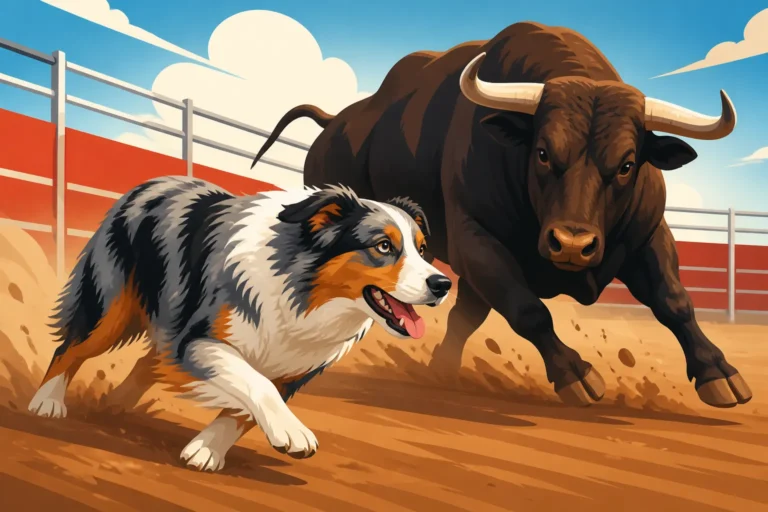
Australian Shepherds in American rodeos herding cattle and bulls, using unique skills, courage, and temperament.
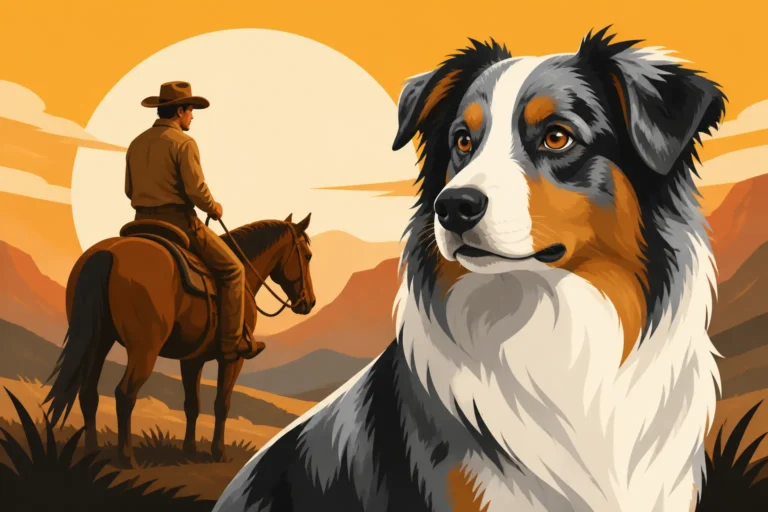
Post-war American culture popularized Western riding and transformed Australian Shepherds into beloved companions for recreational riders.
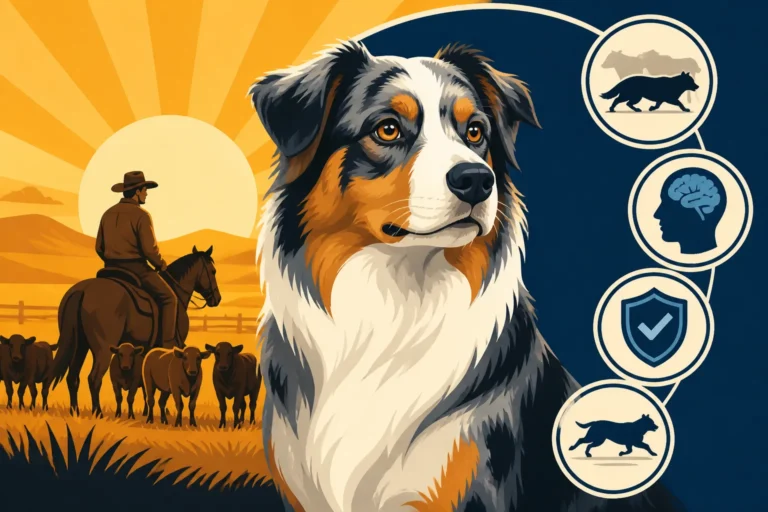
Australian Shepherds were bred for ranch work requiring natural herding instincts, high intelligence, and independent problem-solving skills.

The Australian Shepherd originated in the American West through Basque herding dogs imported during the 19th-century gold rush.