Aussies in Search and Rescue
Australian Shepherds use high intelligence, stamina, and herding drives to excel in demanding search and rescue missions.
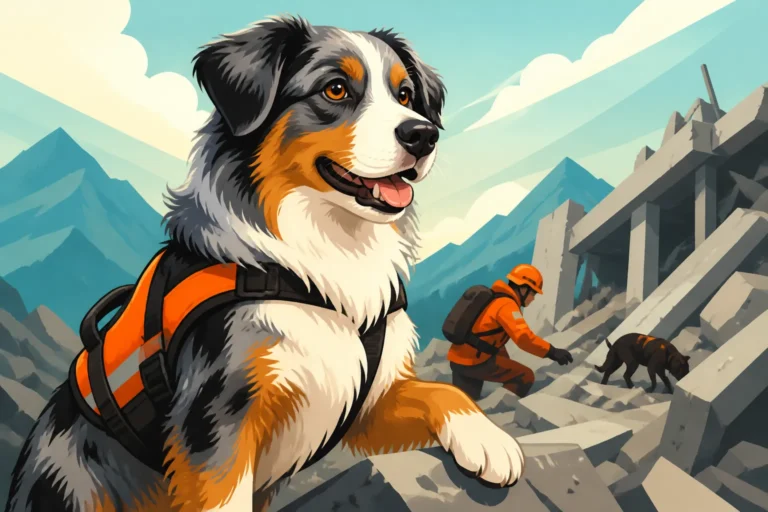
Australian Shepherds use high intelligence, stamina, and herding drives to excel in demanding search and rescue missions.

Australian Shepherds as service and therapy dogs face unique training hurdles and legal public access differences.

Australian Shepherds on modern ranches perform core herding duties like gathering, driving, and sorting livestock.

Australian Shepherd herding instincts remain active in modern companion dogs, explaining genetic traits and assessing working potential.
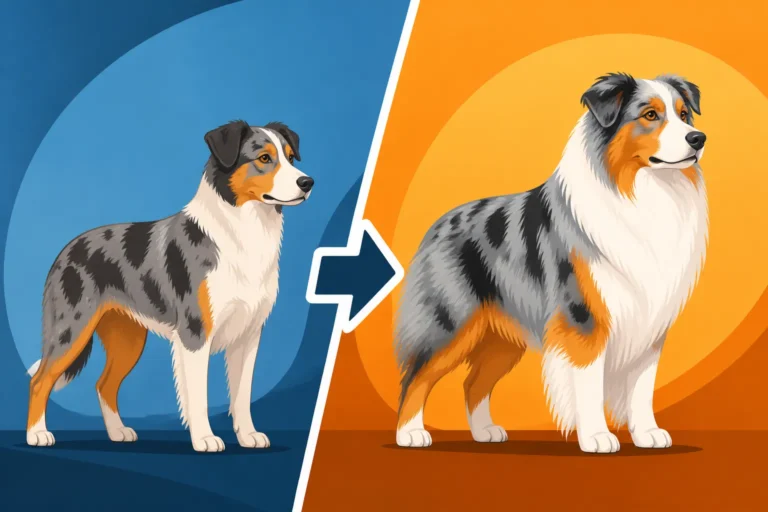
Australian Shepherd breed standards changed after American Kennel Club recognition in 1991, shifting from working traits to new show criteria.
Pioneering kennels and breeders developed the American Australian Shepherd from Basque working dogs during the post-World War II era.
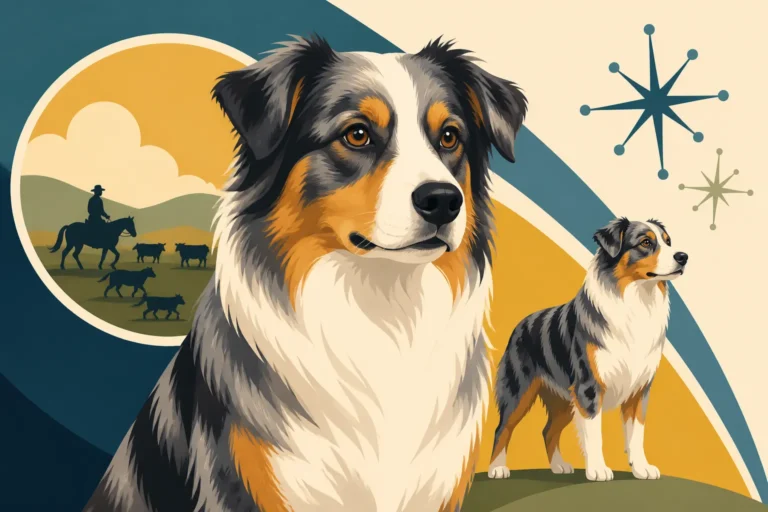
The Australian Shepherd developed a settled, recognizable type in the American West by the 1950s through ranch work.

The mid-nineteenth century American sheep boom and Basque migration explain how the Australian Shepherd developed in the American West.

Australian Shepherd lineage originated in the American West and Europe through Basque sheepdogs, not Australia.

Volume breeder signs for Australian Shepherd puppies help buyers identify high-output operations prioritizing quantity and profit.