Whether Working Aussies Live Shorter Lives
It's a question that often weighs heavily on the hearts of Australian Shepherd owners, especially those of us who have lived with and loved these incredible, driven dogs: does a working Australian Shepherd, one who truly lives up to its heritage with daily tasks, herd work, or high-level sport, actually have a shorter lifespan than its more leisurely companion counterpart? It’s a valid concern, and one that taps into our deepest desires to give our beloved companions the longest, healthiest lives possible. This guide will dive deep into this topic, separating myth from reality, exploring the unique challenges working Aussies face, and outlining how we can support them to thrive for as long as possible.
Dispelling the Myth: Do Working Aussies Really Live Shorter Lives?
It’s easy to look at a working Australian Shepherd, a dog pouring its heart and soul into a physically demanding job day in and day out, and assume that such a rigorous lifestyle must take a toll, shortening their years with us. You see them tearing across fields, pivoting sharply, putting their bodies on the line, and the thought inevitably creeps in: is all this dedication going to make them wear out faster?
The truth is, it's not quite that simple, and often, the assumption that working Aussies inherently live shorter lives is more myth than reality. The typical Australian Shepherd Lifespan Across Twelve to Fifteen Years applies to the breed as a whole, irrespective of whether they're working sheep, dominating in agility, or enjoying a more relaxed life as a beloved family companion. While it's true that working dogs face unique challenges, their active lifestyle also brings significant health benefits that can actually contribute to a longer, healthier life, provided the right care and management are in place.
Think about it: a sedentary dog, much like a sedentary human, is prone to its own set of health issues – obesity, joint problems from lack of muscle support, and even mental stagnation that can manifest as behavioral issues. A working Aussie, by definition, is active, lean, and mentally engaged. This often translates to better cardiovascular health, stronger muscles supporting their joints, and a sharp, fulfilled mind. The key differentiator isn't necessarily the amount of activity, but the quality of care and preparation that goes into supporting that activity.
The perceived "shorter lifespan" often comes from tragic, preventable incidents rather than a systemic biological shortening. A working dog might be more exposed to hazards in the field, or suffer an acute injury that leads to an early end. But these are accidents or specific health crises, not a general shortening of their natural lifespan dueist to their "job." In fact, many dedicated working line breeders report that their dogs live long, robust lives well into their senior years, continuing to be active and engaged until old age finally catches up. The devil, as always, is in the details of how we manage their demanding lives.
The Unique Demands and Potential Risks for Working Australian Shepherds
While a working lifestyle can be incredibly beneficial for an Australian Shepherd, we can't ignore the fact that it places unique demands on their bodies and minds. These aren't just pets; they're athletes, and like any athlete, they have specific needs and vulnerabilities. Understanding these risks isn't about fear-mongering, but about being proactive and ensuring we're providing the absolute best support.
Physical Strain and Injury Risk
The very traits that make an Australian Shepherd an exceptional working dog – their speed, agility, quick turns, and boundless energy – also expose them to a higher risk of certain physical injuries and conditions. Imagine a dog executing rapid changes in direction on uneven terrain, or making high-impact jumps day after day. This kind of repetitive stress, even on a well-conditioned body, can lead to wear and tear.
One of the most common concerns for active Aussies is joint health. Conditions like Australian Shepherd Hip Dysplasia and Working Joints and elbow dysplasia can be exacerbated by intense physical work, especially if the dog isn't properly conditioned or has underlying genetic predispositions. While proper screening by breeders can mitigate some risks (which is why asking for The Health Tests Every Australian Shepherd Parent Needs is crucial), even genetically sound dogs can develop issues if their physical demands aren't managed carefully.
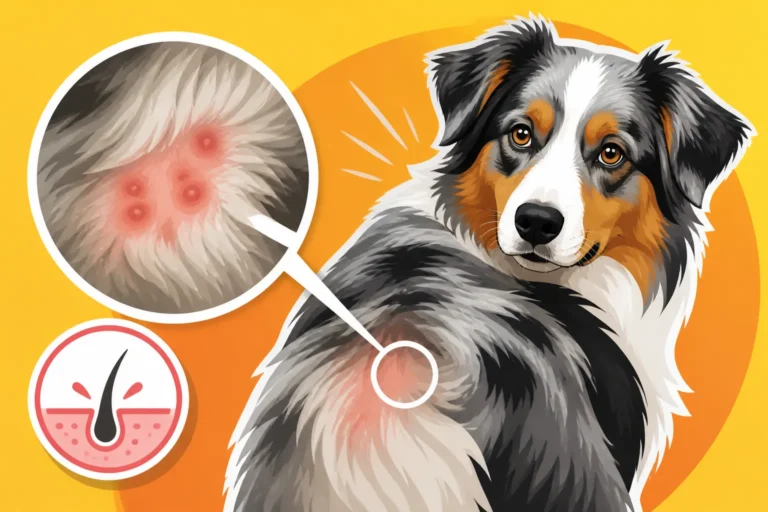
Beyond chronic joint issues, acute injuries are a real possibility. We're talking about everything from torn ligaments, like Cruciate Tears in a Working Australian Shepherd, to muscle strains, sprains, and Australian Shepherd Paw Injuries From Hard Running on rough surfaces. A sheepdog might collide with a stubborn ewe, an agility dog might misjudge a jump, or a frisbee dog might land awkwardly. These aren't just minor scrapes; they can be debilitating injuries requiring extensive veterinary care, and in some cases, can lead to early retirement or persistent discomfort.
Stress and Mental Health Considerations
It's not just the physical demands; a working Aussie's mental landscape is also intensely engaged. They are highly intelligent, sensitive, and thrive on having a "job." However, this mental intensity can also come with its own set of pressures.
For instance, performance stress in competitive sports can be very real. A dog might feel the pressure to perform, or their handler's frustration can translate to them. While Aussies generally love to work, constant high-stakes environments without adequate decompression time can lead to chronic stress, which has its own negative impacts on overall health. This might manifest as anxiety, obsessive behaviors, or even a reluctance to work, ultimately affecting their quality of life.
Furthermore, "under-employment" or a mismatch in job roles can lead to significant stress for a working-bred Aussie. If a dog bred for intense herding drive is confined to a small backyard with only a daily walk, their unmet instinctual needs can lead to frustration, destructive behaviors, and anxiety. This mental and emotional distress can manifest physically, impacting their immune system and overall well-being. It's crucial that an Aussie's mental stimulation matches their inherent drive, ensuring they feel fulfilled and purpose-driven without being constantly overwhelmed. Providing appropriate outlets for their intelligence, like puzzle toys, trick training, or engaging in scent work, can be just as important as physical exercise for their long-term health.
| Factor Affecting Longevity | Description | Impact on Working Aussies | Impact on Companion Aussies |
|---|---|---|---|
| Genetics | Hereditary conditions (e.g., hip/elbow dysplasia, certain cancers). | Can be exacerbated by physical work if present. | Present, but symptoms might be less pronounced or delayed. |
| Nutrition | Quality of diet, caloric intake, and specific supplements. | Crucial for energy, muscle repair, joint health. | Important for weight management and general health. |
| Exercise & Conditioning | Regular, appropriate physical activity. | High demand; risk of acute injury if over-exerted/under-conditioned. | Risk of obesity and related issues if insufficient. |
| Preventative Vet Care | Regular check-ups, vaccinations, parasite control, screenings. | Essential for early detection and management of work-related issues. | Important for overall health; potentially less scrutiny for subtle issues. |
| Injury Management | Prompt and effective treatment of injuries. | More frequent, potentially severe injuries requiring costly, intensive care. | Less frequent, often less severe injuries. |
| Stress & Mental Health | Emotional well-being, outlet for natural drives. | High mental stimulation required; risk of stress if needs aren't met/overwhelmed. | Risk of behavioral issues or anxiety if needs are not met. |
| Environment/Exposure | Hazards in living or working spaces. | Higher exposure to outdoor hazards, terrain, other animals. | Generally lower exposure to specific hazards. |
Promoting Longevity: Supporting Your Working Aussie's Health and Well-being
Given the unique demands on working Australian Shepherds, proactive and comprehensive care is paramount to ensuring they live long, vibrant lives. It's not about shielding them from work, but about empowering their bodies and minds to handle it effectively and recover properly.
Optimal Nutrition and Joint Support
A working Aussie burns a lot of calories, often more than a typical companion dog. Their diet isn't just about sustenance; it's fuel for performance, recovery, and long-term health. Feeding a high-quality diet specifically formulated for active breeds is non-negotiable. Look for foods with excellent protein sources to support muscle maintenance and repair, and balanced fat content for sustained energy.
It's also essential to be mindful of their calorie intake relative to their actual workload. An Aussie working sheep all day will need a different amount than one doing an hour of agility. Regularly assess their body condition – you should be able to feel their ribs easily, but not see them protruding. If you can't feel them at all, they might be carrying too much weight, which puts undue stress on their hard-working joints.
Beyond basic nutrition, consider targeted joint support, especially for an Aussie engaged in high-impact activities. Many owners start Starting Joint Support on a Young Working Aussie as early as puppyhood, or at least once they hit adulthood and begin their serious work. Supplements like glucosamine, chondroitin, and MSM can help maintain cartilage health and reduce inflammation. Omega-3 fatty acids, often found in fish oil, are also excellent for overall joint health and have anti-inflammatory properties. For working dogs, investing in top-tier nutrition and supplements isn't a luxury; it's a critical component of their preventative health strategy.
Proactive Veterinary Care and Health Screenings
For working Aussies, regular veterinary care needs to be exceptionally proactive. This means more than just annual check-ups and vaccinations; it's about establishing a strong relationship with a vet who understands the demands of a working dog's lifestyle. They can help you stay ahead of potential issues.
Routine screenings are vital. For example, regular blood work can help catch subtle changes that might indicate stress on organs before they become serious problems. For dogs on intense training regimens or competitive circuits, it’s not uncommon for vets to recommend more frequent physical exams to check for subtle lameness, muscle imbalances, or other signs of developing issues that a typical owner might miss.
Consider discussing a comprehensive genetic panel with your veterinarian if you haven't already. While most responsible breeders will test for common genetic conditions, understanding your specific dog's predispositions can help you tailor preventative care. Also, being informed about drug sensitivities, like those associated with What MDR1 Does Inside an Australian Shepherd Brain, is incredibly important, especially when injuries occur and medication is needed. Having a trusted vet, and possibly even pet insurance from a provider like Healthy Paws, which can cover unexpected accidents or illnesses, can provide immense peace of mind and ensure you never have to hesitate when your working partner needs medical attention.
Balanced Exercise and Mental Enrichment
For a working Aussie, "exercise" isn't just about running around. It needs to be a balanced regimen that includes structured physical activity, mental challenges, and adequate rest. While they need significant physical exertion, it's also about the type of exercise. High-impact work should be balanced with lower-impact activities like swimming or long walks on soft ground to give their joints a break. Remember, How Much Daily Exercise an Australian Shepherd Needs is not a static number and should be adjusted based on age, health, and actual workload.
Mental enrichment is equally critical. These dogs are thinkers. If their minds aren't engaged, they can become bored, destructive, and even anxious. Incorporate puzzle toys, scent work, trick training, or even formal obedience or rally classes. These activities tire their minds just as much as physical exercise tires their bodies, and sometimes even more effectively. A mentally stimulated Aussie is a happier, healthier Aussie.
Finally, do not underestimate the power of rest and recovery. Just like human athletes, working dogs need downtime for their bodies to repair and rebuild. Ensure they have a comfortable, quiet place to relax and get adequate sleep, especially after intense workdays or competitions. Overtraining can lead to burnout, injuries, and a shorter career or a diminished quality of life.
Transitioning from Work: Ensuring a Fulfilling Senior Life for Your Aussie
One of the hardest, yet most responsible, aspects of owning a working Australian Shepherd is knowing when it's time for them to retire and how to support them through their golden years. A working dog's identity is often wrapped up in its job, so this transition needs to be handled with care and empathy to ensure they maintain a high quality of life.
Recognizing the Signs of Retirement Readiness
Knowing when to retire your working Aussie isn't always a clear-cut decision. It's rarely a sudden "off switch" but rather a gradual decline in their ability or desire to perform at their previous level. Your dog won't send you a memo, so it's up to you to be observant and honest with yourself about their capabilities.
Look for subtle changes in performance or behavior. Are they slowing down on the field or in the ring? Do they seem less enthusiastic to start their work, or do they recover more slowly after a session? Maybe they're skipping jumps they used to clear easily, or their turns are less sharp. Australian Shepherd Arthritis After Years of Work is a common culprit, making movements painful even if they don't vocalize it. You might notice them stiffening up more after activity, or favoring a limb.
Beyond physical signs, pay attention to their mental engagement. A working Aussie thrives on purpose. If they start to seem less engaged, or even appear frustrated or confused by tasks they once mastered, it might be a sign that the mental demands of their job are becoming too much. Consulting with your veterinarian, trainer, or a canine sports medicine specialist can provide objective assessments and help guide your decision. They might suggest diagnostic imaging, like X-rays, to assess joint health, or recommend changes in their training regimen to ease their workload. The goal is to avoid pushing them to the point of pain or distress.
Adapting Care for the Aging Working Dog
Once your Aussie transitions into retirement, your care routine will need to adapt to support their changing needs. This isn't about letting them become a couch potato, but about modifying their activity and care to maintain comfort and engagement.
Firstly, their exercise routine will need adjustment. While they might not be herding sheep for hours, they still need regular, moderate activity to keep their muscles strong and joints limber. Think shorter, gentler walks, perhaps swimming, or mentally stimulating games in the yard. Consistency is key, but intensity should be reduced. Activities that promote flexibility and gentle movement, like canine massage or physiotherapy, can also be incredibly beneficial for easing age-related stiffness.
Nutrition will also evolve. Their caloric needs will likely decrease as their activity level drops, so adjusting their food intake is crucial to prevent weight gain, which is detrimental to aging joints. Switching to a senior-specific dog food, often lower in calories and higher in certain nutrients beneficial for aging bodies (like joint supplements and antioxidants), can be a good move.
Regular veterinary check-ups become even more important as they age. Senior Aussies often develop conditions like thyroid issues, kidney disease, or The Cancers Vets See Most in Australian Shepherds. Early detection is key to effective management. Your vet might recommend more frequent blood work, urinalysis, and thorough physical exams. Also, don't forget dental care; many older dogs suffer from dental disease, which can impact their overall health.
Finally, continue to provide mental enrichment. Even retired, these intelligent dogs need something to "do." Gentle scent games, slow puzzle feeders, or learning new, low-impact tricks can keep their minds sharp and prevent cognitive decline. Social interaction with family and other calm dogs is also vital. The transition from a highly active working life to retirement is significant, and your continued dedication to their physical and mental well-being is the greatest gift you can give them, helping them enjoy their well-earned golden years to the fullest. You're still actively participating in Judging an Aussie's Last Working Year even when the work involves less running and more snuggles on the couch.
Disclaimer
This article is for general informational purposes only and does not constitute professional advice. Laws, prices and regulations vary by location and change over time. Consult a qualified professional for guidance on your specific situation.