Whether a Mildly Affected CEA Aussie Sees Normally
It’s incredibly worrying to learn that your beloved Australian Shepherd has a genetic eye condition, even if it's described as "mild." The immediate fear is always for their quality of life, specifically their eyesight. This comprehensive guide is here to shed light on what it means for an Aussie to be "mildly affected" by Collie Eye Anomaly (CEA), reassuring you that for most dogs in this category, their world still looks perfectly normal.
Understanding Collie Eye Anomaly in Australian Shepherds
Collie Eye Anomaly, often simply called CEA, is a genetic eye disease that affects several herding breeds, including our smart, energetic Australian Shepherds. It's not something that develops over time due to injury or age; your Aussie is either born with the genetic predisposition, or they aren't. What many owners don't realize is that "CEA" isn't a single condition, but rather a spectrum of abnormalities that can impact different parts of the eye, from the choroid to the optic nerve.
The condition is congenital, meaning it's present at birth, and its severity can vary wildly from one dog to another, even within the same litter. This variability is precisely why understanding the term "mildly affected" is so crucial for Australian Shepherd owners. It dictates whether your dog will live a life with completely normal vision or face significant challenges.
How CEA Develops and Manifests
At its core, CEA is a developmental defect of the eye, primarily affecting the choroid, which is a layer of tissue containing blood vessels that supply nutrients to the retina. In simple terms, it's like a flaw in the eye's blueprint that occurs while a puppy is still developing in the womb.
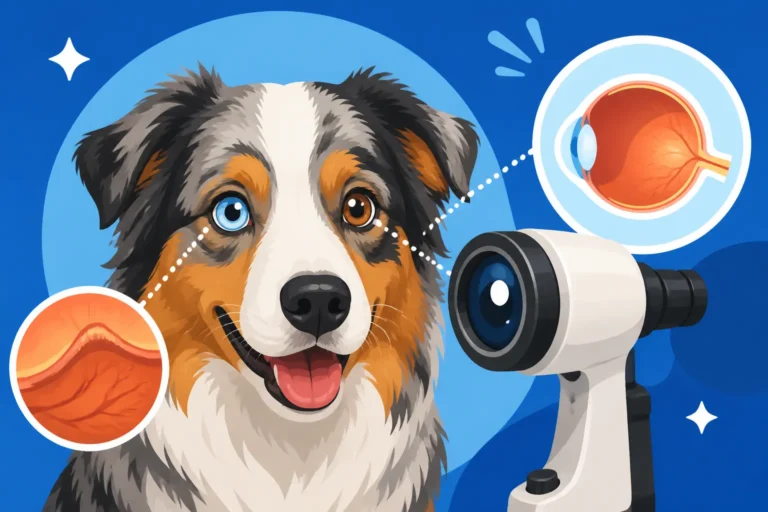
The most common and often mildest form of CEA is called Choroidal Hypoplasia (CH). This means the choroid layer is thinner than it should be. For many Australian Shepherds, especially those with mild CH, this is as far as the condition goes. Their eyes are still perfectly functional, and you would never know there was any abnormality just by looking at them or observing their behavior. The choroidal thinning might only be visible to a veterinary ophthalmologist during a detailed eye examination using specialized equipment. This form is what typically falls under the "mildly affected" banner, and it often has no observable impact on your dog's daily vision.
More severe forms of CEA include colobomas (a hole or defect in the optic nerve, retina, or iris), retinal detachment (where the light-sensitive layer at the back of the eye detaches), and even intraocular hemorrhage (bleeding inside the eye). These more serious manifestations are thankfully less common, but they are why the umbrella term "CEA" can sound so intimidating. When you hear that an Aussie is "mildly affected," it almost invariably means they have CH without any of these more severe complications.
The Genetics Behind CEA
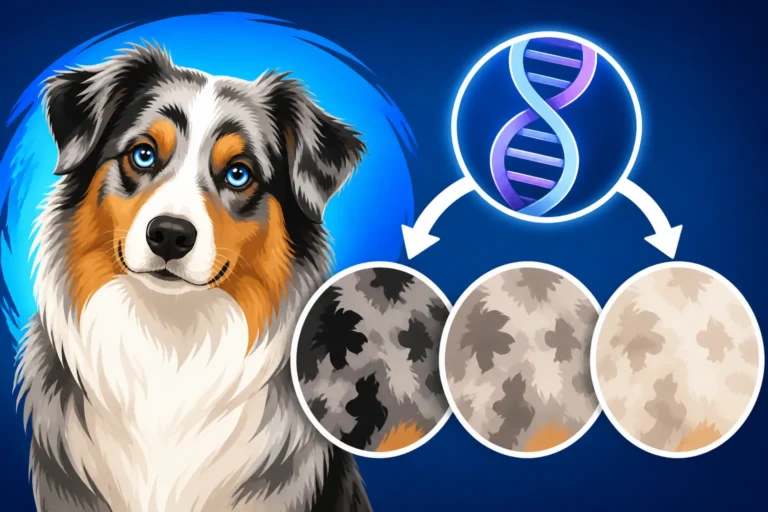
CEA is caused by a recessive gene mutation. This means that an Australian Shepherd must inherit two copies of the faulty gene – one from each parent – to actually express the condition. If a dog inherits only one copy of the gene, they are considered a "carrier" and won't develop CEA themselves, but they can pass the gene on to their offspring. This is incredibly important for breeders, as careful genetic testing can prevent affected puppies from being born.
Responsible breeders understand the importance of this genetic link. They use tools like The CEA DNA Test for Australian Shepherds to screen their breeding stock, aiming to reduce the incidence of the disease. While a carrier can be safely bred to a clear dog (one with no copies of the gene), breeding two carriers together carries a risk of producing affected puppies. This knowledge empowers breeders to make informed decisions that prioritize the health of future generations of Australian Shepherds. Knowing the genetic status of your dog, even if they are just a pet, is still a useful piece of information to have for their long-term health records.
Visual Acuity with Mild Collie Eye Anomaly
The core question for any owner with an Aussie diagnosed with mild CEA is, "Will my dog see normally?" And for the vast majority of these dogs, the answer is a resounding yes. It’s easy to panic when a veterinarian uses words like "anomaly" or "defect," but with mild CEA, the reality is far less dramatic than the name suggests.
When we talk about "mildly affected" Australian Shepherds, we are almost exclusively referring to those with Choroidal Hypoplasia (CH) as the sole manifestation of their CEA. This means their choroid layer, the vascular tissue behind the retina, is thinner or underdeveloped. However, this thinning is often so slight or located in such a way that it doesn't actually impair the eye's function. Think of it like a minor structural imperfection that doesn't compromise the integrity of the whole building.
What "Mildly Affected" Truly Implies for Vision
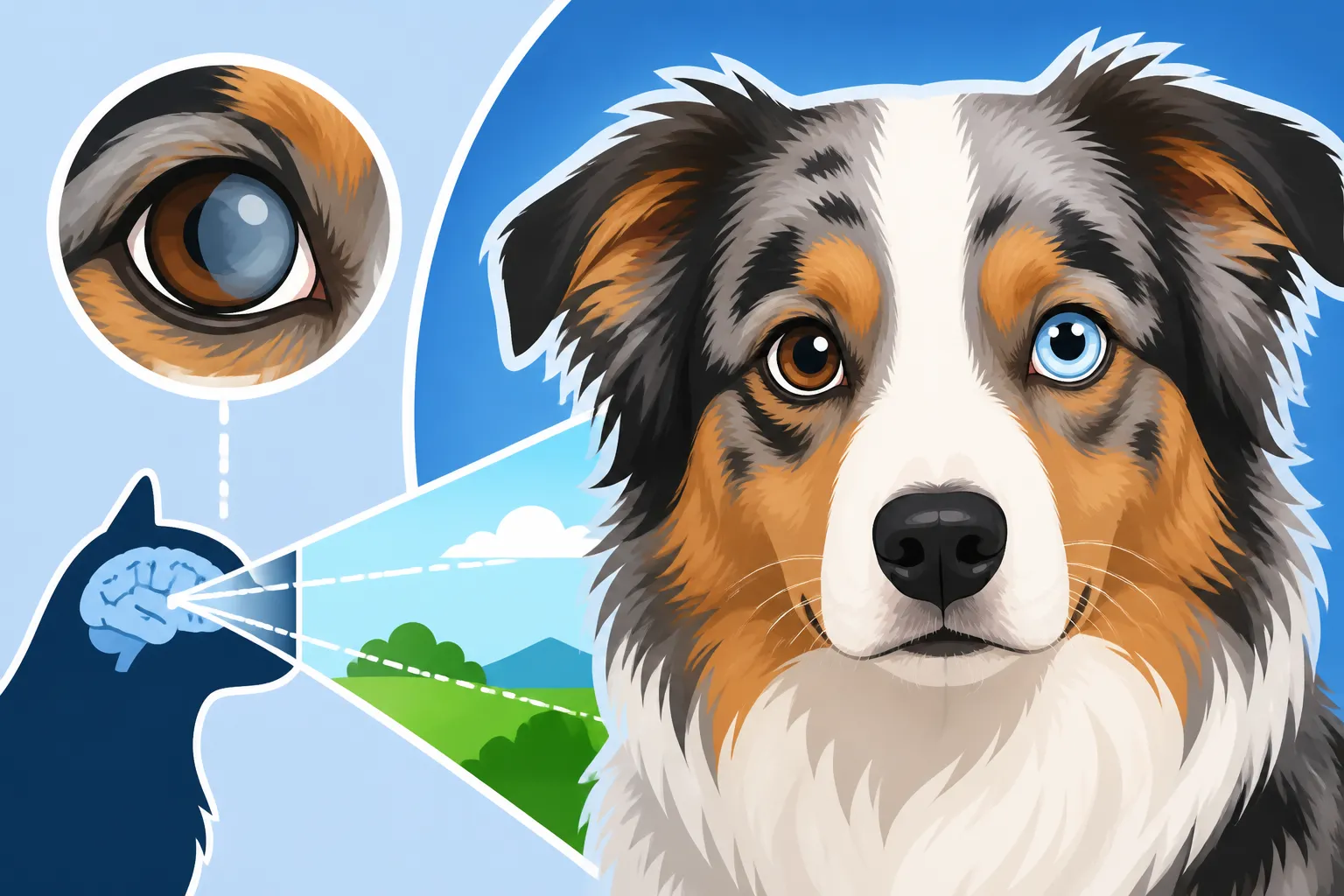
For an Australian Shepherd with mild CH, their vision is typically completely normal. They can see objects, track movement, navigate their environment, and play fetch with the same enthusiasm as any unaffected dog. Their depth perception, peripheral vision, and ability to see in varying light conditions are usually unimpaired. They won't bump into furniture, struggle to find their toys, or show any signs of visual distress. In fact, many Aussies with mild CEA live their entire lives without their owners ever suspecting a visual issue.
The diagnosis often comes from a routine eye examination, especially The Aussie Puppy Eye Check at Six Weeks that many responsible breeders perform. During this check, a veterinary ophthalmologist dilates the puppy's pupils and uses specialized equipment to examine the back of the eye. It's at this point that the subtle signs of CH might be detected. If no other abnormalities like colobomas or retinal issues are present, the dog is classified as mildly affected, and the ophthalmologist can generally reassure the owner that the condition will not impact their dog's vision.
It’s truly a relief for owners to hear this, as the thought of their active, intelligent Australian Shepherd losing their sight is heartbreaking. The wonderful news is that with mild CEA, that heartbreaking scenario is highly unlikely. The abnormalities are static, meaning they do not typically progress or worsen over time. This means if your Aussie is seeing normally as a puppy with mild CH, they will continue to see normally as an adult.
The Importance of a Specialist's Evaluation
While your regular veterinarian might be the first to flag a potential eye issue, a definitive diagnosis and prognosis for CEA should always come from a board-certified veterinary ophthalmologist. These specialists have the specific training and equipment to differentiate between the various grades of CEA and provide an accurate assessment of your dog's visual prognosis. They can confirm that your Australian Shepherd’s condition is indeed mild and that no progressive or severe components are present.
During the examination, the ophthalmologist will thoroughly check all parts of the eye. They look for the tell-tale signs of CH, which can appear as a pale spot or an area of irregular pigmentation in the choroid. They'll also diligently search for any evidence of colobomas, retinal folds, or retinal detachment, which are markers of more severe forms of the disease. The precision of their examination is what allows for the confident declaration that a "mildly affected" Aussie will have normal vision. This expert confirmation is invaluable for an owner's peace of mind, allowing them to focus on enjoying life with their healthy-sighted companion.
Living with a Mildly Affected Australian Shepherd
Once you have a confirmed diagnosis of mild CEA from a veterinary ophthalmologist, the good news is that very little, if anything, needs to change in your Australian Shepherd's daily routine. These dogs typically lead full, vibrant lives, participating in all the activities Aussies are known and loved for, without any visual limitations.
Daily Life and Activities
Your mildly affected Aussie will run, jump, chase, and play just like any other dog. There's no need to restrict their exercise, avoid certain environments, or make special accommodations around the house. They can excel in dog sports like agility, flyball, or disc dog, where keen eyesight is paramount. Their ability to herd, whether it's livestock, family members, or a frisbee, will remain unhindered. This is often the biggest relief for owners, realizing that their dog's world isn't diminished in any way by this diagnosis.
You might find yourself initially more vigilant, watching for any sign of visual impairment. But soon, you'll likely forget the diagnosis entirely, simply because your dog's behavior will give you no cause for concern. They’ll navigate familiar and unfamiliar spaces with confidence, track airborne toys with precision, and greet you with the same bright, observant eyes. For all intents and purposes, their vision is normal.
Even so, it's always wise to maintain regular veterinary check-ups for overall health. While mild CEA itself doesn't progress, your dog may still be susceptible to other eye conditions common in the breed or in senior dogs, such as Hereditary Cataracts Clouding an Aussie Eye or age-related vision changes. Your vet can monitor their general eye health as part of their routine care.
The Role of Genetic Testing for Future Generations
While a mildly affected Aussie lives a normal life, their genetic status holds important implications for breeding. Since CEA is inherited recessively, a mildly affected dog carries two copies of the affected gene. This means that if they were to be bred, they would pass on one copy of the gene to all of their offspring.
This is where responsible breeding practices and The Genetic Panel Every Australian Shepherd Needs come into play. A mildly affected Australian Shepherd should ideally only be bred to a mate who has been genetically tested as "clear" (meaning they don't carry any copies of the CEA gene). This pairing ensures that no puppies in the litter will be born with CEA, though all of them would be carriers. Breeding two affected dogs, or an affected dog with a carrier, risks producing severely affected offspring.
| CEA Genetic Status | Offspring with Clear Mate | Offspring with Carrier Mate | Offspring with Affected Mate |
|---|---|---|---|
| Clear | 100% Clear | 50% Clear, 50% Carrier | 100% Carrier |
| Carrier | 50% Clear, 50% Carrier | 25% Clear, 50% Carrier, 25% Affected | 50% Carrier, 50% Affected |
| Affected | 100% Carrier | 50% Carrier, 50% Affected | 100% Affected |
This table illustrates the power of genetic testing in guiding breeding decisions and is why reputable breeders prioritize health clearances. Even if your Australian Shepherd is a pet, knowing their CEA status is valuable for the breed's overall health picture.
Reassurance for Owners
It's natural for a dog owner to feel anxious or even guilty when their pet receives a diagnosis, even a mild one. However, with mild CEA, you can genuinely take comfort in the fact that your Australian Shepherd's vision is very likely unaffected. This isn't a progressive disease that will suddenly worsen years down the line. What you see now in terms of their visual capabilities is what you can expect for their lifetime.
Embrace the joy your Australian Shepherd brings into your life, knowing that their mild CEA diagnosis is a medical finding more than a functional impairment. Celebrate their keen intelligence, their boundless energy, and their loving companionship. You have a wonderful dog, and their world is just as clear and bright as yours.
Financial Considerations and Support
While the good news is that mild CEA typically doesn't require ongoing treatment or significant lifestyle changes, it's always wise to consider the financial aspect of veterinary care, especially for diagnoses like this. Understanding potential costs and how pet insurance might factor in can provide additional peace of mind.
Initial Diagnosis and Follow-Up Costs
The primary cost associated with mild CEA is the initial diagnostic eye exam by a board-certified veterinary ophthalmologist. This specialist visit can range from $150 to $300, depending on your location and the specific clinic. This fee usually covers the dilated eye exam and the ophthalmologist's consultation. If genetic testing was done as part of a comprehensive panel, that would be a separate cost, typically ranging from $60 to $200, but is often performed once in a lifetime.
For a mildly affected Australian Shepherd with no functional vision impairment, follow-up visits specifically for CEA are usually not necessary beyond confirming the non-progressive nature of the condition. However, it’s always a good idea to ensure your pet insurance, like a plan from Healthy Paws, is in place for any unexpected health issues that might arise in the future.
Pet Insurance and Pre-Existing Conditions
When it comes to pet insurance, CEA, if diagnosed before you enroll your Australian Shepherd, would typically be considered a pre-existing condition. This means that any future claims directly related to CEA (which are rare for mild cases) would likely not be covered. However, this shouldn't deter you from considering pet insurance.
Plans from providers like Healthy Paws can be incredibly valuable for covering unforeseen accidents, illnesses, or other breed-specific conditions that are not pre-existing. For example, if your Aussie develops Australian Shepherd Epilepsy Starting Between One and Five or needs emergency surgery for an injury, a good insurance policy can significantly reduce your out-of-pocket expenses. Even if CEA isn't covered, having financial protection for other potential health issues is a smart move for any dog owner. It’s important to research policies carefully, looking at factors like Australian Shepherd Insurance by Age and State and The Aussie Conditions Insurers Exclude.
Always enroll your Australian Shepherd in pet insurance as early as possible, ideally before any health issues are diagnosed. This ensures the broadest possible coverage for their lifetime. While mild CEA itself might not be a huge financial burden, the peace of mind that comes from knowing you're prepared for other health challenges is priceless.
Support Networks and Resources
While a mild CEA diagnosis shouldn't cause daily stress, it can still be helpful to connect with other Australian Shepherd owners who have navigated similar diagnoses. Online forums, breed-specific social media groups, and breed rescue organizations are often excellent resources. Organizations like the Australian Shepherd Health & Genetics Institute (ASHGI) provide a wealth of information and support for owners dealing with various health concerns.
Connecting with these communities can offer emotional support, practical advice, and reassurance that your dog is not alone in its diagnosis. While medical advice should always come from your veterinarian or a specialist, sharing experiences with fellow Aussie enthusiasts can build a strong support system for you and your furry friend.
Disclaimer
Please remember that the information provided in this guide is for general educational purposes only and should not be considered a substitute for professional veterinary advice. Always consult with a qualified veterinarian or a board-certified veterinary ophthalmologist for any health concerns or before making any decisions about your Australian Shepherd's care.