The Aussie Puppy Eye Exam That Finds CEA
Bringing home a wiggly, intelligent Australian Shepherd puppy is a joyous occasion, but it also comes with a lot of worries about their health. One common concern that often keeps new Aussie parents up at night is the possibility of inherited eye conditions. Among these, Collie Eye Anomaly (CEA) stands out, and understanding the specialized eye exam that finds it in young puppies is absolutely crucial for ensuring your new family member gets the best start. This guide will walk you through exactly what this vital puppy eye check entails.
Understanding Collie Eye Anomaly in Australian Shepherds
Let's be honest, finding out your beautiful Aussie puppy might have an eye condition can be incredibly stressful. Collie Eye Anomaly, or CEA, is a hereditary developmental condition that affects several breeds, including our beloved Australian Shepherds. It's not a condition that develops over time due to environment; it's something they are born with, passed down from their parents. The frustration for many owners lies in the fact that it's a silent condition in many cases, meaning you wouldn't necessarily see outward signs without a proper veterinary examination.
At its core, CEA is a defect in the development of the choroid, which is the layer of tissue behind the retina that supplies blood and nutrients. This defect can manifest in various ways, from mild changes in the choroid (choroidal hypoplasia) to more severe issues like colobomas (holes in the optic nerve or retina), retinal detachment, and even intraocular hemorrhage. The severity dictates the impact on vision, ranging from no noticeable vision impairment to partial blindness or, in rare severe cases, complete blindness. It's a spectrum, and not every affected dog will have significant vision problems, which can be both a relief and a source of confusion for owners. If you're looking for more in-depth information on the condition, you can check out our guide on Collie Eye Anomaly in an Australian Shepherd.
The Genetic Roots of CEA
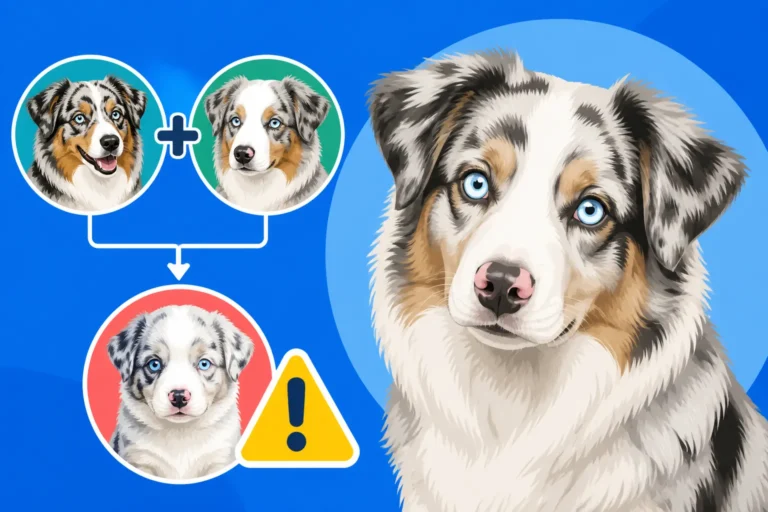
It’s completely normal to feel overwhelmed when talking about genetics and eye health. Many of us just want a healthy, happy pup! But understanding the genetic component of CEA is key. This condition is inherited in an autosomal recessive pattern, meaning a puppy must inherit two copies of the defective gene – one from each parent – to be affected. Dogs that inherit only one copy are considered carriers; they won't typically show signs of CEA but can pass the gene to their offspring. This is why responsible breeders perform The CEA DNA Test for Australian Shepherds on their breeding stock. Knowing the genetic status of the parents allows breeders to make informed choices, aiming to produce puppies free from the disease or, at the very least, to ensure no two carriers are bred together.
However, a DNA test isn't the whole story. While it tells you if the potential for the condition exists genetically, it doesn't always tell you the extent of its physical manifestation. That's where the specialized eye exam comes in. It’s a bit like knowing a car could have a faulty part based on its model, but you still need a mechanic to actually inspect that part.
The Importance of the ACVO Eye Exam for Aussie Puppies
When you first get your Australian Shepherd puppy, you're likely focused on house training and all those adorable puppy antics. But one of the most critical appointments on your early puppy checklist should be a specialized eye exam, specifically by a board-certified veterinary ophthalmologist. This isn't just a regular vet check; it's a focused, expert examination that can make all the difference in your puppy's long-term eye health and management.
For Aussie puppies, the window for effectively diagnosing CEA through a physical eye exam is surprisingly narrow. The optimal time for this crucial check is between six and eight weeks of age. This period is often referred to as The Aussie Puppy Eye Check at Six Weeks for good reason. Why so early? Because as a puppy grows, the choroid can develop a pigment layer that, in mildly affected dogs, can actually obscure the tell-tale signs of CEA. This phenomenon is known as "go-normal." A dog with mild CEA might appear perfectly normal on an eye exam performed after 8-12 weeks, even though they still have the genetic defect and could pass it on. This is why reputable Australian Shepherd breeders ensure this exam happens before puppies leave for their new homes.
Why a Certified Veterinary Ophthalmologist is Essential
You might think any vet can check your puppy's eyes, and while your general practitioner vet is fantastic for routine care, a condition like CEA requires a specialist. A board-certified veterinary ophthalmologist has undergone extensive additional training, passing rigorous exams to become experts in animal eye health. They possess the specialized equipment and the trained eye to detect even the most subtle abnormalities associated with CEA.
This specialized exam is often referred to as an ACVO (American College of Veterinary Ophthalmologists) exam. These are the folks who conduct The ACVO Eye Exam Australian Shepherd Breeders Run and certify the findings. They're looking for specific, often minute, changes that a general vet might miss, especially when those changes are mild or partially hidden by developing pigment. The ACVO ophthalmologist will provide official documentation of their findings, which is invaluable for breeders and new owners alike. It provides a baseline for your puppy's eye health and, if CEA is found, helps you understand the severity and what that might mean for your dog. For families who embrace pet insurance like Healthy Paws, knowing your puppy's initial health status before any issues arise can be really beneficial, ensuring coverage for any future non-pre-existing conditions.
What Happens During the Puppy Eye Exam for CEA?
It can feel a little daunting to take your tiny puppy for a specialized exam, especially one involving their precious eyes. But rest assured, these ophthalmologists are accustomed to working with puppies and making the process as stress-free as possible. The examination itself is relatively straightforward and non-invasive, focusing on a thorough visual inspection of the eye structures.
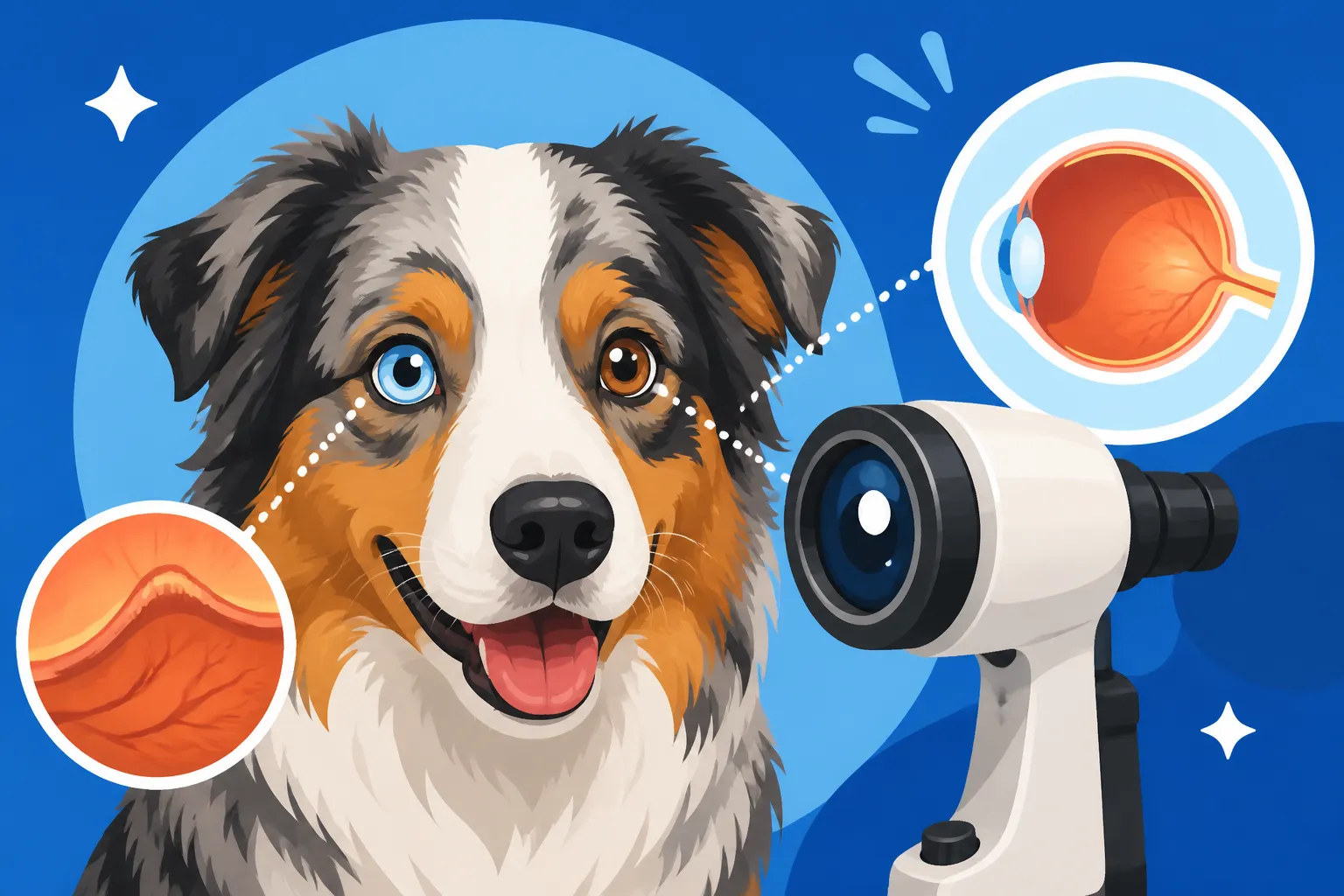
The appointment usually begins with a general history and any concerns you might have. Then, the ophthalmologist will typically dim the lights in the exam room to get a better view of the structures at the back of the eye. Your puppy’s pupils will need to be dilated, which involves administering eye drops. This might take a few minutes to take effect, so there might be a short waiting period while the drops work their magic. Once the pupils are fully dilated, the specialist will use an ophthalmoscope – a specialized instrument with a light and magnifying lenses – to examine the retina, choroid, and optic nerve. They're looking deep into the eye, past the lens, to assess the tissues that are affected by CEA. This detailed inspection is where their expertise truly shines.
Key Signs the Ophthalmologist is Looking For
During this detailed examination, the ophthalmologist is meticulously scanning for several specific indicators of CEA. The primary finding they look for is choroidal hypoplasia (CH), which appears as a localized thinning or lack of pigment in the choroid, often visible as a pale, abnormal patch. This is the most common manifestation of CEA. In more severe cases, they might also identify colobomas, which are actual defects or holes in the optic nerve head, appearing as a scooped-out or irregular area. These can sometimes lead to vision impairment.
Even rarer, but still part of the spectrum, are retinal detachments or intraocular hemorrhages. While a severe retinal detachment would undoubtedly impact vision, milder forms of CEA, specifically choroidal hypoplasia, might not visibly affect your puppy's eyesight at all. This is an important distinction, and it's why having the specialist's detailed report is so valuable. Understanding these nuanced findings is important, particularly if you find yourself asking Whether a Mildly Affected CEA Aussie Sees Normally. Sometimes, the subtle changes can be missed by an untrained eye, and this early detection can help you plan for any potential future needs your puppy might have.
| CEA Finding | Description | Visual Impact | Age of Detection |
|---|---|---|---|
| Choroidal Hypoplasia (CH) | Thinning or lack of pigment in the choroid, often appearing pale or mottled. | Mild to none; pigment can obscure later ("go-normal"). | Best detected at 6-8 weeks, can be missed later. |
| Coloboma | A defect or hole in the optic disc or retina. | Varies from mild blind spots to significant impairment. | Typically detectable at 6-8 weeks and throughout life. |
| Retinal Detachment | The retina separates from its underlying support layers. | Severe vision loss or blindness. | Can be seen at 6-8 weeks, may develop later in life. |
| Intraocular Hemorrhage | Bleeding within the eye. | Can range from mild blurriness to severe vision loss. | Can be seen at 6-8 weeks, but often a secondary complication. |
Understanding the Results of Your Aussie Puppy's Eye Exam
After the exam, the ophthalmologist will discuss their findings with you and provide a written report. This report will detail everything they observed and, importantly, classify your puppy's eye health status. It’s a lot to take in, especially if the news isn't what you hoped for, but having clear information is the first step toward managing any findings.
The results will typically state whether your puppy is "Unaffected" (meaning no signs of CEA were found) or "Affected" (meaning some degree of CEA was detected). If affected, the report will often specify the type and severity of the anomaly, such as choroidal hypoplasia, coloboma, or retinal folds. It's crucial to remember that "affected" doesn't automatically mean "blind." Many dogs with choroidal hypoplasia live full lives with perfect vision, never showing any signs of the condition in their daily activities. The most significant implication for a mildly affected dog is often its breeding status, as they carry and pass on the gene.
What an "Affected" Diagnosis Means for Your Puppy
If your puppy is diagnosed with CEA, it’s natural to feel a pang of worry. However, for most Australian Shepherds with CEA, particularly those with only choroidal hypoplasia, the impact on their daily life is minimal to non-existent. They won't experience pain, and their vision often remains perfectly normal. The "go-normal" phenomenon means that as the eye matures and pigment increases, the signs of CH become less visible, or even disappear, to the examiner. However, the genetic defect is still present.
For puppies with more severe forms, such as large colobomas or retinal detachments, the implications can be more serious, potentially leading to significant vision impairment or even blindness in one or both eyes. In these rarer, more severe cases, the ophthalmologist will discuss potential management strategies and what to expect as your puppy grows. While there isn't a cure for CEA itself, understanding the diagnosis allows you to adapt and provide the best care for your dog. Having pet insurance like Healthy Paws can really help ease the financial burden if more serious, related issues arise down the line, although it's always best to check their policies regarding pre-existing conditions. This early eye check is also an essential part of The Health Tests Every Australian Shepherd Parent Needs to ensure the overall health of the breed.
Beyond CEA: Other Eye Concerns
While this specific exam is focused on CEA, it’s worth noting that the general health of your puppy's eyes is part of a broader picture. Australian Shepherds can be prone to other eye conditions, such as Hereditary Cataracts Clouding an Aussie Eye, which are also inherited. The ACVO ophthalmologist will typically look for signs of other issues during their comprehensive examination, though CEA is the primary target at this young age. Early detection of any anomaly is always beneficial. For comprehensive information about your dog's genetic predispositions, a full The Genetic Panel Every Australian Shepherd Needs can provide insights into a range of conditions, not just eye health. Always remember that knowledge is power when it comes to advocating for your furry friend's well-being.
Disclaimer
This article is intended for informational purposes only and does not constitute veterinary advice. Always consult with a qualified veterinary professional for any health concerns or before making any decisions about your pet's care.