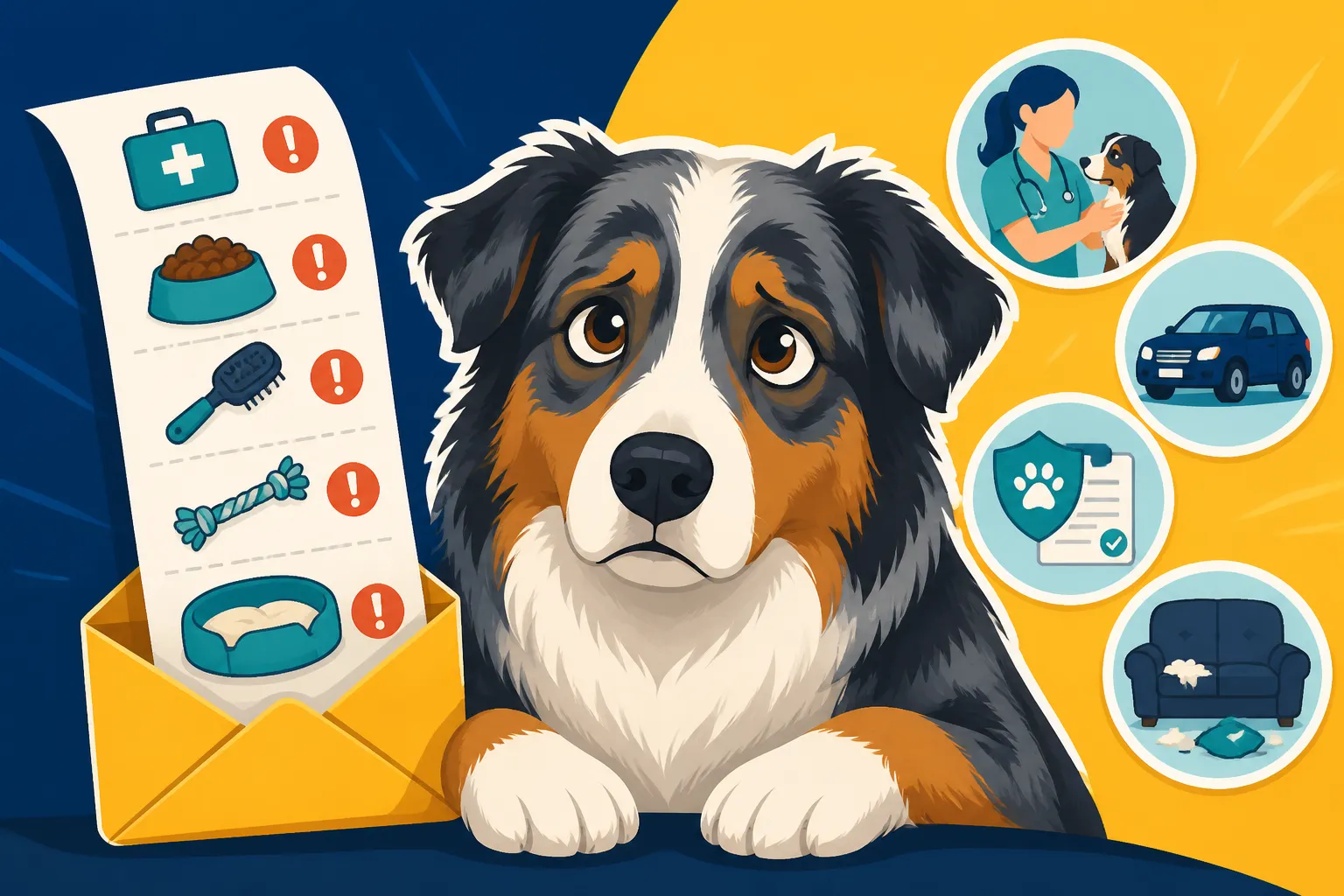
The Aussie Bills Nobody Warns You About
It's easy to fall head-over-heels for the Australian Shepherd's stunning looks and intelligent gaze, picturing countless adventures and loyal companionship. But beneath the initial puppy price tag and the obvious cost of food, there's a whole landscape of expenses that often catch even seasoned dog owners completely off guard. From specific health predispositions to the sheer financial (and time) commitment needed to truly fulfill their energetic and brilliant nature, this guide will illuminate those often-overlooked bills, helping you prepare for a realistic and rewarding life with your Aussie.
The Invisible Investment: Health Costs That Creep Up on Australian Shepherd Owners
When you bring home an Australian Shepherd, you’re not just adopting a pet; you’re welcoming a bundle of genetic history, some of which can lead to unexpected health challenges down the line. Many new owners diligently budget for annual vet visits, vaccinations, and parasite prevention, but it's the less common, often breed-specific, health issues that can truly empty your wallet without warning. These aren't always immediate concerns but can manifest months or even years into your Aussie's life.
Genetic Predispositions and Uninsured Conditions
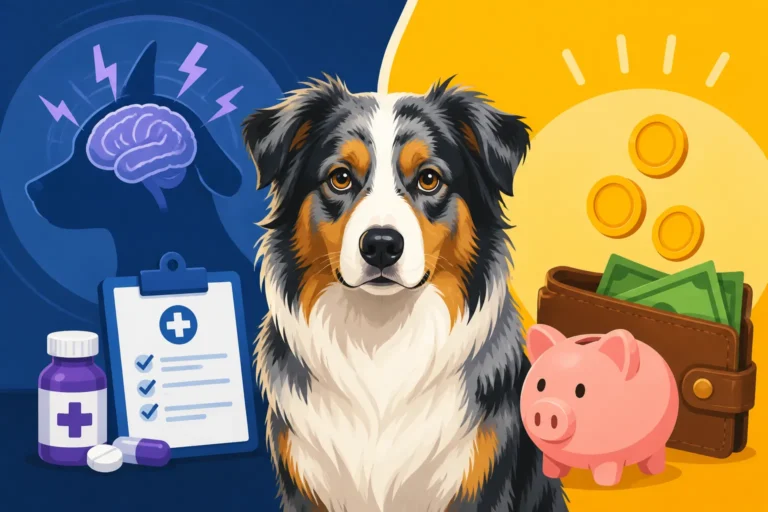
Australian Shepherds are, unfortunately, prone to a handful of hereditary conditions. Some of these, like Australian Shepherd Hip Dysplasia and Working Joints or Australian Shepherd Epilepsy Starting Between One and Five, are well-known within the breed community. However, unless you've done extensive research or purchased from a breeder who thoroughly health tests their lines and transparently shares results, you might not be aware of the potential for these issues. Hip dysplasia, for example, can require expensive diagnostics, ongoing pain management, and potentially major surgery that could run into the thousands per hip. Epilepsy, while often managed with medication, demands lifelong vet visits, bloodwork to monitor drug levels and organ function, and the cost of the medications themselves, which can add up significantly over a decade.
Other conditions, like certain eye issues such as Hereditary Cataracts Clouding an Aussie Eye or Collie Eye Anomaly (CEA), may not present obvious symptoms in a young puppy but can lead to costly specialist veterinary ophthalmologist visits later. Even if your breeder tests for these, a "carrier" status for some genes can still mean your dog could pass it on, or, in the case of something like CEA, be mildly affected without you realizing until a comprehensive eye exam. These are the kinds of bills that often hit hard because they're not part of the standard "puppy care" checklist, and sometimes, pet insurance might not cover them if the condition is deemed pre-existing before you enroll or if there are specific breed exclusions. It pays to research which insurers, like Healthy Paws, have good coverage for hereditary conditions, and to enroll your Aussie when they are young and healthy.
Managing Chronic Illnesses and Medications
Should your Australian Shepherd develop a chronic condition, such as epilepsy, severe allergies, or an autoimmune disease, the ongoing costs can be substantial. It's not just the initial diagnosis; it's the recurring expenses that truly add up. Imagine your Aussie needing daily anti-seizure medication for the rest of their life. You'll be looking at monthly prescription refills, plus regular blood tests to ensure the medication levels are therapeutic and not causing adverse effects on organs like the liver. If your Aussie has Australian Shepherd Skin, Coat and Allergy Problems, you might face specialized prescription diets, medicated shampoos, costly allergy injections, or dermatological consultations.
This isn't a one-and-done bill; it’s a commitment for years. Many owners find themselves surprised by the cumulative cost of these medications and specialized care. For example, if your Aussie develops Australian Shepherd Autoimmune Thyroiditis, they'll likely need daily thyroid hormone replacement, which, while not incredibly expensive per pill, becomes a continuous expense over their lifespan. These ongoing pharmaceutical costs are rarely factored into initial budgets, but they can easily add hundreds, if not thousands, of dollars to your annual pet expenses, particularly as your dog ages and potentially develops multiple conditions.
Specialized Diagnostics and Emergency Vet Visits
Sometimes, pinpointing what's wrong with an Australian Shepherd requires more than a basic exam. Specialized diagnostics, like MRIs for suspected neurological issues such as unexplained seizures, can run into the thousands of dollars. X-rays for suspected lameness are common, but if those don't provide a clear answer, your vet might recommend advanced imaging like CT scans or even biopsies. These procedures are costly, and often, they’re necessary before a treatment plan can even begin.
Then there are the emergency vet visits. Aussies are active, curious, and sometimes a little too adventurous, making them susceptible to accidents or sudden illnesses. A twisted gut (bloat), an ingestion of something toxic, or an unexpected injury during play can mean an immediate, costly trip to the emergency clinic. Australian Shepherd Bloat Warning Signs are something every owner should know, as surgical intervention for bloat can be incredibly expensive and time-sensitive. These aren't bills you can plan for, but they are bills you absolutely must be prepared for. Having an emergency fund or robust pet insurance coverage from a provider like Healthy Paws can be a lifesaver when these unexpected scenarios arise.
More Than Just Walks: The Financial Reality of an Aussie's Mental and Physical Needs
Australian Shepherds are renowned for their intelligence and boundless energy. What many prospective owners don't realize is that this isn't just a charming trait; it's a fundamental aspect of their being that demands constant engagement. Failing to provide adequate mental and physical stimulation doesn't just lead to a bored dog; it often leads to a destructive, anxious, or reactive one – and those behaviors invariably come with a financial cost.
Advanced Training and Behavioral Consultations
While basic puppy classes are a great start, an Australian Shepherd often needs ongoing, specialized training to manage their innate drives. Their strong The Australian Shepherd Herding Drive You Cannot Train Out means they might try to herd children, other pets, or even inanimate objects. This can lead to undesirable behaviors like nipping at heels or excessive chasing. Addressing these issues often requires advanced obedience classes, private sessions with a trainer experienced in working breeds, or even consultations with a certified veterinary behaviorist if the problems are deeply ingrained or rooted in anxiety. These specialized services are significantly more expensive than basic puppy courses.
A trainer might charge by the hour, or offer packages for several sessions, but these costs can quickly add up, easily reaching hundreds or even thousands of dollars, depending on the severity of the behavioral issue and the duration of the training. Furthermore, if your Aussie develops reactivity to other dogs or people, a common challenge for undersocialized or over-stimulated Aussies, you'll need to invest in counter-conditioning and desensitization protocols, which often require professional guidance. The investment in quality training is crucial to transforming a potentially challenging Aussie into a well-adjusted companion, but it's a continuous commitment, not a one-time fix.
Daycare, Boarding, and Professional Help for High-Energy Aussies
Many Australian Shepherd owners work full-time, which presents a significant challenge: how do you keep such a high-energy, intelligent dog adequately stimulated during the day? For many, the answer lies in professional services. Doggy daycare can be a fantastic way to burn off energy and provide socialization, but it's not cheap. Depending on your location, a full day of daycare can cost a significant amount per day, and if you're utilizing it several times a week, that quickly becomes a substantial monthly bill.
Similarly, when you travel, boarding an Aussie requires a facility that can handle their energy levels, which often means higher rates or specialized "active dog" programs. Leaving an Aussie home alone for extended periods without mental and physical outlets can lead to destructive behaviors like chewing furniture, incessant barking, or anxiety-related issues. Some owners find themselves hiring dog walkers, often multiple times a day, or engaging in specialized enrichment programs. These services are essential for the well-being of many Aussies and, while invaluable, represent a significant ongoing financial commitment that many don't foresee.
Enrichment, Durable Toys, and Preventing Destructive Habits
An Australian Shepherd needs more than just a ball to chase; they need mental challenges. This translates into an ongoing expense for puzzle feeders, interactive toys, and training tools. These dogs are smart, and they bore easily, often figuring out and destroying flimsy toys in minutes. Investing in high-quality, durable chew toys and puzzle feeders is not a luxury, but a necessity to prevent them from turning their attention to your furniture, shoes, or drywall.
Even with durable toys, Aussies can be incredibly destructive if their needs aren't met. Replacements for torn beds, chewed leashes, destroyed crates, or even home repairs due to anxiety or boredom are real, unbudgeted costs. Companies like Chewy offer a wide range of robust toys and enrichment tools, but the cost of constantly rotating new challenges and replacing worn-out items adds up. Furthermore, attending dog sports like agility, obedience, or herding – which many Aussies excel at and thrive on – incurs entry fees, equipment costs, and travel expenses. While these activities are wonderful for your dog, they are another layer of financial commitment tied directly to fulfilling the breed's intrinsic drive.
The Double Coat Dilemma: Unpacking Australian Shepherd Grooming Expenses
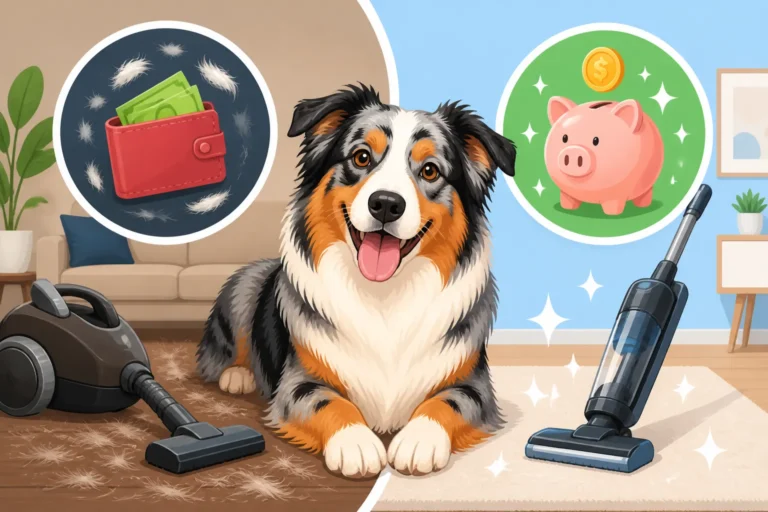
That beautiful, flowing double coat of an Australian Shepherd is one of their most striking features, but it's also a significant source of often underestimated bills. It's not just about occasional brushing; it's a continuous maintenance project that requires time, the right tools, and often, professional help to keep your Aussie comfortable and healthy.
Professional Grooming Beyond Basic Brushing
While many owners attempt to groom their Aussies at home, the sheer volume of coat, especially during the biannual "coat blow" when they shed their undercoat, often necessitates professional help. A good groomer knows how to properly line brush, thoroughly de-shed, and manage the long feathering without damaging the coat. Professional grooming for an Australian Shepherd isn't cheap, often costing a fair amount per session, and if you're taking your dog every 6-8 weeks, this becomes a substantial recurring expense. During peak shedding season, you might even need more frequent visits.
Furthermore, a professional groomer can spot early signs of skin issues, matting, or ear infections that might be hidden under the thick coat. They can also trim nails properly and express anal glands, which are tasks many owners find challenging or uncomfortable doing themselves. While it might seem like a luxury, regular professional grooming can prevent more expensive problems down the line, such as severe matting that requires shaving (which can permanently damage an Aussie's double coat and affect its insulating properties) or skin infections caused by poor ventilation. The value of a professional keeping that coat in top shape, especially when your Aussie is blowing coat, is truly worth considering.
At-Home Grooming Tool Investments and Supplies
If you plan to tackle most of the grooming yourself, be prepared to invest in a comprehensive arsenal of quality tools. This isn't just a single brush from the pet store. You'll need:
- A good slicker brush for detangling and removing loose topcoat.
- An undercoat rake to reach the dense underlayer and remove shedding fur without pulling the guard hairs.
- A wide-toothed comb for checking for mats.
- Quality grooming shears for trimming paws, hocks, and sanitary areas.
- A high-velocity dog dryer to thoroughly dry the double coat after baths, preventing hot spots and skin issues.
- Specialized shampoos and conditioners formulated for double coats.
| Grooming Tool Category | Purpose | Typical Cost Shape (Initial) |
|---|---|---|
| Brushes/Combs | Slicker, Undercoat Rake, Wide-Tooth Comb | Moderate (e.g., ~$15-40 each) |
| Shears/Trimmers | Paw/Sanitary Trimmers, Nail Clippers | Moderate (e.g., ~$20-70) |
| Shampoos/Conditioners | pH-balanced, De-shedding Formulas | Regular (e.g., ~$15-30 per bottle) |
| High-Velocity Dryer | Essential for thorough drying | High (e.g., ~$100-250+) |
| Other Supplies | Ear Cleaner, Paw Balm, Dental Chews/Brush | Ongoing (e.g., ~$10-30 each) |
While some of these are one-time purchases, items like shampoos, conditioners, ear cleaner, and paw balm are ongoing expenses. The high-velocity dryer, in particular, is a significant initial investment but invaluable for proper Drying an Australian Shepherd Double Coat at home. Many owners underestimate the total cost of assembling a proper home grooming kit, which can easily run into hundreds of dollars just for the initial setup.
Managing Seasonal Shedding and Skin Issues
Australian Shepherds shed year-round, but they have two major "coat blows" each year, typically in spring and fall. During these periods, the amount of hair they shed can be truly astonishing. This isn't just an inconvenience; it requires diligent and often daily brushing to prevent matting, especially behind the ears, in the armpits, and on their feathered trousers. Mats can be painful, restricting movement and leading to skin irritation or infections if left unchecked.
Beyond the shedding itself, the thick coat can also make your Aussie prone to skin issues if not properly cared for. Hot spots, fungal infections, or allergic reactions can be harder to detect and treat due to the dense fur. You might find yourself needing special medicated shampoos, conditioning sprays, or even dietary supplements to maintain a healthy coat and skin. Companies like Chewy offer a range of products specifically designed for sensitive skin and shedding, but these add to the ongoing budget. Overlooking these aspects can lead to discomfort for your dog and more expensive veterinary bills to treat preventable skin conditions.
The Long Haul: Senior Care and Unforeseen Lifestyle Adjustments
Australian Shepherds typically live 12 to 15 years, a wonderful lifespan filled with companionship. However, as they age, their needs change, and with those changes come a new set of often unexpected expenses that can significantly impact your budget. Thinking about Senior Australian Shepherd Care After Ten early can help you prepare financially and emotionally.
Adapting Your Home for an Aging Australian Shepherd
As your Aussie gets older, they may develop arthritis, hip dysplasia, or other mobility issues, making it harder to navigate your home. This might mean investing in orthopedic dog beds for comfort, ramps for getting into cars or onto furniture, or even stair gates to prevent them from falling down stairs. Non-slip rugs can be crucial for an older dog with weakened joints on hardwood floors. While these might seem like minor purchases individually, outfitting a home to be senior-dog-friendly can accumulate.
Moreover, an aging Aussie might experience cognitive decline, leading to changes in behavior, accidents indoors, or increased anxiety. This could necessitate additional cleaning supplies, specialized diapers, or even pheromone diffusers to help ease their stress. Their senses might also diminish; Hearing Loss in an Aging Australian Shepherd or vision impairment may require new ways of communicating or navigating, which means investing in new training methods or safety equipment. These adaptations are about maintaining your senior dog's quality of life, but they do come with a cost that is rarely considered when budgeting for a puppy.
Specialized Diets and Supplements as Needs Change
The nutritional requirements of an Australian Shepherd shift significantly as they move from active adulthood into their senior years. Many older dogs benefit from senior-specific diets that are lower in calories (to prevent weight gain due to reduced activity) but still rich in protein and often include joint-supporting ingredients like glucosamine and chondroitin. These specialized foods can sometimes be more expensive than standard adult kibble. If your Aussie develops specific health conditions in old age, such as kidney disease, liver issues, or severe allergies, they might require prescription veterinary diets, which are often considerably pricier.
Beyond food, many senior Aussies benefit greatly from a range of supplements. Fish oil for joint health and coat quality, probiotics for gut health, and cognitive supplements for brain function are common additions. While these can greatly improve your dog's comfort and well-being, the monthly cost of these supplements adds another layer to your budget. Brands like Ollie offer fresh food options that can be customized to specific dietary needs, which can be invaluable for senior dogs with sensitive stomachs or specific health concerns, but often come at a premium. These nutritional and supplementary adjustments are vital for keeping your aging Australian Shepherd comfortable and healthy, but they represent ongoing expenses that can easily be overlooked in early budgeting.
Disclaimer
This article is for general informational purposes only and does not constitute professional advice. Laws, prices and regulations vary by location and change over time. Consult a qualified professional for guidance on your specific situation.