What an Australian Shepherd Tries to Herd Indoors
It’s a scene many Australian Shepherd owners know all too well: you’re trying to move from one room to another, and suddenly, your Aussie is at your heels, nipping gently, or circling your kids as they play. This isn't naughtiness; it's instinct. This guide will dive deep into why your Australian Shepherd tries to herd indoors, what they target, and how you can gently redirect this powerful, natural drive to create a calmer, happier home.
The Unmistakable Drive to Herd
If you live with an Australian Shepherd, you live with a herding dog. This isn't just a breed characteristic; it's their very operating system. Understanding this fundamental truth is the first step to managing their indoor behaviors. You can't train out instinct, but you can channel it.
Born to Gather: The Instinct's Roots
The Australian Shepherd was originally bred to gather and move livestock, often in vast, open spaces. They needed keen intelligence, incredible agility, and an innate desire to control movement. These traits are deeply ingrained in their DNA, passed down through generations of working dogs. When you bring an Aussie into your home, you're not just getting a pet; you're bringing in a highly specialized working animal whose ancestors were vital to ranching operations. Their desire to herd isn't a choice; it's a fundamental part of who they are, as explored in Why Herding Instinct Is the Aussie Operating System. This instinct is strong, present even in Aussies who have never seen a sheep.
This powerful instinct manifests in various ways, from the intense stare (known as "the eye") they use to influence livestock, to the quick nips at heels designed to turn a stubborn ewe. These aren't malicious actions; they are communication tools in their ancestral job. When an Australian Shepherd doesn't have a flock to manage, or a job to do, their brain will naturally seek out something else to apply these instincts to. They are problem-solvers by nature, and if the "problem" of moving a sheep isn't there, they'll find another "problem" to solve, often involving anything that moves in their environment.
It's Not Just Livestock: What Triggers the Drive
For an Australian Shepherd, "livestock" isn't limited to sheep or cattle. Anything that moves in a way that triggers their herding sequence can become a target. This could be children running, other pets darting across the room, guests bustling about, or even inanimate objects that shift or roll. The key is movement and the perceived need for control or organization. Their brains are constantly scanning the environment for things that need to be gathered, directed, or stopped.
Think of it from their perspective: a child running wildly through the house might look, to an Aussie, like a lost lamb that needs to be brought back to the flock. A vacuum cleaner moving across the floor, or a rolling toy, can be seen as something that needs to be controlled. The intensity of this drive can vary greatly from dog to dog, but the underlying instinct is almost always there. It’s part of the intelligence and drive that makes them so capable, but also so challenging in a home environment if not properly channeled.
Common Indoor Targets and Behaviors
Without a job to do, an Australian Shepherd's natural herding drive doesn't just disappear. It finds new, often surprising, outlets within the confines of your home. Recognizing these behaviors and their triggers is crucial for effective management.
Herding Family Members and Guests
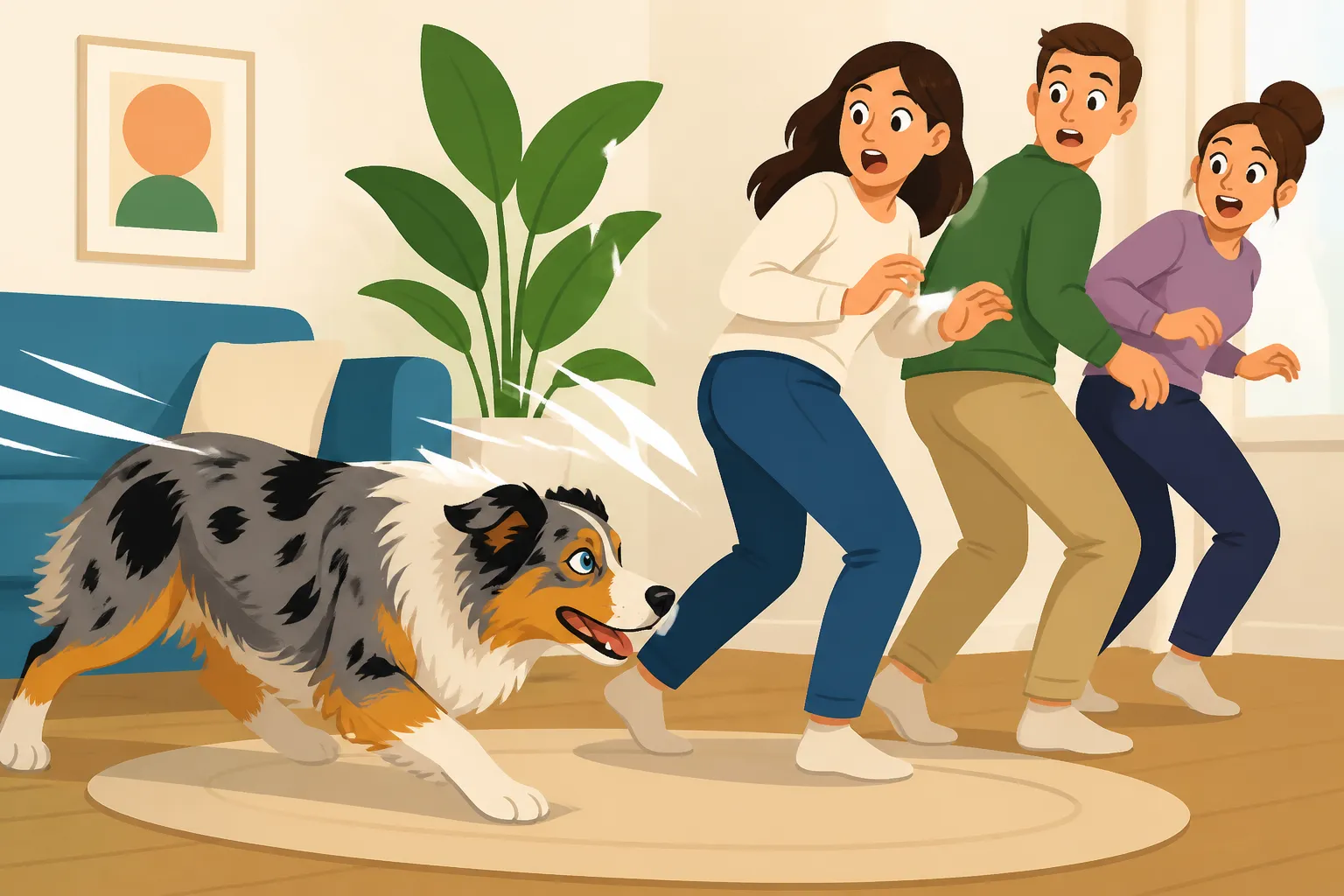
One of the most common and often frustrating indoor herding behaviors is when an Aussie tries to herd people. This is especially prevalent with children, who move quickly and unpredictably, often making high-pitched noises that can further stimulate a herding dog. Your Australian Shepherd might circle children, block their path, or even give a gentle (or not-so-gentle) nip at their heels or ankles. This isn't aggression; it's an attempt to control their movement, to "gather" them in one place, much like they would a stray sheep. For a deeper dive into this, you might find An Australian Shepherd Herding Children in the Yard particularly useful, as the principles apply indoors too.
Guests, especially those unfamiliar with herding dogs, can also become targets. Imagine a lively dinner party where your Aussie constantly tries to "organize" people, pushing them away from the kitchen or trying to keep them in the living room. It can be embarrassing and even a little unsettling for visitors. They might try to herd other pets too, especially cats or smaller dogs, attempting to consolidate them into a tight group. This behavior stems from their deep-seated need for order and control, and in the absence of actual livestock, people and other animals become the closest substitute.
Object Obsession: When Furniture Becomes "Sheep"
It's not just living beings that can trigger an Aussie's herding instinct. Inanimate objects, particularly those that move or can be moved, can also become targets. A rolling desk chair, a remote-control car, a dropped broom, or even a dust bunny being pushed by a draft might suddenly activate their herding brain. They might nudge it with their nose, push it with their paw, or try to position themselves to control its direction. This often looks like intense staring, followed by subtle body language shifts, and then a direct attempt to interact with the object's movement.
Sometimes, this extends to fixed objects. An Aussie might "herd" the vacuum cleaner as you push it around, trying to direct its path. They might circle furniture, trying to "contain" it in an imaginary pen. This behavior can be quite endearing to observe, a testament to their powerful instinct, but it can also be disruptive if they're constantly trying to "manage" everything in their environment. Providing appropriate outlets, like a large, durable exercise ball, can help redirect this urge to push and control objects.
The Subtle Signs of Indoor Herding
Beyond the obvious circling and nipping, Australian Shepherds display more subtle signs that their herding instinct is kicking in indoors. Watch for the "Aussie eye" – that intense, focused stare that indicates they're locked onto a target. They might crouch low, head down, body stiff, ready to spring into action. This posture is their classic herding stance, preparing to dictate movement. They might also exhibit "heel nipping" or "ankle biting," which, while startling, is their way of trying to get things to move in the direction they want. Australian Shepherd Heel Nipping and How to Redirect It offers great strategies for this specific behavior.
Another subtle sign is blocking. An Aussie might position themselves between you and a doorway, or between two children, trying to prevent movement. They might also lean into you or "bump" you with their body, guiding you where they think you should go. Understanding these nuances helps you intervene early, before the behavior escalates, and redirect their energy into more appropriate activities. Learning to read these subtle cues is key to living harmoniously with a working breed in a non-working environment.
Understanding the "Why" Behind Indoor Herding
Recognizing what your Australian Shepherd tries to herd is just one piece of the puzzle. Understanding why they do it helps you address the root causes and implement effective solutions. It's often a combination of instinct, environment, and communication.
An Under-Exercised Mind and Body
The most common reason an Australian Shepherd turns their herding drive indoors is a lack of sufficient physical and mental exercise. These dogs were bred for endurance and problem-solving. A simple walk around the block or a quick romp in the yard, while better than nothing, often doesn't cut it for an Aussie. Their bodies need rigorous activity, and their minds need complex challenges. When these needs aren't met, they become bored, restless, and will invent their own "jobs," which often involve herding whatever they can find inside your home. It’s why you’ll often hear that Why Physical Exercise Alone Never Settles an Aussie.
Imagine an Olympic athlete forced to sit on a couch all day; they'd quickly become frustrated and might start pacing or seeking out any physical outlet. An Aussie is much the same. They crave purpose. Without structured physical activity like long hikes, running, or dog sports, and without mental stimulation like training, puzzle toys, or scent work, that boundless energy and intelligence will find an outlet, even if it's "managing" the dust bunnies or trying to organize the family. Providing outlets for both their physical stamina and their incredible brainpower is paramount.
Seeking Control and Attention
For an Australian Shepherd, herding isn't just about movement; it's about control. They want to influence their environment and the beings within it. When they don't have appropriate ways to exert this control – like working a flock or excelling in a dog sport – they might try to control household members or objects. This can also be a bid for attention. If nipping at your heels gets a reaction, even a negative one like "no!" or pushing them away, that's still attention. To an Aussie, any attention can be better than no attention, especially if they are feeling understimulated.
They are incredibly smart and quickly learn what behaviors elicit a response. If herding the kids results in you intervening, even if it's to scold them, they've successfully engaged you. It becomes a self-reinforcing cycle. They learn that certain behaviors, even if deemed undesirable by humans, are effective ways to get interaction or to feel like they are doing their "job." Breaking this cycle requires consistency and redirecting their attempts to control or gain attention towards positive, approved activities.
Unintentional Reinforcement
Sometimes, we inadvertently reinforce herding behaviors without even realizing it. A quick laugh when your Aussie tries to herd the cat, or a playful chase when they nip at your jeans, can signal to your dog that this behavior is fun and acceptable. Even yelling "no" or pushing them away can be a form of reinforcement, as it provides them with the attention or interaction they crave. They don't always differentiate between positive and negative attention; attention is attention.
Consider how you react when your Aussie starts to gather the toys into a pile, or tries to block your path. If your reaction, no matter how frustrated, gives them a response, they've succeeded in engaging you. It's crucial to be mindful of your own responses. Instead of reacting to the unwanted behavior, the goal is to redirect it before it takes hold, or immediately offer a more appropriate alternative that earns them praise and positive reinforcement. This requires patience and a conscious effort to change our own habits as much as theirs.
Effective Strategies for Redirection and Management
Living with an Australian Shepherd means learning to work with their instincts, not against them. Redirecting and managing their indoor herding behaviors is about clear communication, consistent training, and providing appropriate alternatives.
Interrupting and Offering Alternatives
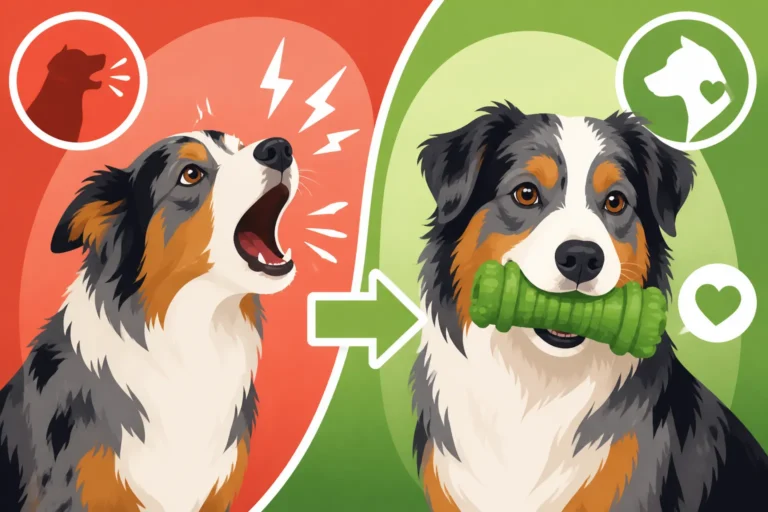
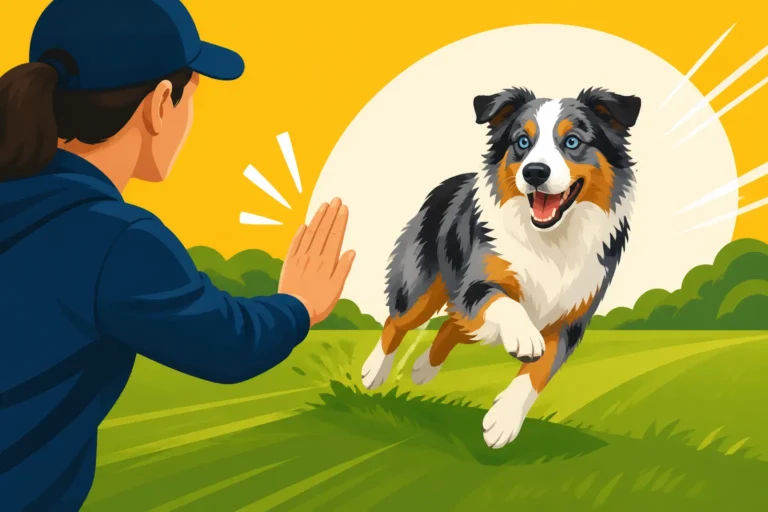
When you see your Australian Shepherd starting to exhibit indoor herding behaviors—the intense stare, the low crouch, the subtle lean—it's vital to intervene immediately. The key is to interrupt the behavior without punishment and then redirect their energy. A sharp but calm "Leave it!" or a clap can break their focus. The moment they disengage, you need to offer a more appropriate outlet. This could be a favorite toy, a brief training session, or a specific chew. The goal is to teach them that redirecting their instinct towards an acceptable activity earns them rewards and positive interaction.
For example, if your Aussie starts circling the kids, call them to you and ask for a "sit" or a "down." Reward them heavily for complying. Then, immediately engage them in a game of fetch with a designated herding ball or offer them a sturdy chew toy. The timing is critical: interrupt, then redirect, then reward. This helps them understand that while the herding feeling is natural, the expression of that feeling needs to be channeled through acceptable means. You can find excellent durable toys for this on platforms like Amazon, ensuring they can stand up to an Aussie's intense play.
Structured Training and Boundary Setting
Consistent training is the cornerstone of managing any Aussie behavior, and herding is no exception. Strong foundation commands like "sit," "stay," "down," and a reliable "come" are invaluable. These commands give you tools to interrupt and redirect their focus. For instance, if guests arrive and your Aussie starts to get overstimulated, sending them to a "place" command on their bed or mat can help them settle down and observe calmly. Programs like BAXTER & Bella offer comprehensive online training curricula that can be incredibly helpful for establishing these boundaries and teaching impulse control.
Setting clear boundaries within the home is also essential. This might involve baby gates to create zones where children can play without being "herded," or designated "quiet times" when the dog is crated or given a long-lasting chew in a separate room. Teaching them that certain areas or times are "off-limits" for herding activities helps them understand the rules of the house. Consistency from everyone in the household is paramount; if one person allows a behavior and another corrects it, your Aussie will become confused.
Harnessing Instinct Through Play
Instead of trying to suppress the herding instinct, embrace it and provide safe, appropriate outlets within your home. Games like fetch, especially with a large, durable herding ball, can satisfy their desire to chase and control movement. Flirt poles are fantastic for burning off energy and channeling their chase drive in a controlled way. These activities tap into the core of their being, providing a positive outlet for that powerful energy. Tug as a Legal Outlet for Aussie Herding Drive is another fantastic option, as it mimics the push-and-pull dynamics they experience with livestock.
Here's a quick comparison of redirection methods:
| Herding Behavior Target | Unwanted Behavior | Immediate Interruption | Redirected Activity | Desired Outcome |
|---|---|---|---|---|
| Children running | Nipping heels, circling | "Leave it!" or clap, call to you | Tug toy, fetch with a soft ball | Focus on handler, appropriate play |
| Guests moving around | Blocking paths, nudging | "Place" command, "go lie down" | Kong with treat, designated chew toy | Calm observation from their spot |
| Vacuum cleaner/broom | Chasing, barking, trying to control | Remove dog from room, "stay" command | Engage with a puzzle feeder in another room | Learn to ignore the moving object |
| Other pets | Stalking, pushing, trying to gather | Separate, "come" to handler, "stay" | Scent work game, find the treat | Leave other pets alone, engage in mental work |
Remember to always keep safety in mind, especially with children. Supervise all interactions, and ensure that redirection games are structured and end on a positive note.
Enriching the Indoor Environment
A truly contented Australian Shepherd is one whose physical and mental needs are consistently met. When they have meaningful things to do indoors, their urge to "herd" the wrong things diminishes significantly.
Mental Challenges and Puzzle Play
Physical exercise is crucial, but for an Australian Shepherd, mental exercise is just as important, if not more so. Their intelligent minds thrive on problem-solving. Incorporate puzzle toys, treat-dispensing toys, and interactive feeders into their daily routine. These make them "work" for their food, engaging their brains and satisfying their need for a challenge. Imagine them figuring out how to get kibble out of a tricky dispenser – that's mental energy being spent, reducing their boredom. You can find an incredible variety of these on Amazon, from beginner-friendly to advanced puzzles.
Scent work is another fantastic way to engage their minds indoors. Hide treats or their favorite toys around the house and let them use their nose to find them. This taps into their natural sniffing and searching abilities, providing a rich sensory experience that is incredibly tiring for their brains. Even simple games of "find it" with a favorite toy can provide valuable mental stimulation. Mental Work That Actually Tires an Australian Shepherd offers more ideas on how to achieve this.
Creating "Jobs" for Your Aussie Indoors
Since Aussies thrive on having a purpose, giving them a structured "job" inside the house can be incredibly beneficial. This doesn't have to be complex. It could be helping you carry groceries from the door to the kitchen (with lightweight, unbreakable items), fetching specific toys on command, or even learning a routine of putting their toys away in a basket. Think of how much satisfaction they get from helping you.
You can teach them to retrieve items, close doors, or even bring you specific household objects. These are all small "jobs" that give them a sense of purpose and a constructive way to use their intelligence. Regular, short training sessions throughout the day, focusing on these useful tasks, can prevent boredom and channel their drive into positive behaviors. Just ten minutes of focused, fun training can be as tiring as a good run for an Aussie's mind.
The Power of Calm and Relaxation
While Aussies are high-energy dogs, they also need to learn how to relax and have an "off switch." Providing a calm, predictable environment and actively teaching them to settle can significantly reduce indoor herding behaviors, which are often a sign of overarousal or a lack of self-control. Teach them a "settle" or "mat" command, where they go to a designated spot and relax. Reward them for staying calm and quiet.
This might involve creating a comfortable "den" for them in a crate or a specific dog bed where they can retreat and feel secure. Incorporate calming activities like gentle brushing (which also helps manage their glorious double coat!) or quiet chew sessions with long-lasting chews. Just as you schedule active play, schedule quiet time. Helping your Aussie understand that there are times for high-energy work and times for peaceful rest is vital for their overall well-being and for a harmonious household.
Disclaimer
This article is for general informational purposes only and does not constitute professional advice. Laws, prices and regulations vary by location and change over time. Consult a qualified professional for guidance on your specific situation.