Practicing Aussie Recall in a Fenced Field
Let's be honest, getting your Australian Shepherd to reliably come when called can feel like trying to herd smoke, especially when there's anything more interesting than you in the vicinity. That intense herding drive, that laser focus on movement, it's what makes them incredible working dogs, but it can also make your heart pound when they bolt. This guide is all about giving you the practical steps and reassurance you need to build a rock-solid recall, starting in the safest environment possible: a fenced field.
Why a Fenced Field is Your Best Friend for Aussie Recall
When you're dealing with a breed as intelligent and driven as an Australian Shepherd, "come" isn't just a word; it's a profound request for them to disengage from whatever captivating thing they've spotted and return to you. And let's face it, for many Aussies, that "captivating thing" could be a leaf blowing across the grass, a distant bird, or even a shadow. A fenced field provides a controlled stage where you can rehearse this critical skill without the constant fear of real-world consequences.
The Unseen Dangers of Off-Leash Without Proofing
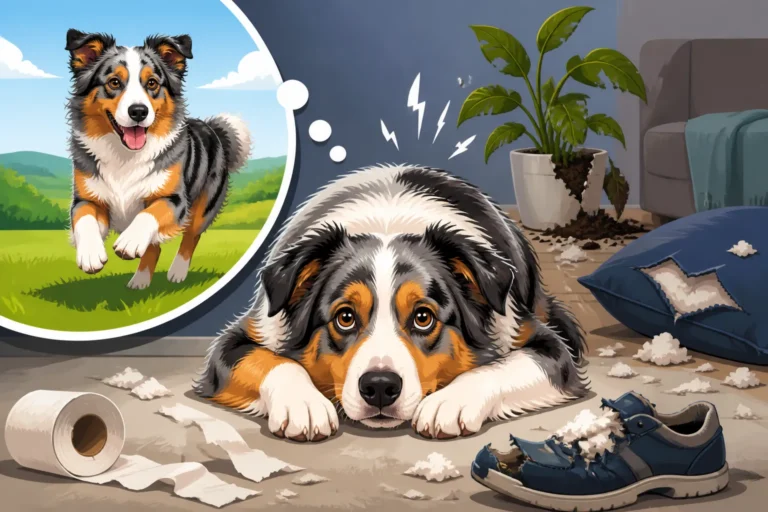
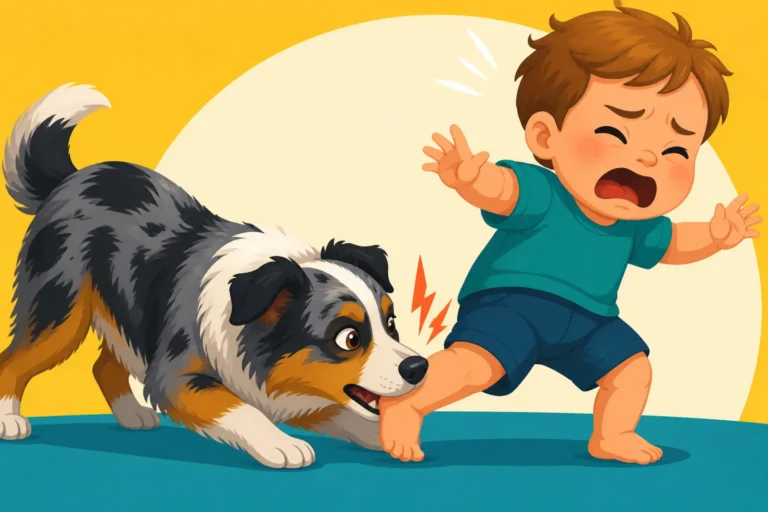
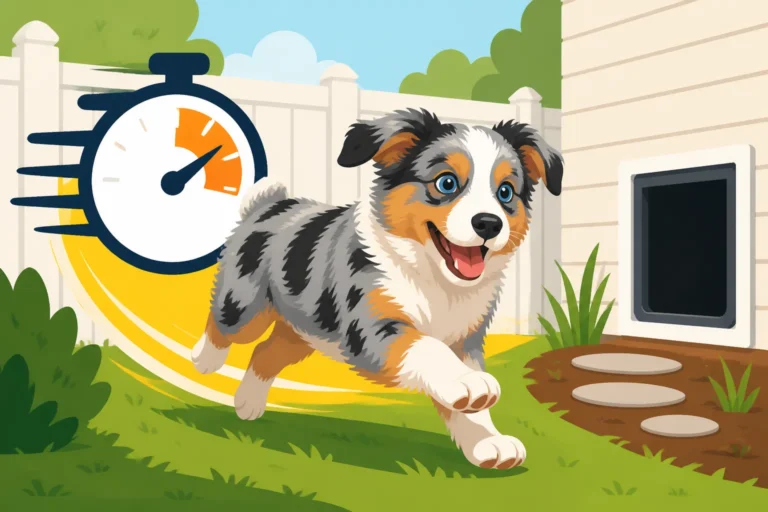
You know the scenario: you're at the park, feeling confident, your Aussie is doing great on their long line, and then a squirrel darts across the path. In a flash, your dog's ancestral instincts kick in, and they're off, ignoring every frantic call. This isn't defiance; it's pure, unadulterated prey drive, amplified by generations of selective breeding for incredible focus and speed. The risks are very real: a busy road, an aggressive dog, or simply getting lost in an unfamiliar area. It's truly terrifying when your dog’s natural instincts completely override their training, and it’s a frustration many Aussie owners face. Until your Aussie has a bulletproof recall, venturing off-leash in unfenced or uncontrolled areas is a gamble, and it's simply not worth the potential heartbreak. Their natural instinct to chase is strong, and sometimes it feels like they simply "forget" you exist when something moves quickly. Australian Shepherd Recall Around Moving Things is a challenge every Aussie owner contends with, and safety has to be paramount.
Building Foundation and Confidence in a Safe Space
This is where the fenced field becomes your absolute sanctuary. It eliminates the biggest variable: escape. With that worry off your mind, you can fully focus on the training itself, building up your Aussie's understanding and enthusiasm for returning to you. Think of it as a low-stakes classroom. Here, every successful recall builds positive associations. Your dog learns that coming back to you means great things happen – tasty treats, exciting toys, enthusiastic praise. You, in turn, gain confidence in your dog's responsiveness, which is crucial for those moments when you do eventually venture into more open, but still safe, spaces. It's a stepping stone, not the ultimate goal of recall training, but it's an indispensable one for such a high-drive breed. It allows you to repeat the desired behavior over and over without the added stress of potential disaster.
Setting Up Your Recall Practice Session for Success
Before you even step foot into a fenced field, a little preparation can go a long way. This isn't just about showing up and hoping for the best; it's about strategically setting the stage for your Australian Shepherd to excel.
Essential Gear for Your Fenced Field Work
You don't need a huge arsenal of equipment, but what you do bring should be effective and safe.
- Long Line: Even in a fenced area, a long line (think 30 to 50 feet) is invaluable, especially in the early stages. It provides a crucial safety net if your Aussie decides to test the boundaries or gets overly engrossed in a scent. It's also a fantastic way to gently guide them back to you if they hesitate, ensuring they can't practice ignoring your recall cue. You can find excellent durable long lines on platforms like Amazon. For detailed advice on what length might suit you, check out Long Line Length for an Australian Shepherd.
- High-Value Treats: This is non-negotiable for an Aussie. Kibble just won't cut it when they're distracted. Think small pieces of cooked chicken, cheese, hot dogs, or specially made soft training treats. These need to be irresistible – something your dog rarely gets and absolutely adores.
- Favorite Toys: A tug toy or a sturdy ball can be just as motivating as food for many Australian Shepherds. Tug as a Legal Outlet for Aussie Herding Drive is a great way to channel their natural instincts. Use it as a reward for coming back, making the experience even more exciting. A flirt pole can also be a fantastic tool to engage their prey drive in a controlled way, rewarding them with a supervised chase after a successful recall.
- Whistle: A whistle can be incredibly effective because it produces a consistent sound that cuts through environmental noise and doesn't carry your emotional tone. It's a clean, clear signal. Many trainers recommend pairing a specific whistle command with your verbal recall word. Learn more about how to incorporate this in Building an Emergency Recall Whistle for an Aussie.
- Collar/Harness: Ensure your dog is wearing a secure, well-fitting collar or harness from which they cannot slip out. This is critical for attaching the long line and for safe handling.
Choosing the Right Fenced Environment
Not all fenced fields are created equal, especially when you have a smart, agile Aussie.
- Private vs. Public Dog Parks: While public dog parks offer fenced spaces, they come with a huge caveat: other dogs, people, and unpredictable dynamics. For initial recall training, a private, enclosed space is ideal. If a private rental isn't an option, try to find a public dog park during off-peak hours when it's less crowded, or even empty. You want minimal distractions so your Aussie can focus purely on you and the task at hand.
- Ensuring Fence Integrity: Before letting your Aussie off-leash (even with a long line attached), thoroughly inspect the fence. Are there any gaps they could squeeze through? Any weak spots they could push under? For a dog that can jump and climb, check the height and integrity. An Australian Shepherd is notorious for finding the weakest link in a fence, especially if something on the other side catches their eye.
- Minimizing Distractions: The goal is to start easy and build up. Choose a time of day when there isn't much foot traffic, loud noises, or other dogs nearby. If the field is next to a busy road, the constant movement of cars might be too much for early sessions. The fewer external stimuli, the better your Aussie can concentrate on you, making success more likely and building their confidence in the recall.
Step-by-Step Recall Drills in the Fenced Field
Once you've got your gear and your chosen safe space, it's time to put in the work. Remember, consistency and enthusiasm are your best friends here!
The "Party Here!" or "Touch" Game
This is where the magic starts. You want to make coming back to you the absolute best thing ever.
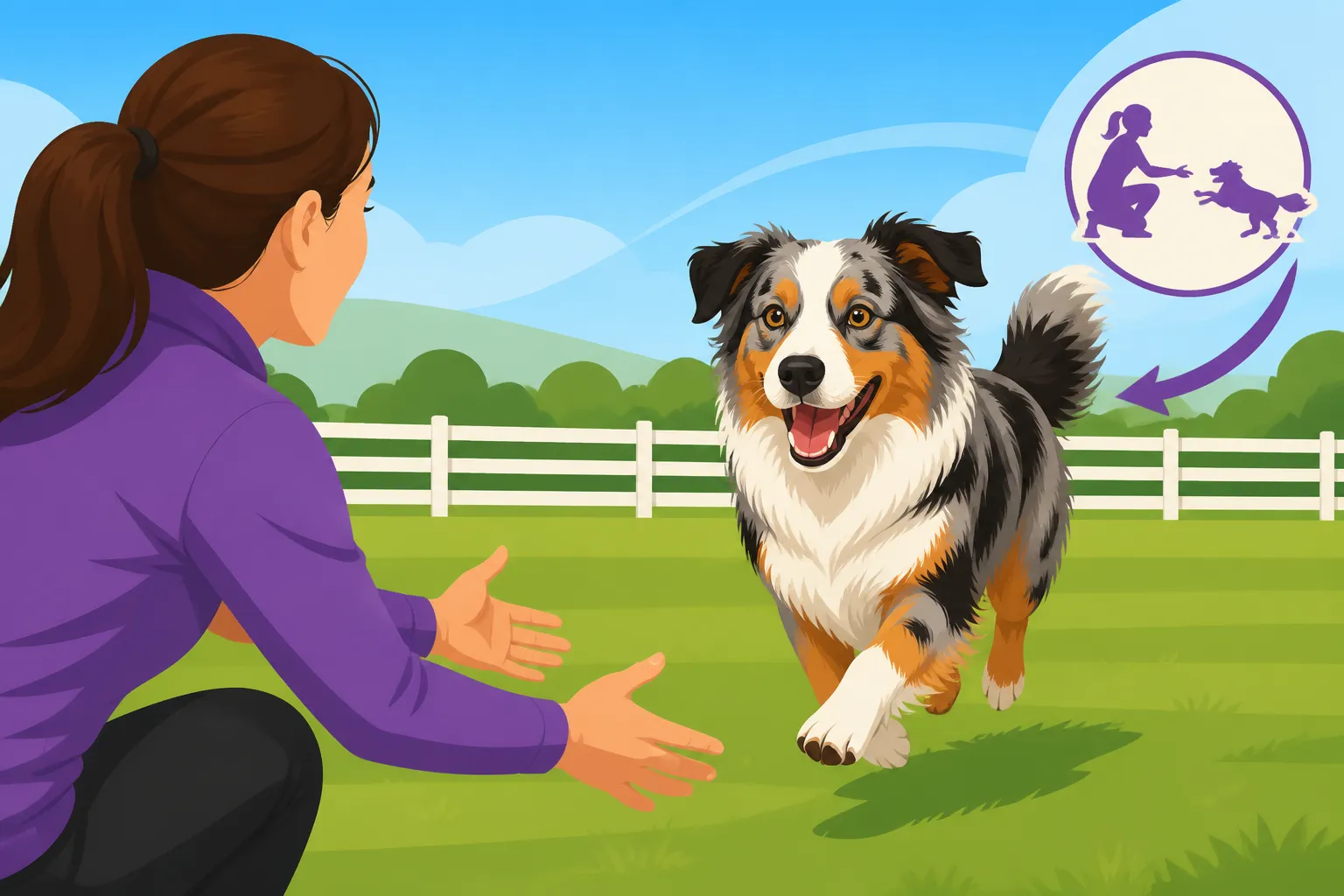
- Start Close and Exciting: Begin with your Aussie just a few feet away. Get down low, open your arms wide, use your super enthusiastic recall word (e.g., "Come!" or "Here!"), and sound like you've just won the lottery.
- Immediate Reward: The instant your Aussie touches you, even if they hesitate for a second, shower them with praise and deliver that high-value treat. You want them to feel like they've hit the jackpot. Repeat this many, many times, throwing the treat a short distance away to encourage them to move off, then calling them back.
- Gradually Increase Distance: Once they're reliably coming from a few feet, start taking a few more steps back. Still keep it short and set them up for success. You can use a long line at this stage to give them the feeling of being off-leash while still having control if they get distracted.
- Practice Coming Past You: A common mistake is for dogs to only come to you and then stop. Train your Aussie to come past you, into a "finish" position (like a heel), or even just to keep going a few steps before getting their treat. This ensures they don't just graze by you and then bolt again. One effective method is to have them touch your hand with their nose (a "touch" cue) as they come in, then reward. You can easily find videos on how to teach a "touch" cue on platforms like Amazon or through online programs like BAXTER & Bella.
Introducing Distractions Gradually
The fenced field allows you to control the level of distraction, which is key for a breed like the Australian Shepherd whose focus can easily be diverted by movement or new scents.
- A Hidden Helper: If you have a friend or family member, have them hide a short distance away. When you call your dog, they can pop out and make a fun noise, encouraging your dog towards you, or even toss a low-value toy away from you, so your dog learns that coming to you means good things, even if there are other enticing elements nearby.
- Rolling a Low-Value Toy: Start with a non-squeaky, non-super-exciting toy. Roll it a short distance away from where you're standing. Call your Aussie while the toy is moving. This is a huge test of their herding and prey drive, but in a controlled way. The goal is for them to choose you over the moving object. Reward heavily when they do.
- Stationary Objects First: Before moving objects, practice recall around stationary distractions. Let your Aussie sniff a tree, then call them. Let them inspect a patch of interesting grass, then call them. This teaches them to disengage from something interesting on cue.
- The "Ping-Pong" Recall: If you have two people, stand about 20-30 feet apart. One person calls the dog, rewards heavily, then the other person calls. This makes recall a fun game of back-and-forth, building speed and enthusiasm. Just be sure both callers are equally exciting and rewarding.
The Long Line as a Safety Net and Training Tool
Even in a fenced field, the long line remains an essential part of your training toolbox, especially with a young or easily distracted Aussie.
- Freedom with Control: The long line gives your Australian Shepherd the sensation of being off-leash, allowing them to explore and sniff while still being securely connected to you. This is crucial for building trust. They learn that even when they wander, you're still "there," and you'll eventually call them back.
- Teaching the "Check-In": Encourage your Aussie to check in with you periodically. Every time they glance your way, offer a treat or praise. This fosters attentiveness and makes them more likely to respond when you actually call.
- Gentle Corrections, Not Harsh Yanks: If your Aussie ignores your recall cue and keeps going, avoid yanking the long line harshly. Instead, give a gentle, consistent tug to redirect their attention, while simultaneously repeating your recall word in an encouraging tone. The goal is to remind them, not punish them. The long line is a learning tool, not a punishment device. For an Aussie with high herding drive, a sudden strong pull can actually trigger them to pull back harder, making the situation worse.
Common Pitfalls and Troubleshooting Your Aussie's Recall
Even with the best intentions and the perfect setup, recall training can have its frustrating moments. It’s not always a smooth road, and understanding why your Aussie might be struggling can help you overcome those hurdles.
When Your Aussie Pretends Not to Hear You
Oh, the selective hearing of an Australian Shepherd! It's a tale as old as time for owners of this intelligent breed. This usually boils down to a few key issues:
- Lack of Motivation: Is your reward truly worth interrupting whatever fascinating scent or movement has captured their attention? If your treats aren't high-value enough, or if your enthusiasm isn't genuine, your Aussie might calculate that the squirrel is a better payoff. Elevate your rewards! Think small, meaty, smelly, and delicious.
- Too Many Distractions Too Soon: If you're practicing recall next to a bustling playground on a sunny Saturday afternoon, you're setting your Aussie up for failure. You must build up to high-distraction environments incrementally. If they fail in a particular scenario, go back to a less distracting environment and slowly reintroduce challenges.
- Calling When You Know They Won't Come: Every time you call your Aussie and they ignore you, they're effectively practicing not coming. This "poisons the cue" and makes it less effective over time. Only call when you are reasonably sure they will succeed. If you're unsure, keep them on the long line.
- "Poisoning the Cue": This happens when "come" is only associated with things your dog dislikes – bath time, leaving the fun dog park, going to the vet. If coming to you always means the good times end, why would they rush over? Make coming to you the start of something wonderful, not the end.
The Importance of Consistency and Positive Reinforcement
Building a reliable recall is a marathon, not a sprint. It requires unwavering dedication and a commitment to making every interaction positive.
- Always Reward, Even for a Delayed Recall: If your Aussie eventually comes, even after a few calls or a slight delay, still reward them. You want to reinforce the act of coming, not penalize the delay. Acknowledge the effort, make it positive, and then think about how you can make the next recall even faster.
- Make Coming Back the Most Exciting Thing in the World: When you call your Aussie, your voice should light up, your body language should be inviting, and your reward should be spectacular. Think of it as throwing a tiny party every time they return. This creates a powerful positive association that overrides competing distractions.
- Short, Frequent Sessions: Instead of one long, exhausting training session, aim for multiple short bursts throughout the day or week. Five to ten minutes of focused recall practice, two or three times a day, is far more effective than one hour-long session where both you and your dog might lose focus. This also prevents An Australian Shepherd That Gets Worse in the Evening due to overstimulation or fatigue.
Knowing When to Seek Professional Help
Sometimes, despite your best efforts, you might feel stuck. That's perfectly normal, especially with a breed as complex as the Australian Shepherd.
- When to Consider a Professional Trainer: If your Aussie's prey drive seems overwhelming, if they're consistently ignoring your recall cues even in low-distraction environments, or if you're struggling with specific behavioral challenges, don't hesitate to reach out to a certified professional dog trainer. Look for someone who has experience with herding breeds and positive reinforcement methods. A good trainer can offer personalized strategies and identify nuances in your dog's behavior that you might be missing. They can help you understand Finding a Trainer Who Understands an Aussie and tailor approaches to your specific dog. Online training programs like BAXTER & Bella also offer structured guidance that can be incredibly helpful for foundational skills.
- Understanding Extreme Prey Drive and Management Strategies: Some Aussies simply have an exceptionally high prey drive that will always require careful management. A trainer can help you implement strategies like muzzle training, advanced long-line handling, and extensive proofing in various environments. For these dogs, a solid recall might mean 90% reliability, and the remaining 10% requires constant vigilance and understanding that their instincts are powerful. It's not a failure on your part, but rather a characteristic of the breed.
Remember, building a reliable recall is a journey of consistency, patience, and making yourself the most exciting thing in your Aussie's world.
Here's a quick checklist to help you organize your recall practice:
| Stage of Training | Key Goal | Environment | Essential Gear | Reward Strategy | Notes |
|---|---|---|---|---|---|
| Foundation Building | Enthusiastic response to recall cue | Low-distraction fenced field | Long line, high-value treats, toy | Frequent, immediate, high-value food/play | Start close, make it a "party," repeat often |
| Distance & Duration | Coming from further away, holding attention | Moderately distracting fenced field | Longer line, whistle, higher-value treats | Varied rewards, surprise jackpot rewards | Gradually increase distance, use whistle consistently |
| Introducing Distraction | Choosing you over distractions | Fenced field with controlled distractions | All above, helper (optional) | Super high-value, enthusiastic praise | Start with stationary distractions, then controlled movement |
| Proofing & Generalization | Reliable recall in varied, safe settings | Fenced fields with increasing real-world distractions | All above, always safety first | Keep rewards variable and exciting | Never set up for failure, always carry high-value treats |
Disclaimer
This article is for general informational purposes only and does not constitute professional advice. Laws, prices and regulations vary by location and change over time. Consult a qualified professional for guidance on your specific situation.